wayground logo

Free Printable Worksheets

Font size

S
M
L
XL
Worksheets

Semester Review Pre- AP 7th

Total questions: 93

Worksheet time: 2hrs 40mins

Name
Class
Date
1.

Electrons have a _______ charge

a)

positive

b)

negative

c)

neutral

2.
The positive particles of an atom are 
a)
electrons 
b)
positrons 
c)
neutrons 
d)
protons 
3.
an atom with atomic number 6 would have how many protons 
a)
6
b)
12
c)
3
d)
cannot be determined 
4.
Particles in an atom that are neutral and have no charge are 
a)
negatrons 
b)
electrons 
c)
neutrons 
d)
protons 
5.
What is the mass number?
a)
the number of protons
b)
the number of protons and neutrons
c)
the number of neutrons
d)
the number of protons and electrons
6.
How many electron shells/levels does this atom have?
a)
1
b)
2
c)
3
d)
4
7.

Number of electrons in Fluorine (F)

a)

9

b)

10

c)

19

8.

Number of neutrons in antimony (Sb)

a)

51

b)

71

c)

122

9.

Number of protons in strontium (Sr)

a)

38

b)

50

c)

88

10.
How many electrons are in Manganese (Mn) ?
a)
12
b)
25
c)
55
d)
30
11.
How many protons are in Boron (B) ?
a)
3
b)
5
c)
10
d)
11
12.
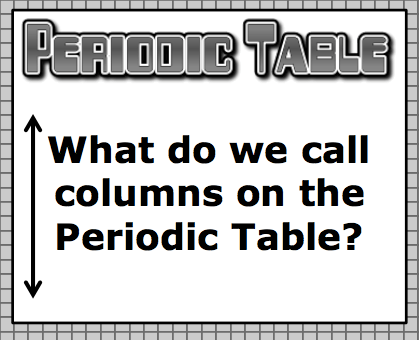
a)
Periods
b)
Groups
13.
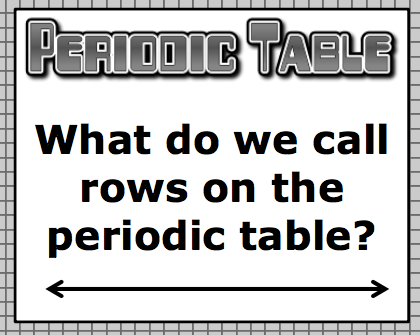
a)
Periods
b)
Groups
14.
a)
energy levels
b)
valence electrons
c)
protons
d)
neutrons
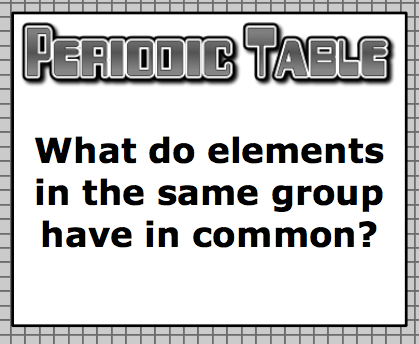
15.
a)
energy levels
b)
valence electrons
c)
protons
d)
neutrons
16.
Which of the following is the most metallic element in period 3?
a)
Boron (B)
b)
Sodium (Na)
c)
Argon (Ar)
d)
Silicon (Si)
17.
The number at the bottom of each square on the periodic table is the ...
a)
atomic number
b)
atomic mass
c)
chemical symbol
d)
element name
18.
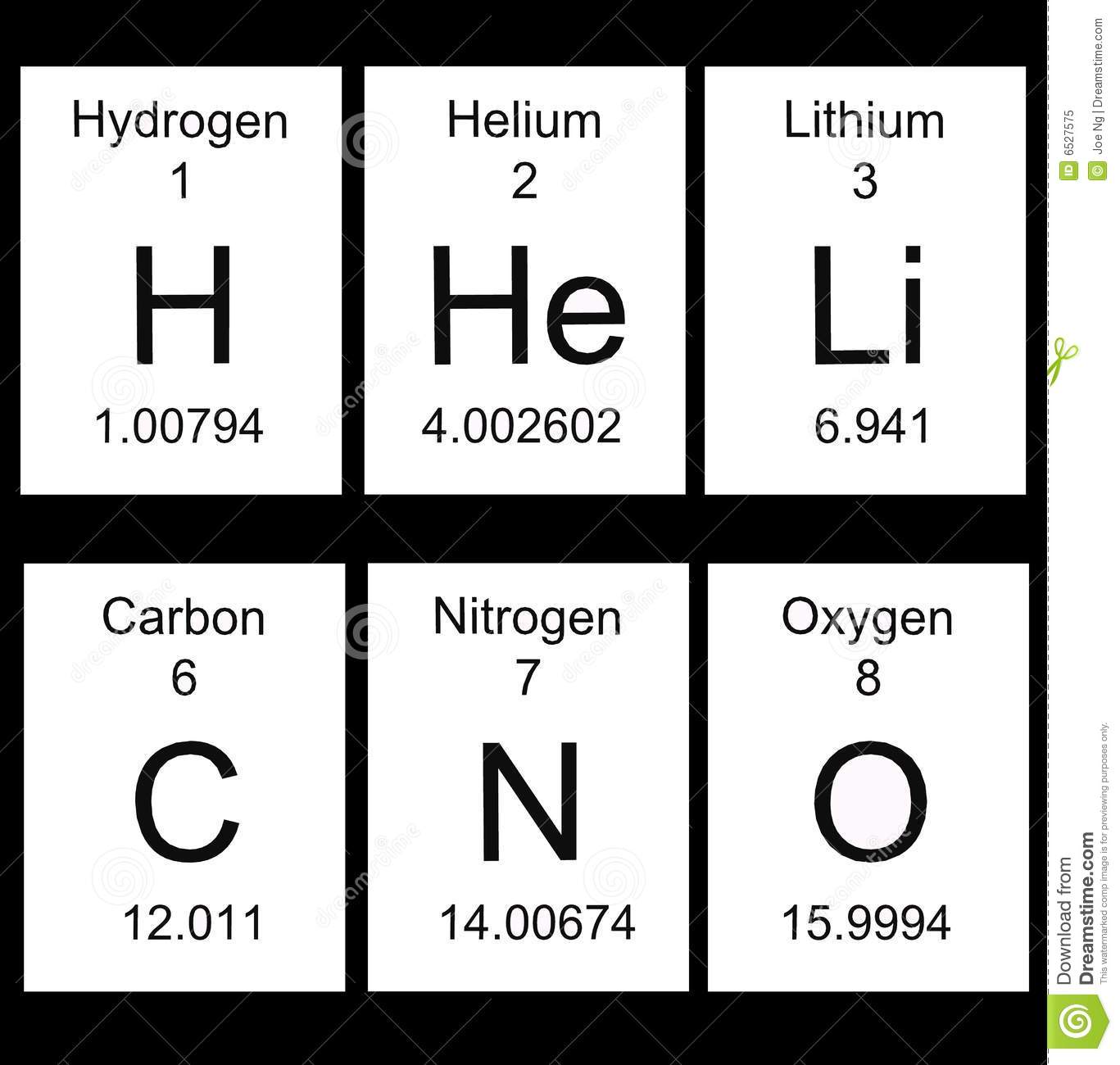
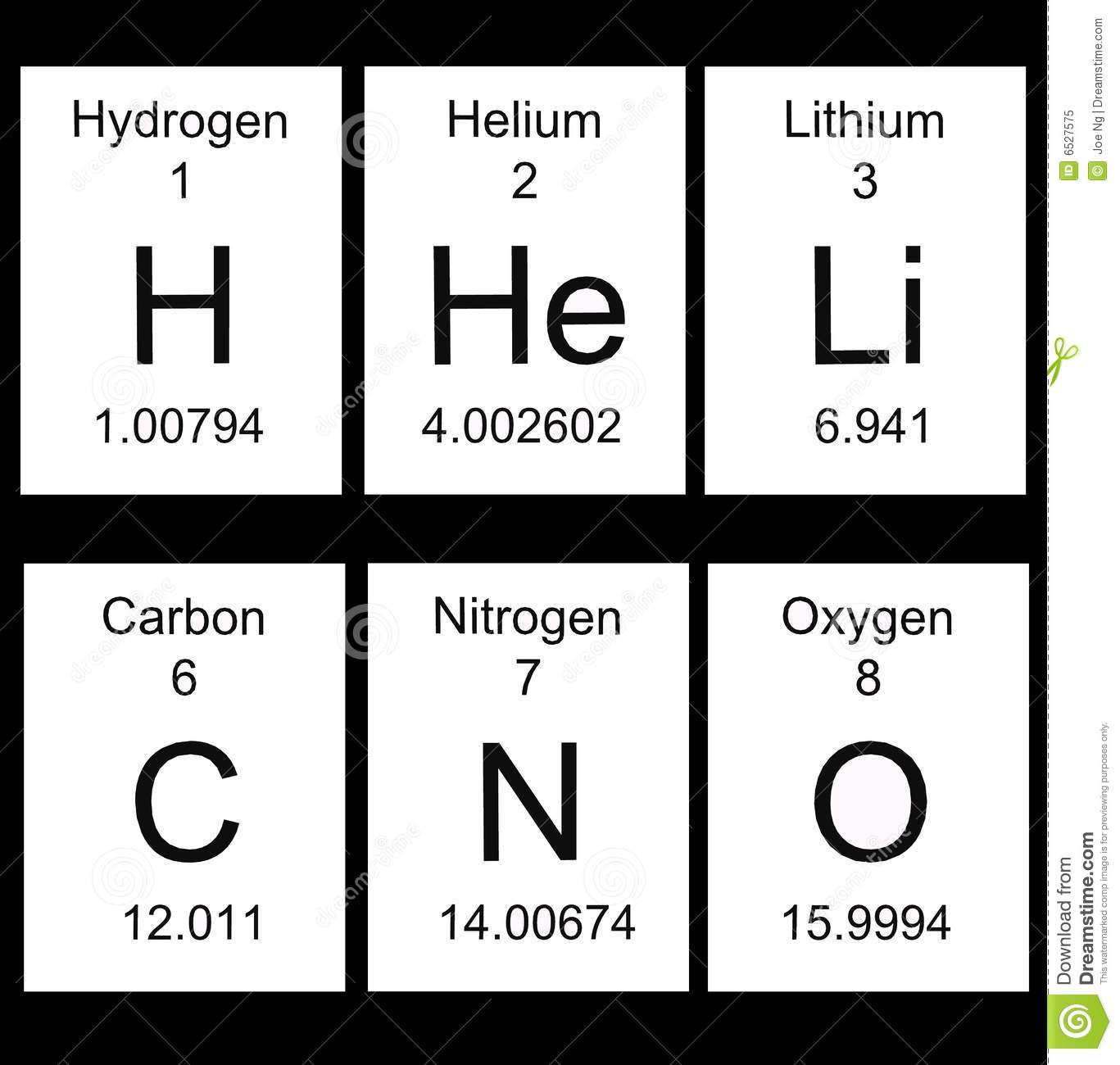
What is the chemical symbol for Lithium?
a)
H
b)
He
c)
Li
d)
N
19.
Which group of the periodic table is composed of inert (not reactive)  gases?
a)
alkali metals
b)
alkaline earth metals
c)
halogens
d)
noble gases
20.
Elements which are shiny, conduct electricity and heat are called
a)
metal
b)
nonmetal
c)
metalloid
d)
nonexistent
21.

Which element is not a metal?

a)

H

b)

Re

c)

Al

d)

B

22.
Which is an alkali metal?
a)
Magnesium
b)
Iron
c)
Sodium
d)
Europium
23.
Which is a halogen?
a)
Helium
b)
Chlorine
c)
Oxygen
d)
Neptune
24.
Which of these is a property of metals?
a)
It's malleable
b)
It can't conduct electricity
c)
They are used in food
d)
It's very brittle
25.
Which of the following is NOT a characteristic of most metals?
a)
Brittle
b)
Good conductor
c)
Ductile
d)
Malleable
26.
Which of these grouping of elements could have the characteristic of luster (shiny)?
a)
Metal
b)
Nonmetal
c)
metalloids
d)
Both metals and metalloids
27.
Which element is a metalloid?
a)
Titanium
b)
Selenium
c)
Potassium
d)
Polonium
28.
For an investigation a student poured a blue solution of CuSO4 into a beaker. The student placed a shiny, silver-colored strip of zinc metal in the solution and observed the changes.
The student inferred that a chemical reaction occurred. What evidence supports this inference?
a)
A dark solid formed on the zinc metal.
b)

The zinc metal remained silver-colored and shiny
c)
The CuSO4 solution turned blue when the zinc metal was added.
d)
None of these
29.
Which of the following equations demonstrates an actual chemical reaction that forms a new substance?
a)
A
b)
B
c)
C
d)
D
30.
Which of these formulas contain equal numbers of nitrogen atoms?
a)
Formulas I and III
b)
Formulas I and IV
c)
Formulas II and III
d)
Formulas I, II, and V
31.

How many Al atoms are in this compound? 4Al2O3

a)

2

b)

8

c)

6

d)

4

32.
Marie had a beaker with a small amount of baking soda. She added a few drops of pickle juice to the baking soda and observed fizzing and bubbling. Based on her observation, which of these can Marie determine about the new substance formed by mixing the baking soda and pickle juice?
a)
A chemical reaction produced a solid.
b)
A chemical reaction produced a gas.
c)
No chemical reaction took place.
d)
Only a physical change happened.
33.
Which of the following characteristics is shared by all chemical reactions?
a)
Produce a precipitate
b)
Show a color change
c)
Release heat energy
d)
Form new substances
34.
A student mixes two clear liquids together. After a few minutes, a white powdery solid can be seen settling on the bottom of the test tube. Which of the following is a conclusion that the student can draw based on these observations? The two clear liquids –
a)
were pure substances before they were mixed.
b)
are toxic and should be handled with extreme caution.
c)
have gone through a chemical change in which a new substance called a precipitate was produced.
d)
have been stored too long and are no longer good.
35.
Number of C's in 2Na₂CO₃
a)
1
b)
2
c)
3
d)
5
36.
The number of Na's in Na₂CO₃
a)
1
b)
2
c)
3
d)
6
37.
How many total atoms are in the compound C2H8O ?
a)
11
b)
2
c)
8
d)
1
38.
If there are two forces going in the same direction how would you find the net force?
a)
Subtract
b)
Add
c)
Neither
d)
Multiply
39.
Find the net force: 15 N to the right, and another 15 newtons to the right.
a)
0 N Right
b)
0 N Left
c)
30 N Left
d)
30 N Right
40.
8 N to the left , and 4 N to the right. Find the net force. Is this balanced 
a)
12 N Right  No
b)
4 N Left  No
c)
12 N Right  Yes
d)
4 N Left  Yes
41.
What is force?
a)
A push exerted on an object
b)
A push or pull exerted on an object
c)
A pull exerted on an object
d)
Nothing
42.
You and your dad are moving the couch from one side to another. Your dad pushes with a force of 35 N to the right and you push with a force of 25 N right. What is the net force on the couch?
a)
60 N right
b)
10 N left
c)
60 n right
d)
50 N left
43.
An object with a mass of 2.0 kg accelerates 2.0 m/s2 when an unknown force is applied to it. What is the amount of force? 
a)
4 newtons
b)
4 kg
c)
1 newton
d)
1 kg
44.

An object with a mass of 5.0 kg accelerates 8.0 m/s2 when an unknown force is applied to it. What is the amount of the force?

a)

40 newtons

b)

40 kg

c)

1.6 newtons

d)

0.63 newtons

45.
A wheeled cart is moving to the right at a constant speed.  Two forces of equal magnitude are acting upon the cart. Which of the following best describes the forces and motion of the cart?
a)
Balanced Forces, Constant Speed
b)
Balanced Forces, Acceleration
c)
Unbalanced Forces, Constant Speed
d)
Unbalanced Forces, Acceleration
46.
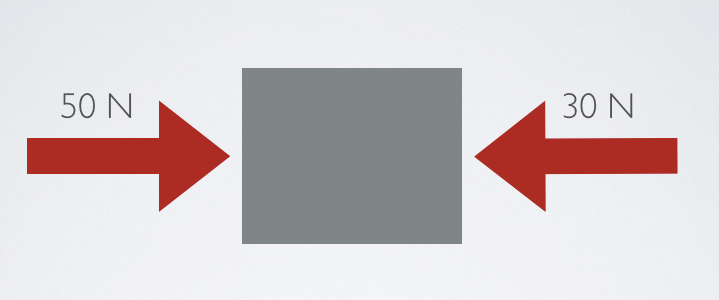
How will this object move? 
a)
It won't move. 
b)
It will move to the right. 
c)
It will move to the left. 
d)
It will move up. 
47.
Which could be an example of an unbalanced force?
a)
A plate sitting on a dining table
b)
A ball at the top of a hill that is not moving
c)
Earth orbiting the Sun 
d)
A baseball that has been thrown to home plate.
48.
A runner races in the 100 meter dash.  It takes her 10 seconds to finish.  What is her average speed?
a)
10 m/s
b)
1000 m/s
c)
100 seconds
d)
10 seconds
49.
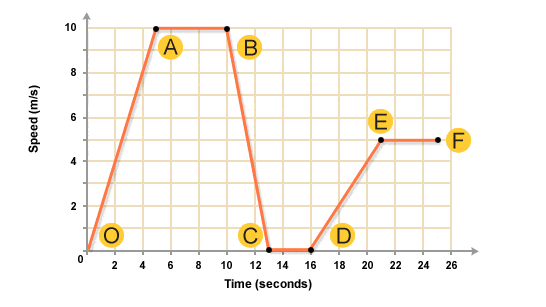
According to the graph how far does the person travel in the first 5 seconds?
a)
2 m
b)
10 m
c)
0 m
d)
5 m
50.
What is the person doing from 5 seconds to 10 seconds?
a)
Walking 
b)
Running
c)
Standing Still 
d)
Walking Fast
51.
What is velocity?
a)
the quickness of an object
b)
the location of an object
c)
acceleration
d)
speed in a specific direction
52.
What is happening in this graph from point A to B?
a)
The object is accelerating.
b)
The object is not moving.
c)
The object is decelerating.
d)
The object is moving at a constant speed.
53.
A magician pulls a tablecloth out from under dishes and glasses on a table without disturbing them.
a)
Newton's 1st Law
b)
Newton's 2nd Law
c)
Newton's 3rd Law
54.
Pushing a child on a swing is easier than pushing an adult on the same swing, because the adult has more mass and requires more force to accelerate.
a)
Newton's 1st Law
b)
Newton's 2nd Law
c)
Newton's 3rd Law
55.
This person bought coffee and put it on the seat next to them. If they stopped quickly and the coffee spilled which law would that represent?
a)
Newton's 1st Law
b)
Newton's 2nd Law
c)
Newton's 3rd Law
56.
When you step on a Lego. You push on the Lego and the Lego pushes back on you.
a)
Newton's 1st Law
b)
Newton's 2nd Law
c)
Newton's 3rd Law
57.

When an unbalanced force acts on an object, the force ______________________.

a)

changes the motion of the object

b)

is cancelled by another force

c)

does not change the motion of an object

d)

is equal to the weight of the object

58.

According to Newton’s second law of motion, force is equal to mass times ______________________.

a)

inertia

b)

weight

c)

acceleration

d)

direction

59.

The picture is an example of Newton's...

a)

1st Law

b)

2nd Law

c)

3rd Law

60.

The picture is an example of Newton's...

a)

1st Law

b)

2nd Law

c)

3rd Law

61.
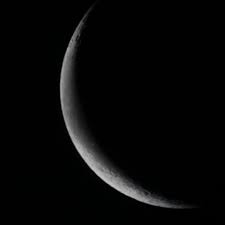
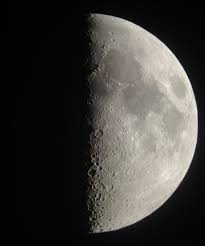
What Moon phase is this?
a)
Old Moon
b)
Far Side of the Moon
c)
New Moon
d)
Waxing Gibbous
62.
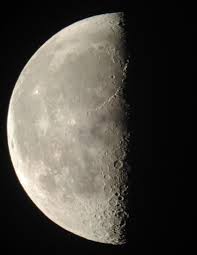
What Moon phase is this?
a)
Waning Crescent
b)
Waxing Crescent
c)
Waxing Gibbous
d)
Waning Gibbous
63.
What Moon phase is this?
a)
Full Moon
b)
Waxing Gibbous
c)
New Moon
d)
Half Moon
64.
What Moon phase is this?
a)
Waxing Crescent
b)
Waning Gibbous
c)
Waning Crescent
d)
Waxing Gibbous
65.
What Moon phase is this?
a)
Waxing Gibbous
b)
Waning Crescent
c)
Waning Gibbous
d)
Full Moon
66.
Name the moon phase
a)
waning crescent
b)
waxing crescent
c)
waning gibbous
d)
waxing gibbous
67.
Name the moon phase
a)
First Quarter
b)
Last Quarter
c)
New Moon
d)
Full Moon
68.
Name the moon phase
a)
First Quarter
b)
Last (3rd) Quarter
c)
New Moon
d)
Full Moon
69.
How long does it take the moon to make one complete orbit around the Earth?
a)
One month
b)
One year
c)
About 28 days
d)
About 14 days
70.
What does "Waxing" mean?
a)
Appears like the moon is getting larger
b)
Appears like the moon is getting smaller
71.

What can you logically conclude about the relationship between full moons and lunar eclipses?

a)

A lunar eclipse never occurs during a full moon.

b)

A lunar eclipse occurs during all full moons.

c)

A lunar eclipse can only occur during a full moon.

d)

A lunar eclipse is the same thing as a full moon.

72.
Which lunar phase is occurring at Q
a)
Waning gibbous
b)
Waxing gibbous
73.
Which lunar phase is occurring at S?
a)
New Moon
b)
Full Moon
74.
Which lunar phase will complete the pattern?
a)
Last quarter
b)
New moon
75.
Which lunar phase is visible when the moon is in this position?
a)
New moon
b)
Full moon
76.
The distance that light travels in one year...
a)
Light year
b)
Quantumyear
c)
Stellar-year
d)
1 million kilometers
77.
In the diagram given, what happens as we move to the left?
a)
Stars Get Larger
b)
Stars get Colder
c)
Stars get hotter
78.
Which star is the coldest?
a)
Yellow Star
b)
Red Star
c)
Orange Star
d)
Blue Star
79.
Compared to the rest of the stars, our sun is considered...
a)
Extremely Large and Cold
b)
Small with a medium temperature
c)
Medium size with medium temperature
80.
The category that contains the most stars is...
a)
Main Sequence
b)
Supergiants
c)
Giants
81.
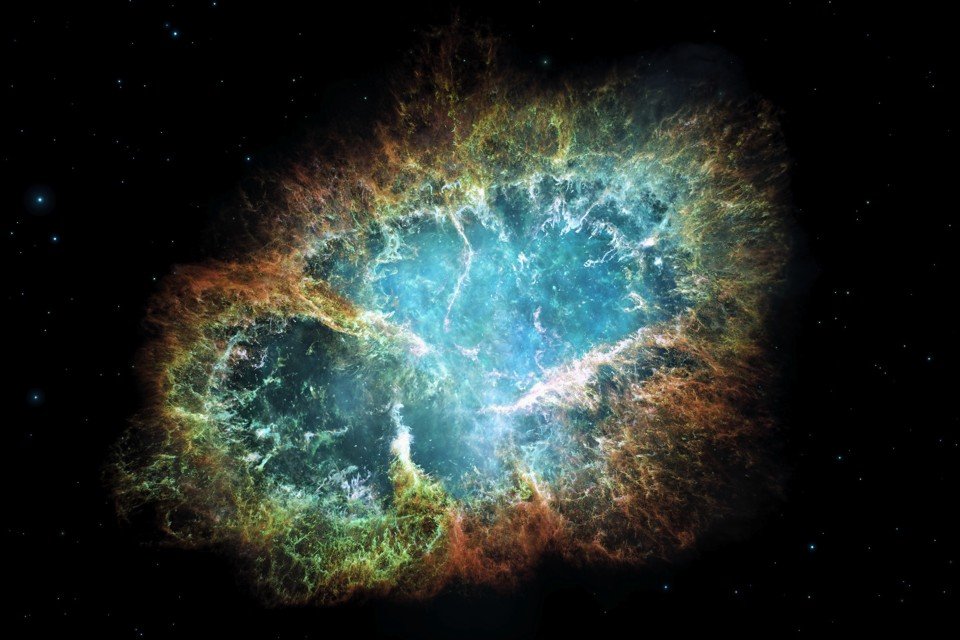
All stars begin as a __________?
a)
giant
b)
black hole
c)
white dwarf
d)
nebula
82.
Stars are formed in a large cloud of gas and dust called a
a)
cumulonimbus cloud
b)
nebula
c)
neutron star
d)
black hole
83.
What is the name of the explosion at the death of a massive star?
a)
Supergiant
b)
Supernova
c)
Black Hole
d)
Nebula
84.
What are stars?
a)
Rocky bodies
b)
Hot exploding balls of gas
c)
5 pointed shapes
d)
Hollywood actors
85.
Jack has a rock. The rock has a mass of 14g and a volume of 2cm3. What is the density of the rock?
a)
7 mL
b)
7 g/cm3
c)
28 g/cm3
d)
1/7 g/cm3
86.
Frank has an eraser. It has a mass of 4g, and a volume of 2cm3. What is its density?
a)
8 g/cm3
b)
2 g/cm3
c)
1/2 g/cm3
d)
24 g/cm3
87.
__________ is stored energy. 
a)
Potential
b)
Kinetic
c)
None of the above 
d)
All of the above 
88.
Gravitational potential energy depends on the ________ and ________ of the object. 
a)
Height and mass
b)
Friction and movement
c)
Mass and Movement
d)
Height and Friction 
89.
Energy due to motion is ____________ energy. 
a)
Potential 
b)
Energy
c)
Kinetic
d)
Friction
90.
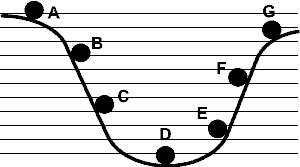
Which point has the greatest potential energy (GPE)?
a)
A
b)
G
c)
D
d)
C
91.
How could you change the height of an object to increase GPE (gravitational potential energy)?
a)
Make the object larger
b)
Lower the object towards the ground
c)
Raise the object farther off the ground
d)
Make the object smaller
92.
Which of the following energy transformations occur when a lamp that is plugged into a wall socket is functioning correctly?
a)
Chemical to light
b)
Electrical to chemical
c)
Electrical to light
d)
Chemical to electrical
93.
Which of the following shows an energy transformation from chemical energy to electrical to light energy?
a)
A bolt of lightning lights the night sky.
b)
A candle glows brightly in the dark.
c)
A fire in a fireplace lights up a room.
d)
A battery causes a flashlight to shine.