
 Worksheets
Water Cycle
Total questions: 87
Worksheet time: 4hrs 30mins
Name
Class
Date
1.
This weather tool measures wind speed
a)
thermometer
b)
barometer
c)
anemometer
d)
psychrometer
2.
Which weather tool measures air pressure?
a)
thermometer
b)
barometer
c)
anemometer
d)
psychrometer
3.
What is the most abundant gas found in the atmosphere?
a)
Carbon Dioxide
b)
Nitrogen
c)
Oxygen
d)
Water Vapor
4.
Humidity is the...
a)
Amount of Water Vapor in the Air
b)
Amount of Wind in the Air
c)
Amount of Precipitation in the Air
d)
Amount of Pressure in the Air
5.
________________ are made of water vapor that condenses in the troposphere.
a)
dew
b)
clouds
c)
evaporation
d)
transpiration
6.
__________ a two-thermometer instrument slung around a rod or pole that is also referred to as a wet dry bulb used to measure relative humidity.
a)
thermometer
b)
barometer
c)
sling psychrometer
d)
anemometer
7.
Warm air near the Earth’s surface rises and then cools and drops, this creates a _________________ in the atmosphere.
a)
run-off
b)
Greenhouse Effect
c)
convection current
d)
water cylce
8.
Because the earth is spinning on its axis, the global winds appear to curve. This is known as the __________ ________.
a)
Coriolis Effect
b)
Greenhouse Effect
c)
Climate Effect
d)
Atmosphere Effect
9.
Where does a hurricane form?
a)
Over a cold body of water
b)
Over a warm body of water
c)
Over cold land
d)
Over warm land
10.
What kind of weather is usually associated with a low pressure system?
a)
Sunny weather
b)
Precipitation (rain, snow, etc.)
11.
What kind of weather is usually associated with a high pressure system?
a)
Sunny weather
b)
Precipitation (rain, snow, etc.)
12.
In what direction do winds always blow?
a)
From areas of high pressure to areas of low pressure
b)
From areas of low pressure to areas of high pressure
13.
What layer does weather occur in?
a)
mesosphere
b)
troposphere
c)
thermosphere
d)
stratosphere
14.
Where is the ozone layer located?
a)
Thermosphere
b)
Troposphere
c)
Stratosphere
d)
Mesosphere
15.
The blanket of gases that surrounds the Earth
a)
Lithosphere
b)
Atmosphere
c)
Hydrosphere
d)
Green House Effect
16.

What type of cloud looks like cotton and is in the lower altitudes?
a)
Cumulus
b)
Stratus
c)
Cirrus
17.
Rain, snow, sleet, and hail are all forms of _____.
a)
precipitation
b)
condensation
c)
evaporation
d)
climate
18.

A(n) _____ is a large body of air that has properties similar to the part of Earth's surface over which it depends.
a)
tornado
b)
pressure system
c)
front
d)
air mass
19.
There are three forms of precipitation: rain, snow and sleet.
a)
True
b)
False
20.
what kind of pressure predicts good weather?
a)
high
b)
low
c)
cold
d)
stationary
21.

What part of the illustration shows Evaporation?
a)
1
b)
2
c)
3
d)
4
22.

Which number illustrates Condensation?
a)
1
b)
2
c)
3
d)
4
23.
What role do oceans play in hurricane formation?
a)
they provide cool, dense water
b)
warm water supplies energy to hurricanes
c)
warm ocean water slows hurricane formation
d)
cold ocean water supplies energy to hurricanes
24.
Mark looks at the clouds in the sky and decides that he does not need to
take his umbrella with him today. Which clouds did Mark most likely see
in the sky?
take his umbrella with him today. Which clouds did Mark most likely see
in the sky?
a)
cirrus
b)
nimbostratus
c)
cumulonimbus
25.
Which type of cloud is most often observed during a thunderstorm?
a)
cirrus
b)
stratus
c)
cumulus
d)
cumulonimbus
26.
Hot air (RISES / FALLS) __________.
a)
RISES
b)
FALLS
27.
Cold air (RISES/ FALLS) _________.
a)
RISES
b)
FALLS
28.

This weather instrument is a...
a)
anemometer
b)
Christmas ornament
c)
wind vane
d)
barometer
29.

What does this tool measure?
a)
Wind speed
b)
Wind direction
c)
Air pressure
d)
Temperature
30.

This weather instrument is a...
a)
thermometer
b)
wind vane
c)
anemometer
d)
rain gauge
31.

This weather instrument is a...
a)
anemometer
b)
barometer
c)
wind vane
d)
thermometer
32.

What is the name of this tool?
a)
Barometer
b)
Hygrometer
c)
Rain Gauge
d)
Thermometer
33.
A rain gauge measures what?
a)
Air pressure
b)
Wind speed
wind speed
wind speed
c)
Amount of rain fall
d)
Wind direction
34.

This wind vane is pointing East. From which direction is the wind blowing?
a)
from the north
b)
from the south
c)
from the east
d)
from the west
35.

This weather instrument is an...
a)
wind vane
b)
anemometer
c)
barometer
d)
thermometer
36.
The weather forecast tomorrow says there will be a 15 mph northeast wind and a high temperature of 52 degrees. What three instruments will a meteorologist use to make this prediction?
a)
anemometer, wind vane, thermometer
b)
barometer, hygrometer, wind vane
c)
thermometer, satellite image, hygrometer
d)
wind vane, satellite image, barometer
37.
Temperature is measured in...
a)
degrees
b)
inches
c)
centimeters
d)
feet
38.

Precipitation happens when clouds of water droplets are too ______________.
a)
cold
b)
light
c)
heavy
d)
hot
39.

Does evaporation happen before or after condensation?
a)
before
b)
after
c)
during
40.
What is the weather conditions in an area over a long period of time?
a)
climate
b)
temperature
c)
elevation
d)
precipitation
41.
____ is a low ground level cloud
a)
mist
b)
fog
c)
rain
d)
sunshine
42.
Changes from minute-to-minute, hour-to-hour, day-to-day
a)
Climate
b)
Weather
43.
Texas has long, hot summers.
a)
Climate
b)
Weather
44.
A tornado warning was issued for Kansas City this morning.
a)
Climate
b)
Weather
45.
Meteorologists forecast this.
a)
Climate
b)
Weather
46.
What is climate?
a)
What's going on with the atmosphere at any particular time
b)
The type of weather that occurs during a particular season
c)
An area's pattern of weather over a long period of time
d)
How much sunshine an area gets
47.
_____________ has the same temperature and moisture content throughout.
a)
convection current
b)
front
c)
air mass
48.
Which term describes a circulation of air or water that is caused by uneven heating?
a)
convection current
b)
conduction current
c)
radiation current
d)
emission current
49.
Which statement describe parts of the water cycle and how clouds form? 1. Water evaporates from the earth's surface as it changes from a liquid to a gas. 2. Water vapor rises with rising, warm air. 3. At higher altitudes, where temperatures are cool, vapor (along with dust particles) condenses into drops of water that form clouds. 4. Low-pressure conditions also help clouds form.
a)
1 and 2
b)
1, 2, 4
c)
1 and 3
d)
all of the above
50.
The ozone is in the stratosphere layer of the atmosphere. The purpose of the ozone is
a)
To generate heat for the earth
b)
To protect earth from the harmful solar radiation
c)
To produce weather
d)
To allow satellites to circle the earth
51.
The ozone is in the stratosphere layer of the atmosphere. The purpose of the ozone is
a)
To generate heat for the earth
b)
To protect earth from the harmful solar radiation
c)
To produce weather
d)
To allow satellites to circle the earth
52.
Which of the following are used to study and forecast most weather-related events?
a)
Doppler radar
b)
satellites and satellite images
c)
weather maps
d)
all of the above
53.

Which statement best describes the difference between weather and climate?
a)
Weather is the conditions when you look outside while climate is the conditions you can expect for the next 6 months.
b)
Climate is the current condition outside while weather is what you can expect for the next 6 months.
54.
Rain, sleet, hail, and freezing rain are all...
a)
precipitation
b)
condensation
c)
evaporation
d)
perspiration
55.
What is the water cycle?
a)
the 3 forms of water
b)
the movement of water on, above, or below the surface of the Earth
c)
when water melts
d)
when clouds form
56.

What part of the water cycle does this picture show?
a)
condensation
b)
precipitation
c)
evaporation
57.
Which of these is an example of precipitation?
a)
snow
b)
air
c)
clouds
d)
vapor
58.
Which is the opposite of condensation?
a)
runoff
b)
evaporation
c)
precipitation
d)
transpiration
59.
Which best explains why runoff is important?
a)
It returns water to other locations on Earth
b)
It increases the chance of flooding
c)
It makes evaporation occur faster
d)
It increases condensation
60.

What is it called when WATER is FORMED from an LIQUID to a WATER VAPOR Oor an [GAS]?
a)
EVAPORATION
b)
PRECIPITATION
c)
TRANSPIRATION
61.

What is the next stage after EVAPORATION in the water cycle?
a)
CONDENSTATION
b)
GROUNDWATER
62.

What does groundwater do?
a)
It sends water to our buildings, houses, and water transplant places
b)
to the sky
c)
to the sun
d)
To the Earth's surfaces
63.

After the rain falls down onto Earth's surface, what most likely happens? What is it called?
a)
1. The remains of the water is soaked into the ground.
2.Groundwater
2.Groundwater
b)
1. Groundwater
2. The remains of the water is soaked into the ground.
2. The remains of the water is soaked into the ground.
c)
1. Groundwater
2. Transpiration happens to the plants.
2. Transpiration happens to the plants.
d)
1. The liquid turns into an gas or an water vapor
2. Evaporation
2. Evaporation
64.
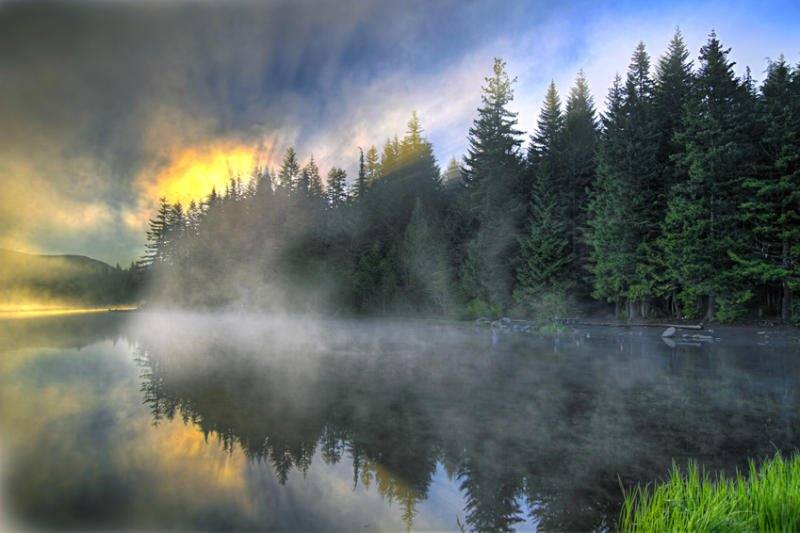
What happens after groundwater at the very end/beginning of the water cycle?
a)
Evaporation
b)
Transpiration
c)
Condensation
d)
Groundwater
65.
What follows evaporation during the water cycle? How does this occur?
a)
Water evaporates into water vapor
b)
Water vapor condenses and forms a cloud
c)
Water precipitates to the ground
d)
Water runs down into the hydrosphere
66.

What is it called when plants give off water vapor as a waste product?
a)
condensation
b)
evaporation
c)
sublimation
d)
transpiration
67.
When water _________, dew forms.
a)
Melts
b)
Evaporates
c)
Condenses
d)
Precipitates
68.
What is the energy source for the water cycle?
a)
the sun
b)
the earth
c)
water
d)
the moon
69.
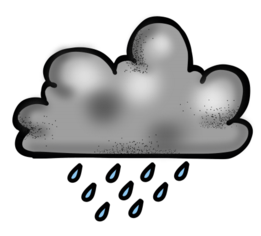
What part of the water cycle does this picture show?
a)
condensation
b)
precipitation
c)
evaporation
70.
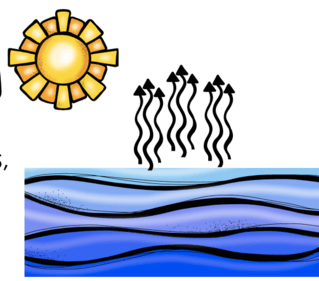
What part of the water cycle does this picture show?
a)
condensation
b)
precipitation
c)
evaporation
71.
What is evaporation?
a)
The part of the water cycle when the sun heats up water, turning it from a liquid into water vapor or steam. It rises from the ground into the air.
b)
The part of the water cycle when the water vapor in the air gets cold. The water turns back into a liquid and forms clouds.
c)
The part of the water cycle when clouds get heavy and can no longer hold the liquid water. This causes the water to fall from the sky to the earth as rain, snow, sleet, or hail.
72.
What is condensation?
a)
The part of the water cycle when the sun heats up water, turning it from a liquid into water vapor or steam. It rises from the ground into the air.
b)
The part of the water cycle when the water vapor in the air gets cold. The water turns back into a liquid and forms clouds.
c)
The part of the water cycle when clouds get heavy and can no longer hold the liquid water. This causes the water to fall from the sky to the earth as rain, snow, sleet, or hail.
73.
What is precipitation?
a)
The part of the water cycle when the sun heats up water, turning it from a liquid into water vapor or steam. It rises from the ground into the air.
b)
The part of the water cycle when the water vapor in the air gets cold. The water turns back into a liquid and forms clouds.
c)
The part of the water cycle when clouds get heavy and can no longer hold the liquid water. This causes the water to fall from the sky to the earth as rain, snow, sleet, or hail.
74.

When water condenses, the water vapor in the air gets ___________ and changes back into liquid.
a)
cold
b)
hot
c)
warm
d)
solid
75.
When water condenses, the liquid water forms ______________.
a)
water vapor
b)
steam
c)
air
d)
clouds
76.
Precipitation happens when clouds of water droplets are too ______________.
a)
cold
b)
light
c)
heavy
d)
hot
77.
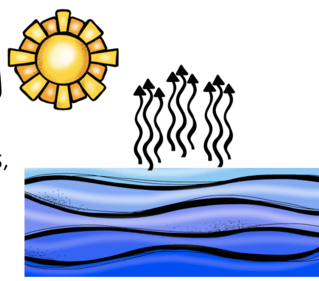
Evaporation happens when the sun ___________ water and turns it into vapor.
a)
cools
b)
heats up
c)
freezes
d)
lights up
78.
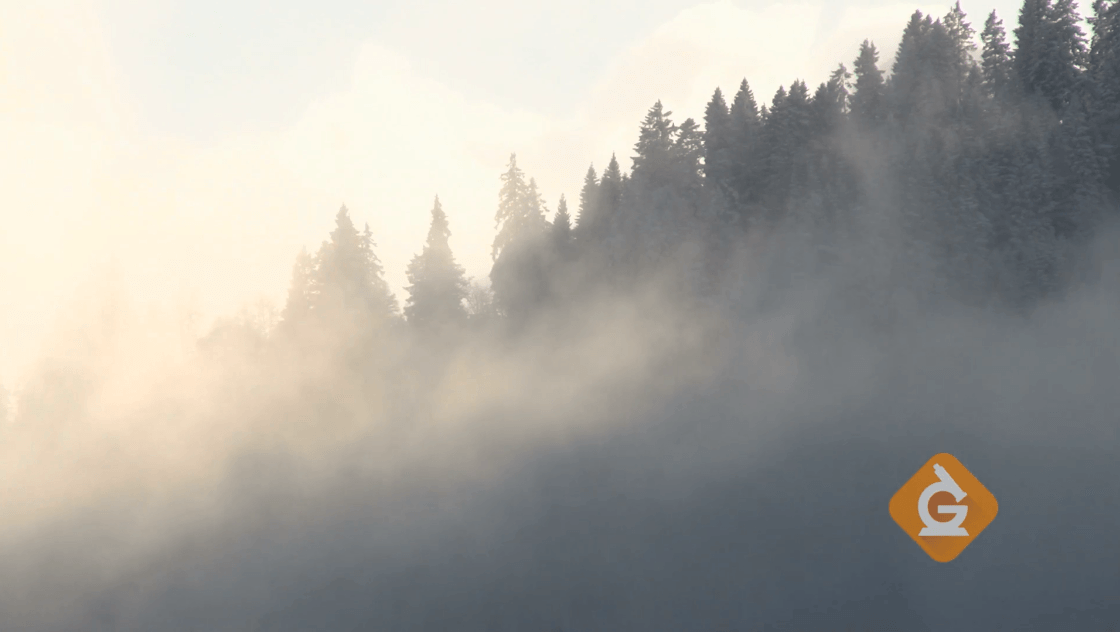
Water vapor is water in which form?
a)
liquid
b)
gas
c)
solid
d)
tiny droplets
79.
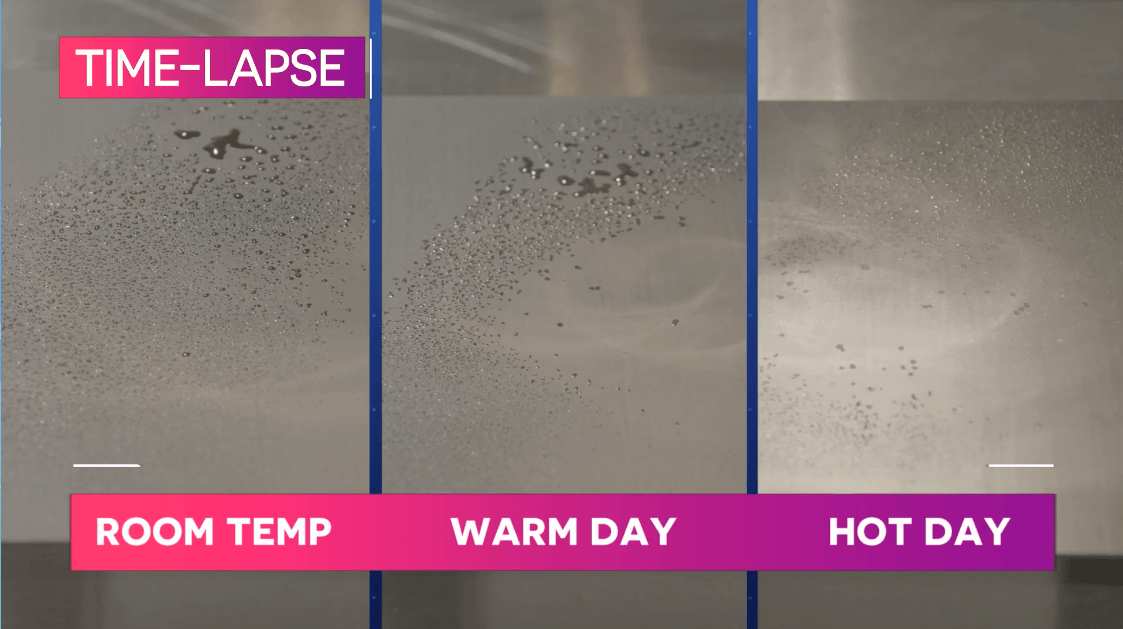
When does water evaporate fastest?
a)
at room temperature
b)
on a warm day
c)
on a hot day
d)
on a cold day
80.
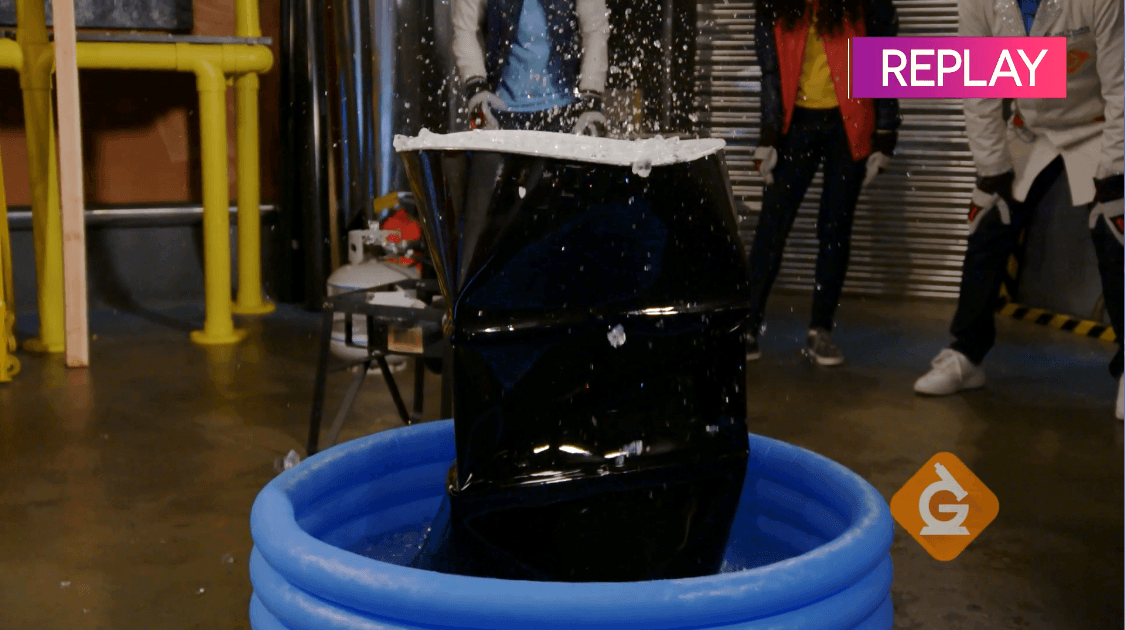
What crushed the barrel?
a)
water changing from gas to liquid
b)
water freezing
c)
water changing from liquid to gas
d)
water boiling
81.
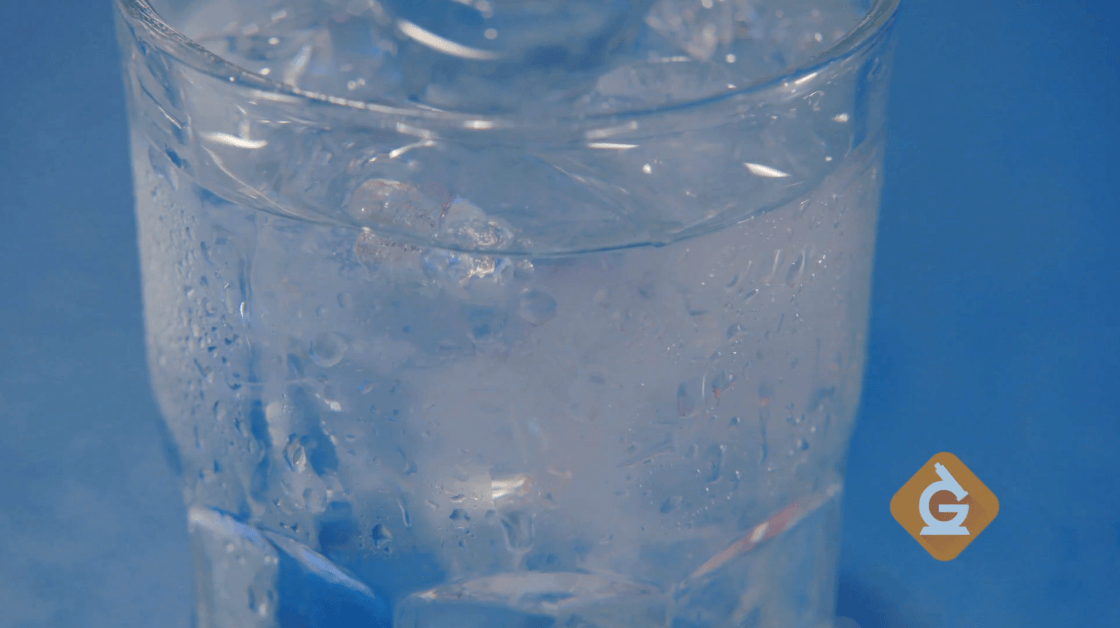
What is it called when a gas turns into a liquid?
a)
evaporation
b)
freezing
c)
boiling
d)
condensation
82.
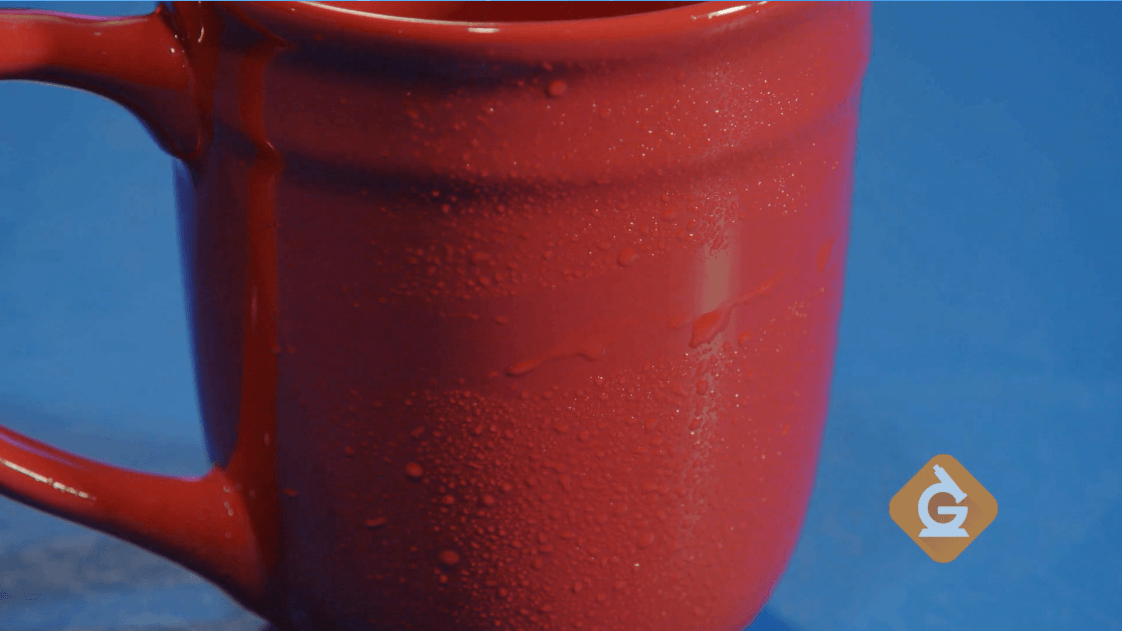
Where did the water droplets on this cold mug come from?
a)
dishwasher
b)
water inside mug
c)
water vapor in the air
d)
refrigerator
83.
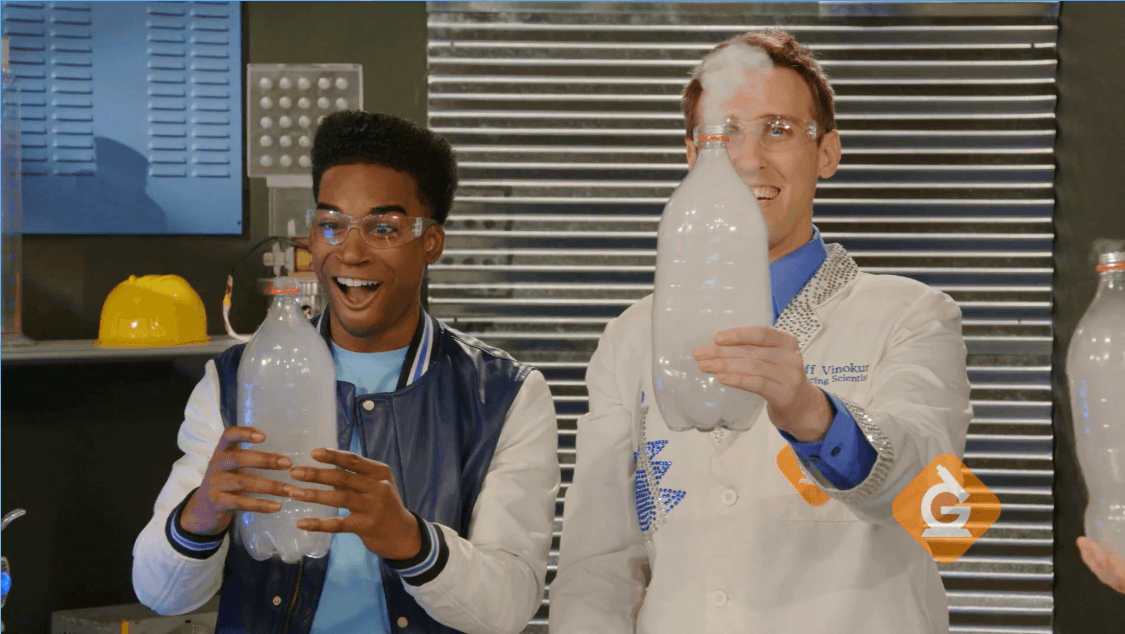
What are clouds made out of?
a)
water in gas form
b)
tiny water droplets
c)
steam
d)
ice crystals
84.
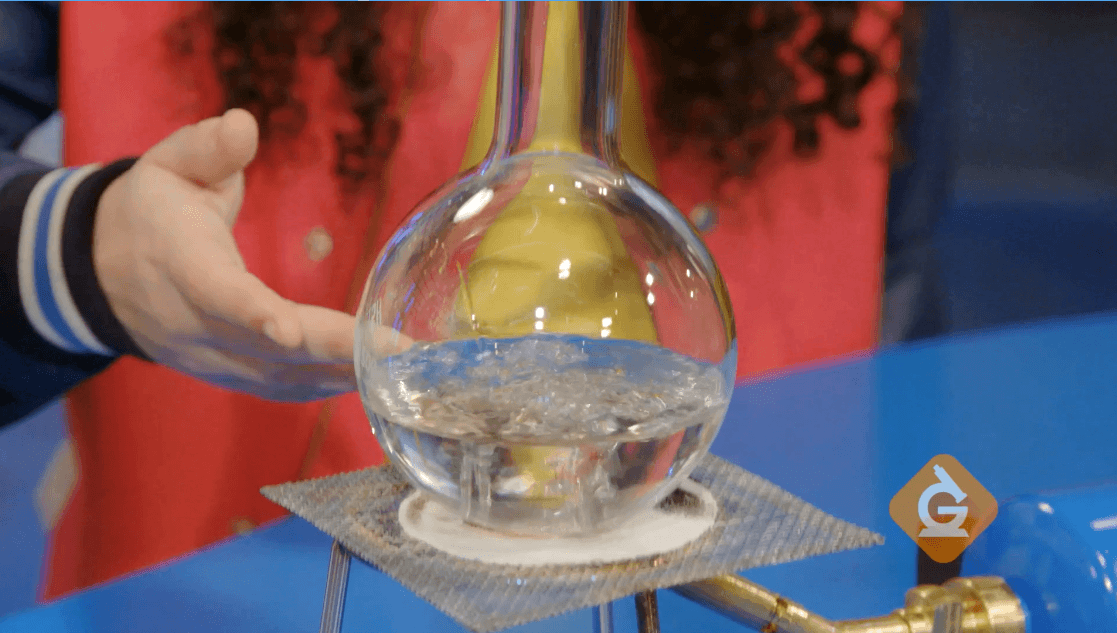
When water forms water vapor, what process is happening?
a)
evaporation
b)
condensation
c)
freezing
d)
melting
85.
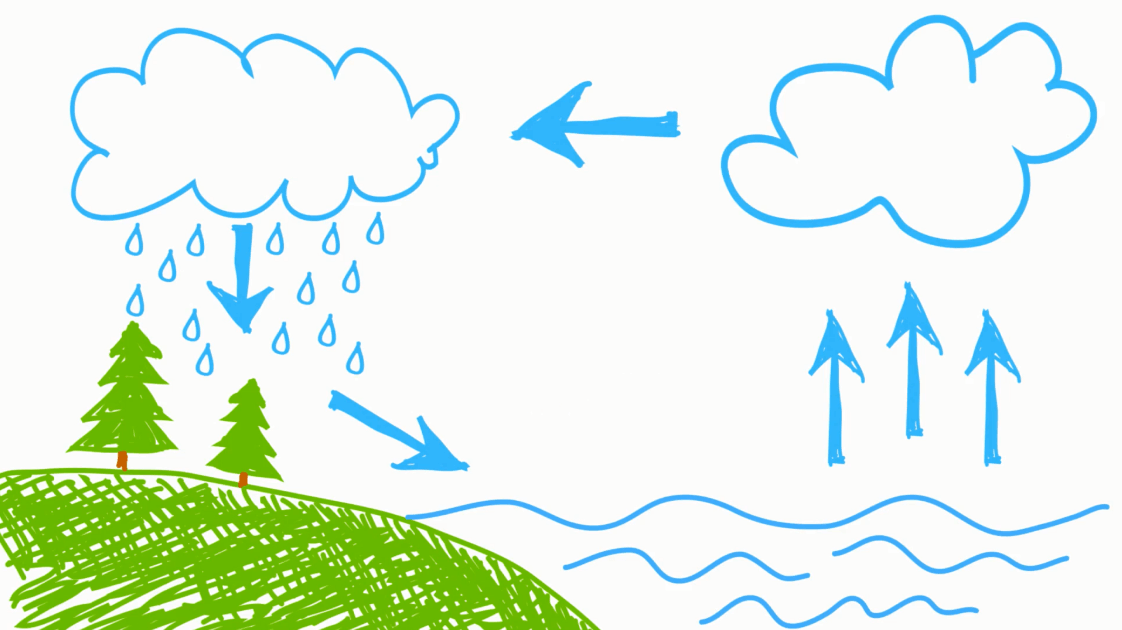
How old is most of the water we drink today?
a)
thousands of years
b)
millions of years
c)
a few months
d)
a few weeks
86.

What do you call water vapor that has condensed onto grass?
a)
rain
b)
fog
c)
sap
d)
dew
87.
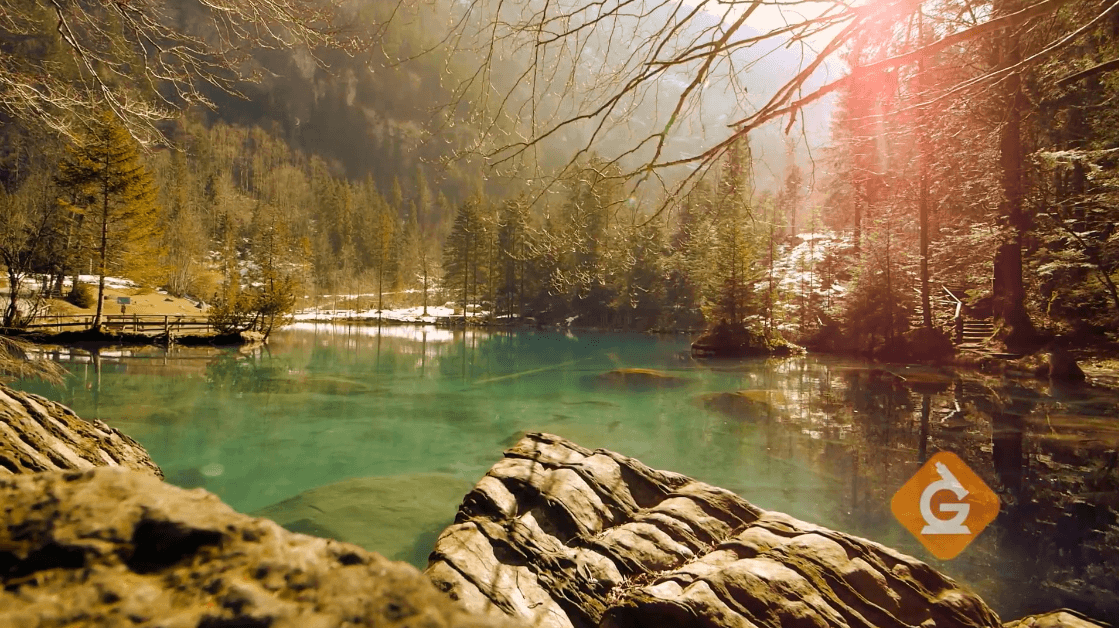
What is the constant motion of water condensing and evaporating all around us called?
a)
aquatic cycle
b)
water migration
c)
distillation apparatus
d)
water cycle
100 %

