
 Worksheets
CHEMISTRY-FINAL EXAM
Total questions: 70
Worksheet time: 35mins
The molar volume of a gas at STP occupies _____________.
22.4 L
0˚C
1 kiloPascal
12 grams
If 2.00 L of a gas in a container at room temperature exerts a pressure of 4.00 atm. If the pressure doubles and the temperature remains the same, the volume would become ________.
16.0 L
2.00 L
4.00 L
1.00 L
If 7.00 grams of nitrogen gas are contained in a 5.00 L flask at 4.62 kPa. What is the temperature of the gas?
11.1 K
1.00 K
4.12 K
9.07 K
What are the coefficients that will balance the skeleton equation below?
AlCl3 + NaOH → Al(OH)3 + NaCl
1,3,1,3
3,1,3,1
1,1,1,3
1,3,3,1
A sample of gas occupies 52.0 mL at 20℃ and 1.00 atm. What volume will it occupy at 40℃ and 1.00 atm?
62.4 mL
44.8 mL
55.5 mL
48.7 mL
What is the name of H2SO4?
hyposulfuric acid
hydrosulfuric acid
sulfuric acid
sulfurous acid
The periodic table is organized by the
atomic numbers
alphabetical order
densities
melting points
What is the oxidation number for Carbon?
+4 and -4
-3
+1


The substance in the beaker
A __________________ chemical equation shows that the same number of atoms in the reactants are also in the product.
____ percent of the earth is water, ______ percent of the earth has land for agriculture?
80,10
75,10
15, 75
none of the above
soil is defined as what?
anything that looks like dirt
decayed organic matter only
natural materials that can support plant growth
mixture of grains and decayed matter
If I want to characterize soil, I can use refractive index.
true
false
I look at a topographic map to see what?
a road map with all major and minor roads
soil composition in the area
ocean locations
geographic features of an area
We analyze soil evidence by looking at?
physical properties
chemical properties
mineralogy
all of the above
Which of these would increase the probative value of soil?
rocks
rare or unusual minerals
fossils
all of the above
What makes sand different than other components of soil?
color
particle size
refractive index
density


Soil acidity is measured in
% organic matter
pH
salinity
% nitrogen
Why is it important to know your soil's pH?
It affects the availability of different nutrients.
It changes with soil temperature.
It affects water holding capacity of the soil.
It is impossible to alter.
It affects the soil texture.
You cannot use any fertilizer in an organic garden.
True
False
What is 1 thing you cannot learn from a soil test?
The presence of disease-causing organisms in the soil
The pH of the soil
The % of organic matter in the soil
The level of phosphorus in the soil
The estimated texture of the soil

What is the percentage of nitrogen in this fertilizer?
4%
6%
3%
Not enough information
Which 2 would be the best choices for growing plants in containers? (Organic doesn't matter here.)


What is the soil component that has tiny, flat particles and often contributes to compaction and poor drainage?
Sand
Clay
Silt
Organic matter
What does N-P-K stand for? In the right order.
Nitrogen-Phosphorus-Potassium
Nitrogen-Potassium-Phosphorus
Nice-Plants-Kid
Nitrate-Porosity-Krypton
Iron, copper, and zinc are all examples of...
Fertilizers
Micronutrients
Organic matter
Macronutrients
Microorganisms
Soil is formed by the breaking down of rocks by the action of wind, water and climate. This process is called
Humification
Weathering
Soil erosion
None of the above

What colour precipitate do chloride ions produce?
White
Cream
Yellow
Green


This symbol represents
dangerously reactive material
flammable and combustible material
materials causing toxic effects
biohazardous material

Flammable materials, like alcohol, should never be dispensed near
an open door
an open flame
another student
a sink

Why would you wear goggles in the lab?
to prevent eye strain
to improve your vision
for protection from UV rays
for protection from chemicals, heat, or glassware

After completing an experiment, all chemical wastes should be
left at your lab station for the next class
disposed of according to your instructor's directions
dumped in the sink
taken home

If a lab experiment is not completed, you should
discuss options with your instructor
keep working after the bell to finish up
sneak in after school and work alone
come in during lunch and work while finishing your lunch

You are heating a substance in a test tube. Always point the open end of the tube
toward yourself
toward your lab partner
toward another classmate
away from all people

When you heat a piece of glass and need to pick it up, you should
use a rag or paper towels
pick up the end that looks cooler
use tongs
pour cold water on it

The first thing you should do if you get injured in the lab is
tell the instructor immediately
see a doctor after school
visit the school nurse after class
apply first aid yourself

Personal eyeglasses provide as much protection in a lab as
a face shield
safety glasses
splashproof chemical goggles
sunglasses

Which of the following should not be worn in the lab?
closed toe shoes, hair ties
watches, short sleeved shirts
loose clothing, dangling jewelry
long pants, boots

If an acid is splashed on your skin, wash at once with
soap
oil
another, weaker acid
plenty of water

True or false: Hot glass looks the same as cold glass
true
false

You are allowed to enter the chemical storage area any time you need to get an item
true
false

True or false: Unfamiliar chemicals can be considered safe unless the instructor tells you otherwise
true
false
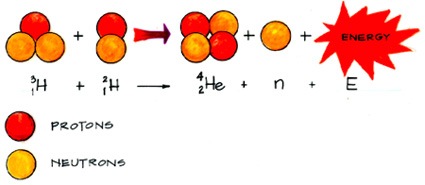


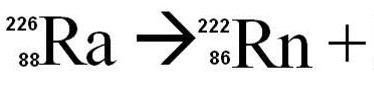
Complete the nuclear equation and determine the type of decay that is occurring in this reaction.
alpha
beta
gamma
none

