wayground logo

Free Printable Worksheets

Font size

S
M
L
XL
Worksheets

Ch8&Ch9 Revision

Total questions: 52

Worksheet time: 38mins

Name
Class
Date
1.
What is the name for an organism that can produce its own food?
a)
heterotroph
b)
autotroph
c)
amoeba
d)
eukaryotic
2.
What is the name of an organism that cannot produce its own food and must get it from another source?
a)
prokaryotic
b)
eukaryotic
c)
autotroph
d)
heterotroph
3.
Which of the following is true ALL organisms in the protist kingdom?
a)
They are multicellular
b)
They live in moist environments
c)
They move using cilia
d)
They move using flagella
4.
What is the name of the structure shown in the model?
a)
cilia
b)
flagella
c)
amoeba
d)
pseudopod 
5.
Fine hairs that allow protist to move is called what? 
a)
Pseudopods 
b)
Euglena 
c)
Flagella 
d)
Cilia 
6.
long and thin , tail-like appendage used by cell for movement
a)
Cilia
b)
Pseudopodia
c)
Flagella
7.
What does it mean when a protist is autotrophic?
a)
It can make its own food through photosynthesis.
b)
It depends on other organisms for food.
c)
It must absorb other organisms for energy.
d)
It is a predator and hunts other organisms for food
8.
Which type of protist is shown in the picture?
a)
euglena
b)
paramecium
c)
amoeba
d)
eukaryotic
9.
Which type of protist is shown in the picture?
a)
euglena
b)
paramecium
c)
amoeba
d)
prokaryotic
10.
Which type of protist is shown in the picture?
a)
euglena
b)
paramecium
c)
amoeba
d)
autotroph
11.
What is the name for an organism that can produce its own food?
a)
heterotroph
b)
autotroph
c)
amoeba
d)
eukaryotic
12.
How are protists different than bacteria?
a)
Protists are eukaryotic and bacteria are prokaryotic
b)
Protists are prokaryotic and bacteria are eukaryotic
c)
There is no difference; protists and bacteria are the same thing
d)
Protists are always unicellular and bacteria are always multicellular
13.
Fission, budding, and regeneration are all examples of what kind of reproduction? 
a)
Asexual Reproduction 
b)
Sexual Reproduction 
14.
Conjugation is what type of reproduction?  
a)
Sexual Reproduction 
b)
Asexual Reproduction 
15.

Protists are ______________________________.

a)

unicellular

b)

multicellular

c)

either unicellular or multicellular

16.
Fungi produce spores in
a)
Hyphae
b)
Orange peels
c)
Fruiting bodies
d)
Sigotrophs
17.
Most fungi are eukaryotes.
a)
True
b)
Fales
18.
The best environment for fungi is...
a)
Cool and damp
b)
Warm and dry
c)
Cool and dry
d)
Warm and moist
19.
Fungi obtain water and nutrients through hyphae.  What are hyphae?
a)
Hair-like structures to gather food in water environments
b)
Structures that help fungi to gather light.
c)
Structures that produce spores.
d)
Fibrous strands that will grow toward food or water.
20.
A collective mass of hyphae are referred to as ------------
a)
Parasitic
b)
Fruiting
c)
Mycelium
d)
Spores
21.
The reproductive cells of fungi are called:
a)
pollen
b)
seeds
c)
spores
d)
mold
22.
Mold is classified into which of the following kingdoms?
a)
plantae
b)
fungi
c)
protista
d)
bacteria
23.
Fungi were originally classified as plants but later they were classified separately.  Which of the following characteristics of fungi separates them from plants?
a)
They reproduce asexually.
b)
They are able to grow in dry conditions.
c)
They are unable to make their own food.
d)
They can move from one place to another.
24.
Fungi break down dead organisms, or waste products of living organisms, returning nutrients to the soil.  What role do fungi play in food webs?
a)
primary consumer
b)
producer
c)
secondary consumer
d)
decomposer
25.
All of the following are examples of fungi except one.  Which of the following is NOT a type of fungus?
a)
yeast
b)
mold
c)
mushroom
d)
algae
26.
__________ are fungi that that produce the gas that makes bread rise.
a)
Mushrooms
b)
Athletes' foot
c)
Blue Cheese
d)
Yeast
27.
An antibiotic made from a species of thread-like fungus.
a)
lichen
b)
mold
c)
penicillin
d)
asprin
28.
A fungus is an organism whose cells have
a)
a nuclei
b)
cell walls
c)
no chlorophyll
d)
A, B and C
29.
Fungi get their food by
a)
eating bugs
b)
absorbing sunlight
c)
releasing chemicals that breakdown organic matter and absorb the nutrients
d)
through animal waste and decaying wood
30.

What is the name for microorganisms that cause infectious disease?

a)

Molecules

b)

Pathogens

c)

Bacteria

d)

Bad stuff

31.

What are the 4 types of pathogens that could cause illness?

a)

animals, bacteria, fungi and plants

b)

bacteria, fungi, nucleus, parasite

c)

bacteria, fungi, viruses, parasite

d)

bacteria, plants, fungi, parasite

32.

Which of these are not in the fungi group?

a)

mushrooms

b)

mold

c)

yeast

d)

angiosperms

33.
Moves sugar from leaves to roots
a)
Xylem
b)
Phloem
34.
Xylem and Phloem are both __.
a)
Transpiration
b)
Absorption
c)
Photosynthesis
d)
Vascular tissue
35.
Root hairs help a plant
a)
transport food to the root
b)
absorb water and nutrients
c)
protect the root
d)
store food
36.

Seedless vascular plants reproduce by...

a)

Seeds

b)

Spores

c)

Pollen

d)

Rhyzoid

37.

Select all plant groups that are seedless vascular.

a)

mosses

b)

horsetails

c)

hornworts

d)

club mosses

e)

ferns

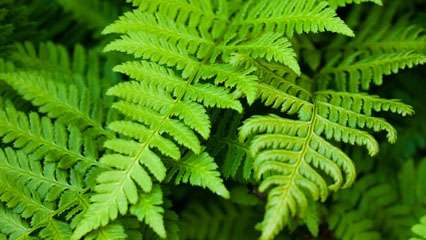
38.

This is a...

a)

fern

b)

liverwort

c)

hornwort

d)

club moss

e)

horsetail

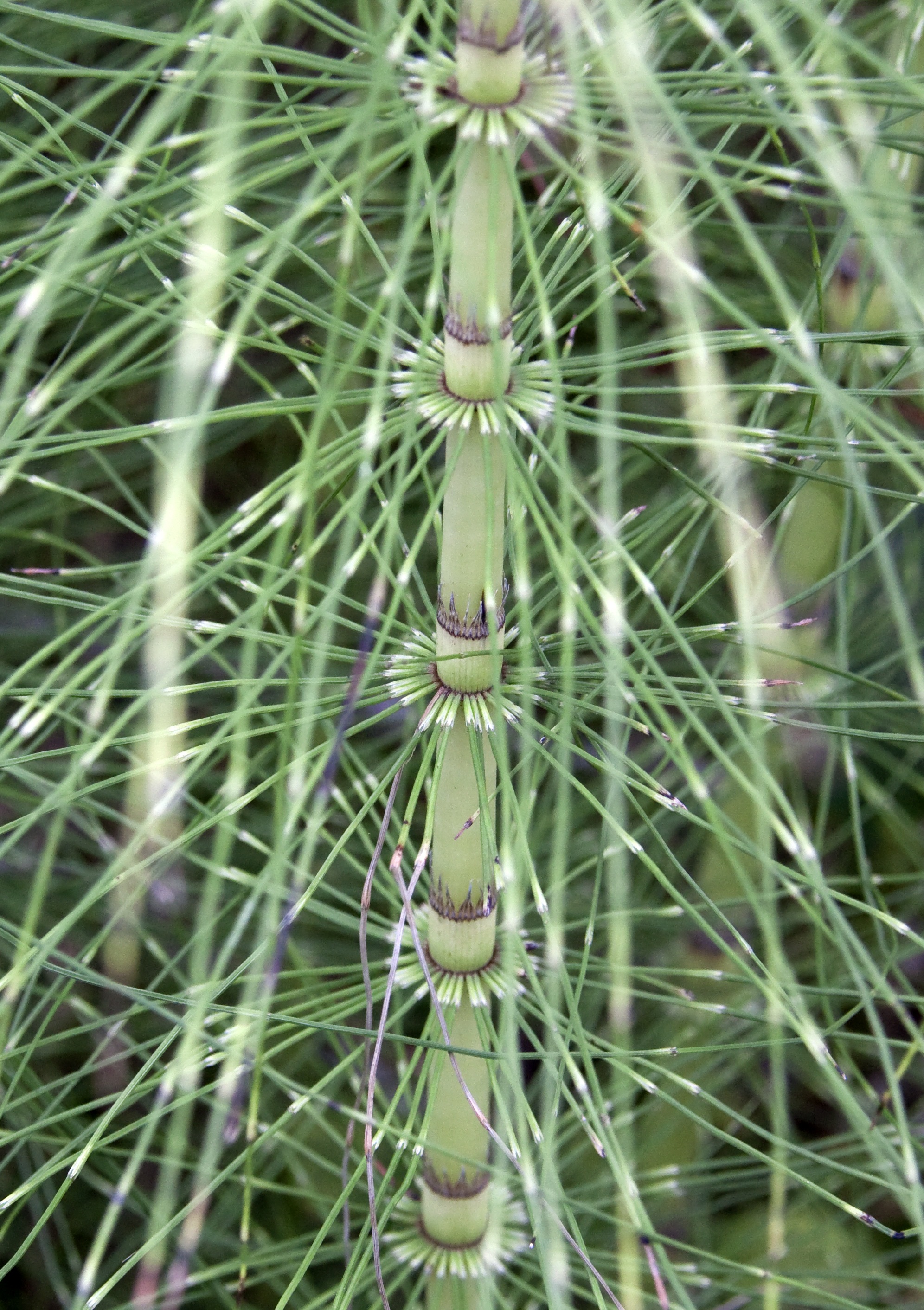
39.

This is a...

a)

fern

b)

liverwort

c)

hornwort

d)

club moss

e)

horsetail

40.

Why do seedless vascular plants need moist surroundings to survive?

a)

Because they transport materials slowly.

b)

Because they do not have real roots.

c)

Because they reproduce by spores.

d)

Because they do not have cuticle.

41.

Nonvascular and seedless vascular plants reproduce by...

a)

Seeds

b)

Spores

c)

Pollen

d)

Flowers

42.

This is a ...

a)

Nonvascular plant

b)

Vascular plant

43.

Plants that have tube-like tissues inside them to transport water and nutrients are called

a)

vascular plants`

b)

nonvascular plants

c)

rhizoids

d)

conifers

44.

Which of the following is true about non-vascular plants?

a)

These plants produce seeds.

b)

These plants usually live in areas that are always wet.

c)

These plants do not have true roots, stems or leaves.

d)

These plants do not have tubes or vessels.

45.

Which of the following is NOT a characteristic of seed plants?

a)

They have highly developed vascular tissue.

b)

They can only survive in moist environments.

c)

They use pollen to reproduce.

d)

They use seeds to reproduce.

e)

They have true roots, stems and leaves.

46.

Seed plants are classified into two groups: gymnosperms and angiosperms.

a)

True

b)

False

47.

The function of the leaves is to:

a)

absorb sunlight and make food (photosynthesis)

b)

absorb water and nutrients from the soil

c)

keep the plant upright and take water and nutrients to the rest of the plant

d)

produce seeds

48.

The function of the stem is to:

a)

absorb sunlight and make food (photosynthesis)

b)

absorb water and nutrients from the soil

c)

keep the plant upright and take water and nutrients to the rest of the plant

d)

produce seeds

49.

The function of the fruit is to:

a)

absorb sunlight and make food (photosynthesis)

b)

absorb water and nutrients from the soil

c)

keep the plant upright and take water and nutrients to the rest of the plant

d)

produce seeds

50.

The function of the root is to:

a)

absorb sunlight and make food (photosynthesis)

b)

absorb water and nutrients from the soil

c)

keep the plant upright and take water and nutrients to the rest of the plant

d)

produce seeds

51.

What is the function of cambium?

a)

Cambium exchanges gases with the surrounding environment.

b)

Cambium produces new phloem and xylem cells.

c)

Cambium captures sunlight and converts it into chemical energy.

d)

Cambium causes a seedling to emerge from the ground.

52.

In humans, one function of the skin is to prevent water loss. Skin releases water or holds in water when necessary.

Which two structures in plants have a similar function to skin?

a)

roots and chloroplasts

b)

phloem and roots

c)

cuticle and stomata

d)

stomata and phloem