wayground logo

Free Printable Worksheets

Font size

S
M
L
XL
Worksheets

Science - Chapter 7 Review

Total questions: 156

Worksheet time: 5hrs 12mins

Name
Class
Date
1.
What is A?
a)
Evaporation
b)
Condensation
c)
Precipitation
d)
Runoff
2.
What is B?
a)
Evaporation
b)
Condensation
c)
Precipitation
d)
Runoff
3.
What is water that flows in rivers and streams into the oceans and lakes?
a)
evaporating
b)
condensing
c)
precipitating
d)
runoff
4.
What is      D?
a)
Evaporation
b)
Condensation
c)
Precipitation
d)
Runoff
5.
What is water vapor doing when it changes to water?
a)
evaporating
b)
condensing
c)
precipitating
d)
runoff
6.
What is it called when plants give off water vapor as a waste product?
a)
condensation
b)
evaporation
c)
sublimation
d)
transpiration
7.
What is it called when WATER is FORMED from an LIQUID to a WATER VAPOR Oor an [GAS]?
a)
EVAPORATION
b)
PRECIPITATION
c)
TRANSPIRATION
8.
Snow, sleet, hail, and rain are all examples of  ________________. 
a)
evaporation
b)
condensation
c)
accumulation
d)
precipitation
9.
When water _________, dew forms.
a)
Melts
b)
Evaporates
c)
Condenses
d)
Precipitates
10.
On which kind of day would you expect the most evaporation from the surface of a pond?
a)
cold, rainy
b)
cold, sunny
c)
warm, rainy
d)
warm, sunny
11.
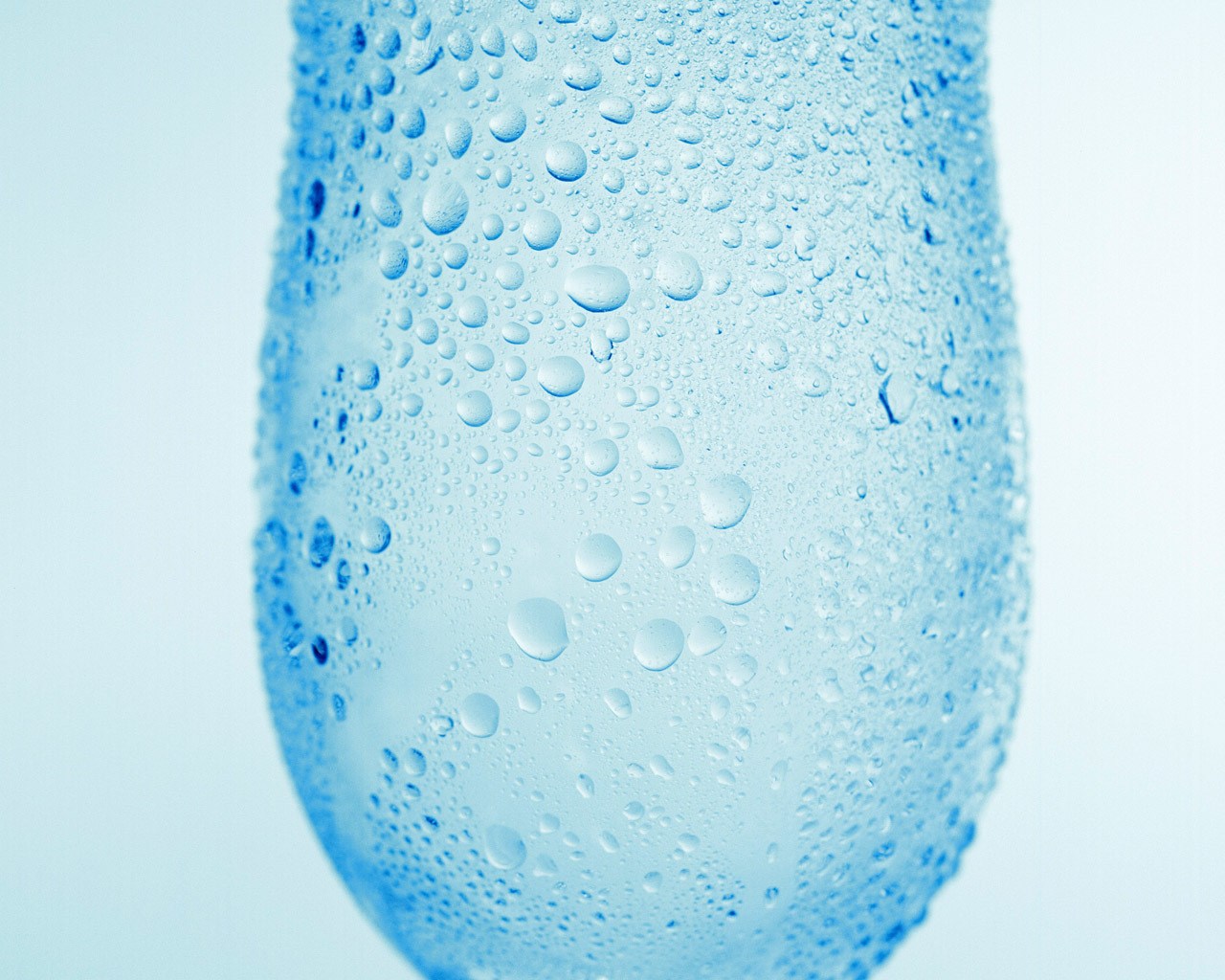
What is water vapor?
a)
Water on the land (geosphere)
b)
Water in the air (atmosphere)
c)
Water in plants
d)
Water in the water (hydrosphere)
12.
What cloud is found at ground level? 
a)
Cirrus
b)
Stratus
c)
Culumlus 
d)
Fog
13.
What percentage of Earth’s water is freshwater?
a)
75%
b)
3%
c)
1%
d)
97%
14.
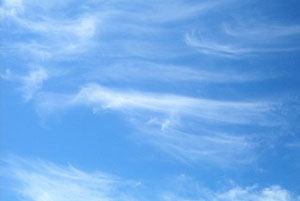
This type of cloud is thin, wispy, and made of ice crystals
a)
cumulus cloud
b)
stratus cloud
c)
cirrus cloud
d)
cumulonimbus cloud
15.

Which type of cloud is white and puffy?

a)

cumulus

b)

cirrus

c)

stratus

d)

cumulonimbus

16.
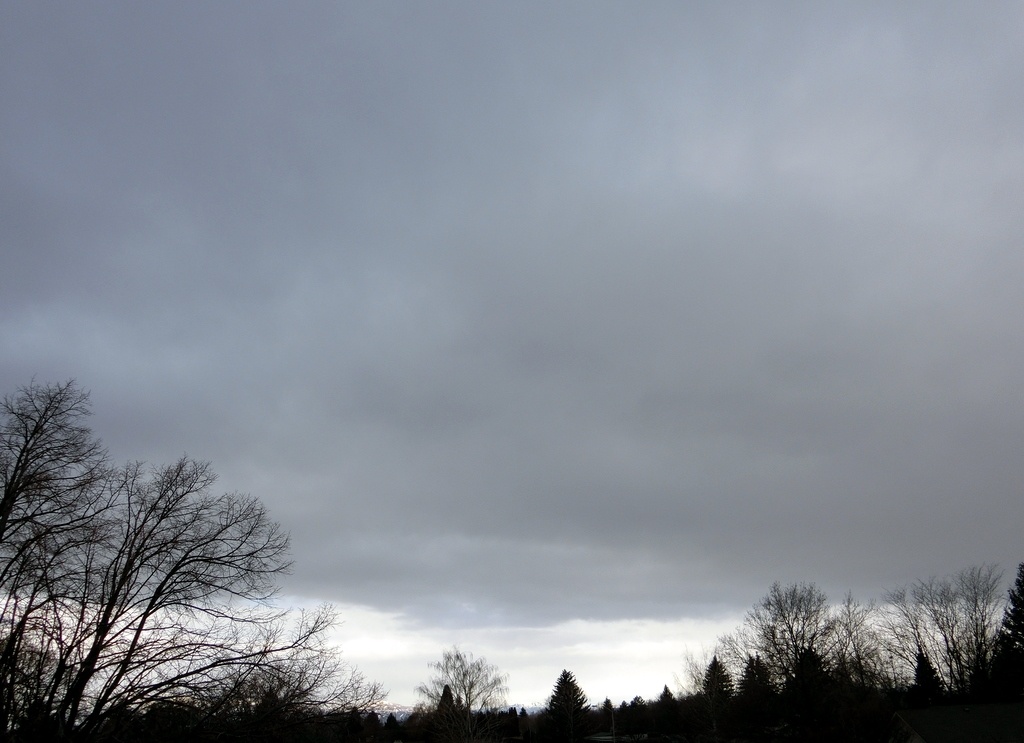
This type of cloud is thin and flat, and the edges are not clearly defined
a)
cirrus cloud
b)
cumulus cloud
c)
stratus cloud
d)
cumulonimbus cloud
17.
what type of cloud is shown?
a)
cumulus
b)
cirrus
c)
stratus
18.
what type of cloud is shown?
a)
cumulus
b)
cirrus
c)
stratus
19.
what type of cloud is shown?
a)
cumulus
b)
cirrus
c)
stratus
20.

What cloud is pictured?

a)

Cirrus

b)

Stratus

c)

Cumulonimbus

d)

Cumulus

21.

What cloud do you see?

a)

Stratus

b)

Altocumulus

c)

Cirrus

d)

Whispies

22.

What cloud is pictured?

a)

Cumulus

b)

Stratus

c)

Cumulonimbus

d)

Cirrus

23.

What cloud is pictured?

a)

Cirrus

b)

Fog

c)

Stratus

d)

Cumulus

24.

What cloud is pictured?

a)

Cumulus

b)

Fog

c)

Cumulonimbus

d)

Stratus

25.

What is precipitation?

a)

solids falling from the sky

b)

precipitation

c)

any form of water that falls from clouds and reaches earth's surface

d)

liquids falling from the sky

26.

What is the most common precipitation?

a)

sleet

b)

freezing rain

c)

snow

d)

rain

27.
What can damage crops, homes, and cars?
a)
freezing rain 
b)
sleet 
c)
hail 
d)
snow 
28.
Precipitation MUST start from where?
a)
Sky
b)
Clouds
c)
Sun
d)
Ground
29.
Snow is most common is which season?
a)
Summer
b)
Winter
c)
Fall
d)
Spring
30.
What kind of precipitation is formed when water falls from the clouds and lands on the ground as liquid water?
a)
Hail
b)
Sleet
c)
Rain
d)
Snow
31.

Liquid droplets

a)

Rain

b)

Snow

c)

Sleet

d)

Hail

32.

Large ice chunks

a)

Mist

b)

Snow

c)

Hail

d)

Glaze

33.

Ice crystals

a)

Glaze

b)

Rime

c)

Snow

d)

Hail

34.

Ice pellets

a)

Sleet

b)

Frost

c)

Hail

d)

Rain

35.

clear ice pellets precipitation, forms when rain falls through layer of freezing air

a)

drizzle

b)

snow

c)

sleet

d)

dew

36.

raindrops that turn to ice after they hit the ground or other cold surfaces

a)

dew

b)

freezing rain

c)

drizzle

d)

slush

37.

tiny drops of water that form on cool surfaces at night, when atmospheric vapor condenses.

a)

rain

b)

drizzle

c)

freezing drizzle

d)

dew

38.

I fall as rain and get blown back up into the clouds by wind, collecting more water and freezing. Once I get too heavy for wind to blow, I fall to Earth as-

a)

sleet

b)

rain

c)

snow

d)

hail

39.

True or False - snow remains frozen from the time it leaves the cloud to the moment it hits the ground.

a)

True

b)

False

40.

My temperature never gets below freezing as I fall to the ground and I remain a liquid all the way to Earth.

a)

sleet

b)

rain

c)

hail

d)

snow

e)

freezing rain

41.

Hail typically occurs during which TWO types of weather?

a)
b)
c)
d)
e)
42.

I am confused with freezing rain, but that freezes once it hits the ground. I start frozen, melt through warm air, then refreeze.

a)

sleet

b)

rain

c)

snow

d)

hail

43.

Which of the following shows a picture of hail?

a)
b)
c)
d)
44.

Who uses weather tools, gathers data, and predicts the weather?

a)

astrologists

b)

geologists

c)

astronomers

d)

meteorologists

45.
What kind of precipitation is formed when water falls from the clouds and lands on the ground as liquid water?
a)
Hail
b)
Sleet
c)
Rain
d)
Snow
46.

What is precipitation?

a)

solids falling from the sky

b)

precipitation

c)

any form of water that falls from clouds and reaches earth's surface

d)

liquids falling from the sky

47.

What are the types of precipitation?

a)

rain, humidity, air pressure, sleet

b)

rain, snow, sleet, and hail

c)

rain, snow, sleet, hygrometer

d)

evaporation, condensation, precipitation, run-off

48.
this is:
a)
cumulus
b)
cirrus
49.
this is:
a)
stratus
b)
cumulus
50.
this is:
a)
cumulonimbus
b)
stratus
51.
this is:
a)
cirrus
b)
cumulonimbus
52.
For snow to fall, the air temperature must be what?
a)
Above 0 degrees celsius
b)
Below 0 degrees celsius
c)
Freezing
d)
Warmer at the ground than high in the air
53.
If snowflakes fall from the sky, pass through an area of warm air, melt and fall to the ground as a liquid, what kind of precipitation is it?
a)
Snow
b)
Rain
c)
Sleet
d)
Hail
54.
Hot air rises because...
a)
it is less dense
b)
it is heavier
c)
it is more dense
d)
it contains Helium
55.
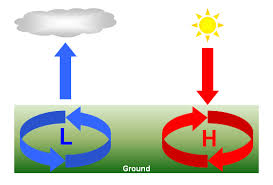
What type of weather usually goes with this symbol?
a)
Clear, sunny skies
b)
Cloudy skies
c)
Hot temperature
d)
Thunderstorms
56.
____________ air sinks/falls because it is ____________dense.
a)
Cold, More
b)
Warm, Less
c)
Cold, Less
d)
Warm, More
57.
____________ air rises because it is ____________dense.
a)
Cool, Less
b)
Warm, Less
c)
Cold, More
d)
Warm, More
58.
The conditions of the atmosphere at a certain time and place. 
a)
weather
b)
climate
c)
precipitation
d)
atmosphere
59.
Air travels
a)
from high pressure to low pressure
b)
from low pressure to high pressue
60.

The air is dry and fair weather occurs. What pressure system causes this?

a)

Light pressure

b)

Low pressure

c)

High pressure

d)

No pressure

61.

Which weather instrument measures temperature?

a)

Anemometer

b)

Thermometer

c)

Rain gauge

d)

Barometer

62.

Which weather instrument measures wind speed?

a)

Anemometer

b)

Thermometer

c)

Rain gauge

d)

Barometer

63.

Which weather instrument measures rainfall?

a)

Anemometer

b)

Thermometer

c)

Rain gauge

d)

Barometer

64.

This storm forms over water, but it weakens when it moves across land. What storm is described?

a)

Hurricane

b)

Thunderstorm

c)

Tornado

d)

Flood

65.

This storm is the most powerful electrical storm. What storm is described?

a)

Hurricane

b)

Thunderstorm

c)

Tornado

d)

Flood

66.

This storm covers a narrow path, yet it is extremely destructive. It often forms over flat land. What storm is described?

a)

Flood

b)

Hurricane

c)

Tornado

d)

Thunderstorm

67.
a)
nimbostratus cloud
b)
cumulonimbus cloud
c)
cirrocumulus cloud
d)
altostratus cloud
68.
What type of cloud looks like cotton and is in the lower altitudes?
a)
Cumulus
b)
Stratus
c)
Cirrus
69.
Clouds are made up of tiny drops of ______ or ice. The moisture in the cloud affects the weather.
a)
dust
b)
water
c)
cloud particles
d)
precipitation
70.
This is sometimes called a thunderhead cloud. It looks very tall like mountains and heavy rain comes from it. 
a)
Cumulus
b)
Cirrus
c)
Stratus
d)
Cumulonimbus
71.
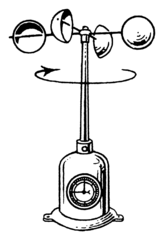
This weather instrument is a...
a)
anemometer
b)
barometer
c)
wind vane
d)
thermometer
72.
This weather instrument is a...
a)
thermometer
b)
anemometer
c)
rain gauge
d)
barometer
73.
This weather instrument is a...
a)
thermometer
b)
anemometer
c)
rain gauge
d)
barometer
74.
This weather instrument is an...
a)
wind vane
b)
anemometer
c)
barometer
d)
thermometer
75.
Temperature is measured in...
a)
degrees
b)
inches
c)
centimeters
d)
feet
76.
Which most likely produces clear, cool weather?
a)
zero air pressure
b)
stable air pressure
c)
a low pressure system
d)
a high pressure system
77.
_____________ air is more dense and tends to sink
a)
cold
b)
warm
c)
moist
d)
dry
78.
Which system results in rainy or stormy weather?
a)
high pressure
b)
low pressure
c)
hurricane
d)
weather system
79.
Which system results in drier, fairer weather?
a)
high pressure
b)
low pressure
c)
hurricane
d)
weather system
80.

The number one thing hurricanes need is...

a)

warm water

b)

cold air from cold fronts

c)

cold water

d)

strong warm front

81.

What causes global convection currents

a)

Forests

b)

greenhouse gases

c)

more land forms

d)

uneven heating of the Earth's surface

82.

Where do warm ocean currents come from

a)

the poles

b)

near the land

c)

the equator

d)

middle of the oceans

83.

How to oceans form hurricanes?

a)

warm air over the equator rises and faster than cold air from the poles

b)

warm waters provide the energy for hurricanes

c)

cold water provides the energy for hurricanes

d)

cold air at the poles is more dense and falls faster than warm air from the equator

84.

Where do warm ocean currents come from?

a)

warm ocean currents come from the southern hemisphere

b)

warm ocean currents come from the equator

c)

Warm ocean currents come from the poles

d)

Warm ocean currents come from the beach

85.

Where do cold ocean currents come from?

a)

cold ocean currents come from the southern hemisphere

b)

cold ocean currents come from the equator

c)

cold ocean currents come from the poles

d)

cold ocean currents come from the beach

86.

Low Pressures are associated with what type of weather

a)

fair weather

b)

cold weather

c)

warm weather

d)

rainy weather

87.

high Pressures are associated with what type of weather

a)

fair weather

b)

cold weather

c)

warm weather

d)

rainy weather

88.
What takes place when a liquid changes to a gas?
a)
condensation
b)
melting
c)
evaporation
d)
freezing
89.
What takes place when a solid changes to a liquid?
a)
condensation
b)
melting
c)
evaporation
d)
freezing
90.
What takes place when a liquid changes to a solid?
a)
condensation
b)
melting
c)
evaporation
d)
freezing
91.
What takes place when a gas changes to a liquid?
a)
melting
b)
freezing
c)
evaporation
d)
condensation
92.
What takes place when a solid changes to a liquid?
a)
condensation
b)
freezing
c)
melting
d)
evaporation
93.

What is it called when a solid turns directly into a gas?

a)

sublimation

b)

condensation

c)

evaporation

d)

freezing

94.

When solid dry ice becomes a gas this is called ________.

a)

sublimation

b)

condensation

c)

evaporation

d)

melting

95.

Adding energy to a substance makes its particles move _______________.

a)

faster

b)

slower

c)

the same

96.
7. All phase changes (changing states) requires energy to be added or taken away.
a)
True
b)
False
97.
What happens to particles when they are heated?
a)
They speed up and spread out
b)
They slow down and compress
c)
They stop moving
d)
They move closer together and speed up
98.

What happens to molecules when the temperature drops or lowers?

a)

The molecules get closer together

b)

The molecules start moving faster.

c)

The molecules stop moving.

d)

The molecules become smaller.

99.
What does a barometer measure?
a)
temperature
b)
air pressure
c)
dew point
d)
humidity
100.
What is the 2nd most abundant gas in the atmosphere?
a)
Nitrogen
b)
Oxygen
c)
Argon
d)
Carbon Dioxide
101.
The force exerted by the air above is called____
a)
convergence
b)
air pressure
c)
divergence
d)
the Coriolis effect
102.
Stratus clouds formed at ground level are called what?
a)
fog
b)
sleet
c)
snow
d)
freezing rain
103.
Lightning and thunder can form during unstable atmospheric conditions in which types of clouds?
a)
Altostratus
b)
Alto cumulus
c)
Cumulonimbus
d)
Nimbostratus
104.

High thin, white, feathery clouds made of ice crystals

a)

Cirrus

b)

cumulus

c)

Isobar

d)

Barometer

105.

masses of puffy, white clouds, often with flat bases. They sometimes tower to great heights and can be associated with fair weather or thunderstorms

a)

Stratus

b)

Cumulus

c)

Cirrus

d)

Cloud

106.

Why do we have seasons on earth?

a)

The tilt of the Earth means that the angles of the sun’s rays change.

b)

The Earth gets closer to the sun during summer.

c)

The sun gets hotter during summer.

d)

There are more clouds during winter

107.

Why is the sun important to the water cycle?

a)

The sun is the source of energy that powers the water cycle.

b)

The sun gives light so that people can see the water cycle happening.

c)

The sun's gravity causes the tides which are important to the water cycle.

d)

The sun isn't important to the water cycle.

108.

As you go higher in the atmosphere the molecules

a)

Are closer together

b)

Are farther apart

c)

Stop moving

109.

Which is caused by differences in air pressure?

a)

Snow

b)

Rain

c)

Clouds

d)

Wind

110.

Climate is different than weather because

a)

Weather is short term, climate is over long periods of time

b)

Weather deals with precipitations, climate with temperature

c)

Climate deals with precipitations, weather with temperature

d)

Weather and climate are the same

111.

What type of weather is associated with a cumulonimbus cloud?

a)

Thunderstorms

b)

drizzle

c)

Tsunamis

d)

drought

112.

What causes differences in air pressure?

a)

even heating of the Earth

b)

Even cooling of the earth

c)

uneven heating of the earth

d)

global warming

113.

Why is the sun important to the water cycle?

a)

The sun is the source of energy that powers the water cycle.

b)

The sun gives light so that people can see the water cycle happening.

c)

The sun's gravity causes the tides which are important to the water cycle.

d)

The sun isn't important to the water cycle.

114.
Ocean's cover what percent of the Earth's surface?
a)
70 %
b)
60 %
c)
10 %
d)
none of the above
115.
What part of the water cycle does this picture show?
a)
condensation
b)
precipitation
c)
evaporation
116.
Snow, sleet, hail, and rain are all examples of  ________________. 
a)
evaporation
b)
condensation
c)
accumulation
d)
precipitation
117.
What is it called when plants give off water vapor as a waste product?
a)
condensation
b)
evaporation
c)
sublimation
d)
transpiration
118.
What is the water cycle?
a)
the 3 forms of water
b)
the movement of water on, above, or below the surface of the Earth
c)
when water melts
d)
when clouds form
119.
Why is freshwater important?
a)
So we can have lakes and Rivers
b)
There is no such thing as freshwater.
c)
We need it to survive.
120.
What is NOT an example of freshwater?
a)
Rivers
b)
Lakes
c)
Oceans
d)
Groundwater
121.
When water goes from being a liquid to a gas (water vapor), that process is called
a)
Condensation
b)
Evaporation
c)
Precipitation
d)
Transpiration
122.
When water goes from being a gas (water vapor) to a liquid, that process is called 
a)
Condensation
b)
Evaporation
c)
Transpiration
d)
Precipitation
123.
The type of water found in oceans; it is not safe for us to drink. 
a)
Salt Water
b)
Fresh Water
124.
The scientific name for water in its gas phase
a)
Precipitation
b)
Evaporation
c)
Water Vapor
d)
Transpiration
125.
The process that cycles water around Earth and it's atmosphere is called 
a)
The Natural Cycle
b)
The Carbon Cycle
c)
The Water Cycle
126.
Study the graph below.  Where is most of the Earth's water located?
a)
Rivers and Lakes
b)
Glaciers and Icecaps
c)
oceans
d)
groundwater
127.
Why is MOST of the freshwater on Earth not available for our use?
a)
All freshwater on Earth is easily accessible for use.
b)
It is frozen in the icecaps and glaciers.
c)
It is surface water.
d)
It is underground.
128.
Study the graph below.  What is the dissolved solid that is most commonly found in Earth's oceans?
a)
calcium
b)
magnezium
c)
sulfur
d)
sodium chloride (salt)
129.

All the water contained on Earth is called __________.

a)

the hydrosphere

b)

groundwater

c)

surface water

d)

the atmosphere

130.

The constant movement of water between the Earth and its atmosphere is called ___________.

a)

transpiration

b)

the water cycle

c)

groundwater

d)

surface water

131.

Water vapor is invisible until it ____________.

a)

condenses

b)

evaporates

c)

transpirates

d)

precipitates

132.

Where is 97% of the Earth's water located?

a)

Rivers and Lakes

b)

Glaciers and Icecaps

c)

oceans

d)

groundwater

133.

Why is MOST of the freshwater on Earth NOT available for our use?

a)

All freshwater on Earth is easily accessible for use.

b)

It is frozen in the icecaps and glaciers.

c)

It is surface water.

d)

It is underground.

134.
What is NOT an example of freshwater?
a)
Rivers
b)
Lakes
c)
Oceans
d)
Groundwater
135.

About _________ percent of all the water on Earth is in the form of salt water.

a)

90

b)

97

c)

95

d)

98

136.

Water that seeps into soil and enters through aquifers is called _____?

a)

Reservoir

b)

Standing Water

c)

Running Water

d)

Groundwater

137.

Where does water go when water evaporates from a puddle on the street?

a)

It doesn't go anywhere

b)

It sinks into the street

c)

It rises into the atmosphere

d)

It goes into outer space

138.
Where does most fresh water exist?
a)
ice caps, lakes, and streams
b)
glaciers, rivers, and oceans
c)
aquifers, ice caps, and glaciers
139.
How much of the earth's water is freshwater?
a)
50 %
b)
3 %
c)
97 %
d)
93 %
140.

Water that stands or flows across the Earth’s surface.

a)

Groundwater

b)

Surface water

c)

Runoff

d)

Divide

141.
After precipitation occurs, water that does not run off into the hydrosphere can be stored as _______?
a)
Ground Water
b)
Evaporation
c)
Condensation
d)
Snow
142.
When plants release excess water it is called
a)
evaporation
b)
transpiration
c)
condensation
d)
water cycle
143.
What powers the water cycle?
a)
running water
b)
the sun
c)
Earth's interior
d)
gravity
144.
Ocean currents that move toward the poles are
a)
warm
b)
cold
c)
warm in the N Hemisphere cold in the S Hemisphere
d)
cold in the N Hem. warm in the S Hem.
145.
What is the name of the current along the east coast of the US?
a)
West Wind
b)
Canary
c)
California
d)
Gulf Stream
146.
What are the two main factors that determine the climate of an area?
a)
precipitation and humidity
b)
temperature and air pressure
c)
wind conditions and humidity
d)
temperature and precipitation
147.
What causes winds to form on Earth?
a)
solar energy
b)
ocean currents
c)
elevation differences
d)
uneven heating of the Earth by the sun
148.
What is the condition of the Earth's atmosphere at a certain time and place?
a)
climate
b)
temperature
c)
weather
d)
air pressure
149.
Which BEST describes why latitudes closest to the equator have warmer climates?
a)
they are at lower elevations
b)
they receive more solar energy
c)
they are nearer to ocean currents
d)
they get more winds that carry energy in the form of heat
150.
What is the measure of distance in degrees north and south from the equator?
a)
latitude
b)
longitude
c)
elevation
d)
topography
151.
What is the height of an area above sea level?
a)
elevation
b)
topography
c)
latitude
d)
longitude
152.
What is the height of an area above sea level?
a)
elevation
b)
topography
c)
latitude
d)
longitude
153.
Which sentence best describes how latitude and temperature are related?
a)
LOWER latitude = COLDER air temperature
b)
HIGHER latitude = COLDER air temperature
c)
HIGHER latitude = WARMER temperatures
154.
What is the weather conditions in an area over a long period of time?
a)
climate
b)
temperature
c)
elevation
d)
precipitation
155.
What causes some areas of Earth to receive less intense solar energy than others?
a)
the mass of earth
b)
the curve of earth
c)
the density of earth
d)
the elevation of earth
156.
Which sentence best describes the relationship between elevation and air temperatures?
a)
LOWER elevation = COLDER temperatures
b)
HIGHER elevation = COLDER temperatures
c)
HIGHER elevations = WARMER temperatures