Wayground logo

Free Printable Worksheets

Font size

S
M
L
XL
Worksheets

Year 7 Science recap and refresh quiz

Total questions: 55

Worksheet time: 42mins

Name
Class
Date
1.

Which of these elements is not a metal?

a)

Sodium

b)

Gold

c)

Calcium

d)

Neon

2.

What is the symbol for Hydrogen?

a)

He

b)

Hy

c)

H

d)

Hg

3.

What is the chemical symbol for copper?

a)

Cu

b)

Co

c)

CU

d)

CO

4.

What is the chemical symbol for Carbon?

a)

Ca

b)

Cb

c)

C

d)

Cn

5.

How many protons are there in a Carbon atom?

a)

12

b)

0

c)

6

d)

10

6.

What is the chemical symbol for gold?

a)

Au

b)

AU

c)

Go

d)

G

7.

How many protons in a Gold atom?

a)

196

b)

80

c)

967

d)

79

8.

Tick the metals

a)

Na

b)

Li

c)

K

d)

He

9.

Zinc

a)

Z

b)

Zc

c)

Zi

d)

Zn

10.

N

a)

Nitrogon

b)

Notanelement

c)

Sodium

d)

Nitrogen

11.

Pb

a)

lead

b)

gold

c)

peanutbutter

d)

nitrogen

12.
Is water an element or a compound?
a)
Element
b)
Compound
13.
The properties of the elements that make up a compound are usually very similar to the compound itself.
a)
True
b)
False
14.
A compound consists of two or more elements bound together.
a)
True
b)
False
15.
Is Iron (Fe) an element or a compound?
a)
Element
b)
Compound
16.
What does the element AI stand for ?
a)
Gold
b)
Actinium
c)
Iron
d)
Aluminum
17.
Is salt (NaCI) a compound or a element
a)
Compound
b)
element
18.
Which of the following is not a compound?
a)
HCl
b)
Cl
c)
NaCl
d)
CO2
19.
What is K?
a)
potassium
b)
berkelium
c)
sodium
d)
cacium
20.
How many elements are represented in the compound?
Na2CO3
a)
1
b)
2
c)
3
d)
4
21.
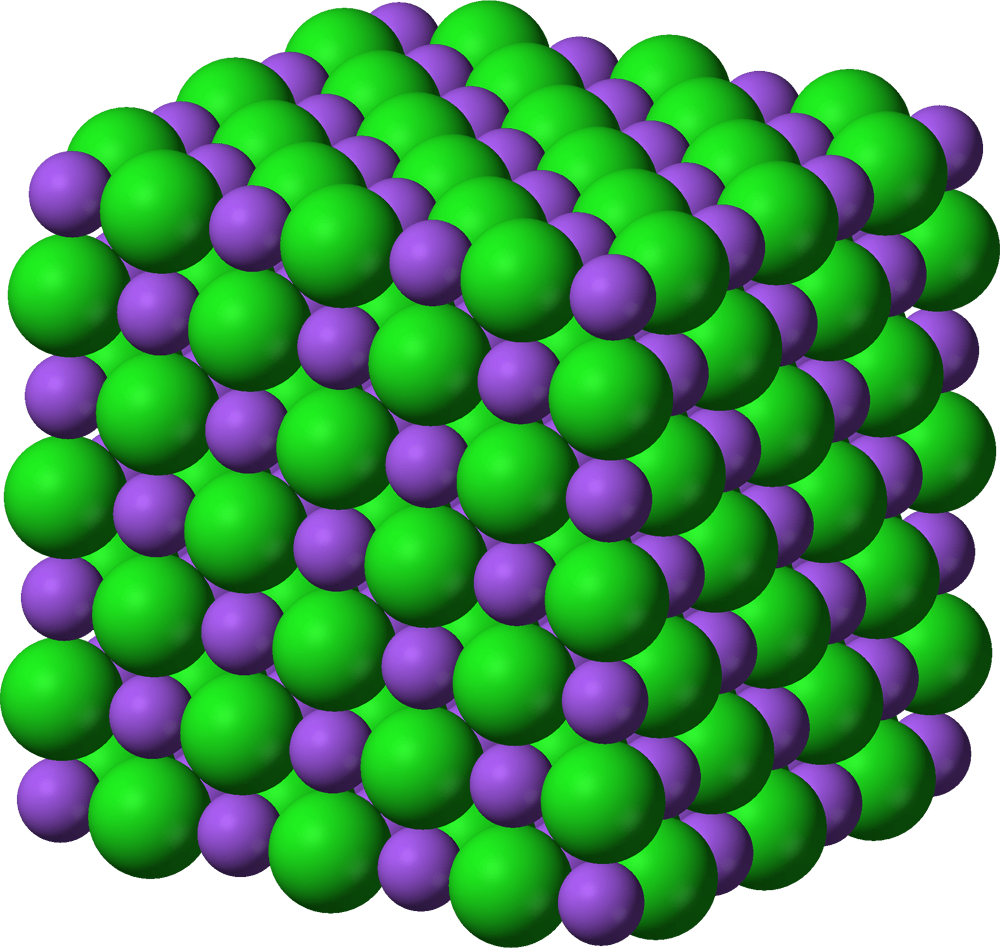
Does this picture show a compound?
a)
No
b)
Yes
22.
How many carbon atom/s are present in the compounds CaCO3?
a)
1
b)
2
c)
3
d)
4
23.

What is the name for BrO3?

a)

bromine oxide

b)

monobromine trioxide

c)

bromine trioxide

d)

bromide trioxide

24.

Name the following compound:

CO2

a)

monocarbon dioxide

b)

carbon oxide

c)

carbon dioxide

d)

oxygen carbonide

25.
Where are the non-metals located on the periodic table?
a)
All over
b)
On the left side of the "staircase"
c)
On the right side of the "staircase"
26.
What is the proper name for CaCl2?
a)
Calcium dichloride
b)
Monocalcium dichloride
c)
Calcium chloride
d)
Calcium chlorine
27.
Name the compound Na2O
a)
Sodium Oxide
b)
Sodium Dioxide
c)
Sodium Oxygen
d)
Natride Oxide
28.
Solid, liquid or gas? Water
a)
solid
b)
liquid
c)
gas
29.
Solid, liquid or gas? Ice
a)
solid
b)
liquid
c)
gas
30.
_____ keep their shape.
a)
Solids
b)
Liquids
c)
Gasses
31.
_____ have tightly compacted molecules that vibrate.
a)
Solids
b)
Liquids
c)
Gasses
32.

A __________________ does not have a definite shape. It sometimes takes the shape of its container and sometimes moves freely wherever it can. These molecules are not connected to each other and take up whatever space is available.

a)

gas

b)

solid

c)

liquid

d)

matter

33.

When a gas changes to a liquid, it is called ________________.

a)

melting

b)

evaporation

c)

freezing

d)

condensation

34.

The state of matter has the strongest bonds between its molecules.

a)

slime

b)

solid

c)

gas

d)

liquid

35.
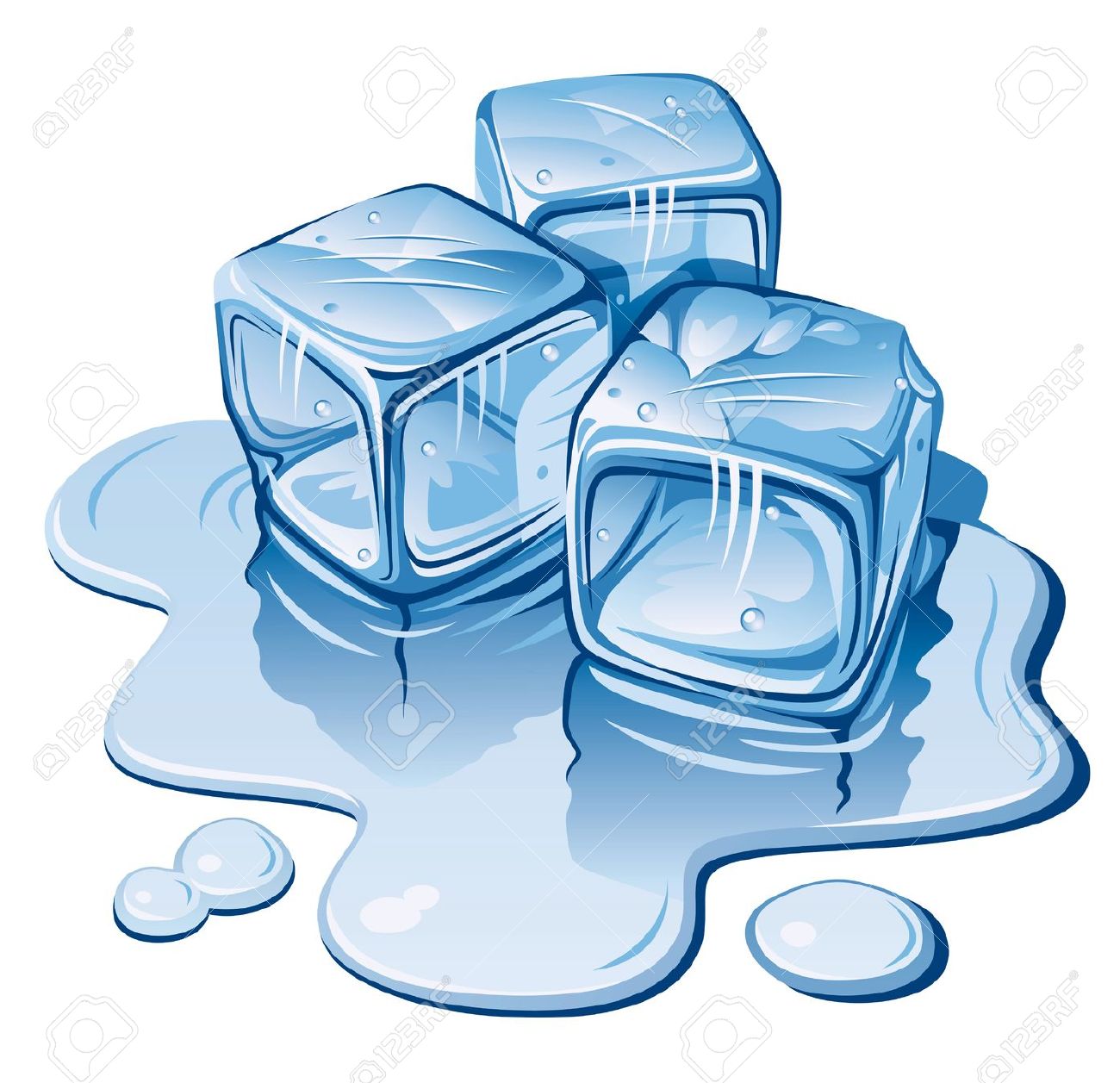
This ice cube is changing from a solid to a ______? 
a)
Solid
b)
Liquid
c)
Gas
36.
This water is changing from a liquid to a ________? 
a)
Solid
b)
Liquid
c)
Gas
37.
Which of the following are NOT found in animal cells
a)
chloroplasts and cytoplasm
b)
chloroplasts and cell wall
c)
cell wall and cell membrane
d)
mitochondria and nucleus
38.
Which of the following, found ONLY in plant cells, provides structure?
a)
cell wall
b)
chloroplast
c)
mitochondria
d)
vacuole
39.
What is the function of the cell nucleus found in both plant and animal cells?
a)
to produce energy
b)
to control cell activity
c)
to remove waste products
d)
to allow molecules to enter the cell
40.
All cells need energy to function.  Which cell organelle is responsible for producing energy in the cell?
a)
chloroplasts
b)
mitochondria
c)
nucleus
d)
vacuoles
41.
In what part of the plant cell does the process of photosynthesis take place?
a)
nucleus
b)
mitochondria
c)
chloroplasts
d)
vacuoles
42.
Cells with a nucleus and membrane-bound organelles are called ____________________.
a)
prokaryotes
b)
eukaryotes
c)
bacteria
d)
protists
43.

Which blood cells carry oxygen throughout the body?

a)

Red

b)

White

c)

Plasma

d)

Platelets

44.

Which blood cells fight infection?

a)

Red

b)

White

c)

Plasma

d)

Platelets

45.

what do red blood cells look like?

a)

like a donut with an indented middle

b)

a flat circle

c)

a ball like shape

d)

an egg shape

46.
Sound moves in a _________.
a)
Transverse wave
b)
Longitudinal wave
47.
How is sound produced?
a)
By the vibration of particles
b)
By the transfer of particles 
48.
Area of a longitudinal wave where particles are CLOSE together.
a)
Compression
b)
Rarefaction
49.
Area of a longitudinal wave where particles are APART. 
a)
Compression
b)
Rarefaction
50.
________ describes how LOUD a sound is. 
a)
Amplitude
b)
Frequency 
51.
Sound is caused by? 
a)
force
b)
vibrations
c)
instruments
52.

A sound wave can travel through....

a)

Solids only

b)

Liquids only

c)

Solids, Liquids, and Gas

d)

Gas only

53.
What part of the ear is #2?
a)
Ear canal
b)
Ear wax
c)
Ear drum
d)
Outer ear 
54.

I can smell a pizza from the other side of the room because of the __________ of particles

a)

diffusion

b)

distillation

c)

condensation

d)

size

55.

Pineapple belongs on pizza...

a)

Yes, definitely!

b)

No way Miss!

c)

I haven't tried it and I never will

d)

I haven't tried it but I would like to