
 Worksheets
Heat Transfer & Cooking Methods
Total questions: 25
Worksheet time: 13mins
The transfer of energy from objects of different temperatures.
Temperature
Energy
Heat
Burning
The three methods of heat transfer are conduction, convection and
vaporization
condensation
photosynthesis
radiation
Conduction is heat transfer by
Indirect heat
Radioactive waves
Direct contact of molecules
Movement of fluids
An example of conduction in cooking would be
Cooking an onion on a hot fry pan
Baking a turkey in an oven
Microwaving a bowl of soup
Toasting bread in a toaster oven
_____________ is heat transfer by circulating movement of fluids (such as air or water molecules).
Conduction
Convection
Radiation
Respiration
An example of convection in food would be:
Baking a turkey in an oven
Frying chicken
Cooking an onion on a hot fry pan
Microwaving a bowl of soup
2. Which of the following materials will undergo convection?
Liquid and gas
Gas and solid
Solid and liquid
Gas only
- Heat transfer by Convection occurs ________________.
only in gases
only in liquids
only in solids
in gases and liquids
The following are all moist methods of cooking:
Sautéing, simmering, steaming, stewing
Braising, boiling, baking, barbequing
Simmering, steaming, braising, stewing
Braising, boiling, sautéing and stewing
Microwaving heats food by causing:
Starch molecules to give up heat energy
Water molecules to vibrate and give off heat energy
Water molecules to evaporate
Starch molecules to vibrate and give off heat energy
Define Conduction
Transferring heat through a solid object into food
Transferring heat through a liquid or air into food
Transferring heat by infrared waves that heat up what they come into contact with
Define Radiation
Transferring heat through a solid object into food
Transferring heat through a liquid or air into food
Transferring heat by infrared waves that heat up what they come into contact with
Define Convection
Transferring heat through a solid object into food
Transferring heat through a liquid or air into food
Transferring heat by infrared waves that heat up what they come into contact with
Cooking in liquid at its highest temperature
boiling
simmering
frying
sauteing
Cooking in liquid just below the boiling point
simmering
boiling
sauteing
poaching
Simmering takes place at a temperature of:
80º–88º Celsius
85º–90º Celsius
95º–98º Celsius
100º–110º Celsius


A spoon in a cup of hot soup becomes warmer
Convection
Conduction
Radiation
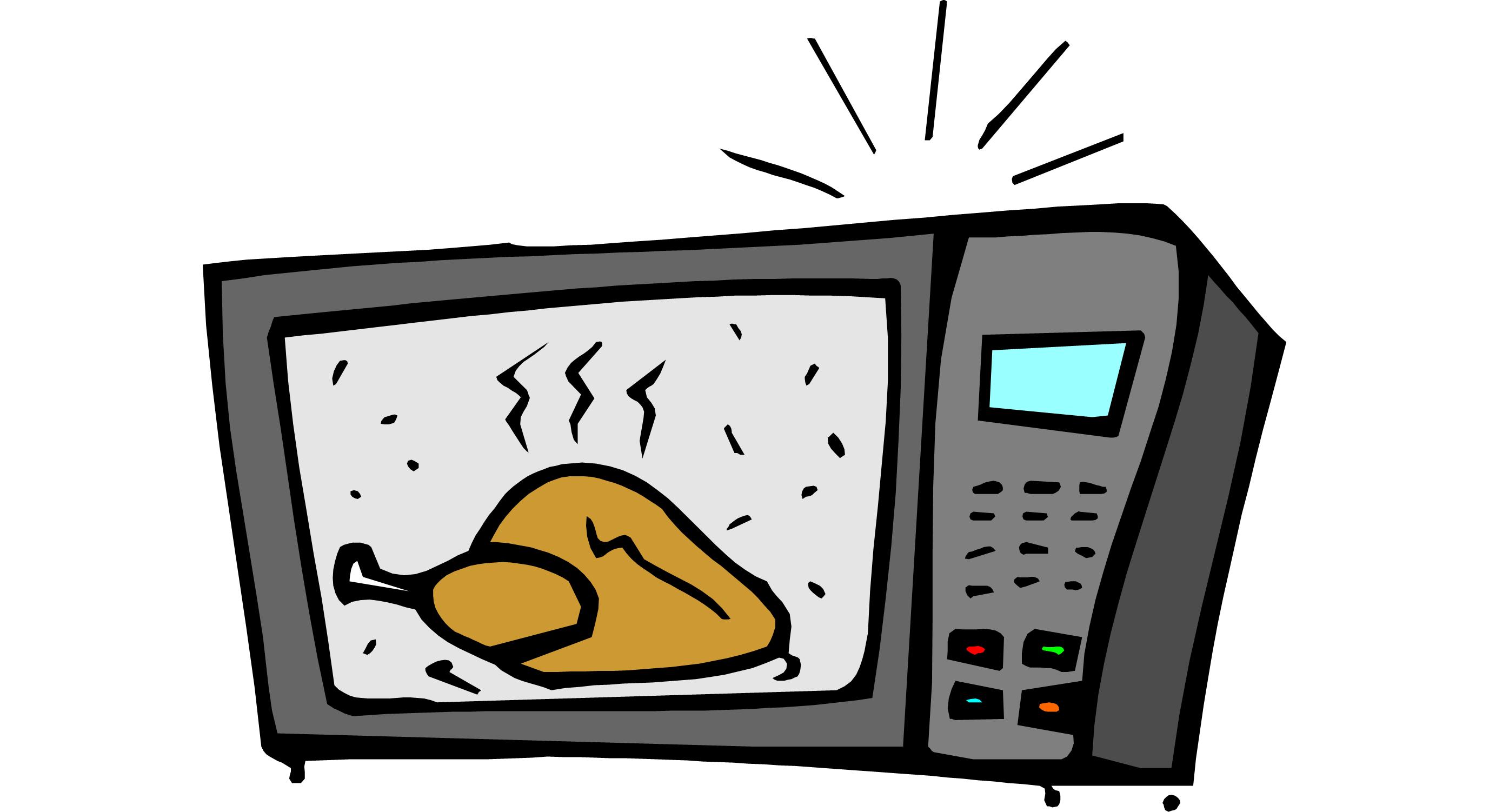
When you use a microwave, what is the main way that heat is transferred?
Convection
Conduction
Radiation


