wayground logo

Free Printable Worksheets

Font size

S
M
L
XL
Worksheets

Unit #6 Rock Cycle

Total questions: 85

Worksheet time: 43mins

Name
Class
Date
1.
A rock formed from fragments of other rocks is a(n)
a)
Metamorphic Rock
b)
Sedimentary Rock
c)
Extrusive Rock
d)
Igneous Rock
2.

If heat and pressure inside the Earth cause a rock to completely melt, the material that formed would be _____.

a)

Metamorphic

b)

Magma

c)

Sedimentary

d)

Igneous

3.
As lava cools and crystallizes, what type of rock will form?
a)
Sedimentary
b)
Metamorphic
c)
Extrusive Igneous
d)
Intrusive Igneous
4.
The three groups of rocks are classified by
a)
How they form
b)
Color
c)
Grain size
d)
Chemical Composition
5.
What are the 3 major types of rocks?
a)
Igneous, Metamorphic, Sedimentary
b)
Metamorphic, Igneous, Cementation
c)
Brown, Red, Gray
d)
Streak, Hardness, Breakage
6.
This rock formed when bits of other rocks became pressed into a solid. What type of rock is it?
a)
Sedimentary Rock
b)
Metamorphic Rock
c)
Igneous Rock
7.
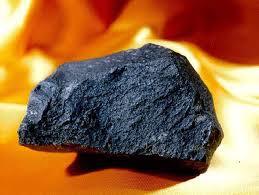
This rock was formed when molten rock cooled into a solid. What type of rock is it?
a)
Igneous Rock
b)
Metamorphic Rock
c)
Sedimentary Rock
8.

The name of a person that studies rocks and the earth.

a)

veterinarian

b)

geologist

c)

podiatrist

d)

teacher

9.
When you watch a volcano erupt molten rock, you are seeing _____
a)
Lava
b)
Magma
c)
Mineral Crystals
d)
Igneous Rocks
10.
When sediments are pressed together tightly, this is called ____________.
a)
Compaction
b)
Cementation
c)
Weathering
d)
Erosion
11.
The process when rocks break into smaller pieces due to exposure to natural elements is called
a)
erosion
b)
weathering
c)
sediments
12.

True or False: Once a rock is sedimentary, it cannot ever become an igneous rock.

a)

True

b)

False

13.

Geologists have classified rocks into three major groups of rocks which are:

a)

inorganic, organic and chemical rocks

b)

igneous, sedimentary and metamorphic rocks

c)

metamorphic, chemical and non chemical rocks

d)

sedimentary, inorganic and igneous rocks

14.

The process by which metamorphic rock changes to igneous rock begins with _______.

a)

melting

b)

erosion

c)

deposition

d)

crystallization

15.
The process by which igneous rocks are formed...
a)
heat and pressure
b)
melting and cooling
c)
weathering and erosion
16.
The process by which metamorphic rocks are formed...
a)
heat and pressure
b)
erosion and deposition
c)
melting and cooling
17.
_______ rock forms from magma/lava
a)
Metamorphic
b)
Sedimentary
c)
Igneous
18.
What is process in which water, wind, and heat break down rock?
a)
weathering
b)
exfoliation
c)
cementation
d)
composition
19.
During the rock cycle, what forms when the magma cools?
a)
igneous rocks
b)
sedimentary rock
c)
metamorphic rock
d)
foliated rock
20.
Sedimentary rocks may contain fossils.
a)
True
b)
False
21.

Name of the impression of a plant or animal, in the soil, that existed in the past

a)

diamond

b)

hardness

c)

fossil

22.

What is underground molten rock?

a)

Lava

b)

Magma

c)

Soil

d)

Intrusive

23.

What is aboveground molten rock?

a)

Extrusive

b)

Magma

c)

Lava

d)

Sedimentary

24.

Sandstone is an example of...

a)

Metamorphic

b)

Sedimentary

c)

Igneous

25.

Granite is an example of...

a)

Igneous

b)

Metamorphic

c)

Sedimentary

26.

Obsidian is an example of...

a)

Igneous

b)

Sedimentary

c)

Metamorphic

27.

What is it called when layers pile up and press down on the material below?

a)

Compaction

b)

Layering

c)

Cementation

d)

I don't know

28.

When large rocks are broken down into smaller parts and moved by physical and chemical means

a)

Weathering

b)

Erosion

c)

Both

d)

Neither

29.
This rock started as molten magma. What type of rock is this?
a)
Sedimentary
b)
Igneous
c)
Metamorphic
30.
This rock was another type of rock that was heated and compressed over time. What type of rock is this?
a)
Sedimentary
b)
Igneous
c)
Metamorphic
31.
This rock was formed by smaller pieces of rock that settled at the bottom of a lake millions of years ago. What type of rock is this?
a)
Sedimentary
b)
Igneous
c)
Metamorphic
32.
What are the 3 major types of rocks?
a)
Igneous, Metamorphic, Sedimentary
b)
Metamorphic, Igneous, Cementation
c)
magma, lava, crystals
33.
True/False: Igneous rocks can only turn into metamorphic rocks.
a)
True
b)
False
34.

Any rock that forms from another rock as a result of changes in heat and/or pressure is a _____________.

a)

chemical rock

b)

igneous rock

c)

sedimentary rock

d)

metamorphic rock

35.

This is the continuous process of rock changing from one type to another.

a)

Igneous rocks

b)

Sedimentary rocks

c)

Metamorphic rocks

d)

Rock Cycle

36.

What type of rock might contain evidence of past life?

a)

Sedimentary Rock

b)

Igneous Rock

c)

Metamorphic Rock

37.

Which of the following lists the steps an igneous rock undergoes in order to become a sedimentary rock, in the correct order?

a)

Deposition, erosion, melting, cooling

b)

Erosion, weathering, eruption, cooling

c)

Dissolving, deposition, cooling, fracture

d)

Weathering, erosion, deposition, cementation

38.

Limestone is a sedimentary rock. During the rock cycle, limestone is changed into marble, a metamorphic rock. The processes that act on limestone and change it into marble are

a)

weather and erosion

b)

heat and pressure

c)

compacting and cementing

d)

melting, cooling, and hardening

39.

According to the diagram, what process is shown by letter B?

a)

compaction & cementation

b)

weather & erosion

c)

heat & pressure

d)

melting

40.

If a lot of heat is applied to a rock, it will melt and turn into ________.

a)

magma

b)

rocks

c)

sediment

d)

metamorphic rocks

41.

Which is the process that breaks up rock on Earth’s surface?

a)

deposition

b)

melting

c)

compaction

d)

weathering

42.

Streak is the color of a mineral’s

a)

fracture

b)

luster

c)

powder

d)

cleavage

43.

A rock that forms from many small fragments of other rocks is a(n)

a)

igneous rock

b)

metamorphic rock

c)

sedimentary rock

d)

extrusive rock

44.

Which rock cycle process causes many sedimentary rocks to have visible layers?

a)

eruption

b)

intrusion

c)

crystallization

d)

deposition

45.

If heat and pressure inside Earth cause the texture and crystal structure of a rock to change, what new material is formed?

a)

sedimentary rock

b)

metamorphic rock

c)

igneous rock

d)

chemical rock

46.

An element is a substance composed of

a)

many particles

b)

a single kind of atom

c)

a crystal arrangement

d)

many layers

47.

The streak of a mineral is the

a)

color of the rock

b)

when it carved a line in a surface

c)

is the color of it´s powder

d)

is its hardness

48.
This rock formed when bits of other rocks became pressed into a solid. What type of rock is it?
a)
Sedimentary Rock
b)
Metamorphic Rock
c)
Igneous Rock
49.
What process is used to form sedimentary rocks?
a)
Lava cools and hardens to form a rock.
b)
Weathering, Erosion, Deposition, Compaction, Cementation
c)
Extreme heat and pressure from inside the Earth turn rocks into new rocks.
d)
Magma trapped under the Earth's surface cools and solidifies.
50.
This rock was found near the mouth of a volcano. What type of rock is this?
a)
Sedimentary
b)
Igneous
c)
Metamorphic
51.
When sediments are pressed together tightly, this is called ____________.
a)
Compaction
b)
Cementation
c)
Weathering
d)
Erosion
52.
The process in which sediment are fused or glued together.
a)
compaction
b)
deposition
c)
organic rock
d)
cementation
53.

What is deposition?

a)

Dropping/settling of sediment

b)

Movement of sediment

c)

Breaking down of sediment

54.
The process when rocks break into smaller pieces due to exposure to natural elements is called
a)
erosion
b)
weathering
c)
sediments
d)
deposition
55.
The movement of weathered material (sediment) is called?
a)
weathering
b)
erosion
c)
deposition
d)
cementation
56.
This rock was formed when molten rock cooled into a solid. What type of rock is it?
a)
Igneous Rock
b)
Metamorphic Rock
c)
Sedimentary Rock
57.

Which type of rock is formed from INTENSE heat and pressure (often deep inside the Earth)?

a)

igneous

b)

sedimentary

c)

metamorphic

58.
Which type of rock results from melting and cooling of magma?
a)
Igneous
b)
Metamorphic
c)
Sedimentary
d)
Extrusive
59.
Which type of rock forms from extreme heat and pressure?
a)
Igneous
b)
Sedimentary
c)
Organic
d)
Metamorphic
60.
A metamorphic rock changes into an igneous rock by what two processes?
a)
Melting and cooling
b)
Extreme heat and pressure
c)
Compaction and cementation
d)
Weathering and erosion
61.
Wind, water, and ice breaking down rock is called
a)
Erosion
b)
Deposition
c)
Compaction
d)
Weathering
62.

The process in which sediments are glued together by pressure or mineralization?

a)

compaction

b)

deposition

c)

organic rock

d)

cementation

63.
When sediments are pressed together tightly, this is called ____________.
a)
Compaction
b)
Cementation
c)
Weathering
d)
Erosion
64.
This rock started as lava that cooled and then was heated and put under pressure over time. What type of rock is this?
a)
Sedimentar
b)
Igneous
c)
Metamorphic
65.
What type of rock is formed due to pressure and heat within the earth?
a)
igneous
b)
sedimentary
c)
metamorphic
66.
What type of rock is formed when magma from a volcano cools and hardens on the earth's surface?
a)
sedimentary
b)
metamorphic
c)
igneous
d)
lava
67.
What two processes make sediment?
a)
Weathering
b)
Erosion
c)
Weathering & Erosion
68.

Igneous rock forms in regions where –

a)

rock is heated to melting point then cooled to a solid

b)

metallic minerals are put under extreme pressure

c)

a river deposits sand and mud over a long time

d)

evidence of organisms is becoming fossilized

69.

Sedimentary rocks can have layers of different colors. This occurs when –

a)

molten rock seeps into large cracks underground

b)

extreme pressure causes minerals to separate

c)

different minerals are deposited at different times

d)

seasonal patterns change the rate of erosion

70.
The three groups of rocks are classified by
a)
How they form
b)
Color
c)
Grain size
d)
Chemical Composition
71.
Fossils are only found in
a)
Sedimentary rocks
b)
Foliated Metamorphic rocks
c)
Igneous Rocks
d)
Nonfoliated Metamorphic rocks
72.

Which type of rock is made by small bits of rock, mud, or sand that are deposited, compacted, and cemented together?

a)

Coal

b)

igneous

c)

metamorphic

d)

sedimentary

73.

Which type of rock is made from lava or magma cooling?

a)

igneous

b)

sedimentary

c)

metamorphic

74.
Which type of rock is made from a rock being changed by heat and pressure?
a)
Smooshed Rock
b)
igneous
c)
metamorphic
d)
sedimentary
75.
Which type of rock is heated and pressurised but does NOT melt?
a)
igneous
b)
hard rock
c)
metamorphic
d)
sedimentary
76.

Sediment goes through _________________ to become sedimentary rock.

a)

heat and pressure

b)

compacting and cementing

c)

melting and cooling

77.
a rock that formed from layers of sediments
a)
metamorphic
b)
igneous
c)
sedimentary
d)
magma
78.

Fossils are found in ____________ rocks.

a)

metamorphic

b)

magma

c)

igneous

d)

sedimentary

79.

Tiny bits of weathered rock or once living plants or animals are called

a)

Sediment

b)

basalt

c)

mineral

d)

coal

80.

___________________ rock is formed from melted rock either from magma below Earth's crust or from lava above it

a)

sedimentary

b)

igneous

c)

metamorphic

d)

magma

81.

Which type of rock forms from heat and extreme pressure?

a)

Igneous

b)

Sedimentary

c)

Organic

d)

Metamorphic

82.
Sedimentary and igneous rocks go through _____________________________ to become metamorphic rocks.
a)
weathering and erosion
b)
heat and pressure
c)
compacting and cementing
d)
melting and cooling
83.
This rock was another type of rock that was heated and compressed over time. What type of rock is this?
a)
Sedimentary
b)
Igneous
c)
Metamorphic
84.

what is the rock cycle.

a)

molten rock that is stored underground.

b)

rock material that forms where rocks are broken down into smaller pieces.

c)

a process that changes one type of rock into another type of rock.

85.

Wind, water, and ice moving broken pieces of rock is called

a)

Erosion

b)

Deposition

c)

Compaction

d)

Weathering