NEW
Font size
 Worksheets
11 HBiol-Cell Organelles and Cell Organisation
Total questions: 35
Worksheet time: 12mins
What is a cell?
The smallest and most basic unit of life
A non living organism
A type of element
An atom
A group of similar cells that work together, to perform a function, make up _____.
An organism
An organ system
An organ
A tissue
Every organ is made up of two or more:
Organ Systems
Tissues
Muscles
Cells

This is a example of........
an organ system
cells
organs
tissues
Organ systems make up _________
Tissues
Organs
Organ systems
Organisms
What is the correct order of organization?
cells->tissue->organs->organ systems-> organism
tissue->cells->organs->organ systems-> organism
organs->organ systems-> organism->cells->tissue
I am a jelly-like material that makes up the bulk of the cell. All chemical reactions occur here.
water
cytoplasm
chloroplasts
ribosomes
What is the role of the nucleus in a cell?
converts glucose and oxygen in the form of energy
surrounds the cell and contains cytoplasm
controls what goes in and out of the cell
contains DNA which controls the reactions inside the cell
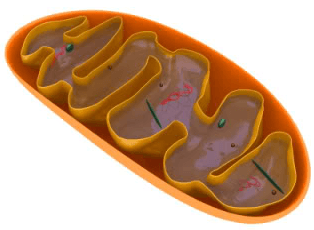
What is the function of the mitochondria?
the site of photosynthesis
absorbs energy from the sun to help the plant make glucose
provides pressure for the cell, keeping it firm and in shape
site for ATP (energy) production
How are multicellular and unicellular organisms different?
Multicellular organisms have more than one cell and are smaller than unicellular organisms
Unicellular organisms have one cell and are smaller than multicellular organisms.
Multicellular organisms have one cell and are larger than unicellular organisms.
Unicellular organisms have more than one cell and are larger than multicellular organisms
The heart is an example of a(n)
organ
tissue
organ system
cell
What are tissues?
the smallest structural and functioning unit of an organism.
a group of organs that work together to perform one or more functions.
a group of tissues that perform a specific function or group of functions.
groups of cells that have a similar structure and act together to perform a specific function.
Which is NOT an example of an organelle?
mitochondrion
nucleus
heart
cell membrane
What is the function of a lysosome?
To create energy for the cell
To command the cell what to do
To remove waste using digestive enzymes from the cell
To protect the cell
What is the purpose of the nucleus?
It is the command center, contains DNA, and cell division
It protects the cell
It stores energy for the cell
It gets rid of waste in the cell
Network of canals through which proteins and other molecules are transported
Golgi apparatus
Vesicles
Endoplasmic reticulum
Cell membrane
Site of protein synthesis.
nucleus
mitochondria
vacuole
ribosome

What is number 10 pointing to?
nucleus
ribosome
cell wall
cell membrane


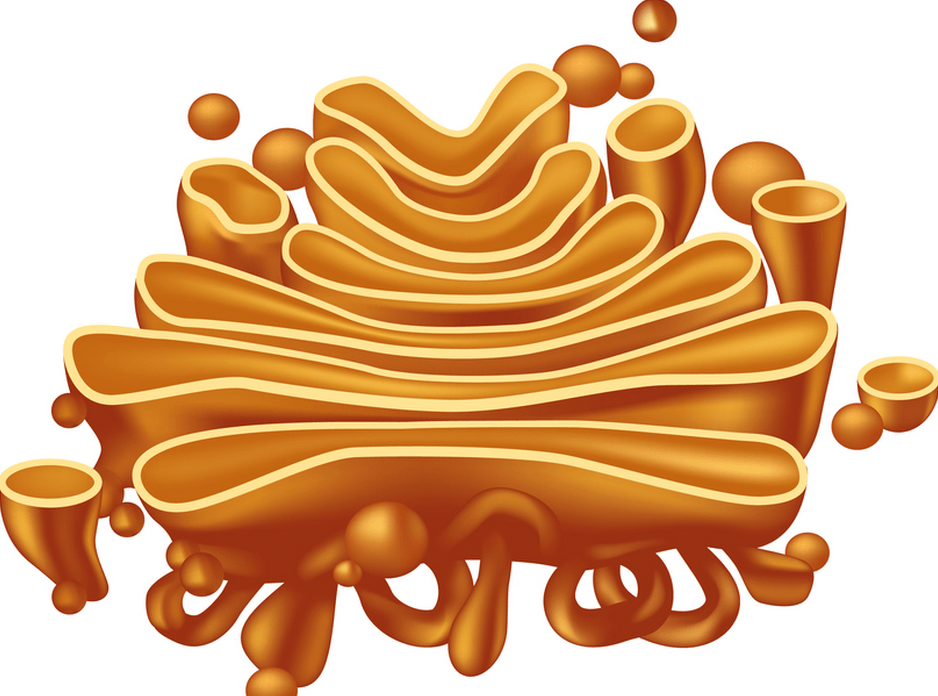
Packages proteins for delivery
Endoplasmic reticulum
ribosomes
golgi apparatus
lysosomes