
 Worksheets
NCFE Health & Fitness
Total questions: 78
Worksheet time: 1hrs 18mins

What bone is highlighted?
Skull (Cranium)
Mandible
Clavicle
Scapula

What bone is highlighted?
Skull (Cranium)
Scapula
Clavicle
Mandible

What bone is highlighted?
Skull (Mandible)
Clavicle
Mandible
Scapula

What bone is highlighted?
Radius
Ulna
Humerus
Carpals

What bone is highlighted?
Radius
Ulna
Humerus
Carpals

What bone is highlighted?
Patella
Pelvis
Clavicle
Mandible

The bone(s) highlighted in red is called your_________________?
Tarsals
Tibia
Fibula
Femur
Which is not a function of the skeletal system?
shape and support
movement
protection
gas exchange
What is a joint?
The place where 2 or more bones meet.
A thin membrane that covers the surface of bone.
A band of tissue that hold bones together.
Connective tissue
Name the joint that makes up the elbows,knees, and fingers.
Ball and Socket Joint
Hinge joints
Pivot Joint
Gliding Joint


_________________________ joint.
_______________________.

Which body systems is responsible for transporting nutrients and gases to all cells in the body?
Circulatory
Respiratory
Muscular
Skeletal
This body systems absorbs oxygen and releases carbon dioxide.
Circulatory
Respiratory
Muscular
Skeletal
The main organs are the lungs, trachea, nose and mouth.
Circulatory
Respiratory
Muscular
Skeletal
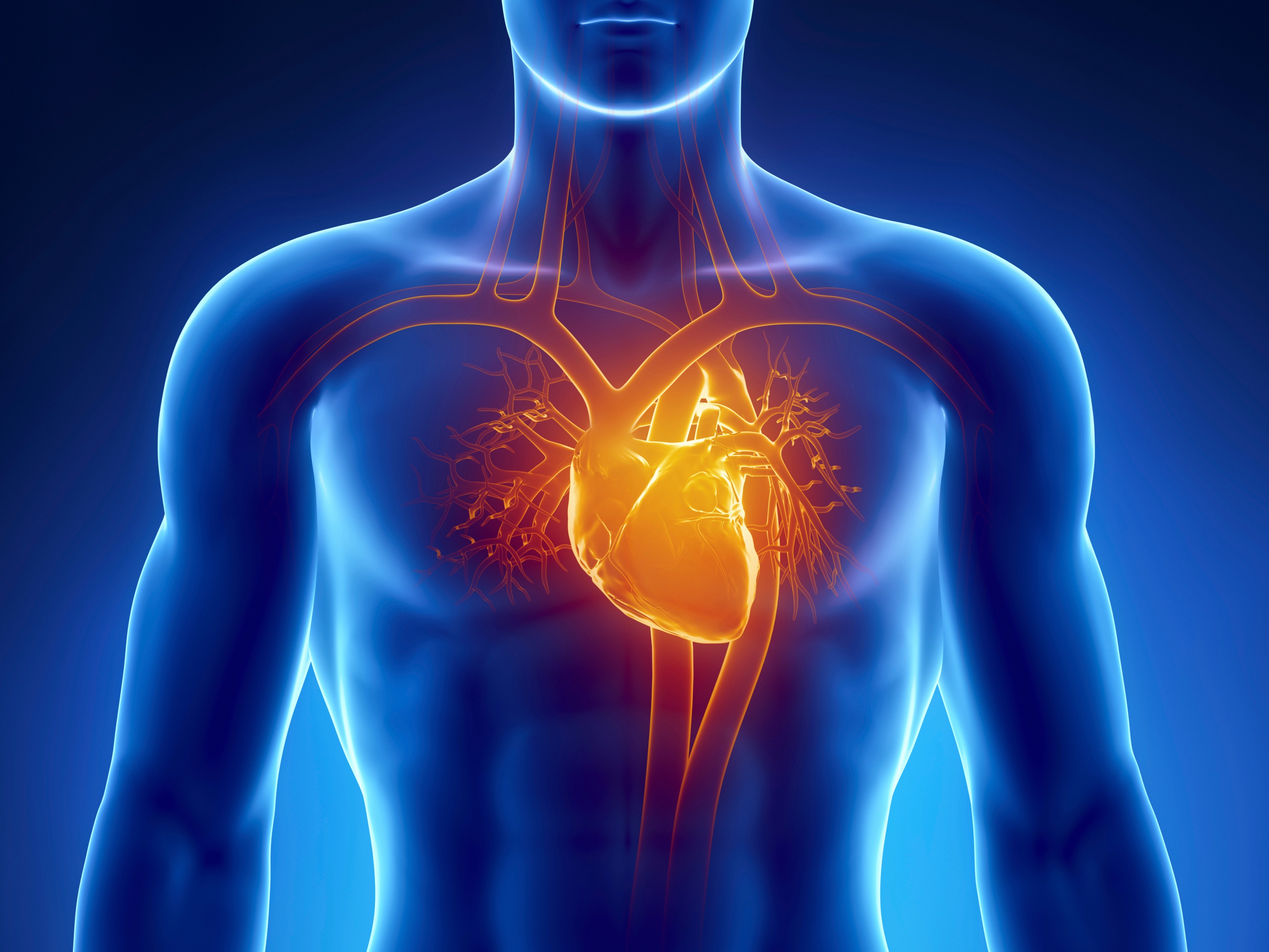
The main organ is the heart, along with tissues of veins and arteries.
Circulatory
Respiratory
Muscular
Skeletal

Circulatory
Respiratory
Muscular
Skeletal

Circulatory
Respiratory
Muscular
Skeletal
Which of the following is NOT a type of muscle?
smooth
rough
cardiac
skeletal
What is it called where two or more bones connect
Joint
Tendon
ligaments
cartilage




The exchange of oxygen and carbon dioxide takes place in these vessels.
arteries
veins
inferior vena cava
capillaries
How do the particles move in diffusion?
From a region of low concentration to a region of high concentration
From a region of high concentration to a region of low concentration
From a region of low concentration to a region of low concentration
From a region of high concentration to a region of high concentration
How does the body remove carbon dioxide from the cells?
The body cells converts carbon dioxide into carbon monoxide
The body cells don't expel the waste, they store them for future use
The body cells expel the carbon dioxide through the use of the nucleus
The carbon dioide diffuses out of the body cells and into the bloodstream due to differences in the concentration gradient
When you breathe, your lungs take in ___ and remove ___.
air/oxygen
oxygen/carbon dioxide
carbon dioxide/waste
waste/air
The air sacs that are covered with capillaries where gas exchange takes place
bronchi
lungs
oxygen
alveoli
The division of the trachea forms
main bronchi
alveoli
lungs
nose
Which of the following are features of the alveoli that adapt them to gas exchange?
I. High surface area
II. Thin walls
III. Dry surfaces
I and II only
I only
II and III
I, II, and III
Given the following structures:
1. alveoli
2. bronchi
3. bronchioles
Which of the following is the correct order in which air would flow after inhalation?
1,2,3
2,1,3
2,3,1
3,2,1
What happens when you breathe in? (tick all that apply)
diaphragm relaxes and moves up
diaphragm contracts and flattens
increases volume in thorax
reduces volume in thorax
what is found around alveoli?
capillaries
pleura
lymphatic nodes
saliva
Which of the following is not happening during inhalation?
the diaphragm contracts
the rib cage rises up
expands the volume of the chest cavity
diaphragm is relaxing
During gas exchange what enters from alveoli to the capillaries?
CO2
CO
O2
nitrogen

Gas exchange is needed to supply _____________ to cells and remove __________________
carbon dioxide; oxygen
oxygen; food
oxygen; carbon dioxide
carbon dioxide; water

The air sacs that are covered with capillaries where gas exchange takes place.
Bronchi
Trachea
Oxygen
Alveoli

1. larynx
2. nasal cavity
3. pharynx
4. trachea
Which of the following is the correct order that air would flow during inhalation.
Blood pressure is recorded as
Hydrostatic /diastolic
Diastolic/ hydrostatic
Systolic/diastolic
Diastolic/systolic


All of the below are factors that increase or decrease the blood pressure except for:
medication
exercise
heart disease
toothache
Highest pressure against blood vessels. Represented by first heat sound
diastolic pressure
systolic pressure
hypotension
hyperstension
lowest pressure against the blood vessels of the body. Measures between contractions
diastolic pressure
systolic pressure
hypotension
hypertension
Indicates how much pressure the blood is exerting against the artery walls when the ventricles are contracting:
systolic pressure
arterial pulse
diastolic pressure
The radial artery is located in the:
neck
arm
wrist
groin
The carotid artery is located in the:
neck
wrist
arm
groin
When measuring arterial pulse, why is it recommended not to use your thumb:
The tip of the thumb is too thick to feel the pulse.
Most people have experienced nerve damage in their thumb and cannot feel the pulse.
The thumb also has a pulse and can cause counting confusion.
It is recommended to use your thumb when measuring arterial pulse.

What is Tidal volume?
The volume of air breathed in and out during one breath
The maximal amount of air a person can expel
The amount of blood pumped from the heart
The additional air that can be forcibly inhaled after normal inspiration

The maximum amount of air exhaled following a maximum inhalation
Vital Capacity
Total Lung Capacity
Residual Volume
Inspiratory Reserve Volume
During exercise, the frequency of breathing...
Increases
Remains the same
Decreases
Stops
What equipment is used to measure air being inspired and expired?
breathalyzer
spirometer
inspirometer
expirometer


