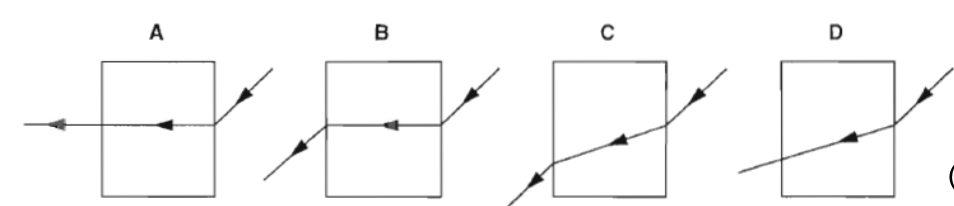
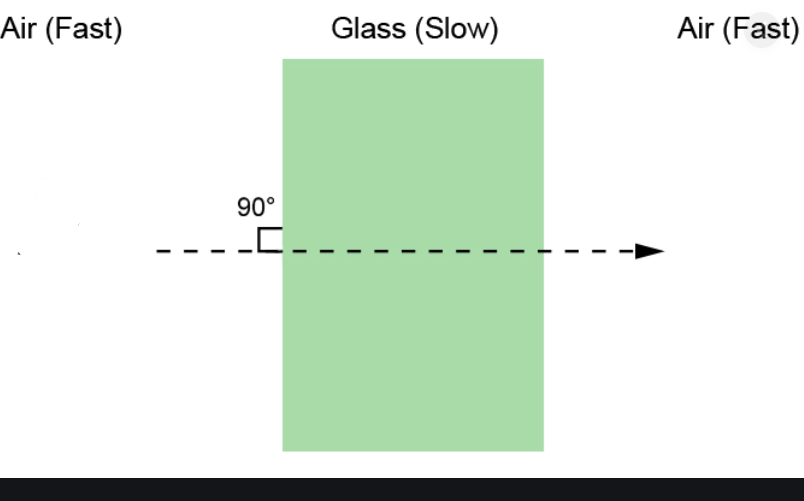
wayground logo

Free Printable Worksheets

NEW

Font size

S
M
L
XL
Worksheets

Light

Total questions: 36

Worksheet time: 27mins

Name
Class
Date
1.

Which among the following is true about light?

a)

Light is an example of a longitudinal wave.

b)

Light travels fastest in solid medium.

c)

Light is an example of a transverse wave.

d)

Light cannot travel in a vacuum.

2.
Light is a kind of.....
a)
reflection
b)
energy
c)
heat
d)
matter
3.
What happens to light after it hits a mirror?
a)
It goes through the mirror and bend.
b)
It goes straight through the mirror.
c)
It goes around the mirror.
d)
It bounces off the mirror.
4.
Light travels
a)
around corners
b)
in a straight line
5.
Light bounces when it is 
a)
reflected
b)
absorbed
c)
refracted
6.
Smooth surfaces _______ a lot of light.
a)
reflect
b)
bend
c)
absorb
d)
twist
7.

Which is natural source of light?

a)
b)
c)

Torch

d)

Tubelight

8.

The bending or redirection of energy waves as they pass from one substance to another.

a)

Reflection

b)

Refraction

c)

Lens

9.

Figure 1 demonstrates light travels in

a)

zig zags

b)

circles

c)

a straight line

d)

random bursts

10.

Figure 3 demonstrates

a)

Refraction

b)

Reflection

c)

Light travels in a straight line

d)

Rewind

11.

Refractions will cause the object to look

a)

the same

b)

smaller & straight

c)

larger & bent

d)

a different color

12.
Light behaves like both a particle and a ______.
a)
Mass
b)
Wave
c)
Current
13.
What color has the shortest wavelength, or the highest frequency?
a)
yellow
b)
blue
c)
red
d)
violet
14.
The full spectrum of light energy is called the__________
a)
broad spectrum
b)
electromagnetic spectrum
c)
helium spectrum 
d)
natural light spectrum
15.
4 is 
a)
radio
b)
UV 
c)
Visible Light
d)
X-ray
16.
Which wavelength of visible light has the lowest energy?
a)
Red
b)
Yellow
c)
Orange
d)
Blue
17.
We see the color _______ when a material absorbs all visible light.
a)
white
b)
black
18.
A prism separating white light is an example of...
a)
Refraction
b)
Reflection
19.
We see the color _______ when all visible light is reflected off an object.
a)
White
b)
Black
20.
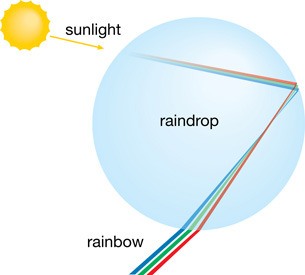
Light bending as it passes through a rain drop is an example of...
a)
Refraction
b)
Reflection
21.
What do we call this tool that separates white light into the colors of the Visible Spectrum?
a)
tuning fork
b)
prism
c)
microscope
d)
graduated cylinder
22.

What do we call a material that light can travel through?

a)

air

b)

water

c)

medium

d)

pathway

23.
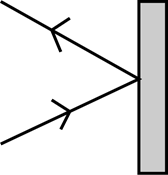
The illustration shows a light ray striking an object.
In the illustration, the light ray striking the object is-
a)
absorbed
b)
stopped
c)
reflected
d)
refracted
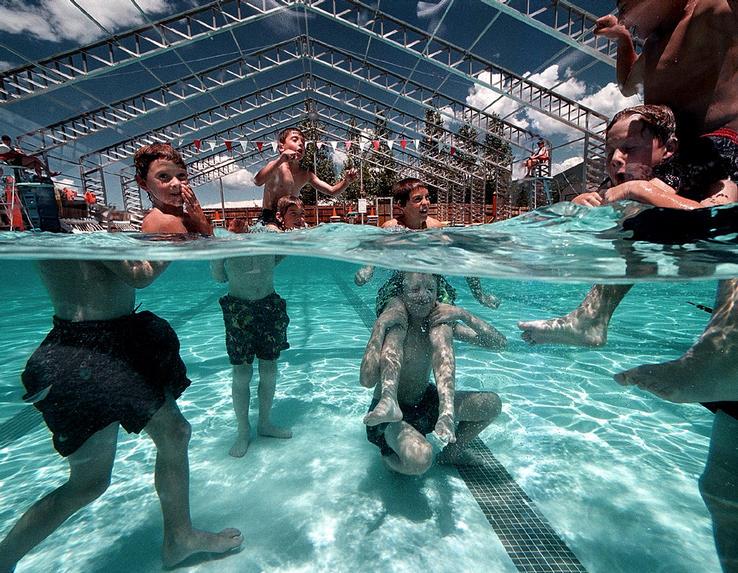
24.
Why does the lower part of the child appear so much different in size from the upper part?
a)
The light rays that travel through water and then into air are refracted.
b)
The light rays that travel through water and then into air are enlarged.
c)
The light rays that travel through air and then into water are reflected.
d)
The light rays that travel through air and then into water are reduced.
25.

What is the angle of reflection equal to?

a)

The angle of refraction

b)

The angle of incidence

c)

The angle of absorption

d)

The angle of light

26.

What might explain why light travels in a straight line?

a)

If there is nothing to interfere with light waves, they should travel in a straight line.

b)

Light waves will always travel in a straight line, even if they come into contact with another object.

c)

Light waves don't travel in a straight line.

d)

Light waves travel in a straight line because sound waves travel in a straight line.

27.

What is the angle of incidence?

a)

The angle at which light bends in water.

b)

The angle at which light hits a surface.

c)

The angle at which light is absorbed by an object.

d)

The angle at which light bounces off a surface.
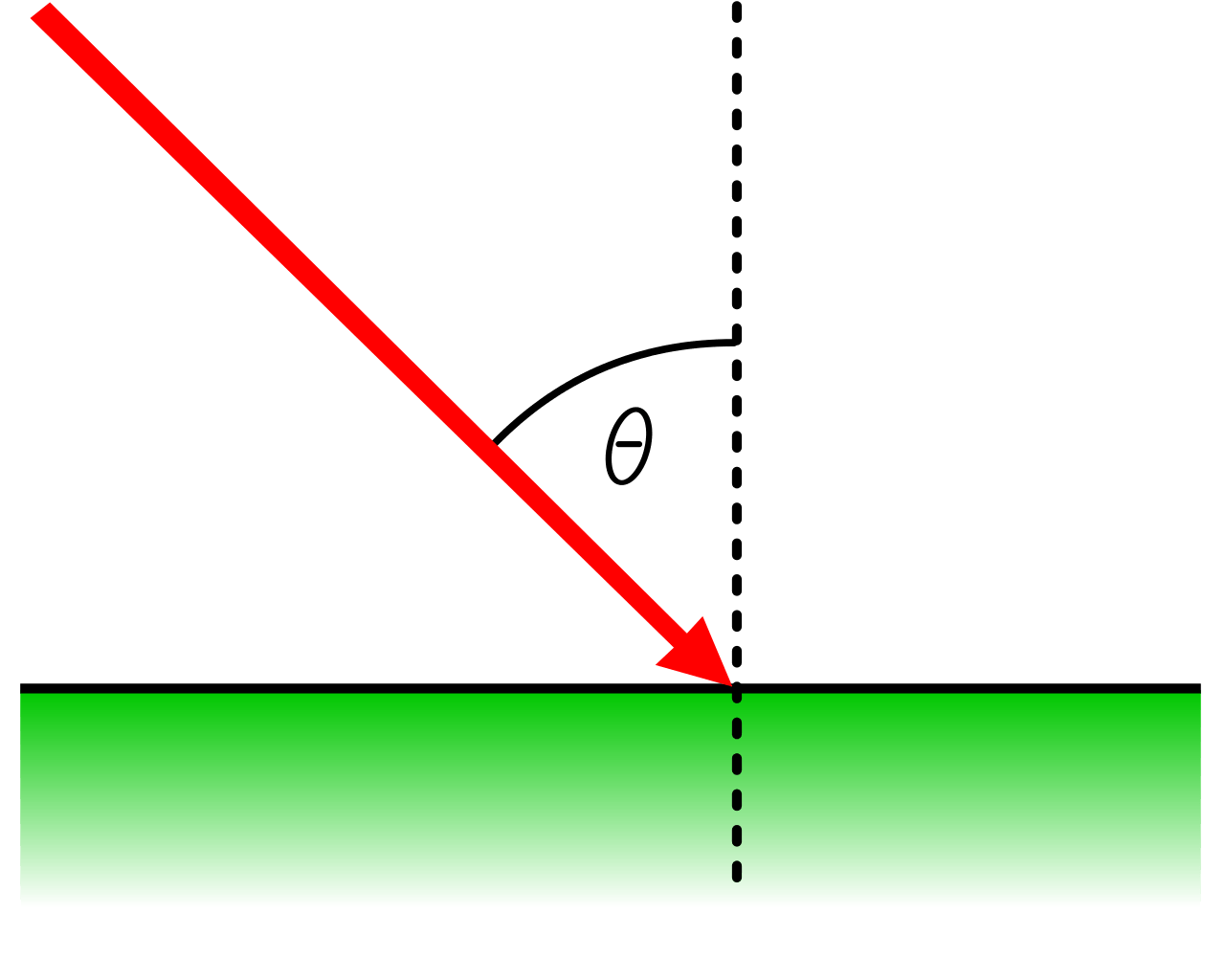
28.
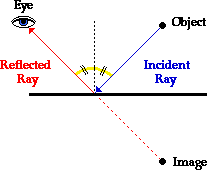
According to the Law of reflection, a light ray striking a mirror
a)
continues moving through the mirror in the same direction
b)
moves into the mirror at a slightly different angle
c)
bounces off the mirror toward the direction it came from
d)
bounces off the mirror at the same angle it hits.
29.

What is the angle of reflection (θr) in the image?

a)

56o

b)

90o

c)

124o

d)

34o

30.

A beam of light bends when it passes from air into water, and more when it passes from water into glass. What can you conclude from this fact?

a)

Air is denser than glass

b)

Water is denser than glass

c)

Glass is denser than water

d)

Air is denser than water

31.

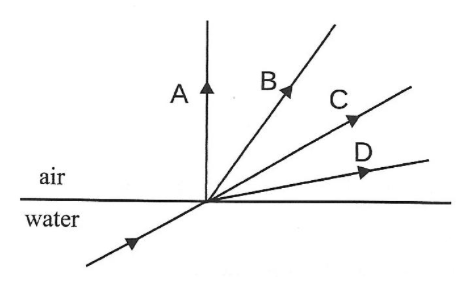
A light ray is incident from water to air. Which of the refracted rays is correct?

a)

A

b)

B

c)

C

d)

D

32.

A ray of light travels from air into a glass block.


Which diagram correctly shows the path of the ray through the glass block?

a)

A

b)

B

c)

C

d)

D

33.

The line 90 degress through the refracting or reflecting surface is called?

a)

Medium

b)

Normal

c)

Incidence

d)

Reflection

34.

Given that the angle of incidence = 30 degrees


Which is the correct diagam?

a)

A

b)

B

c)

C

d)

D

35.

Why can you see most objects?

a)

A. they emit light

b)

B. light refracts through them

c)

C. light reflects off them

d)

D. they absorb light

36.

If a capital letter R is seen in an ordinary mirror, what does it look like?

a)

A

b)

B

c)

C

d)

D