
 Worksheets
Atoms & Elements Unit Review
Total questions: 100
Worksheet time: 3hrs 1mins
An element with 3 protons in each atom has an atomic number of:
1
2
3
4
An element with 12 protons in each atom has an atomic number of:
12
21
2
24
True or false: If the number of protons changes in an atom, it becomes a different element.
True
False
Which of these statements is INCORRECT?
The number of protons determines the atomic number.
The atomic number and number of protons are the same.
An atomic number of 5 means there are 5 protons.
The number of neutrons is always the same as the number of protons.
The mass # tells us the mass of the atom. Which two subatomic particles make up the mass of the atom?
protons and electrons
neutrons and electrons
Kyrontrons and Kytrons
protons and neutrons
How many electrons can "live" on the first electron shell?
2
8
16
infinite
How many electrons can "live" on the 2nd electron shell?
2
8
16
infinite

What is the atomic mass of Neon?
10
20.18
10.18
20


Which value is most likely the number of protons for saturntonium?
388
219
169
171

What information from the table could help the student identify the element?
Protons
Neutrons
Atomic mass
Valence electrons
Which model represents the most reactive atom?
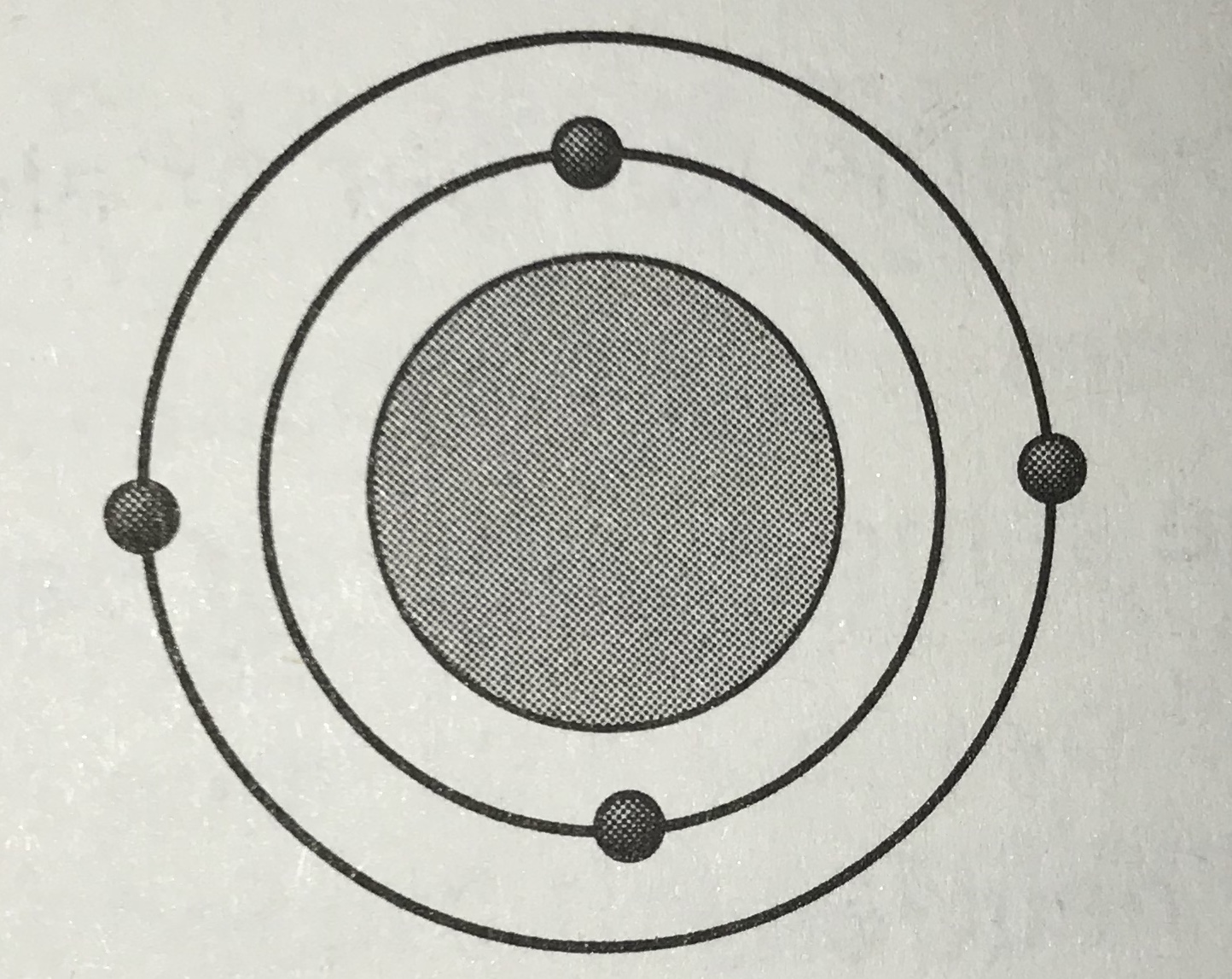
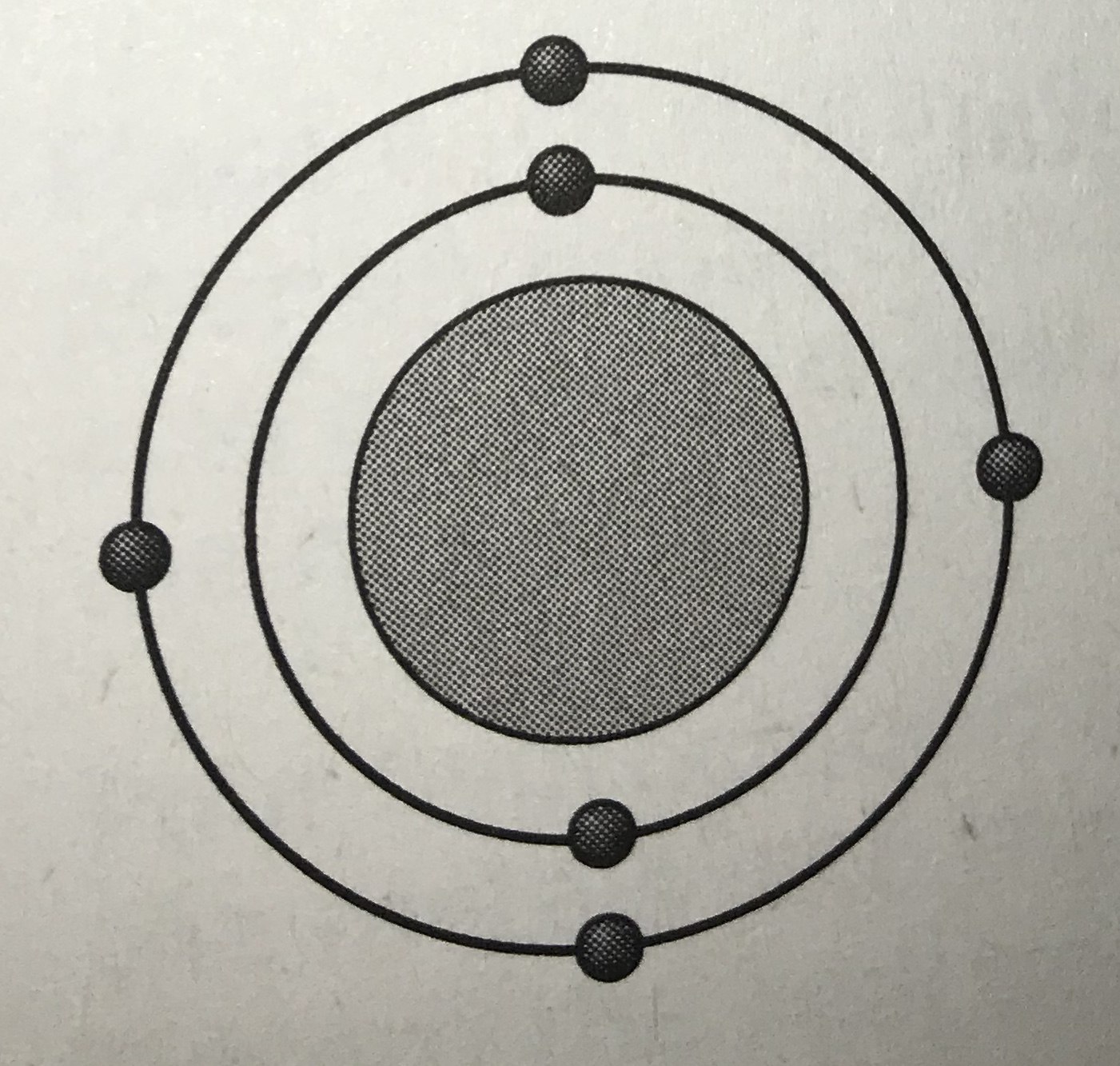
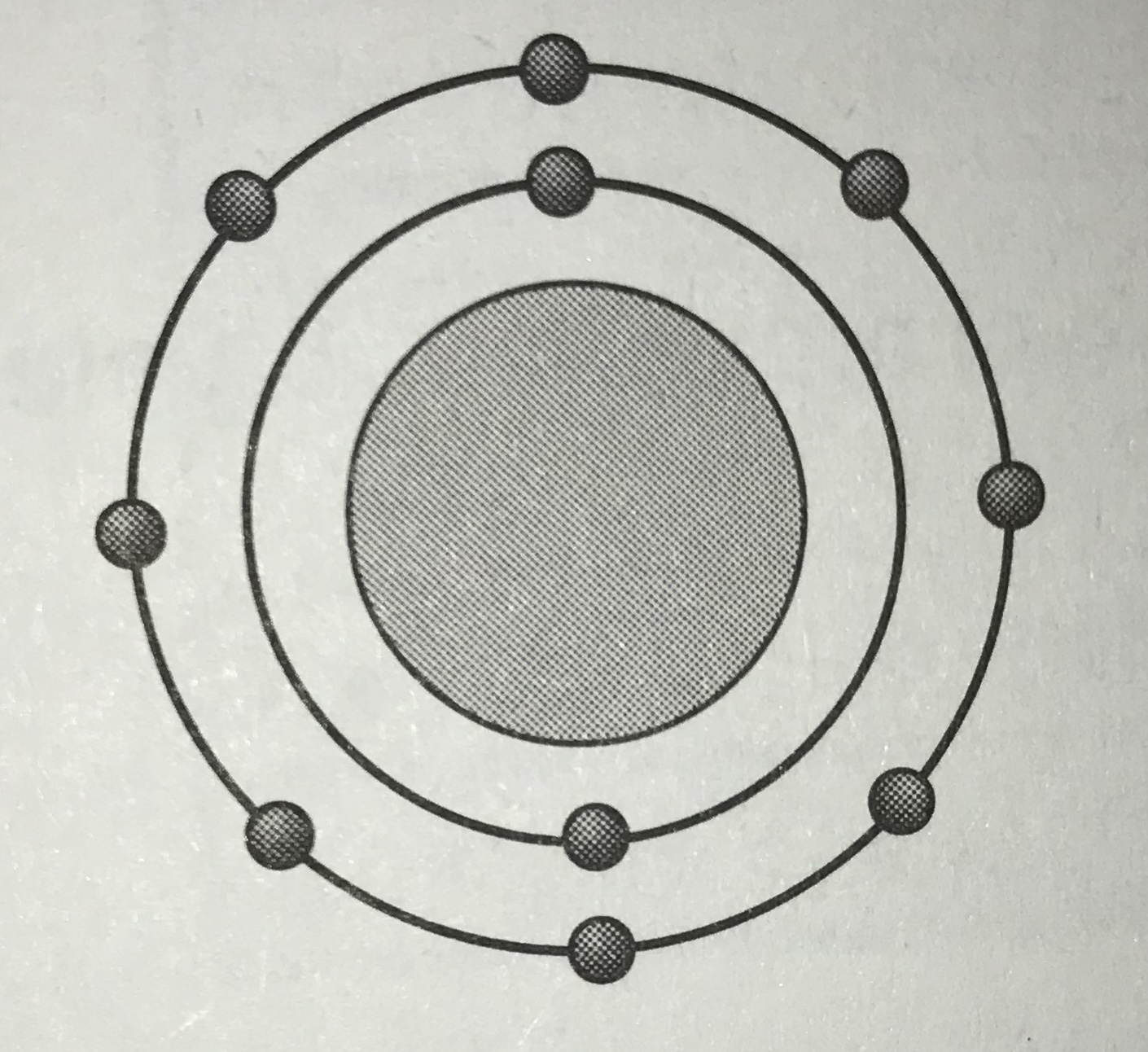
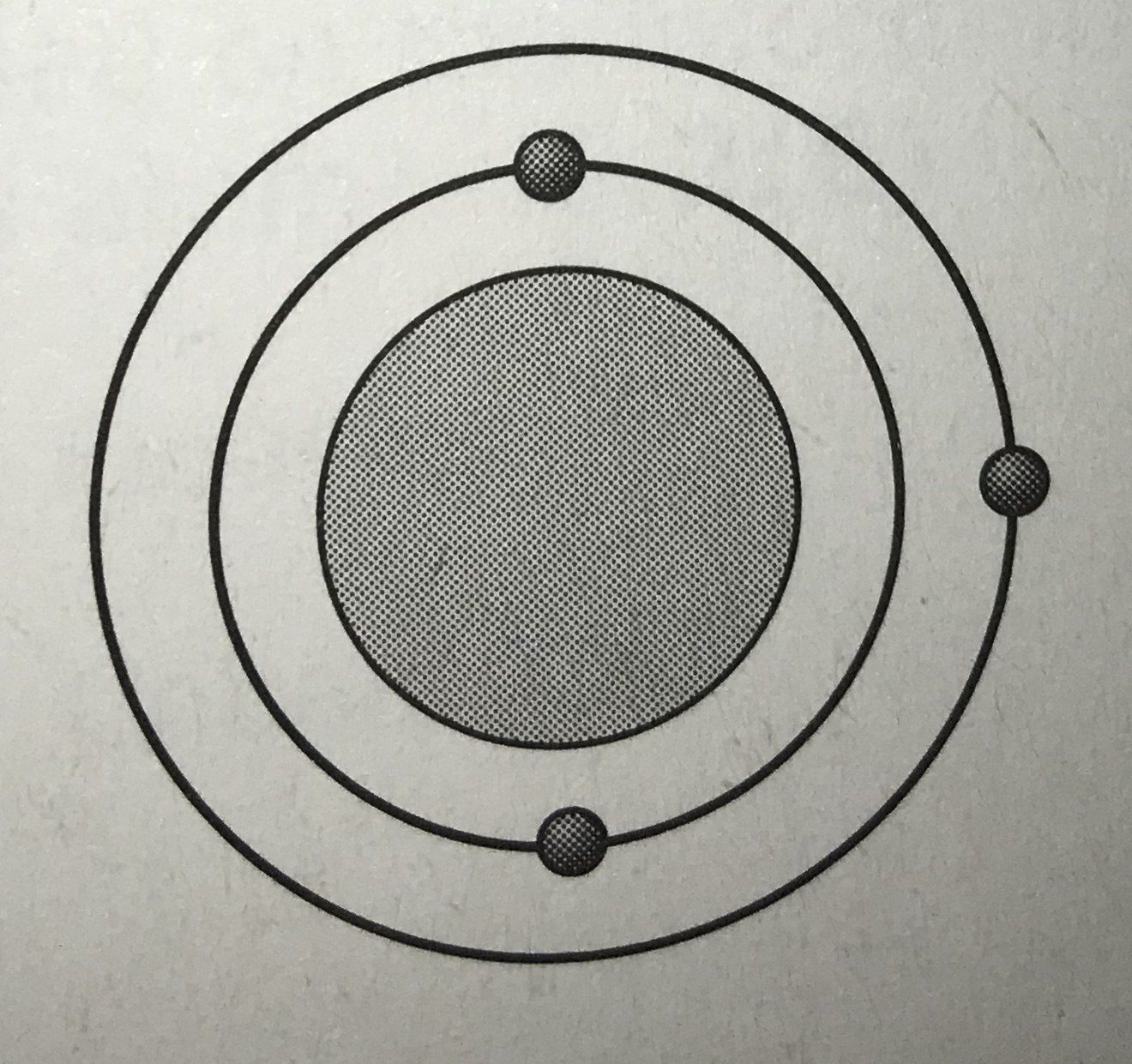
What element contains 7 protons and 5 valence electrons?
Boron
Vanadium
Nitrogen
Lithium

Where are valence electrons located on the model?
Near the nucleus
In the middle of the atom
At the innermost level
At the outermost level

Based on the information, what is the identity of this atom?
Fluorine (F)
Cobalt (Co)
Germanium (Ge)
Nickel (Ni)

Which student's claim about valence electrons in a sulfur atom is correct?
Student 1
Student 2
Both Student 1 and Student 2
Neither Student 1 nor Student 2
Which statement best explains why protons are used to identify an element?
Protons are the most easily identified subatomic particles
Positive charges are more easily detected during an investigation than negative and neutral charges
The number of protons is unique to each element and remains constant
Protons alone cannot be used to identify an element. The number of electrons and neutrons must also be known.
A group of students examines a Bohr model of an atom with 8 valence electrons. What conclusion can the students make about the chemical reactivity of the element?
The element is extremely reactive because the outer energy level is full
The element is nonreactive because the outer energy level is full
The element is somewhat reactive because the outer energy level is full
Additional information is necessary to determine reactivity
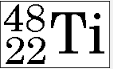

What is the mass number of the element shown?
15
7
8
0



N or C?


Which element has the highest electronegativity?


To which group does this atom belong?
1
3
13
11


Calculate the molar mass of NH4NO2
50 g/mol
60 g/mol
64 g/mol
78 g/mol
The lines in the emission spectrum for hydrogen are formed from ___.
energy given off when the electron moves from higher energy levels to lower energy levels
electrons given off as hydrogen burns
protons given off when protons move from higher energy levels to lower energy levels
electrons given off as hydrogen cools
Which color has the longest waves?
red
orange
yellow
green
Which color has the highest energy per photon quanta?
green
blue
red
yellow
The portion of the electromagnetic spectrum that humans can see is called:
radio waves
visible light
gamma rays
x-rays
the distance between peaks of electromagnetic waves is called:
wavelength
frequency
energy
Planck's Constant
Which type of electromagnetic energy carries the least energy?
X-Rays
Visible Light
Ultraviolet
Microwaves
The formula for the radiative energy (E) carried by a photon of light is:
E = h x c
E = c/λ
E = h x f
E = mMG/d
What is the speed of light?
it depends on the type of electromagnetic radiation
3 x 10⁸ m/s
3 x 10-34 m/s
500 km/s
the LOWEST point in a transverse wave is called the...
crest
trough
wavelength
frequency

[Xe] 6s2 4f14 5d9
Light is:
a star and a galaxy
a wave and a particle
sound and energy
unable to be measured


Who is this woman, known for her work on radioactivity and treatment for cancer?
Jane Goodall
Rosalind Franklin
Marie Curie
Mary Anning


