
 Worksheets
Life Science Q03 Exam Review
Total questions: 87
Worksheet time: 2hrs 45mins
The Theory of Evolution was proposed by what scientist?
Charles Darwin
Albert Einstein
Steven Hawking
Isaac Newton
The theory of evolution by natural selection means that what is changing over time?
The inherited traits of a population.
The speed of a species
Hair color and eye color
Attractive features.
What word describes a trait that helps an organism survive in its environment?
natural selection
mutation
camouflage
adaptation
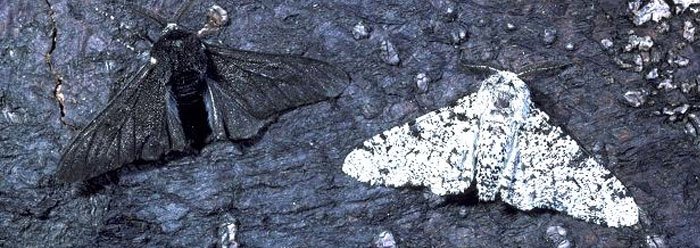
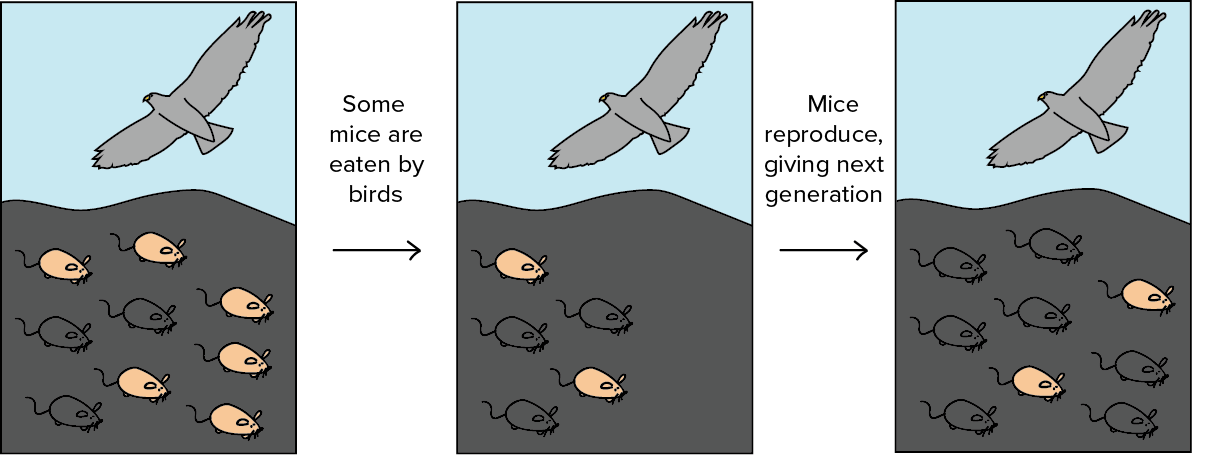
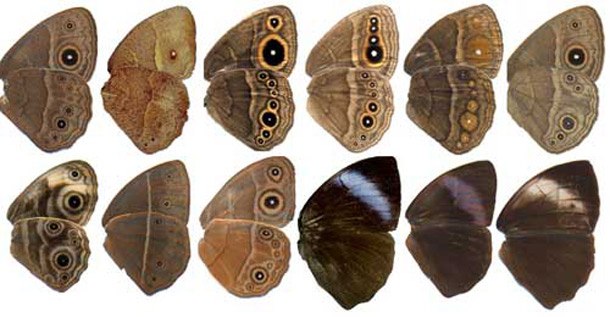
These moths are all the same species. The differences between their wings is an example of ________________
Natural Selection
Genetic Variation
Homeostasis
Extinction
Natural selection is where ___________ decides which traits should be passed on
Nature
Humans
Which of the following is a term for a group of similar organisms that can reproduce fertile offspring?
individual
population
species
fossil
Which of the following is an inherited trait.
A bear searches in a different river than the other bears
A bird has slightly longer wings than most of it's population
A tortoise lives to be 200 years old
A polar bear dies of starvation

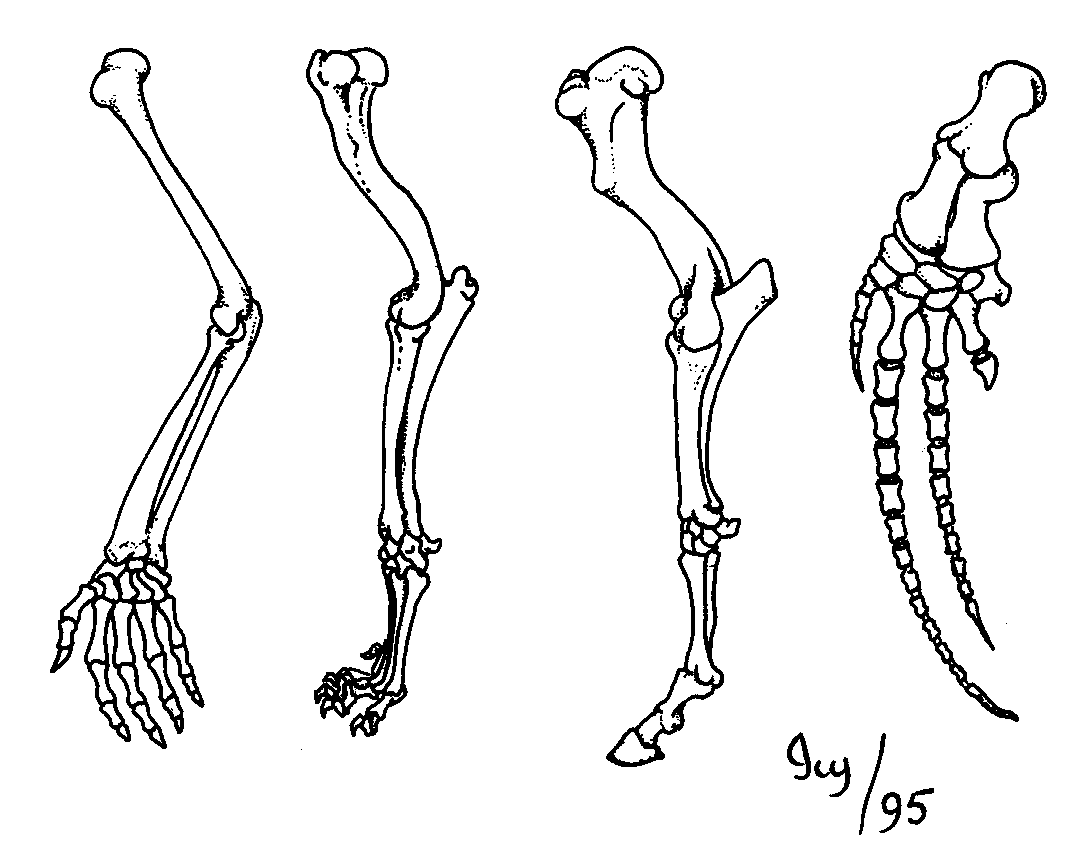
_______ share the same form but different functions; suggests that organisms share a common ancestry
vestigial structures
homologous structures
analogous structures
fossil

Study of developmental stages of various organisms to suggest a common ancestor because of similarities from fertilization to birth
comparative anatomy
embryology
molecular biology
evolution

If modern organisms have a lot of homologous structures, what inference might paleontologists make about those organisms?
They are reptiles
One organism evolved from the other.
The organisms likely shared a common ancestor
The organisms can breed with one another
Recently, scientists have been able to use ___________to find common proteins and amino acids to determine how closely related species are.
DNA
Vestigial structures
Fossils
Homologous structures
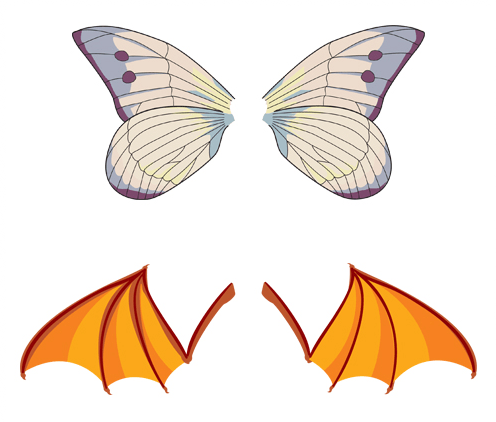
What is this an example of?
Homologous structures
Analogous structures
Vestigial organs
Functional adaptations
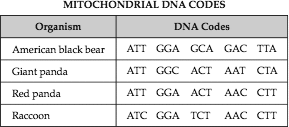
What conclusions can be made based on this table shown?
the American black bear and the giant panda are most closely related
the giant panda and the red panda are most closely related
the red panda and the racoon are the most closely related
the giant panda and the racoon are most closely related

The picture shows the members of the Camelidae family. The physical features and the geographical origin of these animals provide evidence that they
live in the same type of environment.
have slowly evolved to become herbivores.
likely have a common ancestor.
exchanged DNA in the past.

The image suggests that whales and hippopotamuses shared a common ancestor. When did these ancestors live?
25-35 million years ago
50-60 million years ago
60-75 million years ago
75 million years ago or more
Which of the following is NOT a Biological Evidence of Evolution?
Fossils
Embryology
Comparative Anatomy
Molecular Biology
Butterflies taste with their legs while humans taste with their tongues. In this way, butterfly legs and human tongues are ______________ structures
homologous
analogous
vestigial
extinct

What does the picture suggest?
Horses appeared up to a million years ago and did not have any ancestors before that time
Between 55 and 50 million years ago there weren't any animals that could be considered related to horses
The modern horse is related to extinct species
The hyracotherium is the same species as the modern horse

Whales have pelvic bones. What type of structure does this best represent?
Homologous
Analogous
Vestigial
Transitional
Which of the following is true for both bacteria and viruses?
both contain genetic material
can be killed using antibiotics
have a cell membrane
have a protein coat
Which statement is true about viruses?
Viruses can eat and metabolize food.
Viruses can reproduce only using a host cell.
Viruses can reproduce on their own at any time.
Viruses contain DNA, so they are alive.
The use of what modern technology has cause the rise in resistant bacteria
vaccines
antibiotics
fertilizers
solar panels
What type of cells contain a nucleus?
bacterial cells
virus cells
prokaryotic cells
eukaryotic cells
A bacterium reproduces asexually by dividing to form two new bacterial cells. What is the name of the process by which bacteria reproduce?
meiosis
mitosis
budding
binary fission
Which of the following is a risk of overusing antibiotics to treat infections>
Bacteria may become resistant to antibiotics.
Antibiotics increase the rate of infection.
Antibiotics cause other diseases to develop.
Antibiotics only work once.
Which of the following is true?
Viruses and bacteria are both prokaryotes.
Bacteria are eukaryotes and viruses are prokaryotes.
Some bacteria are prokaryotes and some are eukaryotes.
All bacteria are prokaryotes.
Can a virus be cured with antibiotics?
yes
no
A viral infection that weakens a person's immune system for the rest of their life is..
strep throat
HIV/AIDS
tuberculosis
the plague
Which is most often used to destroy bacteria?
vaccine
antibiotics
vitamins
water
Which of the following is a true statement about bacteria?
Bacteria exist in only a few environments on earth
Bacteria can grow to extremely large sizes
Most bacteria are harmful to humans
Bacteria can be both harmful and helpful to humans
Another word for remediated is...
break
re-arrange
fixed
put together
What is bio-remediation?
Process where organic things are used to break down pollution
When you use biology to meditate
When you amend biological things
Process where you watch bacteria break things down
Most bacteria are
Harmful
Helpful
Begnin
Cancer

What is the process where bacteria turns Nitrogen gas from the atmospheres into usable compounds?
nitrogen composition
nitrogen fixation
ammonia
denitrification
A/an ________ is an injection of a weakened form of a pathogen to help the individual gain immunity from a disease.
Virus
Vacuum
Vaccine
Antibiotic
Which of these is NOT a sign that the body is fighting a pathogen?
Fever
Bleeding
Coughing
Sneezing
You are a doctor and Little Billy is in your office with the flu. His mother wants you to prescribe an antibiotic. Which would be the best response?
"Absolutely, get that kid an antibiotic!"
"Actually, he just needs to take a painkiller."
"Unfortunately, antibiotics do not work against viruses like the flu."
"Give him a vaccine and he will feel better right away!"
Which of these viruses attacks bacteria?
Bacteriavirus
Bacteria-eater
Bacteria-muncher
Bacteriophage
If you had the chance to be a volunteer subject to test a COVID-19 vaccine, would you do it? (Note: you would be injected with an experimental vaccine)
Absolutely!
No way!
I'd have to think about it...
Why is it important for people to understand whether a virus is spread through the air or through direct contact with bodily fluids?
To prevent it from being spread to new hosts
So that people can identify the virus
So that the food supply is not disturbed
To create immunities in the population
A virus that is inactive and becomes part of the host cell´s DNA.
Active
Latent
Sleeping
Angry
Studying relationships between organism by comparing their genes and proteins
Molecular Biology
Comparative Anatomy
Which of the following is NOT a characteristic of seed plants?
They have highly developed vascular tissue.
They can only survive in moist environments.
They use pollen to reproduce.
They use seeds to reproduce.
They have true roots, stems and leaves.

The fruit in the picture is adapted for...
Dispersal by wind
Dispersal by animals
Dispersal by water
Mechanical dispersal

The fruit in the picture is adapted for...
Dispersal by wind
Dispersal by animals
Dispersal by water
Mechanical dispersal
Seed plants are classified into two groups: gymnosperms and angiosperms.
True
False

What is part 2?
root
leaves
fruit
stem
The function of the leaves is to:
absorb sunlight and make food (photosynthesis)
absorb water and nutrients from the soil
keep the plant upright and take water and nutrients to the rest of the plant
produce seeds
The function of the stem is to:
absorb sunlight and make food (photosynthesis)
absorb water and nutrients from the soil
keep the plant upright and take water and nutrients to the rest of the plant
produce seeds
The function of the root is to:
absorb sunlight and make food (photosynthesis)
absorb water and nutrients from the soil
keep the plant upright and take water and nutrients to the rest of the plant
produce seeds
Seedless vascular plants reproduce by...
Seeds
Spores
Pollen
Rhyzoid
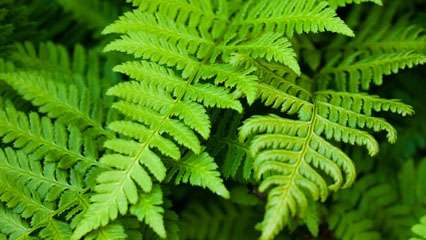
This is a...
fern
liverwort
hornwort
club moss
horsetail
Plants that have tube-like tissues inside them to transport water and nutrients are called
vascular plants`
nonvascular plants
rhizoids
conifers

This is a ...
Nonvascular plant
Vascular plant

Vascular Flowering
Vascular Seedless
Vascular Nonflowering
Non-Vascular
I don't know

Vascular Flowering
Vascular Seedless
Vascular Nonflowering
Non-Vascular
I don't know
What does a fleshy fruit protect?
cones
petals
seeds
stamens
The distinction between the Angiosperm plant and Gymnosperm plant are following:
Gymnosperm plant have covered seed and Angiosperm plants have uncovered seed.
They are exactly the same
Gymnosperm plant are coniferous trees and shrubs and Angiosperm plants are fruit bearing plants.
Only Angiosperm plants can reproduce via spores.

