
 Worksheets
Populations & Communities Review
Total questions: 49
Worksheet time: 2hrs 38mins
an organism that gets energy by eating other organisms
producer
consumer
predator
prey
an organism that gets energy such as sunlight from the environment and makes its own food
producer
consumer
predator
prey
an animal that hunts other animals for food
producer
consumer
predator
prey
an animal that is hunted
producer
consumer
predator
prey
a close relationship between two species that involves an exchange of energy
symbiosis
parasitism
mutualism
commensalism
a symbiotic relationship in which both partners benefit
symbiosis
parasitism
mutualism
commensalism
a symbiotic relationship that benefits one species but does not harm or help the other
symbiosis
parasitism
mutualism
commensalism
a symbiotic relationship that benefits one species and harms the other
symbiosis
parasitism
mutualism
commensalism
A tick and a dog have this type of relationship.
mutualism
commensalism
parasitism

Cattle egrets forage (feed) in fields among cattle. The egret gets easy access to flying insects stirred up by the cattle, and the cattle don't care if they are there or not.
mutualism
commensalism
parasitism
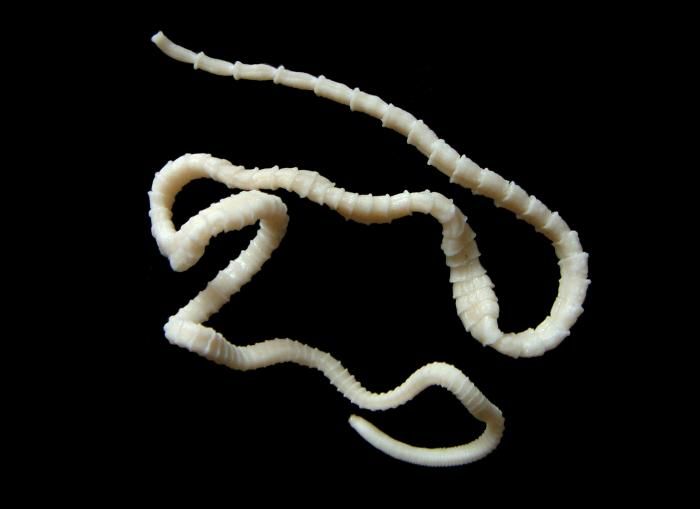
A tapeworm and a cat have this type of relationship.
mutualism
parasitism
commensalism
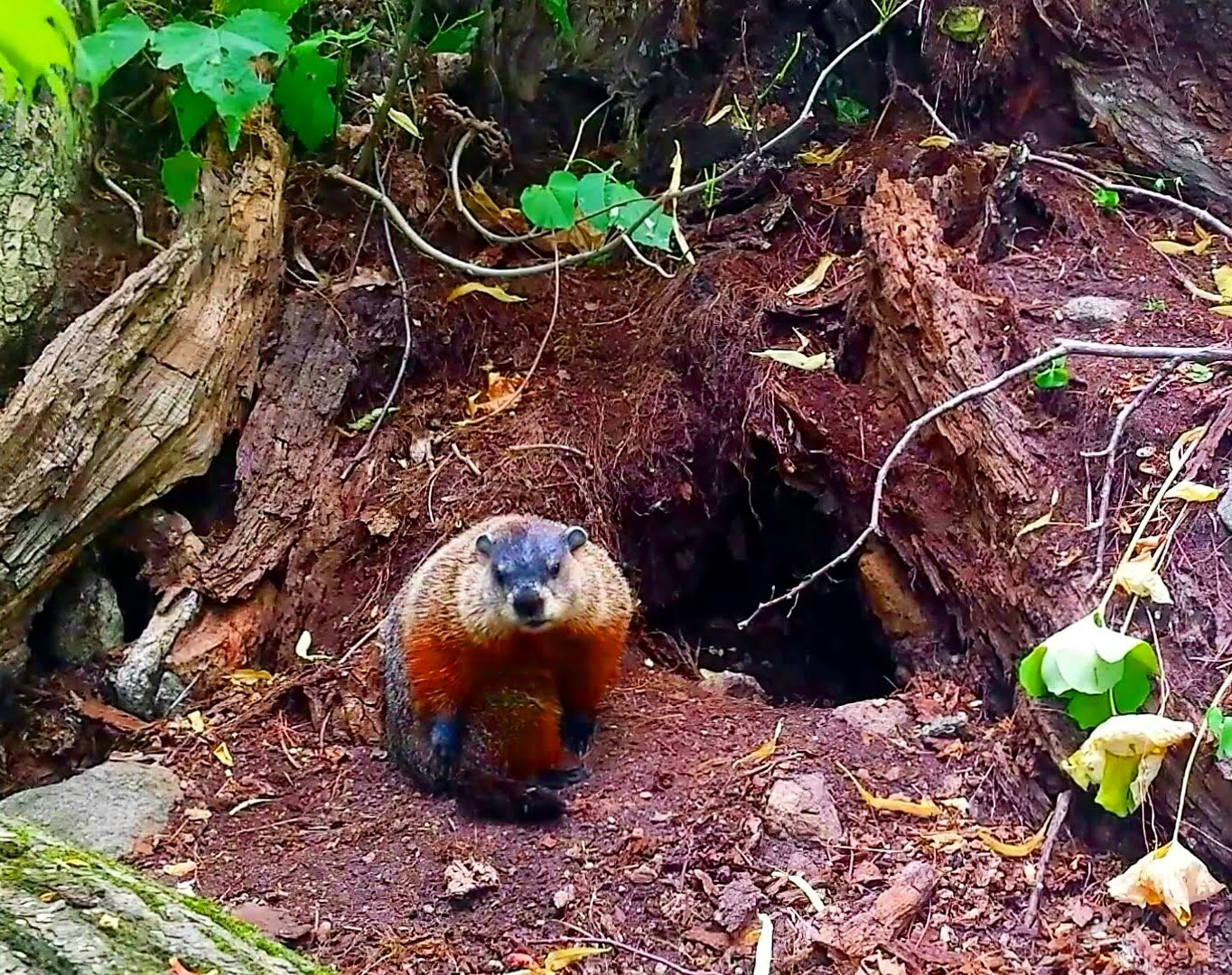
Skunks often live in burrows that have been dug and abandoned by woodchucks.
commensalism
mutualism
parasitism
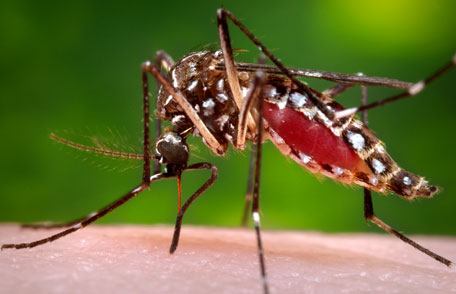
all the populations of different species that live in the same area at the same time
biosphere
biotic potential
population
community
parts of Earth and its atmosphere where there is life
biosphere
biotic potential
population
community
all the organisms of one species living in one place at one time
biosphere
biotic potential
population
community
potential growth of a population in perfect conditions with no limiting factors
biosphere
biotic potential
population
community
all the species that live in the same ecosystem at the same time
community
habitat
niche
biosphere
the place within an ecosystem where an organism lives
community
habitat
niche
biosphere
what a species does in its habitat to survive
community
habitat
niche
biosphere
All the land and water are included in Earth's _____.
biosphere
biotic potential
population
community
cactus, snake, coyote, sagebrush, and hare in the same area.
community
abiotic factors
population
niche
Coyote, sand, 102 degrees, cactus, and snake.
ecosystem
biomes
niche
community
Which choice shows the correct order of the levels of environmental organization?
organism, population, community, ecosystem, biosphere
organism, population, ecosystem, biosphere, community
organism, community, population, ecosystem, biosphere
population, ecosystem, biosphere, organism, community

An individual is a single _______________ of a particular species. One single zebra is an example.
Population
Organism
Ecosystem

All the individuals of one species in a given area is called a ______________. A herd of zebras would be an example.
Population
Community
Non-living
Organism

The total sum of all the populations of living things within an area that interact with one another is called_________. Zebra, elephants, and giraffes would be an example
Biosphere
Population
Community
Organism
the struggle in a community for the same resources, such as food, water & shelter
carrying capacity
competition
limiting factor
population density
largest number of individuals of one species that an environment can support
carrying capacity
competition
limiting factor
population density
size of a population compared to the amount of space available
carrying capacity
competition
limiting factor
population density
anything that restricts the size of a population
carrying capacity
competition
limiting factor
population density
Sunlight, temperatures, disease, predators, fires, floods & space are examples of _____.
carrying capacity
competition
limiting factor
population density

