
 Worksheets
Engineering Review
Total questions: 60
Worksheet time: 1hrs 3mins
Engineers are people who ______.
build and design things to solve specific problems
study plants and animals
repair buildings and roads
study aspects of weather
An engineer's job at the most basic level is _______.
making things
design
problem solving
communication
Engineers follow a series of steps to solve problems. These steps are called the ____.
Engineering method
Scientific method
Engineering design process
Engineering building challenge
Which of the following shows the correct order of the EDP steps?
ask, plan, imagine, create, improve, research, test
ask, research, imagine, plan, create, test, improve
imagine, plan, create, test, research, ask, improve
imagine, ask, plan, create, test, improve, research
Name the step:
Build a model or prototype.
test
plan
create
Name the step:
Define the problem.
imagine
ask
plan
Name the step:
Revise your plan.
test
imagine
improve
Name the step:
Draw a detailed sketch or blueprint.
plan
create
imagine
Name the step:
Brainstorm ideas and solutions to the problem.
plan
ask
imagine
Name the step:
Test the prototype and analyze the results.
test
improve
plan
Engineering problems should be _______.
serious
important
solvable
easy
Electricity results from
the existence of charged particles
the presence of molecules
the presence of neutrons
the existence of electron shells
True or False: A light bulb can be lit with an open or closed circuit.
True
False
Which of these are a series circuit?


Current is
electromotive force (push)
the rate or electron flow
opposition to electron flow
Resistance is
electromotive force (push)
the rate or electron flow
opposition to electron flow
Voltage is measured in
volts
amps
ohms
Current is measured in
volts
amps
ohms
Resistance is measured in
volts
amps
ohms
Voltage is
electromotive force (push)
the rate or electron flow
opposition to electron flow
Which is NOT an equation from Ohm's Law?
V = I x R
I = V/R
R = V/I
R = I x V
10,000 volts is equal to how many kilovolts?
1
10
100
1000


What is the average velocity of the object between 0 and 10 seconds?
6.0 m/s
1.5 m/s
-4 m/s
0 m/s

What is the average velocity of the object between 10 and 15 seconds?
6 m/s
1.5 m/s
-4 m/s
0 m/s

What is the rate of acceleration of the object between 0 and 4 seconds?
1 m/s
0 m/s2
-1 m/s2
1 m/s2

What is the velocity of the object between 4 and 5 seconds?
0 m/s
5 m/s
1 m/s
2 m/s

Which graph(s) represents a constant velocity?
a and c
b and c
c
a and b
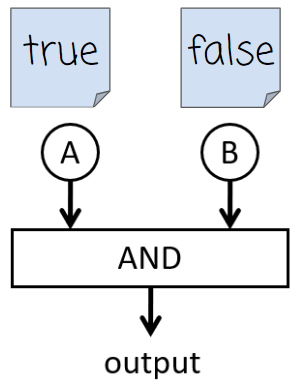
What is the output?
True
False
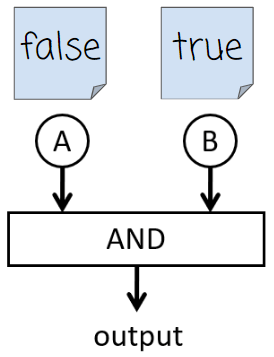
What is the output?
True
False
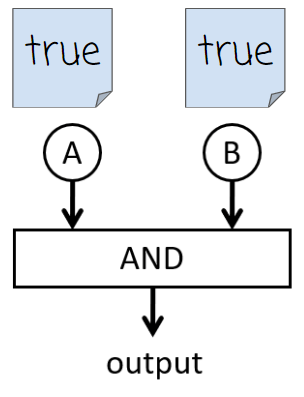
What is the output?
True
False
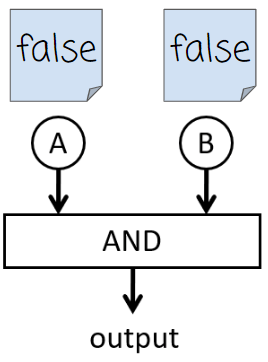
What is the output?
True
False
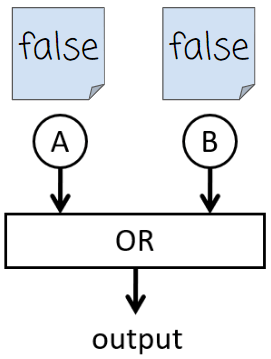
What is the output?
True
False
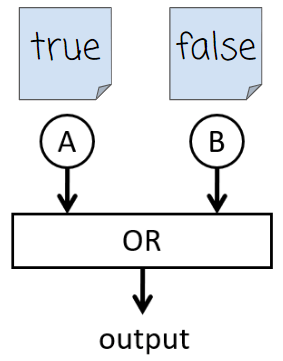
What is the output?
True
False
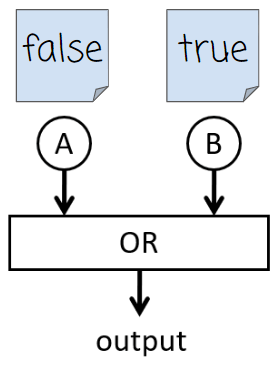
What is the output?
True
False
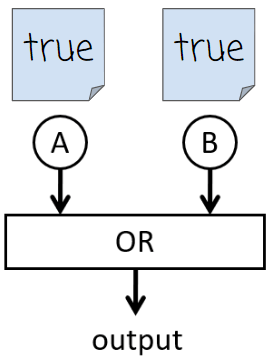
What is the output?
True
False
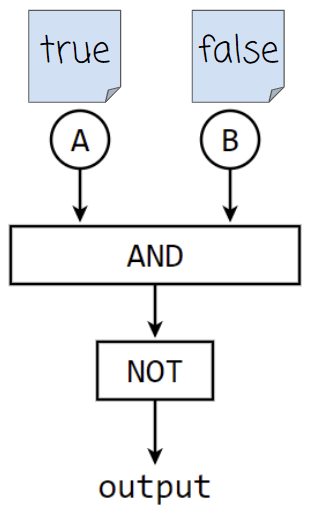
What is the output?
True
False
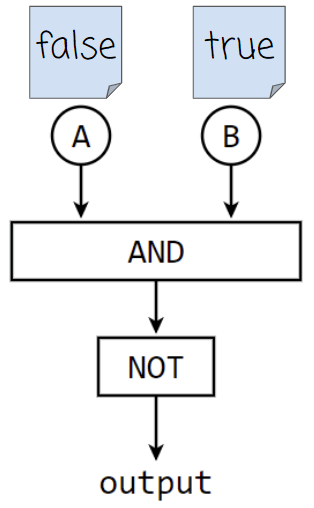
What is the output?
True
False
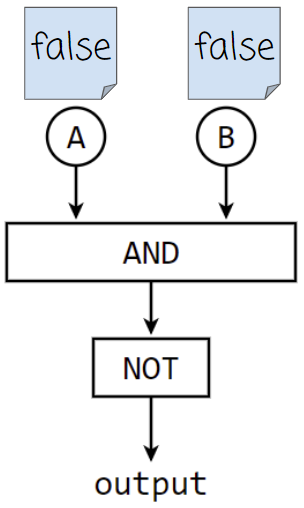
What is the output?
True
False
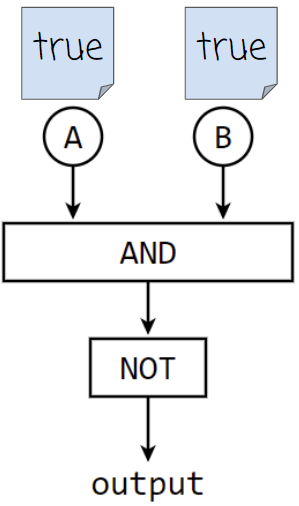
What is the output?
True
False
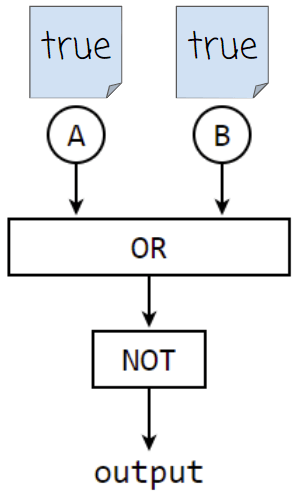
What is the output?
True
False
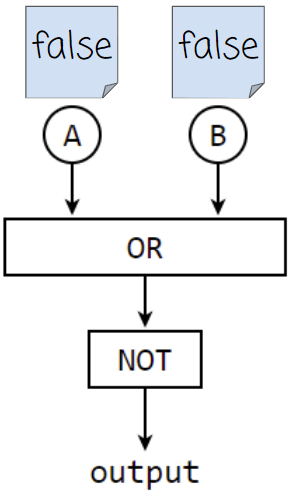
What is the output?
True
False
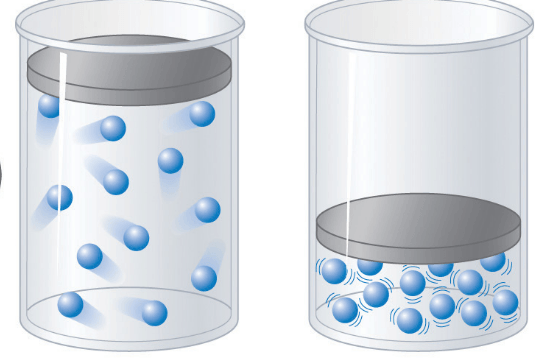
IF we are using Boyles' law and our Pressure goes UP, what must our volume do?
Go UP
Go DOWN
Stay the same
Wrong law.
True or false: A single acting cyclinder requires only one air supply?
TRUE
FALSE
How many springs does a double-acting cylinder contain?
0
1
2
A plunger, a push button and a solenoid are all examples of what?
Motors
Valves
Cylinders
Actuators

The name of the following ISO symbol is_____________
Single acting cylinder
Telescopic cylinder
Double acting cylinder
none of them

The name of the following ISO symbol is_____________
Single acting cylinder
Telescopic cylinder
Double acting cylinder
none of them
Define pneumatics
Used compressed air to do work
Used oil to do work
Used juice to do work
none of them.
Function of one way flow control valve ______________
control the flow rate in one direction only
control the flow rate in one direction only and free flow in the opposite direction.
control the flow rate in two directions
none of them
The function of double acting cylinder ______________
creates straight force in one direction only
creates rotary movements in two directions
creates straight forces in two direction (push and pull)
creates rotary movements in one direction
The function of single acting cylinder ______________
creates straight force in one direction only
creates rotary movements in two directions
creates straight forces in two direction (push and pull)
creates rotary movements in one direction
How many kg is 250 g?
2.5 kg
250,000 kg
0.25 kg
25 kg
How many mm is 25 m?
250 mm
0.25 mm
2,500 mm
25,000 mm

