
 Worksheets
World History 9 Wks 3rd Term
Total questions: 70
Worksheet time: 18hrs 30mins
Which of these statements is most likely to be made by a proponent of natural law and natural rights?
God grants monarchs the authority to rule and the duty to give people their rights.
People are irrational, so science is useless in figuring out human behavior.
History teaches that individual freedom is an impossible goal.
Government does not grant rights; it protects them.

Rousseau wrote, “Man is born free, and everywhere he is in chains.” What kind of government did he favor in order to ensure greater freedom?
an absolute monarchy
an enlightened monarchy
an oligarchy
a popularly elected government

“We hold these truths to be self-evident, that all men are created equal, that they are endowed by their Creator with certain inalienable rights, that among these are life, liberty, and the pursuit of happiness . . .”— The Declaration of Independence
Which Enlightenment thinker most directly influenced the notion expressed in this passage?
Thomas Hobbes
John Locke
Jacques Bossuet
Baron de Montesquieu

Allows businesses to operate with little or no government intervention. “Government Hands Off”
laissez-faire
natural rights
social contract
natural law

One similarity between the French and American Revolutions is that they both started because of an unfair tax burden.
True
False

[p4] The Catholic Church attacked Galileo because he defended they system that said the _______ revolved around the ______.
Earth... Sun
Sun... Earth
Stars... Moon
Moon... Earth
The belief that an Absolute Monarch’s right to rule came directly from God is called what?
Baroque
Divine Right
Heliocentric Theory
Enlightenment
Choose ALL the right answers. Which rights did John Locke believe all men were entitled to?
Life
Liberty
Property
Happiness
Select all of the following events that were influenced by the Enlightenment -
American Revolution
French Revolution
Latin American Revolutions
Haitian Revolution
All of the following were characteristics of the Colonial System in Latin America BEFORE Revolution EXCEPT for -
Colonial governments mirrored the parent country governments
Catholic church had a strong influence
Forced mining of precious metals for export was a major economic element
Enlightenment values were widely accepted
Which statement best expresses the ideas of the Scientific Revolution?
Religious authorities are responsible for understanding and interpreting new information.
Superstition and magic are important aspects of the natural world.
Scientific ideas should be made to conform with existing thought systems.
People should use reason and experimentation to draw scientific conclusions.
How were the ideas of the Enlightenment shared?
Books
Salons
Coffeehouses
All the above
Enlightenment thinkers like Locke and Montesquieu, stated government power should not be held by a single person/small group. Instead, they should be divided into 3 branches, including.... (Select ALL that are correct)
Legislative
Executive
Judicial
Mercantile
Which of the following are Enlightenment thinkers/scientists?
Newton
Galileo
Voltaire
Luther
Columbus


Who proposed a mathematical system using REASON and LOGIC to find new truths through this type of scientific method.
Bacon
Newton
Boyle
Descartes
Select the negative effects of the Industrial Revolution:
Pollution
Overcrowded cities
Poor working conditions
Increase in wages
The process of an area growing larger, with an increase in population, production of goods and services, and availability of a variety of options to fulfill one's wants and needs is called
industrialization
urbanization
materialism
commercialism
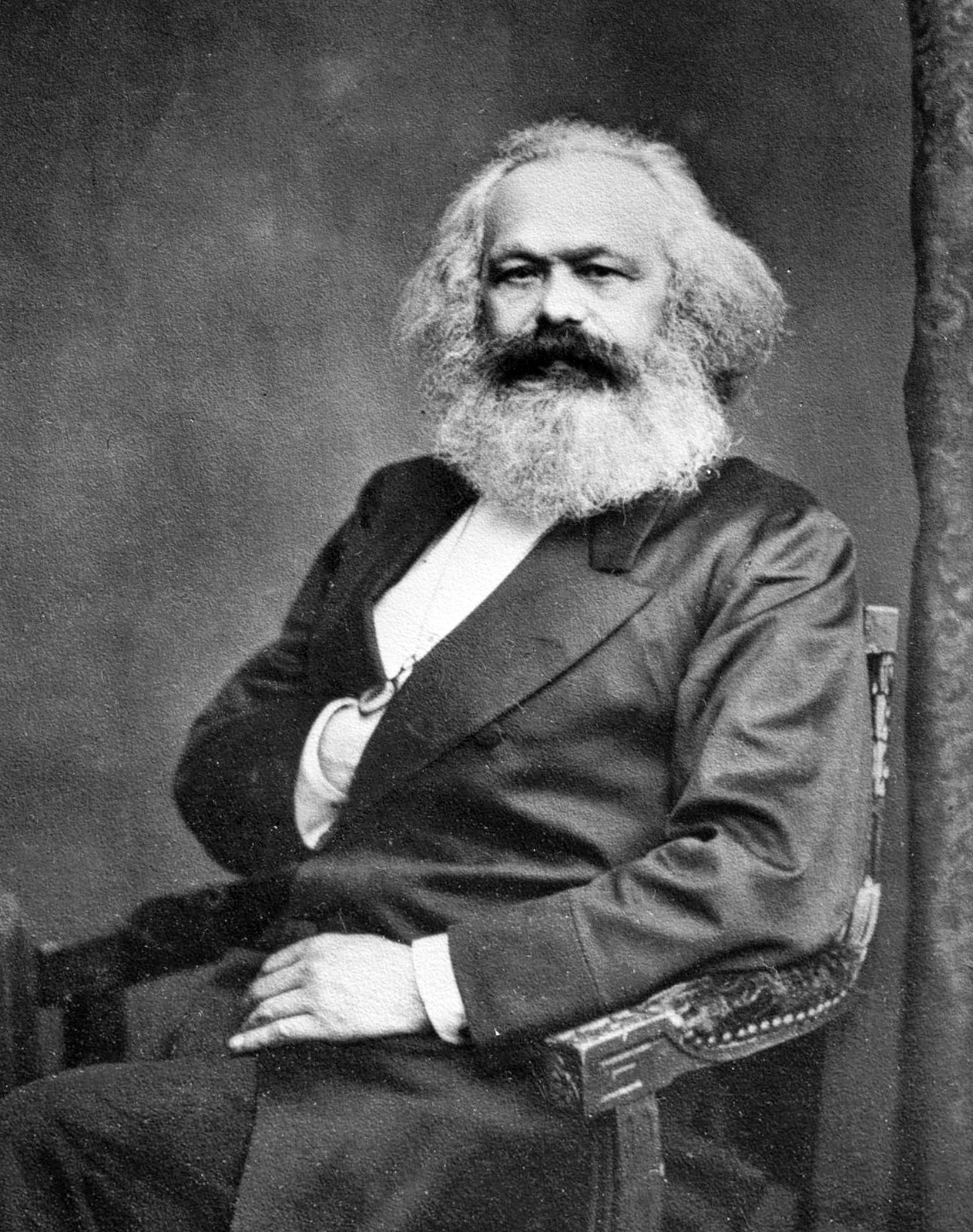
Karl Marx spelled out how he believed that workers should rise up against factory owners, outlining the basic principles of
capitalism
socialism
communism
command economies
Which of the following best describes industrialization?
nations began to rely on one another for trade of various goods and resources after the beginning of the Industrial Revolution
smaller nations needed assistance from their larger neighbors, so they formed trade alliances
more and more people began to move to cities, away from rural areas
advancement in technology to produce goods on a larger scale and a reliance on manufacturing of goods instead of individuals producing goods themselves

Steam engines could be made with stronger iron when:
more trees were cut down for fuel.
coal replaced wood for fuel.
railroads carried passengers.
steamships were developed.

Which of the following is considered an impact of Industrialization during the 18th and 19th centuries?
Increased competition between industrialized nations
Rise of global inequalities
Transformation of society.
All of the above
The Industrial Revolution began in England, in what countries did the Industrial Revolution spread to quickly? (Choose 3)
Belgium
Germany
Italy
United States
France
Which of the following could be considered positive outcomes of the Industrial Revolution?
Urbanization
Overall increase in wages
Pollution
Faster transportation

Thomas Edison is credited with over 1000 patents during his lifetime. Which invention below would NOT be connected with him?


Western powers wanted to take over foreign lands because -
They needed new places to get natural resources
They wanted new markets to sell their goods
Ships needed places around the world to refuel
All of the above
The view that a nations most "fit" to survive had the right to dominate others
Dominator
Survivalist
Social Darwinism
Winner

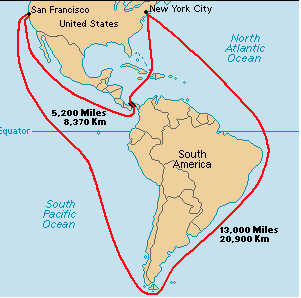

Which policy gave US the right to be the "policemen of the Western Hemisphere"
Roosevelt Corollary
Good Neighbor Policy
Open Door Policy
Marshall Plan

Why did Theodore Roosevelt help support a revolt against Columbia?
Columbia refused to comply with trade agreements
He wanted to establish a naval base in Columbia
He wanted to establish a colony in Columbia
He wanted to build the Panama Canal
Choose all territories gained by US as a result of the Spanish American War...
Puerto Rico
Guam
Philippines
Hawaii
Choose all reasons for US imperialism...
the end of the frontier in the US
desire to compete against European empires
the need for more workers in the industrial age
the need for new markets and more natural resources
Which of the following best summarizes Dollar Diplomacy?
the US had a moral duty to help nations in need
the US should invest in foreign nations and US interests in these nations
the US should spread democracy to the backwards nations of Latin America
the US needed to remove itself for poor investments in foreign nations
9) WWI began when Austria-Hungary declared war on Serbia one month after:
Serbia tried to take more of Austria-Hungary's land.
Serbia burned their flag.
Archduke Ferdinand and his wife were killed.
The Lusitania was sunk.
Which area was called the "powder keg" of Europe and was the place where World War I began?
Balkans
Gallipoli
Western Front
Ottoman Empire
What is one thing that happens during "total war"?
Armies use ancient weapons.
Families ration their food supplies.
The president leads the military.
Soldiers attend universities for free.
To conserve energy during WWI, which of the following was introduced?
longer days
daylight savings time
Hooverizing
corn-based fuels corn-based fuels
What was the ruling in Schenck v. US?
separate but equal is okay
free speech can be limited with "clear and present danger"
right to bear arms could be limited for immigrants
Sedition Act was unconstitutional
Which of the following was NOT a weapon of WW1?
Chemical Gases
Planes
Tanks
Atomic Bomb
What lead to the sinking of the Lusitania?
Unrestricted German submarine warfare in the Atlantic.
Americans targeting German U-Boats at sea.
British Navy ships targeting American merchant ships.
German Navy targeting American Navy ships.
What eventually lead to America declaring war on Germany in World War 1?
German attack on America's coastline.
German sinking of American Naval battleships at sea.
The discovery of the Zimmerman Telegram.
German spies infiltrating the White House.
The first red scare in America was in response to the fear of what?
Communist ideals would spread into the U.S. government and society
America would be attacked along the coastlines.
German-Americans would rise up against the government.
There would be a bloody revolution due to our involvement in the war.
The "Big Four" consisted of leaders from which countries? (Select all)
United States
Britain
France
Italy
Russia
American citizens were encouraged to make certain sacrifices for their country. These include:
Purchasing War Bonds
Building homes
Growing Victory Gardens
Joining the Military
Opposing the War
African American artistic movement during the 1920s centered in New York.
Arts Renaissance
Civil Rights Renaissance
Hoboken Renaissance
Harlem Renaissance
Woodrow Wilson
Fourteen Points



