wayground logo

Free Printable Worksheets

NEW

Font size

S
M
L
XL
Worksheets

Weather maps and air masss

Total questions: 65

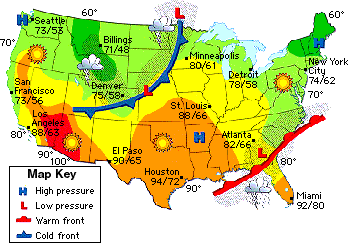
Worksheet time: 56mins

Name
Class
Date
1.
A cold front is approaching Minneapolis. What will happen to the air temperature?
a)
stay the same
b)
increase
c)
decrease
2.
A __________ is the lines between air masses.
a)
low pressure system
b)
high pressure system
c)
front
3.
True or False: Changes in wind speed and direction can indicate a storm or change of temperature
a)
True
b)
False
4.
The Earth's ____________ is the layer of gases that surround the planet and make it possible for living things to survive on Earth.
a)
atmosphere
b)
water cycle
c)
shell
d)
land
5.
Water Vapor rises from the Earth's surface during this phase of the water cycle.
a)
Condensation
b)
Evaporation
c)
Precipitation
d)
Run Off
6.
Clouds form during this phase of the water cycle because water vapor cools and changes back to water droplets.
a)
Evaporation
b)
Precipitation
c)
Condensation
d)
Run Off
7.
An anemometer measurees
a)
wind direction
b)
wind speed
c)
air temperature
d)
rain fall
8.
Wind direction is measured by 
a)
wind (weather) vane
b)
anemometer
c)
barometer
d)
Rain gauge
9.
Evaporation is caused by 
a)
the sun cooling
b)
the sun's heat energy
c)
the moons heat energy
d)
the moon cooling
10.
The amount of precipitation in an area is measured and collected by which weather tool?
a)
Anemometer
b)
Rain Gauge
c)
Wind Vane
d)
Barometer
11.
A warm front means the air temperature will
a)
stay the same
b)
increase
c)
decrease
12.
A scientist who measures and predicts weather conditions is known as 
a)
an astronomer
b)
a geologist
c)
a meterologist
d)
a weatherologist
13.
A low pressure system is located over Georgia. What type of weather will they have?
a)
clear, sunny skies
b)
cloudy and rainy
14.
A high pressure system is located north of New York City. What type of weather will be experienced there?
a)
clear, sunny skies
b)
cloudy and rainy
15.
This weather tool will help measure temperature degrees in Fahrenheit and Celsius  
a)
Anemometer
b)
Thermometer
c)
Weather Vane
d)
Barometer
16.
Which statement best describe the importance of making weather predictions?
a)
not important at all
b)
somewhat important because they are always accurate information
c)
important because they can provide possible warnings to people  
17.

What is humidity?

a)

cold air

b)

hot air

c)

the amount of moisture in the air

d)

direction of a front

18.

What kind of front is this?

a)

warm

b)

cold

c)

occluded

d)

stationary

19.

What kind of front is: A warm air mass gets caught between 2 cold air masses, warm air rises up between the 2

a)

warm front

b)

occluded front

c)

warm front

d)

cold front

20.

What type of weather is the area marked with

an H MOST LIKELY having?

a)

sunny and warm

b)

rainy and warm

c)

Sunny and cold

21.
When air temperatures over the land are cooler than air temperatures over the ocean, a ______ will occur. 
a)
sea breeze
b)
land breeze
c)
atmospheric pressure 
d)
tornado 
22.
What weather map symbol is this: 
a)
Cold front
b)
Warm front
c)
Stationary front
d)
Occluded front
23.
In which direction is this front moving:
a)
west
b)
northwest
c)
southeast
d)
south
24.
The picture at the right shows warm air moving in and sliding over a cold air mass. This can cause long periods of precipitation and warmer temperatures. What is the name of this front.?
a)
cold front
b)
warm front
c)
stationary front 
d)
occluded front
25.

What front does this symbol show?

a)

Warm Front

b)

Cold Front

c)

Occluded Front

d)

Stationary Front

26.

What front does this symbol show?

a)

Warm Front

b)

Cold Front

c)

Occluded Front

d)

Stationary Front

27.

What front does this symbol show?

a)

Warm Front

b)

Cold Front

c)

Stationary Front

d)

Occluded Front

28.
Which type of energy transformation occurs when a flashlight shines?
a)
chemical → thermal → electrical
b)
chemical → electrical → light
c)
thermal → chemical → light
d)
chemical → electrical → chemical
29.
The Theory of the Conservation of Energy states -
a)
Energy can be created, just not destroyed. It changes its form from one type to another.
b)
Energy can never be created nor destroyed. It can only change its form from one type to another.
c)
The total energy in our Universe changes, as different forms of energies can be transformed from each other under certain circumstances.
d)
Energy transformations do not passively occur in our lives, rather we actively make use of energies and transform energies.
30.
Solar Energy is transferred to _____ Energy.
a)
Mechanical
b)
Solar
c)
Sound
d)
Electrical
31.
Electrical Energy is transferred to _____ Energy.
a)
Thermal
b)
Solar
c)
Electrical
d)
None
32.
Kinetic Energy is transferred to _____ Energy.
a)
Solar
b)
Electrical
c)
Thermal
d)
Potential
33.

We receive ________ and heat energy from the Sun.

a)

sound

b)

mechanical

c)

light

d)

kinetic

34.
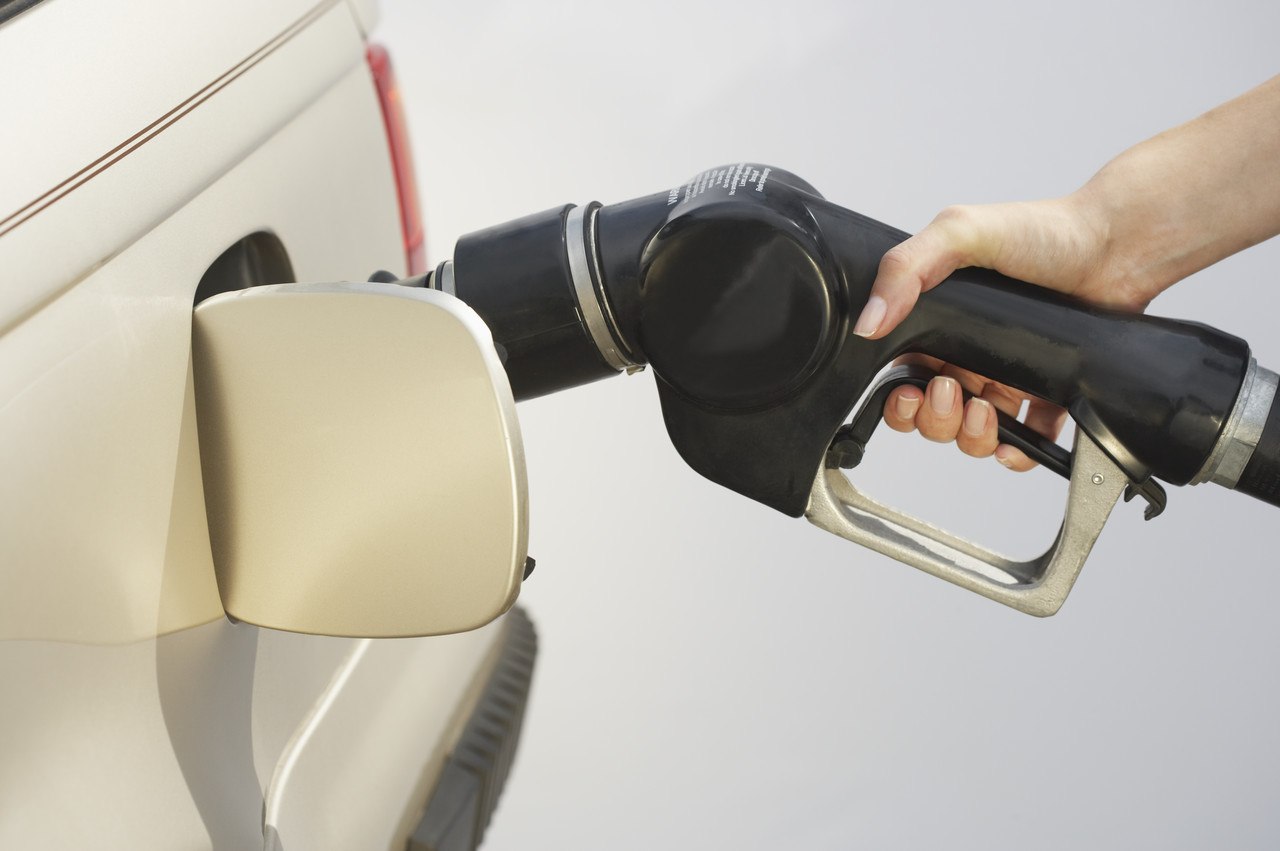
Which energy conversion is taking place when you put gasoline in a car?
a)
thermal -> electrical
b)
mechanical -> electrical
c)
chemical -> mechanical
d)
mechanical -> electromagnetic
35.
The roller coaster cart has the most gravitational potential energy at position-
a)
W
b)
X
c)
Y
d)
Z
36.
Where is the potential energy the greatest?
a)
A
b)
B
c)
C
d)
D
37.
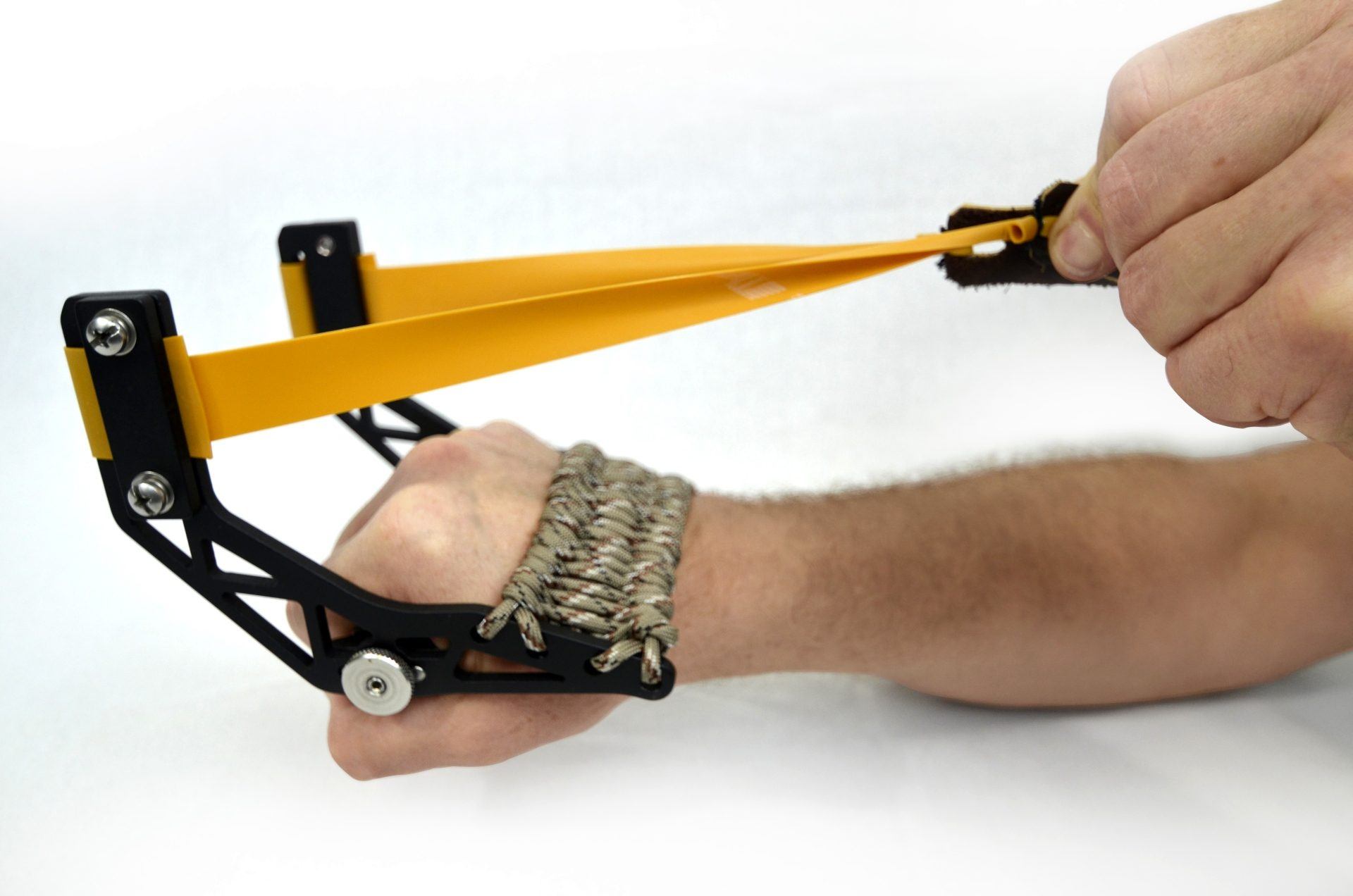
What type of energy is in this picture?
a)
Kinetic
b)
Potential
c)
Chemical
d)
Sound
38.

What is the unit for kinetic and potential energy?

a)

Meters

b)

Kilograms

c)

Watts

d)

Joules

39.

What energy transformations occur when a human eats a Big Mac?

a)

Convection

b)

Thermal Energy

c)

Kinetic Energy

d)

Chemical Energy

40.

What energy transformation occurs as an electric eel shocks its prey?

a)

Electrical --> Mechanical

b)

Thermal --> Electrical

c)

Chemical --> Electrical

d)

Radiant --> Electrical

41.

Hot water rises and cold water sinks. Is this:

a)

Convection

b)

Conduction

c)

Radiation

42.

Stir frying vegetables is an example of

a)

Convection

b)

Conduction

c)

Radiation

43.

A spoon in a cup of hot soup becomes warmer

a)

Convection

b)

Conduction

c)

Radiation

44.
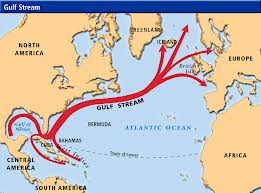
The Gulf Stream is a current that brings warm ocean water from the south to the north.
a)
conduction
b)
convection
c)
radiation
45.
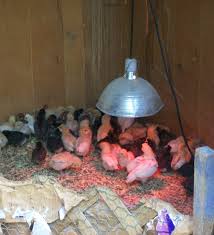
The baby chickens are kept warm from the heat lamps.
a)
conduction
b)
convection
c)
radiation
46.
What happens when ice cubes melt in a glass?
a)
Heat travels from the ice to the warmer water.
b)
No energy is transferred.
c)
Heat is transferred from the warmer water to the ice cubes.
d)
The water warms up due to the humidity
47.
What heat transfer happens when you burn your hand by touching a fire?
a)
Radiation
b)
Conduction
c)
Convectio
d)
I don't know!!!!!!!!!!!
48.

Which best explains why a wooden spoon can be used to stir hot soup on the stove?

a)

Wood is a good conductor of heat and transfers energy to the spoon.

b)

Wood is a poor conductor of heat and transfers energy to the spoon.

c)

Wood is a good conductor of heat and does not allow the transfer of energy to the spoon.

d)

Wood is a poor conductor of heat and does not allow the transfer of energy to the spoon.

49.
If an object has particles that are moving very quickly, the object 's temperature is probably _____.
a)
cold
b)
slow
c)
big
d)
hot
50.

The arrows in the picture below show several ways heat is transferred from the Sun as it strikes sand on the surface of a beach. Which arrow shows convection?

a)

1

b)

2

c)

3

d)

4

51.

Which of the following is true?

a)

As moose populations rise, wolf populations decrease.

b)

More moose mean less food for wolves.

c)

As wolf populations increase, moose populations decrease.

52.

The following are Abiotic Factors, EXCEPT...

a)

Caribou

b)

Soil

c)

Air

d)

Volcano

e)

seasonal Variations

53.
What will most likely happen to the foxes and the wolves if the rabbits are removed?
a)
The foxes will eat more wolves
b)
The foxes will eat fewer wolves
c)
There will be more foxes and wolves
d)
There will be fewer foxes and wolves
54.
Sea otters move into the ocean bay. They eat all of the sea urchins. This will cause a change in the 
a)
kelp to have less food
b)
crabs to have more food
c)
sea ducks to have less food
d)
arctic foxes to have more food
55.
Decomposers are important in a food chain because they 
a)
produce their own food using light from the sun
b)
break down the dead organisms and recycle nutrients into the soil
c)
stop the flow of energy from one organism to the other
d)
are microscopic and other organisms cannot consume them
56.

What do the arrows in a food chain/web represent?

a)

They point to the organism that is being eaten.

b)

They represent how water is transferred within a habitat.

c)

They show what direction the energy is flowing between organisms.

57.

1.What goes in Box 5 of the food web in the figure?

a)

herbivores

b)

Carnivores

c)

scavenger

d)

decomposer

58.

Which organism is a secondary consumer (3rd trophic level)?

a)

larvae

b)

capecod

c)

killifish

d)

snapper

59.

The removal of which organism will positively affect the population of Killifish?

a)

Snapper

b)

larvae

c)

Diatoms

d)

Capecod

60.

Hookworms can enter the body of animals or even humans. The hookworm attaches to the lining of the intestinal wall and feeds on blood. Its eggs are ejected into the digestive tract and the larvae (young hookworms) that hatch live off of the host’s blood. The host can suffer from blood loss, anemia and iron deficiency.

a)

commensalism

b)

mutualism

c)

parasitism

d)

predation

61.

Gall Insects lays their eggs in the leaves or branches of Oak trees. Oak trees provide shelter and food to the insect larvae.

a)

commensalism

b)

mutualism

c)

parasitism

d)

predation

62.

Honeyguide birds find a bee hive, then chatter loudly to attract the Honey badger. They fly toward the hive making sure the badger is following. Upon arrival at the bee hive, the badger tears open the hive and feasts on the honey. Then the Honeyguide bird feeds on the remaining wax and larvae.

a)

commensalism

b)

mutualism

c)

parasitism

d)

predation

63.
When taken to a new habitat, non-native plants often threaten native plants of the new habitat.  Why do they do this?
a)
Non-native plants are able to mutate rapidly
b)
Non-native  plants cause native animals to relocate
c)
Non-native plants are able to be used for medicine
d)
Non-native plants compete with native plants for resources
64.

How does plastic effect sea life?

a)

Microplastics create dead zones in the oceans.

b)

Plastics provide habitats for marine life.

c)

Wildlife such as dolphins, seals and seabirds often eat plastic, mistaking it for food.

d)

None of the above

65.
According to the pie chart, how much carbon dioxide emissions come from transportation?
a)
7.9%
b)
25.9%
c)
13.1%
d)
19.4%