
 Worksheets
QSE EXAM 3 REVIEW
Total questions: 81
Worksheet time: 49mins

Half the _________ in the offspring come from each parent.
genes
molecules
particules
substances
Males produce sex cells called ________ cells
sperm
male
egg
sex
Females produce sex cells called ________
eggs
sperms
ovaries
uterus
A sperm and an egg join together in a process called ________
fertilization
meiosis
condensation
mitosis
Sexual reproduction increases genetic _______
variation
division
explanation
condensation

What is the name of this process?
(a)
Organisms produced by asexual reproduction are genetically different from the parent organism.
False
True
In asexual reproduction, two parents each contribute a sex cell to the new organism.
True
False
An advantage of asexual reproduction is that favorable traits from the parent is passed on to the offspring.
True
False
The smallest biological unit of a living organism is a
cell
compound
element
molecule
Pairs of thread-like molecules, which live in the cell's nucleus, and carries heredity information are called
chromosomes
genes
DNA
mitosis
Fully grown parent cells split into two halves resulting in two daughter cells with the exact DNA as the parent.
Binary Fission
Budding
Fragmentation
Vegetative Reproductions
A parent cell breaks into pieces and each piece becomes a new offspring.
Binary Fission
Budding
Fragmentation
Vegetative Reproductions
Which is not an advantage for asexual reproduction?
Less genetic variation
No need for a mate
Quick
Produces more offspring

What type of asexual reproduction is taking place?
Binary Fission
Budding
Fragmentation
Regeneration
Vegetative Reproduction

What type of asexual reproduction is taking place?
Binary Fission
Budding
Fragmentation
Regeneration
Vegetative Reproduction

What type of asexual reproduction is taking place?
Binary Fission
Budding
Fragmentation
Regeneration
Vegetative Reproduction


What is the most important function of the excretory system?
break down food
pump blood
remove waste
voluntary movement

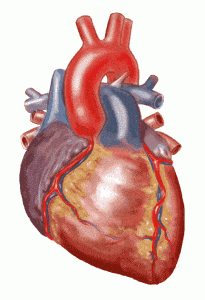
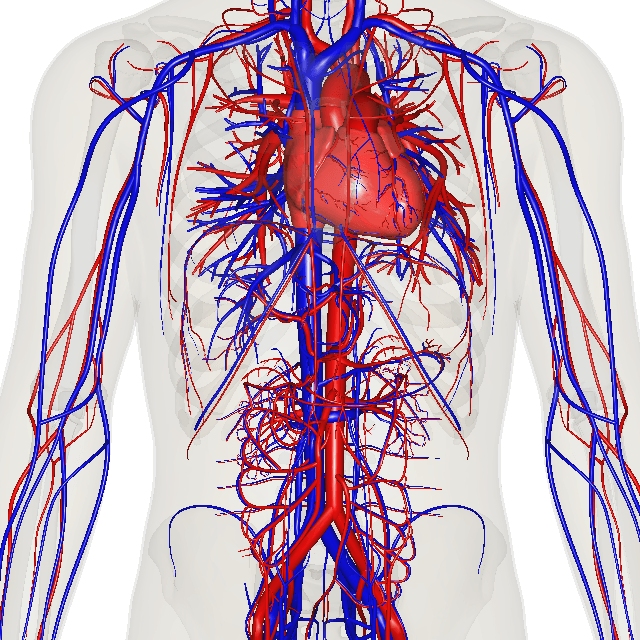
This is a complex system in our body that transports needed materials. It includes the heart and blood vessels.
skeletal system
respiratory system
digestive system
circulatory system
What is the biggest function of the respiratory system?
to pump blood
to help us digest food
to take in oxygen and release carbon dioxide
to help us fight disease and infection
Which two body systems are primarily responsible for gas exchange between the body and the environment?
skeletal and muscular
circulatory and respiratory
circulatory and digestive
respiratory and excretory
How does the respiratory system depend on the circulatory system in order to function?
The circulatory system brings waste gases to the lungs and exchanges them for oxygen.
The circulatory system provides structural support and protection to the respiratory system.
The circulatory system pushes gases out of the body through the mouth and nose.
The circulatory system sends messages to the lungs so that one can breathe in and out.
How does the immune system depend on the circulatory system in order to function?
The circulatory system produces antibodies used by the immune system.
The circulatory system sends bacteria and viruses to the immune system.
The circulatory system transports immune system cells throughout the body.
The circulatory system protects the immune system from diseases.
What is the most important function of the digestive system?
gas exchange
break down food into usable nutrients
voluntary movement
fight bacteria and disease
What is the biggest function of the muscular system?
to help digest food
to help us move
to help us breathe
to help us remove waste

This is a system in the body that includes the brain, spinal cord, and nerves. It coordinates and controls the body's actions.
digestive system
nervous system
circulatory system
muscular system
___________ are the building blocks of life.
Cells
Legos
Organs
Blood
A multicellular organism is made of ___________.
plant cells
animal cells
more than one cell
one cell
A living thing that is made up of organ systems.
Cell
Tissue
Organ
Organism
2 or more different kinds of tissues that work together
Cell
Organ
Tissue
Organ system
Organism
The smallest unit of a living thing
Cell
Tissue
organ
Organ system
Organism
2 or more organs that work together.
cell
tissue
organ
organ system
organism
Groups of similar cells that work together.
cell
tissue
organ
organ system
organism
An organism that is made up of many cells is called:
unicellular
multicellular
pluracellular
tricellular
When cells have specific jobs to carry out and the work is divided, this is known as
importante
specialized
star cell
executive operation
Which is the correct order for levels of organization from simple to complex?
cell, organ, tissue, organ system, organism
organism, organ system, tissue, cell, organism
cell, tissue, organ, organ system, organism
organ, tissue, cell, organism, organ system

This is an example of....
cell
tissue
organ
organ system
An organ in a plant is made up of....
root, stem, leaves
shoot systems & root systems
push and pull systems
glucose, water, and sunlight
Tissues are cells that have similar....
function and structure
likes and dislikes
replication
structure and movement
XX
Female
Male
XY
Female
Male

What is a gene
A long length of DNA that codes for a chromosome
A short length of DNA that codes for a chromosome
A short length of DNA that codes for a protein.
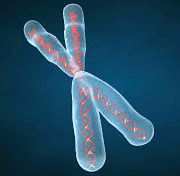
The number of human chromosomes is
23
46
92
64

Question


from largest to smallest... the correct order for genetic material would be
cell... nuclues...chromosome...DNA... gene
cell...chromosome...nucleus...DNA...gene
gene...DNA...nucleus...chromosome...cell
gene...DNA...chromosome...nucleus...cell

