wayground logo

Free Printable Worksheets

Font size

S
M
L
XL
Worksheets

Organic Macromolecules/Biomolecules 1

Total questions: 26

Worksheet time: 20mins

Name
Class
Date
1.
Made of monomers of amino acids
a)
Carbohydrates 
b)
Lipids
c)
Proteins 
d)
Nucleic Acids
2.
Made of monomers of monosaccharides
a)
Carbohydrates
b)
Lipids
c)
Proteins
d)
Nucleic Acids
3.
Made of monomers of nucleotides
a)
Carbohydrates
b)
Lipids
c)
Proteins
d)
Nucleic Acids
4.
Made of glycerol and fatty acids
a)
Carbohydrates
b)
Lipids
c)
Proteins
d)
Nucleic Acids
5.
Include sugars (ex. glucose) and starches
a)
Carbohydrates
b)
Lipids
c)
Proteins
d)
Nucleic Acids
6.
Include waxes, oils, steroids (hormones)
a)
Carbohydrates
b)
Lipids
c)
Proteins
d)
Nucleic Acids
7.
Includes catalase (enzyme), actin, and myosin (muscle fibers)
a)
Carbohydrates
b)
Lipids
c)
Proteins
d)
Nucleic Acids
8.
Includes DNA and RNA
a)
Carbohydrates
b)
Lipids
c)
Proteins
d)
Nucleic Acids
9.
Provide quick energy 
a)
Carbohydrates
b)
Lipids
c)
Proteins
d)
Nucleic Acids
10.
Waterproofs, insulates, and stores energy long-term
a)
Carbohydrates
b)
Lipids
c)
Proteins
d)
Nucleic Acids
11.
Speed up chemical reactions, protects against infections, and structural component of hair, skin, and muscles
a)
Carbohydrates
b)
Lipids
c)
Proteins
d)
Nucleic Acids
12.
Stores genetic information and carries out protein synthesis
a)
Carbohydrates
b)
Lipids
c)
Proteins
d)
Nucleic Acids
13.

Which organic molecule contains carbon, oxygen and hydrogen, often in a 1:2:1 ratio?

a)

carbohydrates

b)

functional groups

c)

enyzme

d)

monosaccaride

14.

Identify all of the organic molecules from the choices below: (more than one answer)

a)

H2O

b)

C5H10O5

c)

CO2

d)

C11H12N2O2

e)

CNCl

15.

Which organic molecule contains nitrogen? (and sulfur in two types of monomers that make up this molecule)

a)

carbohydrates

b)

lipids

c)

proteins

d)

nucleic acids

16.

The presence of which element in nucleic acids distinguishes them from proteins?

a)

nitrogen

b)

carbon

c)

sulfur

d)

phosphorus

17.

Is this hydrocarbon saturated or unsaturated? (put your arrow on the image to enlarge)

a)

saturated

b)

unsaturated

18.
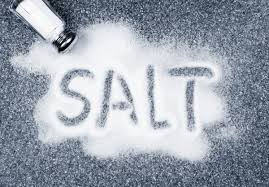
Is NaCl (table salt) a Organic or Inorganic Compound?
a)
Inorganic
b)
Organic
19.

This molecule is a(n) ____________.

(put your arrow on the image to enlarge)

a)

nucleic acid

b)

lipid

c)

protein

d)

carbohydrate

20.

What biomolecule is pictured here?

(put your arrow on the image to enlarge)

a)

protein

b)

lipid

c)

carbohydrate

d)

nucleic acids

21.

What biomolecule is this?

(put your arrow on the image to enlarge)

a)

protein

b)

carbohydrate

c)

lipid

d)

nucleic acid

22.

Triglyceride

a)

Carbohydrate

b)

lipid

c)

protein

d)

nucleic acid

23.

Forms the cell membranes?

a)

lipids

b)

carbohydrates

c)

proteins

d)

nucleic acids

24.

Which biomolecule helps form muscles?

a)

Nucleic Acid

b)

Carbohydrate

c)

Protein

d)

Lipids

25.

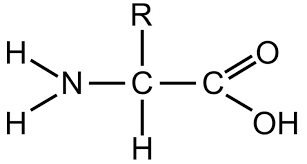
Identify the macromolecule associated with this image.

Remember CHO,CHO,CHON,CHONP.

a)

Protein

b)

Carbohydrate

c)

Lipid

d)

Nucleic Acid

26.

Identify the macromolecule associated with this image.

Remember CHO,CHO,CHON,CHONP.

a)

Protein

b)

Carbohydrate

c)

Lipid

d)

Nucleic Acid