
 Worksheets
Quarter 3 Review 2021
Total questions: 81
Worksheet time: 40mins

On election day, Jason voted for the senate candidate he thought would best serve his community based on his political views. What sort of government does Jason have?
direct democracy
representative democracy
oligarchy
monarchy
In an autocratic government (dictatorship), freedom of speech is usually...
protected by the government as a civil right
guaranteed in the governments' constitution
censored and controlled by the government
regulated only when it presents a clear and present danger

Which Enlightenment idea is represented by this image?
separation of powers
checks and balances
social contract
natural law
Which Enlightenment thinker created the idea of "social contract" theory, that was later incorporated into the Declaration of Independence by Thomas Jefferson?
John Hancock
Thomas Paine
Baron de Montesquieu
John Locke
Which Idea is from the Magna Carta?
The people should be completely free from the government.
The People should support a strong central government.
The Government should give people a fair and speedy trial.
The government should have unlimited power to tax.

The Barons made me sign this document in 1215 in which I promised to get their consent before I taxed them. What document did they make me sign?
English Bill of Rights
Magna Carta
Mayflower Compact
Declaration of Independence

We signed this document on our boat establishing a social contract and "rule of law." Which document did we sign?
English Bill of Rights
Magna Carta
Mayflower Compact
Declaration of Independence
This pamphlet got us fired up to declare our independence from Britain. This pamphlet fanned the flames of the American Revolution and gave us the motivation we needed to rise up against the British.
Common Sense
Mayflower Compact
Magna Carta
English Bill of Rights
What did many American colonists use Thomas Paine's Common Sense to justify?
Acts of sabotage against British merchants
Declaring independence from Britain
Joining the army instead of the militia
supporting the British monarchy
What type of democracy does the united states have?
Direct
Autocratic
Judicial
Representative
Indiana elects 2 senators to Washington DC.
Direct Democracy
Republic
A city holds a Town hall meeting to vote on naming the new park.
Direct Democracy
Republic
A teacher asks the class to vote on whether or not homework will be assigned.
Direct Democracy
Republic
Citizens are upset with how their Congressman voted so they plan to vote for a different person in the next election.
Direct Democracy
Republic
“rule by __________ .”
The Legislative Branch is the _______________ branch of the federal government.
Lawmaking
Law enforcing
Law ignoring
Court
How many TOTAL Senators do we have?
2
100
435
535
Which section of the Constitution talks about the Legislative Branch?
Article I
Article II
Article III
Article IV
How many total Representatives are there?
50
100
435
535
Who is the leader of the House of Representatives?
Vice President
President
Speaker of the House
Majority Leader
Who is the President of the Senate?
Majority Leader
Minority Leader
Vice President
President
Congress can pass bills over a presidential veto with ______ vote.
1/2
2/3
3/4
5/6
The powers that are listed in the Constitution that belong to Congress are called
implied powers.
enumerated powers.
congressional powers.
powerful powers.
Bicameral means
1 house.
2 houses.
3 houses.
4 houses.
Who approves presidential appointments, like ambassadors, judges, and cabinet members?
Senate
House of Representatives
Serves 2 year terms
Senate
House of Representatives
Serve 6 year terms
Senate
House of Representatives

What does the judicial branch do?
Interpret, or clarify, the laws of the United States
Judge the actions of the President
Participate on Judge Judy
Which is the highest court in the land?
The National Court
The Supreme Court
TD Garden basketball court
How many justices, or judges, serve on the U.S. Supreme Court?
5
7
9
11
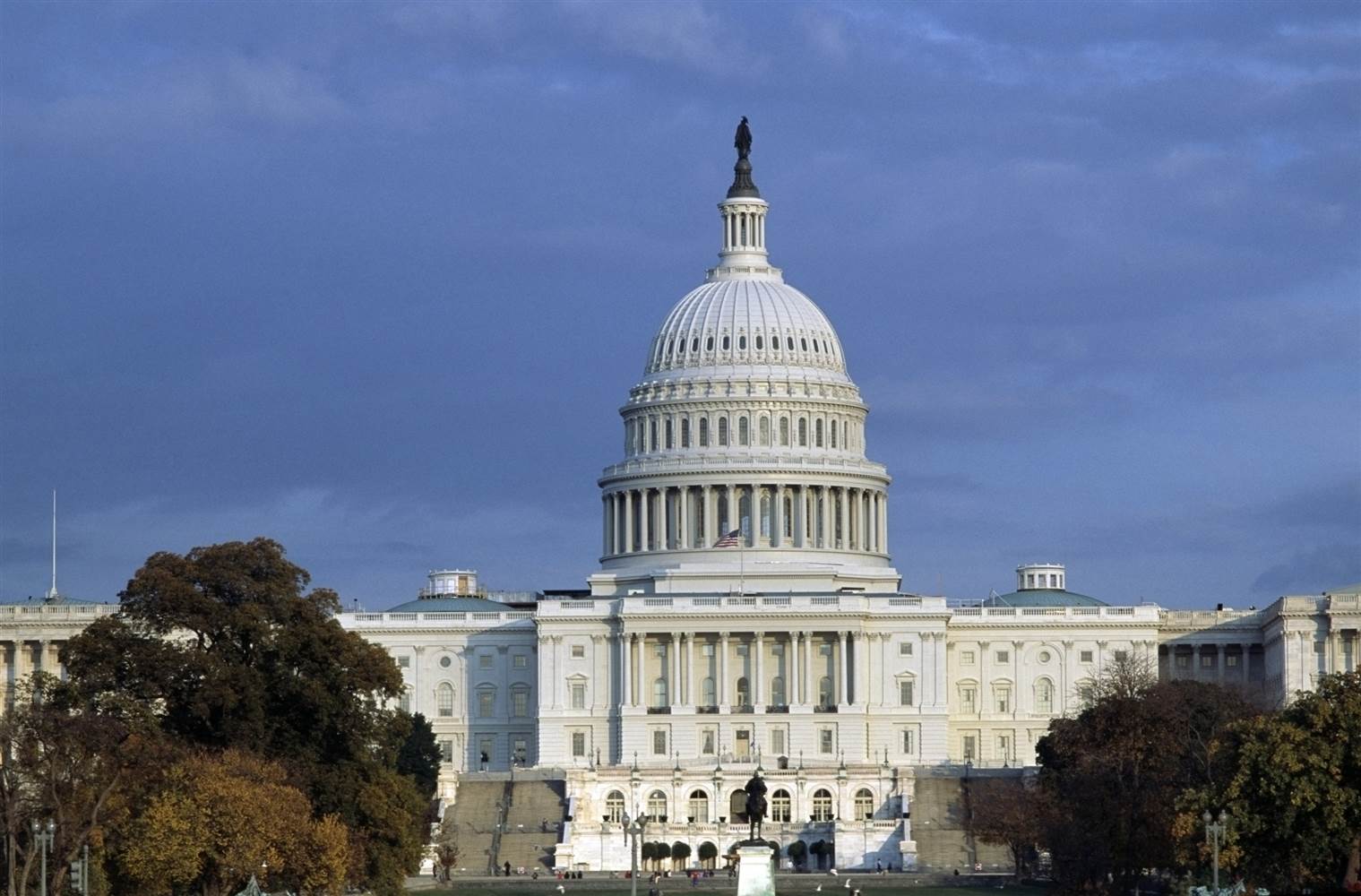
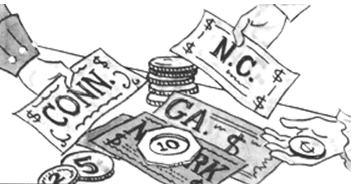
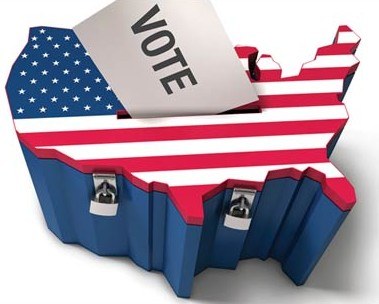
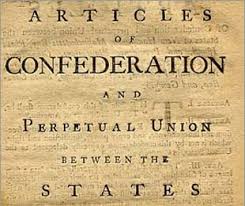
The introduction to the Constitution is called the ___.
Articles of Confederation
Declaration of Independence
Bill of Rights
Preamble
According to the Preamble, the authority of the federal government comes from the ___.
electoral college
states
people
President
In the Preamble, We the People means the ___.
Constitution was written for all the people of the United States
Constitution was only written for the delegates at the Constitutional Convention.
people who actually authored the constitution.
people of Philadelphia
The promise from the Preamble that describes our military is ___.
provide for the common defense
insure domestic tranquility
form a more perfect union
secure the blessings of liberty
The promise from the Preamble that describes our freedom is ___.
secure the blessings of liberty
provide for the common defense
insure domestic tranquility
promote the general welfare
The promise from the Preamble that mentions the idea of fairness is ___.
promote the general welfare
insure domestic tranquility
establish justice
provide for the common defense
The promise from the Preamble that describes peace in our country is ___.
establish justice
provide for the common defense
promote the general welfare
insure domestic tranquility
The Preamble lists the ___ of the United States Constitution.
grievances
unalienable rights
purposes
weaknesses
After a change to the constitution has been proposed by 2/3 of both Houses of Congress, what fraction of the state legislatures must ratify (approve) the amendment before it is added to the U.S. Constitution?
2/3
1/2
3/4
1/3

Which amendment is represented in the picture?
19th
24th
26th
15th

Which amendment is represented in the picture?
15th
19th
23rd
26th
It is difficult to amend the constitution because the framers wanted to make sure _____.
changes were only made when absolutely necessary
no one ever changed the Constitution
hardly anyone got a say
the President got all the say
Changed the voting age from 21 to 18 years of age.
15th Amendment
26th Amendment
23rd Amendment
24th Amendment
Gave citizens who live in Washington, DC the right to vote in presidential elections.
15th Amendment
16th Amendment
24th Amendment
23rd Amendment
Gave citizens the right to vote regardless of race, color, or previous conditions of servitude.
23rd Amendment
24th Amendment
15th Amendment
19th Amendment
What was the issue in Tinker v. Des Moines (1969)?
The students and parents sued the school district claiming a violation of their first Amendment right of freedom of speech.
The school district wanted to search the bags of the students.
The parents did not want their children wearing black arm bands in school.
The students felt that their freedom of religion was violated.
What was the Supreme Court's response to siding with the students and parents?
The first amendment is irrelevant to this case.
Parents and students have a stronger say in decisions than schools.
Students have unlimited rights in expression.
Students and teachers don't shed their constitutional rights to freedom of speech or expression.

