
 Worksheets
Molecular Geometry and polarity
Total questions: 37
Worksheet time: 6hrs 10mins



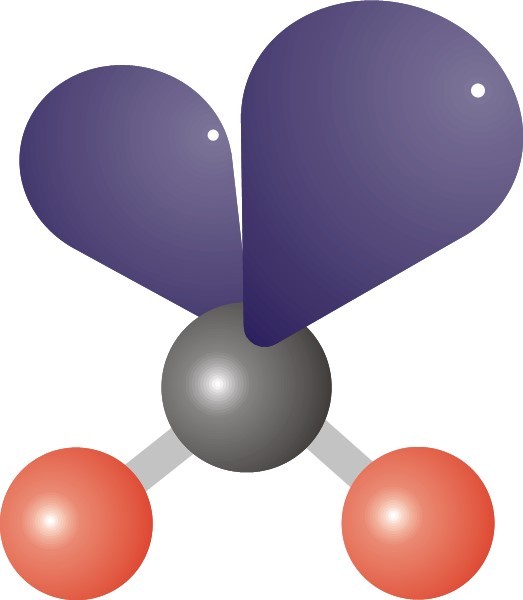
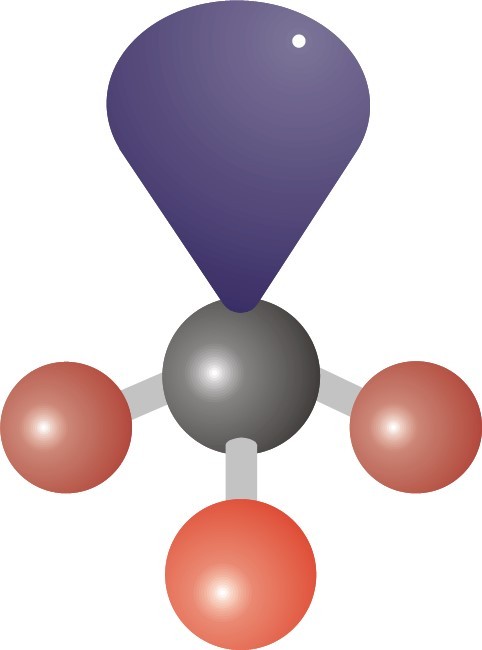

This molecule is
ionic
polar
nonpolar

Is this molecule polar or non-polar?
Polar
Non-polar

Is this molecule polar or non-polar?
Polar
Non-polar

Is this molecule polar or non-polar?
Non-polar
Polar

Is this molecule polar or non-polar?
Non-polar
Polar

electrons are less attracted to F than H
(partially positive)
electrons are more attracted to F than H
(partially negative)


In a polar covalent molecule, the electrons are shared _________________
evenly and the molecule has symmetrical electron distribution
unevenly and the molecule has asymmetrical electron distribution
evenly and the molecule has asymmetrical electron distribution
unevenly and the molecule has symmetrical electron distribution
Which of the following describes the molecule O2 and its electron distribution around the entire molecule?
polar and symmetrical
nonpolar and asymmetrical
nonpolar and symmetrical
polar and asymmetrical
An example of a covalent compound is
sodium floride
calcium chloride
carbon dioxide
all of the above

Which of the following is NOT true of this type of bond?
The atoms could have an electronegativity difference of 1.0
The electron distribution is symmetrical
It could occur between a phosphorus and chlorine atom
The red represents the more negative atom

Assuming the red dots represent electrons, the bond between these two atoms can be classified as..
Polar bond
non polar bond
ionic bond
Which of the following molecules would have ionic bonds?
MgCl2
CH4
O2
PCl3
A covalent bond occurs between a
Metal and non metal
two nonmetals
two metals
In a polar molecule, electron distribution around the entire molecule is
symmetrical
asymmetrical
What makes a molecule nonpolar? (check all that apply)
No lone pairs on the central atom
uneven electron distribution
all terminal (outside) atoms are the same
a large electronegativity difference between the two elements in the molecule
Classify the polarity of this molecule
polar covalent
nonpolar covalent
ionic
The electrons in an ionic molecule are shared...
Evenly
Unevenly
Electrons are not shared
None of the Above

In a polar covalent bond, the electrons spend more time and localize around the atom...
with the Greatest Electronegativity
with the Lowest Electronegativity
Each atom Equally

In a nonpolar covalent bond, the electrons spend more time and localize around the atom...
with the Greatest Electronegativity
with the Lowest Electronegativity
Each atom Equally
Look at this covalent molecule as a whole. What type of molecule is it? (Is it symmetrical?)
Polar
Non-polar
Ionic
Look at this covalent molecule as a whole. What type of molecule is it? (Is it symmetrical?)
Polar
Nonpolar
Ionic

Look at this covalent molecule as a whole. What type of molecule is it? (Is it symmetrical?)
Polar
Nonpolar
Ionic

Look at this covalent molecule as a whole. What type of molecule is it? (Is it symmetrical?)
Polar
Nonpolar
Ionic

When you have Li-O, what is the polarity?
nonpolar
polar
ionic

