Wayground logo

Free Printable Worksheets

Font size

S
M
L
XL
Worksheets

CA 7 Review

Total questions: 27

Worksheet time: 18mins

Name
Class
Date
1.

what objective will NOT be tested on ca 7 ?

a)

photosynthesis

b)

Food webs/chains

c)

Cell organelles

d)

Symbiosis

2.

What is the main purpose of photosynthesis?

a)

To make food

b)

To release oxygen

c)

To create energy

d)

To absorb sunlight

3.

What are the 2 products of photosynthesis? The products are the things made in the process of photosynthesis.

a)

water, sunlight

b)

glucose, carbon dioxide

c)

oxygen, glucose

d)

sunlight, oxygen

4.

Which product is "waste" and mostly released by the producer (plant)?

a)

oxygen

b)

carbon dioxide

c)

sugar

d)

glucose

5.

How does oxygen get released by the producer (plant)? Name the structure in the leaf.

a)

stomata

b)

xylem

c)

phloem

d)

chloroplast

6.

Which of the following are TRUE statements? (Select ALL that apply)

a)

Photosynthesis takes place in the chloroplasts of leaf cells

b)

Photosynthesis means "making food using sun"

c)

Photosynthesis can occur in the dark

d)

All plants, plant-like protists, and some bacteria go through photosynthesis

7.

What are the 3 reactants of photosynthesis? The reactants are the things needed for photosynthesis to occur.

a)

oxygen, glucose, sunlight

b)

sunlight, oxygen, water

c)

water, oxygen, carbon dioxide

d)

carbon dioxide, sunlight, water

8.
Which best describes what a food chain shows you?
a)
Energy flow through an ecosystem
b)
Food flowing through an ecosystem
c)
Consumers going into other consumers
d)
Who eats who
9.
What are plants called in a food chain?
a)
Producers
b)
Consumers
c)
Decomposers
d)
Scavengers
10.
What are the organisms that break down dead stuff?
a)
Producers
b)
Consumers
c)
Decomposers
d)
Organisms
11.
What is the role of decomposers in a food chain?
a)
Use sunlight to make food
b)
Eat other organisms to gain energy
c)
Make the food for the whole food chain
d)
Break down dead organisms and add nutrients to the soil
12.
Which of these is true about this food web?
a)
The Owl gets its energy from the producer.
b)
The Lion gets its energy only from a wild cat.
c)
The Kite gets its energy from the goat.
d)
The Mouse is most likely to die, several ways.
13.
The arrows in a food chain or web represents what?
a)
They point to the organism that is being eaten.
b)
It shows how sunlight flows within an ecosystem.
c)
They show what direction the energy is flowing between organisms. 
d)
They represent how water is transferred within a habitat.
14.
The largest group of organisms found in a food web would be:
a)
Primary Consumers
b)
Producers
c)
Decomposers
d)
Tertiary Consumers
15.
What may happen if the snowshoe hare was removed from the food web pictured?
a)
The insects in the habitat would increase.
b)
The shrew population would decrease due to being only hawk food source.
c)
The willow tree population would decrease.
d)
Foxes would dies due to no food source. 
16.
A pyramid shape is used to show the amount of available energy at each trophic level because... 
a)
energy decreases as you go up the food chain, just like the pyramid shape gets smaller as you go up. 
b)
energy increases up the food chain just like the pyramid shape gets smaller as you go up. 
c)
energy amounts are the same at each trophic level
17.
In this energy pyramid, what is the proper name for ANY ORGANISM ABOVE THE PRODUCER LEVEL?
a)
decomposers
b)
consumers
c)
producers
d)
omnivores
18.
What is the sun's role in the energy pyramid?
a)
to produce chemical energy for the ecosystem.
b)
to provide radiant energy for producers to convert to chemical energy. 
c)
to start the energy flow of the ecosystem. 
d)
to provide mechanical energy for producers to convert to chemical energy. 
19.
In the energy pyramid below, which organism has the least amount of energy available?
a)
Producers
b)
Herbivores
c)
Carnivores
d)
Top Predator
20.
In this food pyramid, which level has the greatest amount of energy?
a)
Producers
b)
Primary Consumers
c)
Secondary Consumers
d)
Tertiary Consumers
21.

How much of the energy in each level of a ecological pyramid gets LOST as heat or used by the organism so that it CANNOT be passed on to the next trophic level?

a)

80%

b)

90%

c)

10%

d)

20%

22.
Cattle egrets forage (feed) in fields among cattle. The egret gets easy access to flying insects stirred up by the cattle, and the cattle don't care if they are there or not.
a)
mutualism
b)
commensalism
c)
competition
d)
parasitism
23.
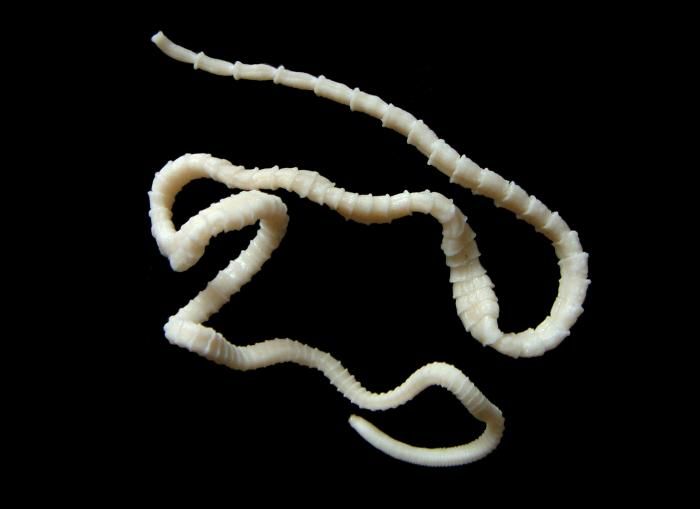
A tapeworm and a cat have this type of relationship.
a)
mutualism
b)
parasitism
c)
commensalism
d)
competition
24.
What type of symbiosis?  Hummingbirds feed on nectar from flowers.  The flowers are pollinated by hummingbirds as they move from flower to flower.
a)
commensalism
b)
mutualism
c)
parasitism
d)
predation
25.

Aphids are tiny insects that live on and eat the leaves of plants, removing vital nutrients from the plants.

a)

Predation

b)

Parasitism

c)

Commensalism

d)

Mutualism

26.
Barnacles create home sites by attaching themselves to whales. This neither harms nor benefits the whales.  What kind of relationship is this?
a)
Mutualism 
b)
Parasitism 
c)
Commensalism 
27.

Barnacles create home sites by attaching themselves to whales. In this relationship, the whales are neither harmed nor benefited. What type of symbiosis is this relationship?

a)

parasitism

b)

commensalism

c)

mutualism