
 Worksheets
Periodic law and Bonding
Total questions: 36
Worksheet time: 27mins
Which of the following has a full valence shell?
Oxygen
Neon
Barium
Carbon
Which type of bond has an equal sharing of electrons?
Polar Covalent
Non Polar Covalent
Ionic
Metallic
Atoms gain or lose electrons to become stable by satisfying this rule.
Lewis Structure rule
Periodic Law
octet rule
Ionic Law

This could be the dot diagram of
Ne
H
C
Ge
What usually forms the positive ion?
Metal
Non Metals
None
Covalent compounds _________.
Share electrons
transfer electrons
contain a sea of electrons
conduct electricity
What two types of atoms make a covalent bond?
2 Non metals
1 Non metal and 1 Metal
2 Metals
2 Noble Gases
Predict the bond that will form between Be and F.
Ionic
Covalent


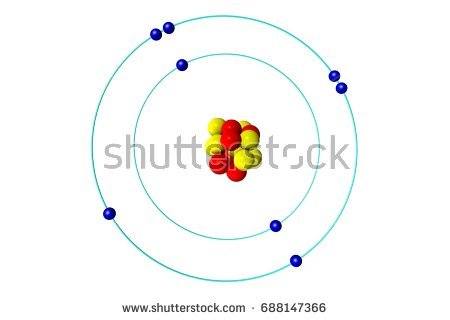
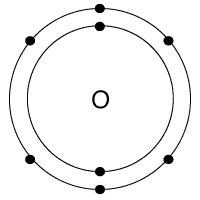
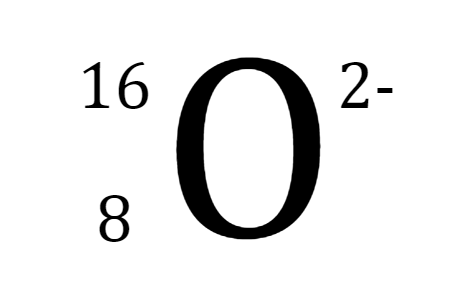
Which is the correct Lewis Structure for oxygen?

Does the following reference Polar, Nonpolar, or both:
"unequal sharing of electrons"?
Polar
Nonpolar
Both
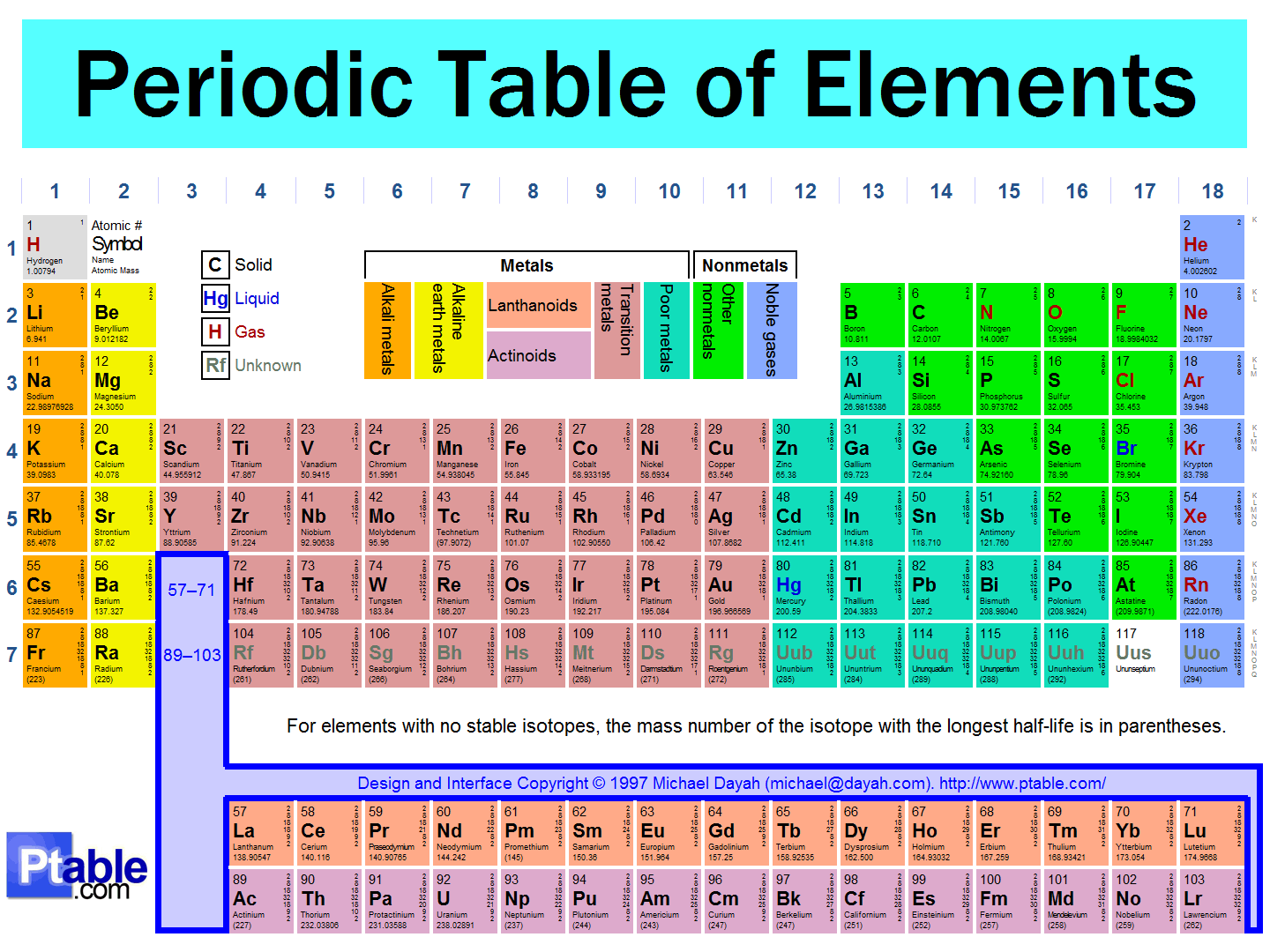
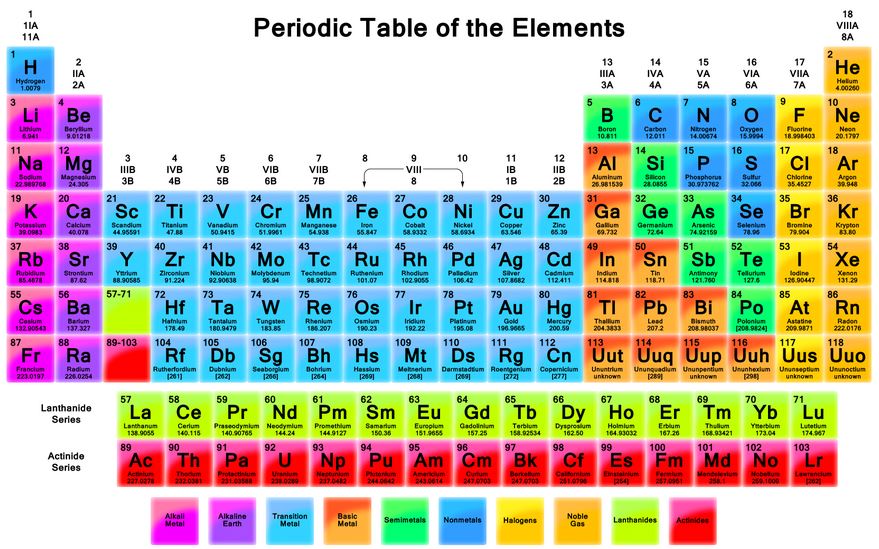
The vertical (up and down) columns in the Periodic Table are called
groups
towers
periods
atomic numbers
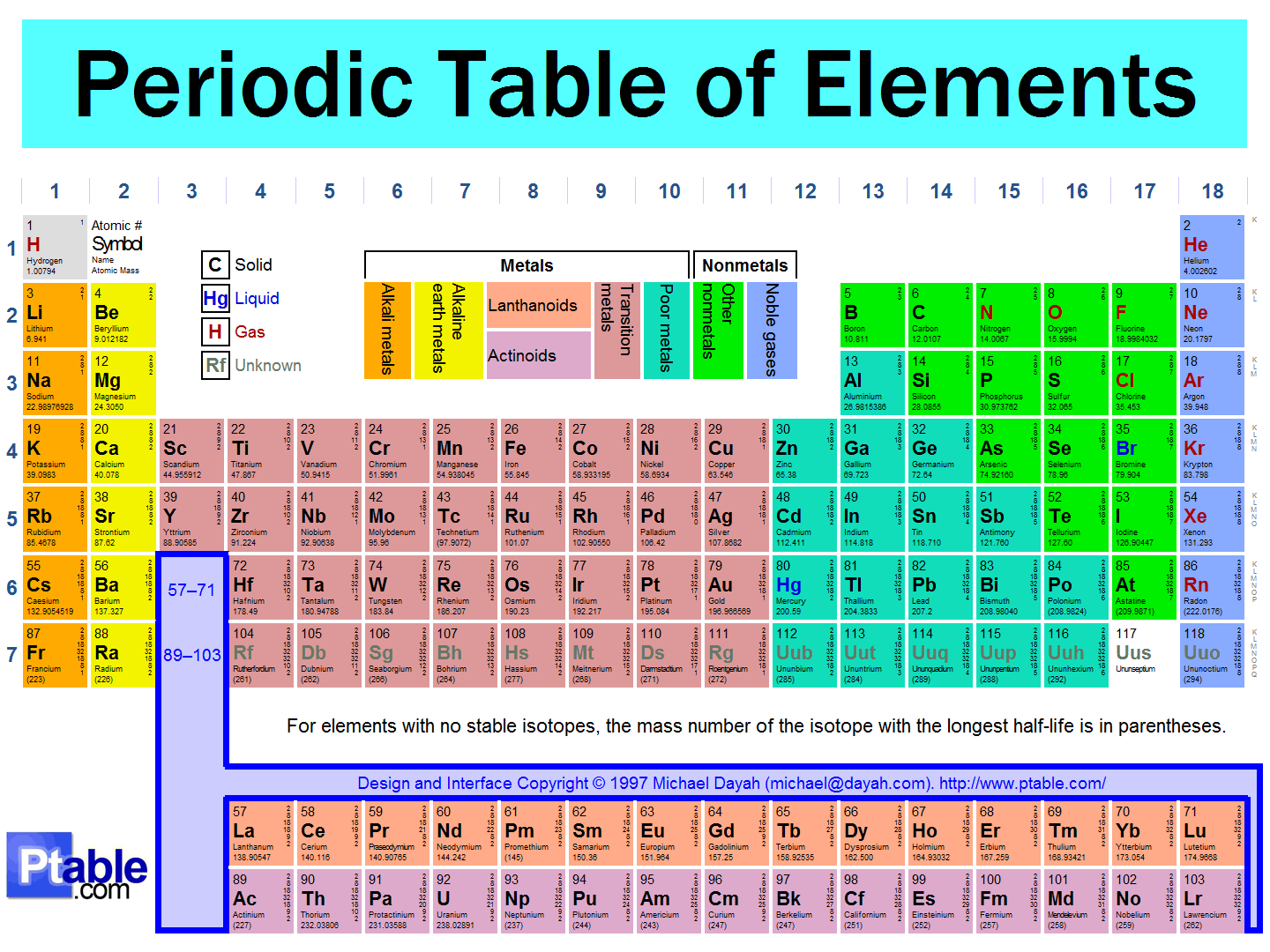
The horizontal (side to side) rows in the Periodic Table are called
groups
families
periods
atomic numbers

What is the name of the group that never reacts
noble gases
transition
halogens
borons
Elements that are shiny, conduct electricity and heat are called:
metal
nonmetal
metalloid
radioactive
What are the elements along the dark line on the periodic table called?
metals
nonmetals
metalloids
noble gases
Atoms in the periodic table get bigger when going down a column or group. This is because:
The atoms have more mass.
The atoms have more protons.
The atoms have more energy levels.
The atoms have more neutrons.
As you move across the periodic table atoms tend to get smaller because:
the atoms have more mass.
the atoms have more neutrons.
the atoms have more protons.
the atoms have energy levels.
As we go from the left side to the right side on the periodic table, electronegativity:
Increases
Decreases
Remains constant
Which of the following elements has the highest electronegativity?
Cl
Si
Mg
Ca
Atoms that have a high electronegativity:
give up their electrons easily.
hold on to their electrons tightly.
have more electron shells.
prefer to share their electrons.
The energy required to remove the most loosely bound electron is the definition of:
Electronegativity
Electron Affinity
Atomic Radius
Ionization Energy
Which of the following will have a lower ionization energy than Scandium (Sc)?
Helium (He)
Titanium (Ti)
Calcium (Ca)
Magnesium (Mg)

