
 Worksheets
Chemistry
Total questions: 152
Worksheet time: 13hrs 40mins
An electron is
positively charged
neutral
negatively charged
atomic number is
the number of protons
the number of electrons
the number of neutrons
the location of an atom on the periodic table
Atomic Mass is the number of
protons and neutrons in the nucleus of an atom
protons and electrons in the nucleus of an atom
neutrons and electrons in the nucleus of an atom
Conservation of mass means
all the atoms present before a chemical reaction are not present after
atoms present before chemical reactions are present after
new substances and new elements are formed in a chemical reaction
An elements is
a substance that cannot be split into simpler substances
a substance that can be split into simpler substances
A pure substance that is a compound is made out of
particles of more than one type of atom
particles of the same type of atom
a mixture of two or more substances that can be physically separated
A molecule is
a singular particle of a particular element
another name for an element
2 or more atoms that are combined
which of the statements on physical changes are correct
A physical change cannot be reversed
A physical change is a change in state
A physical change is a change in form
A physical change is where new substances are formed
Signs of a chemical change include;
change of colour, change of temperature, precipitate (solid) formed, gas released.
change of colour, reversing back to original form, precipitate (solid) formed, gas released.
Characteristics of metals on the periodic table are
they are not able to be oxidised
they are poor conductors of heat and electricity
have free electrons
Water is the product of the reactants:
oxygen and water
oxygen and carbon
hydrogen and oxygen
In a chemical reaction, reactants contact each other, bonds between atoms in the reactants
are broken, and
atoms rearrange and form new bonds to make the products.
atoms remain the same and do not form new bonds to make the proudcts
The type of reaction that releases energy as heat is called
endothermic
exothermic
respiration
photosynthesis
if an acid is diluted it
has a large amount of water mixed into it
has a small amount of water mixed into it
is very 'acidus' sour
is corrosive and cannot be eaten
When an acid reacts with a metal following is the product
salt + hydrogen
salt + carbon dioxide + water
bases are the same as an acid
true
false
Bases that dissolve in water are called
caustic
alkalis
reactants
products
A Ph scale of7/8 is
acidic
neutral
basic
To neutralise an acid you add a
acid
base
Ph indicator
equal amount of water
The 'conservation of mass' theory tells us when a chemical reaction occurs in a closed system
there will be no change in mass
there will be a change in mass as it cannot be directly weighed and may dissipate
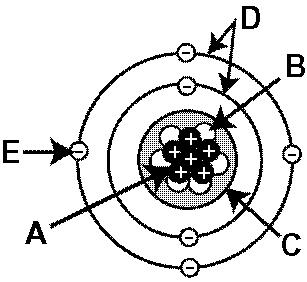
In the atom diagram shown, A is pointing to the darker particles, these are known as
electrons
protons
neutrons
the nucleus
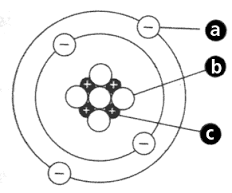

In this chemical equation, the elements in red are the_______.
Products
Reactants
Subscripts
Coefficients
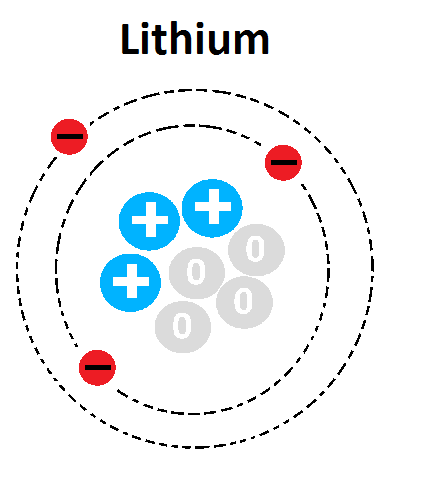
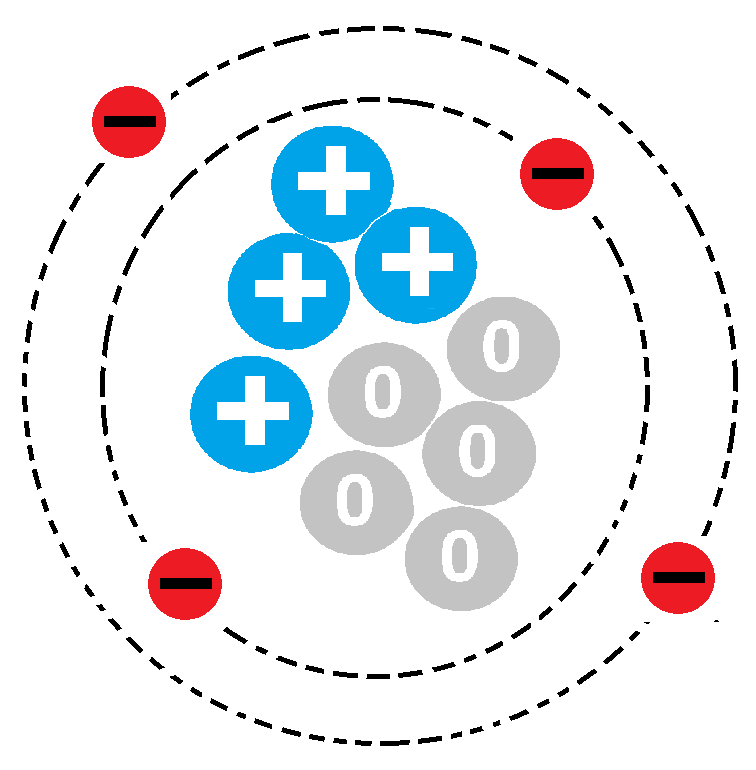
What is the atomic mass of this atom?
1
3
4
7
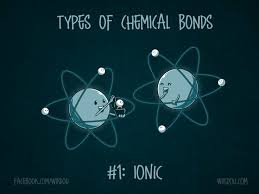
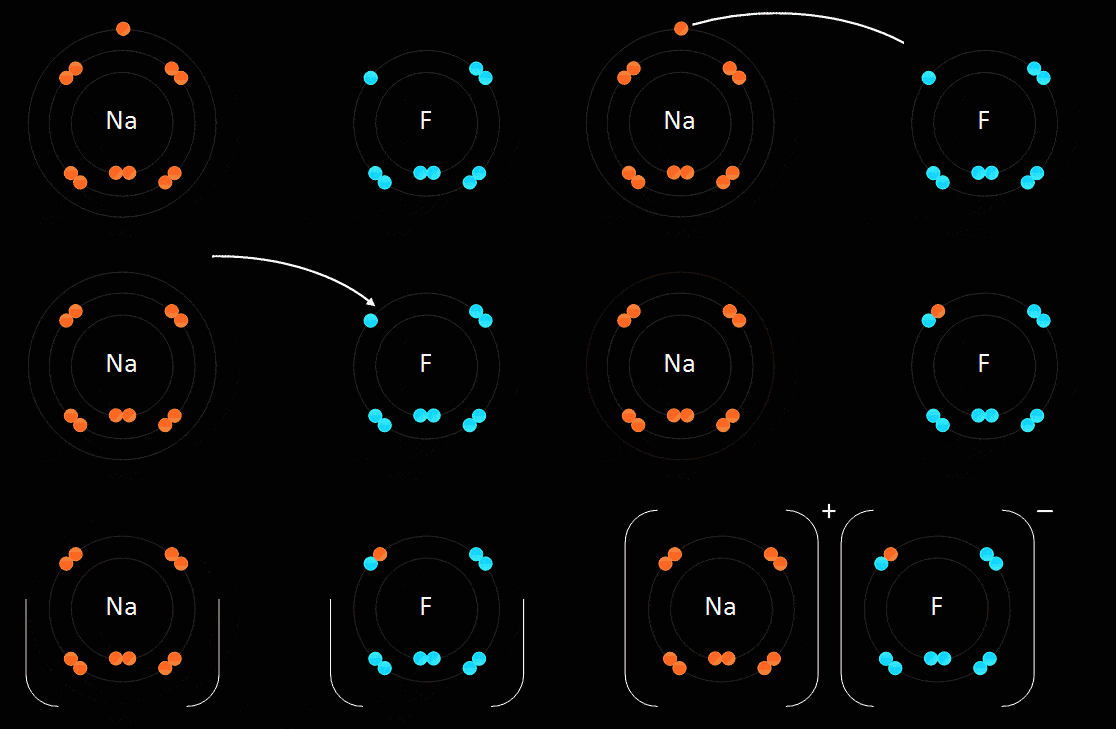
An ionic bond forms when
valence electrons are shared back and forth (move between) two atoms.
a sea of mobile electrons surround the cations and they then become negativly charged
valence electrons are transferred from one atom to another, forming charged ions that are then pulled together by attraction between opposite charges
none of the above
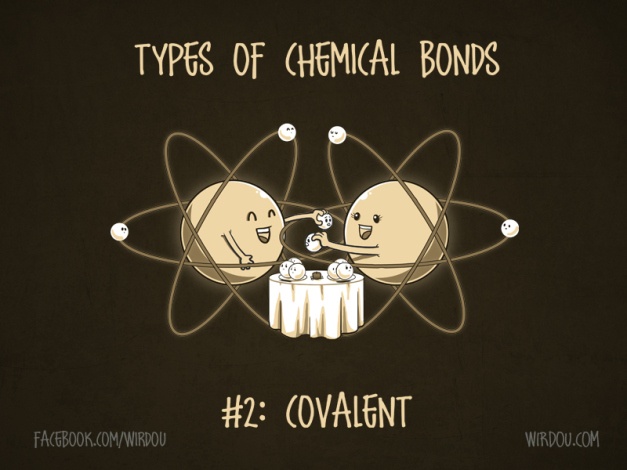
Covalent bonds form when
the electronegativity difference between two atoms is very large.
electrons are completely transferred between two atoms.
pairs of electrons are shared between two atoms.
ions are held together by opposite charges.
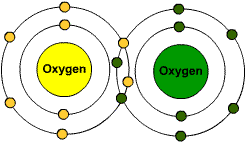
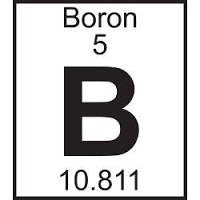
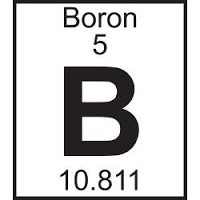
Using the information provided, determine how many electrons the a Boron atom contains.
2.5
5
6
10.81
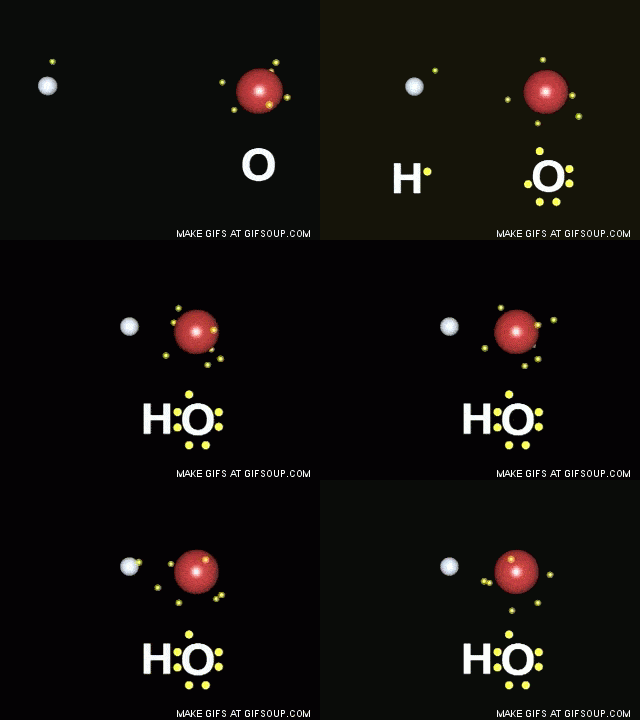
What is the smallest 'building block' of the elements that make up the universe?
An atom
An electron
A proton
A cell
Which subatomic part of an atom gives it a positive charge?
Neutron
Proton
Electron
Nucleus
An atom of carbon has 6 protons and 7 neutrons in its nucleus. If the atom is neutral, how many electrons does it have?
0
7
6
13
A certain atom of oxygen contains 8 protons, 8 neutrons, & 8 electrons. Another atom of unknown identity contains 9 protons. Which of the following MUST be true about this unidentified atom?
It has 9 neutrons in its nucleus.
It is an isotope of oxygen.
Its atomic mass is a decimal number.
It cannot be an atom of oxygen.
An atom of neon has 8 valence electrons. What will an atom of neon MOST likely do to be stable?
Gain 1 electron
Lose 2 electrons
Lose 8 electrons
Neither gain nor lose any valence electrons
What type of bond is formed when atoms share electrons?
Covalent
Ionic
Hydrogen
Polyatomic
How are ionic and covalent bonds alike?
They both form organic molecules.
They both fill outer electron shells.
They both transfer electrons from one atom to another.
They both transfer protons from one atom to another.
A substance with a pH of 8 is a
acid
base
neutral
Carbon has 4 valence electrons which means
it can only form bonds with carbon
it is stable
it can make ionic bonds
it wants to make 4 covalent bonds

This reaction is showing energy being _____________
Absorbed
Released
There is no change in energy shown
The electrons in the outermost energy level are called
valence
ions
covalent
farthest out
Activation energy is
The energy to start a car
The energy needed to break down CO2
The energy needed to start a reaction
The energy used to digest food
Acids have more ______ ions than bases
OH-
H-
OH+
H+
If salt is dissolved in water, water is the ____________
Solution
Solute
Solvent
Suspension
An example of a carbohydrate would be
meat
milk
eggs
bread

The image shows the periodic grid for SODIUM. What is Sodium's atomic mass?
11
12
23
Impossible to tell
Which of the following would be considered most acidic?
1
3
7
13

What element will have the most similar physical and chemical properties to the element Sulfur (S)?
(click on the periodic table to expand it!)
Carbon (C)
Phosphorous (P)
Oxygen (O)
Neon (Ne

A substance that changes the rate of a chemical reaction without being used up in the reaction is called a ________________.
bond
catalyst
acid
ion
What element does the chemical symbol Sn stand for
Antimony
Seaborgium
Strontium
Tin
What element has the chemical symbol Ca?
Calcium
Carbon
Caesium
Californium
What element has the chemical symbol Ca?
Calcium
Carbon
Caesium
Californium
What element has the chemical symbol Au?
Silver
Lead
Gold
Actinium
What element has the chemical symbol N?
nitrogen
nobelium
sodium
nitrate
What element has the chemical symbol P?
phosphorus
potassium
phosphate
potash
What element has the chemical symbol As
Argon
Astatine
Arsenic
Antimony
What is the chemical symbol for Boron?
Bn
Bo
Br
B
What is the chemical symbol for copper?
Cp
Co
Cu
C
What element has the chemical symbol Po?
Plutonium
Promethium
Protactinium
Polonium
What is the chemical symbol for Aluminium?
Al
A
Am
Au
What letter of the alphabet does not appear in any chemical symbols?
Z
J
L
X
What is the chemical symbol for Sodium?
S
Na
So
Sd
Who first developed the periodic table?
Newton
Einstein
Mendeleev
Rutherfor
Which element had the original name 'plumbum"?
Lead
Platinium
Plutonium
Uranium
How many of the 118 elements are naturally occurring?
60
All 118
92
102
Which of the following is NOT a noble gas?
Helium
Xenon
Oxygen
Neon


How many molecules are in this formula?
1
2
3
6

What is the atomic mass for this element?
6
12.0107
6.0107
18.0107

What is the property of water is shown in the picture?
specific heat
universal solvent
capillary action
surface tension
The center of an atom is called
a/an __________.
atomic mass
nucleus
proton center
energy shell

What property of water is shown in the picture?
surface tension
capillary action
universal solvent
specific heat

What property of water is shown in the picture?
surface tension
capillary action
universal solvent
specific heat
H2 + O2 --> H2O

Is Silicon a metal, nonmetal, or metalloid?
Metal
Nonmetal
Metalliod
C + O2 --> CO2

