wayground logo

Free Printable Worksheets

Font size

S
M
L
XL
Worksheets

Grade 4 Science 3rd periodical exam march 30,201

Total questions: 64

Worksheet time: 5hrs 20mins

Name
Class
Date
1.

A ____________ lives in the water and is an immature frog.

a)

pupa

b)

young frog

c)

tadpole

d)

larva

2.

What is the 3rd stage of a butterfly's life cycle?

a)

nymph

b)

pupa

c)

larva

d)

tadpole

3.

________ sheds it's outer body covering several times?

a)

nymph

b)

tadpole

c)

pupa

d)

butterfly

4.

What is the 2nd stage of a butterfly?

a)

young frog

b)

pupa

c)

larva

d)

tadpole

5.

A ________ has gills and a long tail.

a)

larva

b)

pupa

c)

young frog

d)

tadpole

6.

What are the stages of a frog's life cycle? Click all that apply.

a)

egg mass

b)

pupa

c)

tadpole

d)

young frog

e)

adult frog

7.

Most mammals have live birth.

a)

true

b)

false

8.

Ladybugs go through complete metamorphosis.

a)

True

b)

False

9.

Tadpoles hatch from nymph eggs.

a)

true

b)

false

10.

Dragonflies and grasshoppers go through ________ ___________.

a)

complete metamorphosis

b)

incomplete metamorphosis

c)

life cycle

d)

4 stages

11.

How many stages are in complete metamorphosis between the egg and adult stages?

a)

4

b)

1

c)

3

d)

2

12.

How do we know plants are alive?

a)

we can smell the flowers

b)

we can eat the fruit

c)

we see them grow and change

d)

the doctor told me they were alive

13.
What is the first stage in a plant's life?
a)
germination
b)
seed
c)
young adult
d)
seedling
14.
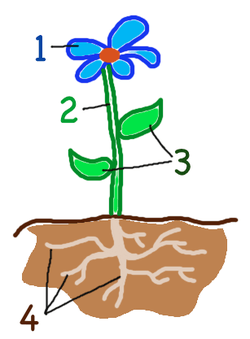
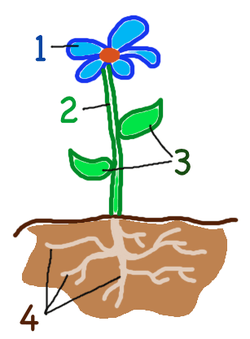
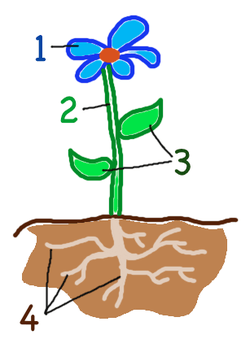
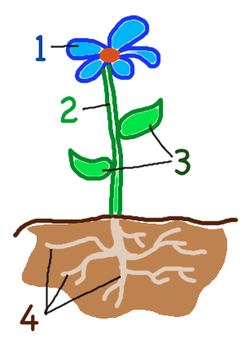
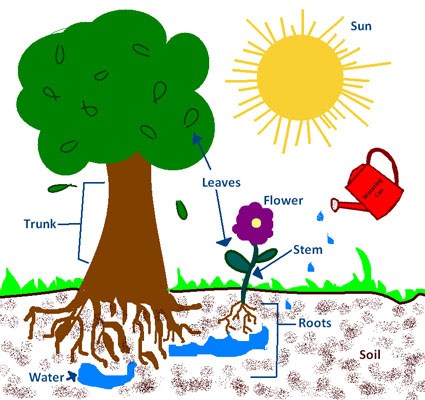
What part of the plant is #1?
a)
flower
b)
stem
c)
root
d)
leaf
15.
What part of the plant is #2?
a)
leaf
b)
flower
c)
stem
d)
root
16.
What part of the plant is #3?
a)
leaf
b)
root
c)
flower
d)
stem
17.
What part of the plant is #4?
a)
leaf
b)
flower
c)
stem
d)
root
18.

Plants make their own food.

a)

True

b)

False

19.

This is stage 2: It marks the start of plant growth is called

a)

germination

b)

sprout

c)

observation

d)

evidence

20.

What does germinate mean?

a)

starts to grow

b)

start to die

c)

to water the plant

d)

to clean the plant, so it doesn't have any germs

21.

which plant part makes seeds?

a)

flower

b)

leaves

c)

roots

d)

the birds

22.

Plants need

a)

air, water, sunlight

b)

air, milk, moon

23.

New plants grow from __________.

a)

minerals

b)

seeds

c)

pollen

d)

life cycle

24.
This ecosystem would have many trees.
a)
Forest
b)
Grassland
c)
Ocean
d)
Lakes/Ponds
25.
This ecosystem contains salt water.
a)
Forest
b)
Grassland
c)
Ocean
d)
Lakes/Ponds
26.
This ecosystem has very few trees and a lot of varieties of grasses.
a)
Forest
b)
Grassland
c)
Wetland
d)
Lakes/Ponds
27.
Which word means "land based" ecosystem?
a)
Terrestrial
b)
Aquatic
28.
Which word means "water-based" ecosystem?
a)
Terrestrial
b)
Aquatic
29.
This ecosystem receives direct sunlight all day because it has few trees.
a)
Forest
b)
Grassland
c)
Swamp-Wetland
30.
_________ are large bodies of saltwater divided by continents.
a)
Oceans
b)
Lakes
c)
Ponds
d)
Estuaries
31.
_____________ are bodies of freshwater that are surrounded by land.
a)
Oceans
b)
Estuaries
c)
Lakes/Ponds
d)
Forests
32.
Which of the following symbiotic relationships is considered parasitic?
a)
Ticks feeding on a dog
b)
Bees transporting pollen from flowers
c)
Pilotfish swimming under sharks
d)
Birds eating the insects fromo the back of hippo
33.
Maria and her classmates are observing animals at the pond. They notice that wood storks and ibisies both feed on fish. Which of these describes the relationship between these two birds.
a)
Parasitism
b)
Competition
c)
Predator and prey
d)
Producer and consumer
34.
Which of these describes a mutually beneficial relationship between two organisms?
a)
A dog with worms in its intestine
b)
A turtle and a snail that both eat grass live in a river
c)
A honeybee pollinating a plant and receiving nectar for food
d)
A small fish attached to a shark, eating tiny pieces of the shark's food as it floats
35.
Which pair of organisms listed below are competitors for the same natural resources?
a)
Ticks and dogs
b)
Lions and leopards
c)
Honeybees and flowers
d)
Salmon and brown bears
36.
After walking through a field, you find a tick attached to your leg. What is the tick's relationship to you?
a)
Predator
b)
Decomposer
c)
Producer
d)
Prey
37.
Which of the examples below can BEST be described as mutualism between animals?
a)
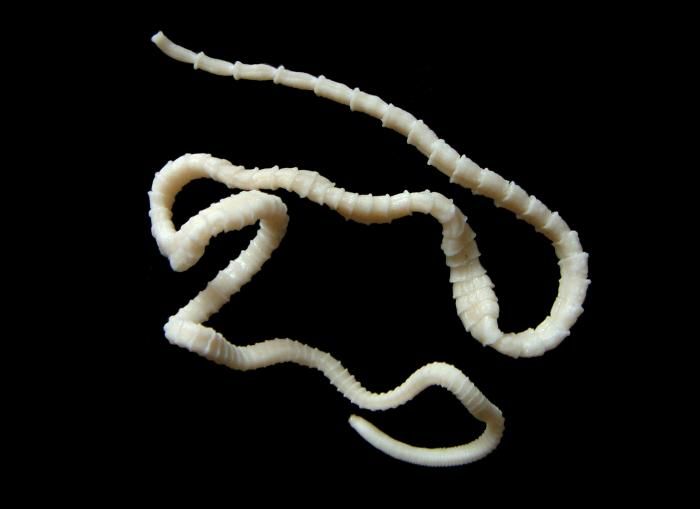
A tapeworm lives in the intestine of a bird and consumes the food that the bird has eaten
b)
Mountain lions and wolves fight each other for the same deer
c)
A bird eats parasites off a rhinoceros while the rhinoceros provides protection to the bird
d)
Rats live in the garbage dump of a town and rarely interact with people
38.
An organism that kills and eats another for food
a)
Predator
b)
Prey
c)
Parasite
d)
Plant
39.
An organism that is killed and eaten by another organism
a)
Predator
b)
Prey
c)
Parasite
d)
Host
40.
Occurs when 2 or more organism use the same resource
a)
Competition
b)
Mutualism
c)
Commensalism
d)
Parasitism
41.
A close long term association between 2 or more species
a)
Mutualism
b)
Commensalism
c)
Symbiosis
d)
Parasitism
42.
Relationship where both organism benefit
a)
Competition
b)
Commensalism
c)
Mutualism
d)
Parasitism
43.
Relationship where one organism benefits and the other is neither harmed nor helped
a)
Commensalism
b)
Parasitism
c)
Mutualism
d)
Competition
44.
An organism where one organism benefits and another is harmed
a)
Commensalism
b)
Parasitism
c)
Mutualism
d)
Competition
45.
Cattle egrets forage (feed) in fields among cattle. The egret gets easy access to flying insects stirred up by the cattle, and the cattle don't care if they are there or not.
a)
mutualism
b)
commensalism
c)
competition
d)
parasitism
46.
A tapeworm and a cat have this type of relationship.
a)
mutualism
b)
parasitism
c)
commensalism
d)
competition
47.
A relationship between two organisms in which one organism benefits and the other is unharmed...
a)
Mutualism 
b)
Competition
c)
Parasitsm 
d)
Commensalism 
48.
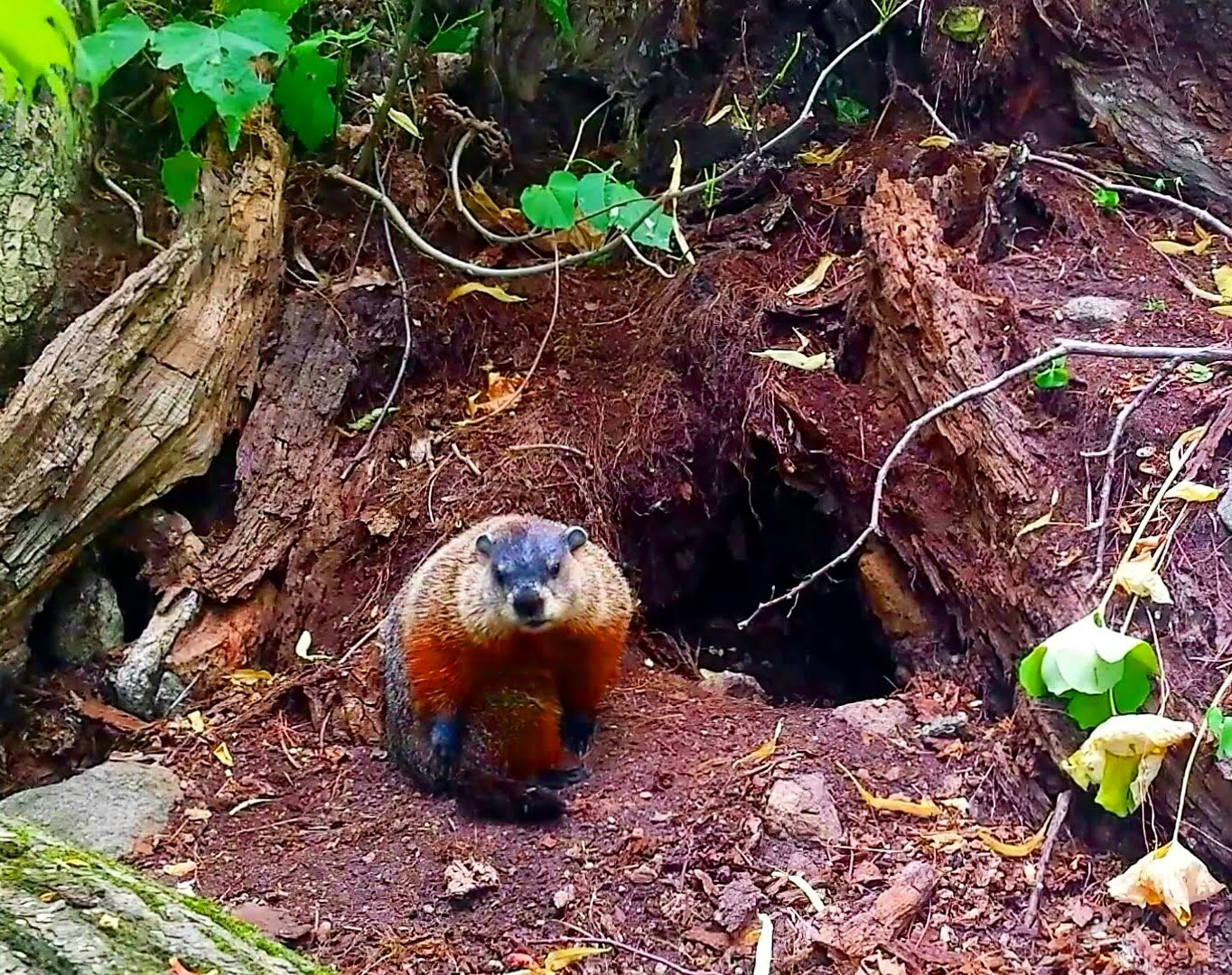
What type of symbiosis?  Skunks often live in burrows that have been dug and abandoned by woodchucks.  
a)
commensalism
b)
mutualism
c)
parasitism
d)
predation
49.
Which symbols best describe parasitism?
a)
+,+
b)
+,-
c)
+,0
d)
-,0
50.
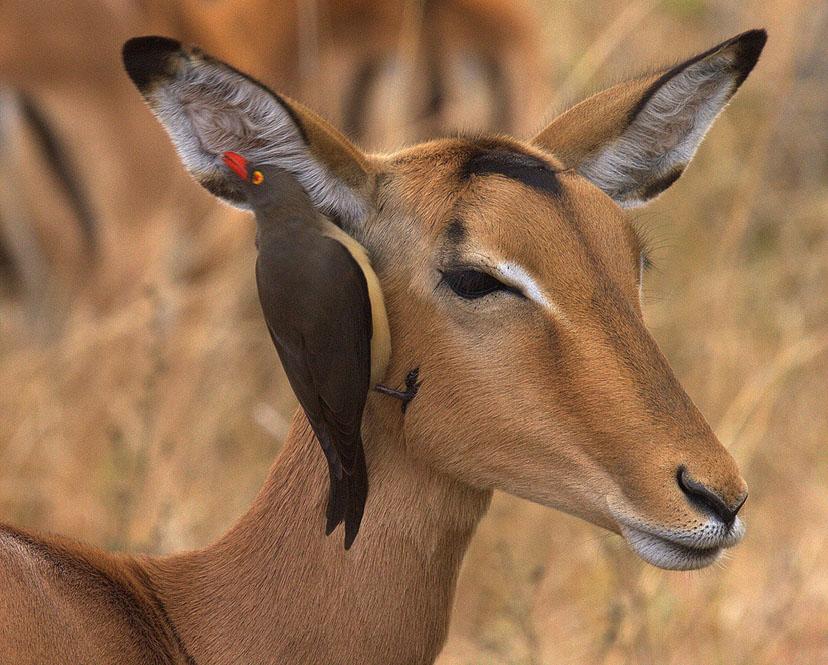
Red-billed oxpeckers are birds that often feed on parasites that infest impala.  This is an example of _______.
a)
commensalism
b)
mutualism
c)
neutralism
d)
competition
51.
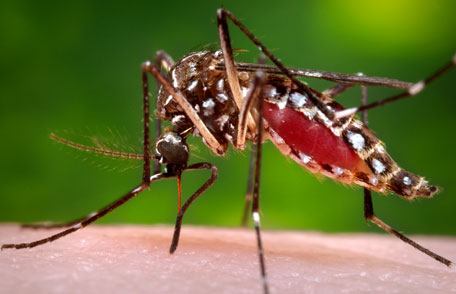
When a mosquito bites you, you are the __________ and the mosquito is the  ____________.
a)
host, hostess
b)
parasite, host
c)
host, parasite
d)
prey, predator
52.

Every single objects need a .... to move

a)

direction

b)

force

c)

gravity

53.

A rock will roll down the hill because of force of ....

a)

direction

b)

force

c)

gravity

54.

A force can change the ...... of an object

a)

direction

b)

force

c)

gravity

55.

Pass a ball to your teammate when you play basketball is an example of .....

a)

friction

b)

push

c)

elastic

56.

Light energy travels in waves

a)

True

b)

False

57.

What is an example of light energy?

a)

Moving car

b)

Music

c)

Fire

58.

Thermal energy happens when atoms move faster and faster making an object hot.

a)

True

b)

False

59.

A battery is chemical energy

a)

True

b)

False

60.
During a heat transfer demonstration, students observed water being pumped around a closed loop in an engine. The moving water carries heat from the hot engine to the radiator.

Which type of heat transfer is involved when the cooler water absorbs heat while in contact with the hot engine?
a)
convection
b)
conduction
c)
insulation
d)
radiation
61.
The picture shows some food being heated in a pan.  
Heat is transferring from the pan to the food through which process?
a)
convection
b)
radiation
c)
conduction
d)
insulation
62.
A fireplace is shown in the picture. What is the main process that transfers heat upwards through the chimney?
a)
convection
b)
conduction
c)
radiation
d)
insulation
63.
Water is boiling in a pan. Most of the heat is transferred from the bottom of the water to the surface of the water. This transfer of energy occurs through which process?
a)
Conduction
b)
Convection 
c)
Radiation
d)
Insulation
64.
A camper cooks a pot of stew over a fire as shown. At which location is heat from the fire mainly transferred by radiation?
a)
1
b)
2
c)
3
d)
4