wayground logo

Free Printable Worksheets

NEW

Font size

S
M
L
XL
Worksheets

Soils, Rocks, Landforms Post-Test

Total questions: 59

Worksheet time: 54mins

Name
Class
Date
1.

When water fills cracks in rocks and freezes, it can break rocks apart. This happens because water ________ when it freezes.

a)

expands

b)

evaporates

c)

contracts

d)

condenses

2.

Pebbles, sand, gravel, clay, and silt are all....

a)

rocks

b)

earth materials

c)

dirt

d)

outside

3.

Humus is...

a)

dirt

b)

soil

c)

decaying plants and animals

4.

Which location most likely has soil with a lot of humus?

a)

forest

b)

desert

c)

mountain

d)

beach

5.

Soil starts off as a giant rock or mountain.

a)

True

b)

False

6.

You are more likely to find sand and lots of clay at the beginning of a river.

a)

True

b)

False

7.
What happens to a rock when it weathers?
a)
It settles out of water that is carrying it.
b)
It creates a valley.
c)
It forms a delta.
d)
It breaks into small pieces.
8.
Abrasion causes
a)
physical weathering.
b)
chemical weathering.
c)
both chemical and physical weathering.
d)
Neither chemical or physical weathering.
9.
Physical and chemical weathering both
a)
change rocks into new materials.
b)
dissolve rocks.
c)
break rocks into smaller pieces.
d)
require exposure to air.
10.
Abrasion is the process by which rocks
a)
become cemented together to form bigger rocks.
b)
become pitted (covered with small holes).
c)
are rubbed or banged against one another.
d)
break apart when water freezes.
11.
What is most likely to make a rock break into pieces?
a)
Animals digging in the rock.
b)
Leaves decaying on the rock.
c)
Snow melting in a crack in the rock.
d)
Water freezing in a crack in the rock.
12.
Fossilized seashells that were found in the desert MOST LIKELY tell us that 
a)
Sea animals live in the desert
b)
The desert was once underwater
c)
All deserts were once underwater
d)
All of the above are true
13.
What is a Fossil?
a)
Any dead organism
b)
The preserved remains or traces of an organism
c)
A perfect copy of a rock
d)
None of the above
14.
The above picture shows a fossil of a palm leaf, a tropical plant. This fossil was found in the state of Alaska. How could this be explained?
a)
Alaska’s climate was once colder than it is now
b)
Alaska’s climate has always been the same
c)
Alaska’s climate was once warmer than it is now
d)
Alaska’s climate is warming up
15.
Fossils of fish are found under land where cows now live. What does this tell you?
a)
the fish were dropped their by flying birds
b)
this land was once under the ocean
c)
farmers fed the fish to the cows
d)
fish used to live on land
16.
Older fossils are found
a)
At the top
b)
At the bottom
c)
In the middle
17.
Can there be a fish fossil on a desert mountain and why
a)
Yes
b)
No
c)
Yes because the climate could have changed overtime
d)
No because the earth always stays the same
18.
The breaking down of rock is...
a)
erosion
b)
landslide
c)
movement 
d)
weathering
19.
The carrying away of broken down rock is... 
a)
gravity
b)
weathering 
c)
erosion
d)
water
20.
What is DEPOSITION?
a)
hold
b)
the breaking down of sediments
c)
the movement of sediments
d)
the dropping of sediments
21.
______________________ are special shapes found in the land.
a)
community
b)
landform
c)
citizenship
22.
A stream table is a _____________ of the effects of depositon and erosion.
a)
map
b)
model
c)
process
23.
A shape or feature of the Earth's surface. 
a)
Mount Rushmore
b)
Levee
c)
Landform
d)
Hydroelectric Dam
24.
The angle or slant of a stream channel or land surface. 
a)
Slope
b)
Peak
c)
Bend
d)
Steepness
25.

Which side of the hill would you climb a greater elevation to get to the top?

a)

left

b)

right

c)

both sides are the same elevation

d)

there is no way to know unless you climb it

26.

Which side of the hill has a steeper slope?

a)

left

b)

right

c)

both sides are the same elevation

d)

there is no way to know unless you climb it

27.

Which side has a steeper slope?

a)

A

b)

B

c)

They are both the same.

d)

There is no way to know.

28.

Which side has a gradual slope?

a)

A

b)

B

c)

They are both the same.

d)

There is no way to know.

29.

Which map would a hiker need to measure elevation?

a)

A

b)

B

30.

Which map is a topographic map?

a)

A

b)

B

31.

Volcanic eruptions are a slow or rapid change?

a)

rapid

b)

slow

32.

Growing tree roots are a slow or rapid change?

a)

rapid

b)

slow

33.

Chemical weathering is a slow or rapid change?

a)

rapid

b)

slow

34.

Physical weathering is a slow or rapid change?

a)

rapid

b)

slow

35.

Landslides are a slow or rapid change?

a)

rapid

b)

slow

36.

Earthquakes are a slow or rapid change?

a)

rapid

b)

slow

37.

Flash floods are a slow or rapid change?

a)

rapid

b)

slow

38.

Where do the A and B side of the hill go on the profile?

a)

A on the left and B on the right

b)

A on the right and B on the left

c)

A and B both go on the right

d)

A and B both go on the left

39.

A rapid change is a change that happens...

a)

slowly.

b)

hot.

c)

cold.

d)

quickly.

40.

A material such as soil or water that comes from the natural environment

a)

natural resource

b)

pebble

c)

sand

d)

sediment

41.

A mix of humus, sand, silt, clay, gravel, and/or pebbles

a)

silt

b)

soil

c)

sediment

d)

particle

42.
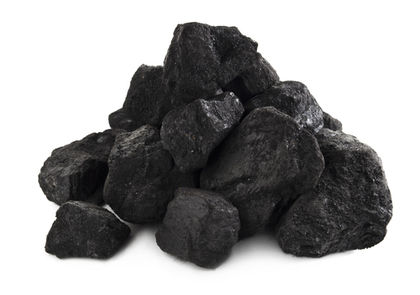
Coal is a __________ energy resource.
a)
Renewable
b)
Nonrenewable
43.
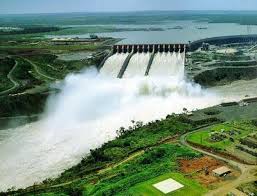
Hyrdo Power is a __________ energy resource.
a)
Renewable
b)
Nonrenewable
44.
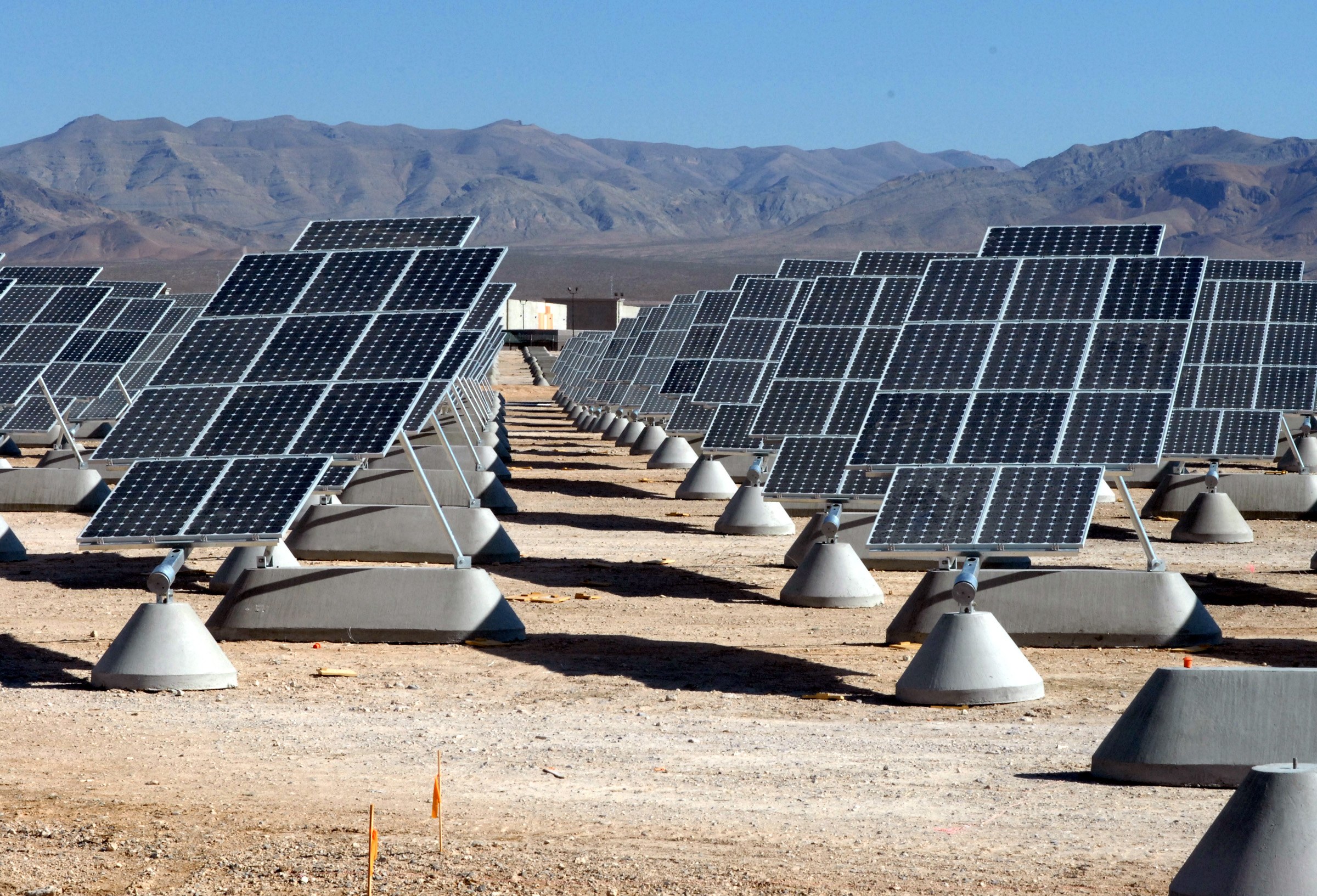
Solar Power is a __________ energy resource.
a)
Renewable
b)
Nonrenewable
45.
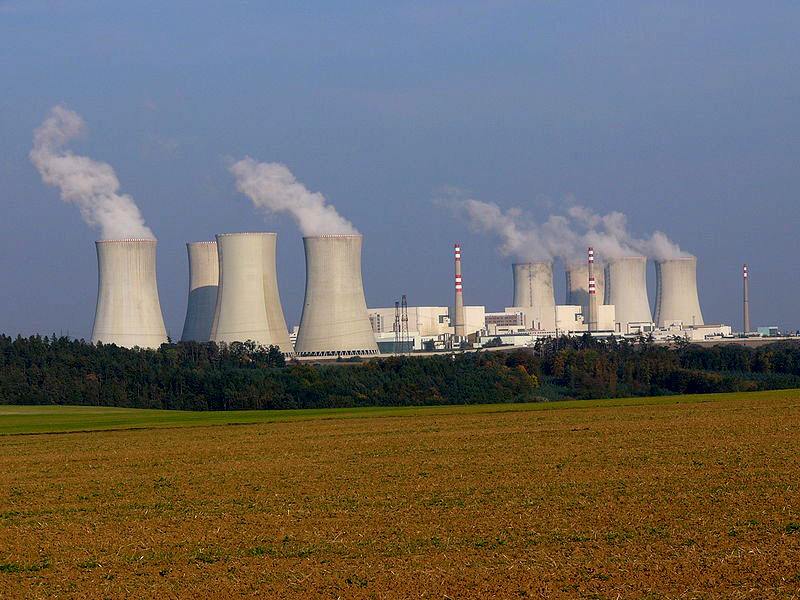
Nuclear Power is a __________ energy resource.
a)
Renewable
b)
Nonrenewable
46.
Wind is a __________ energy resource.
a)
Renewable
b)
Nonrenewable
47.
Natural Gas is a __________ energy resource.
a)
Renewable
b)
Nonrenewable
48.

Energy that cannot be replaced in our lifetime

a)

Nonrenewable Energy

b)

Renewable Energy

c)

Geothermal

d)

Alternative Energy

49.

To make full or complete again

a)

Conservation

b)

Efficient

c)

Biomass

d)

Replenish

50.

Energy that can be replenished at the same rate as it is used

a)

Natural Gas

b)

Alternative Energy

c)

Renewable Energy

d)

Nonrenewable Energy

51.

Energy that is made from heat inside Earth

a)

Coal

b)

Fossil Fuels

c)

Geothermal

d)

Solar

52.

Trees are renewable resources.

a)

True

b)

False

53.

Coal is a renewable resource.

a)

True

b)

False

54.

Wind is a renewable resource.

a)

True

b)

False

55.

Oil is a renewable resource.

a)

True

b)

False

56.

Water is a renewable resource.

a)

True

b)

False

57.

The sun is a renewable resource.

a)

True

b)

False

58.

Gold is a renewable resource.

a)

True

b)

False

59.

Which of the following resources WILL eventually run out?

a)

natural resources

b)

renewable resources

c)

nonrenewable resources