wayground logo

Free Printable Worksheets

Font size

S
M
L
XL
Worksheets

8th Space Unit JARREAU

Total questions: 89

Worksheet time: 58mins

Name
Class
Date
1.

What does the Big Bang Theory tell us

a)

About the popular television show.

b)

the entire universe was once condensed in the form of primeval atom, or a dense mass.

c)

how the universe began.

2.

Most scientists believe the Big Bang Theory explains which of the following questions?

a)

How our planets and moons formed

b)

How our universe began

c)

How the sun turns hydrogen into helium

d)

How fast light travels through space

3.

As galaxies move away from our galaxy

a shift on the electromagnetic spectrum

(EMS) is noticed. This phenomena is

called _____________.

a)

redshift

b)

blueshift

c)

unshift

d)

blackshift

4.
The universe is expanding!  This means that:
a)
all of the galaxies are spreading out.
b)
the universe must have started from a single point.
c)
the universe is cooling down.
d)
all of the above.
5.

The Big Bang Theory is the most widely accepted theory about the origin of the universe.

a)

true

b)

false

6.

Which description is considered most accurate regarding what actually happened during the Big Bang?

a)

Two galaxies collided causing an immense explosion as stars crashed into one another

b)

All of what would become the universe was concentrated in a single small point, or singularity, which rapidly expanded into what is now stars, planets, galaxies, matter, and energy.

c)

All matter emerged from a massive black hole at the center of the universe.

d)

Parts of the sun were ripped off by massive internal explosions and were thrown into space where they cooled to become other things, like plants, comets, and other galaxies.

7.

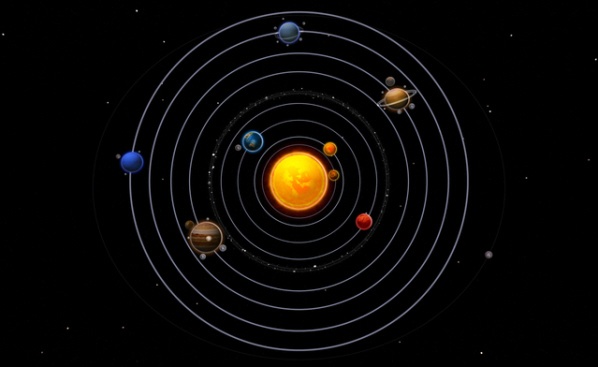
What is at the middle of a Heliocentric system?

a)

Mars

b)

Moon

c)

Sun

d)

Earth

8.

What is at the middle of a Geocentric system?

a)

Sun

b)

Neptune

c)

Earth

d)

The Universe

9.

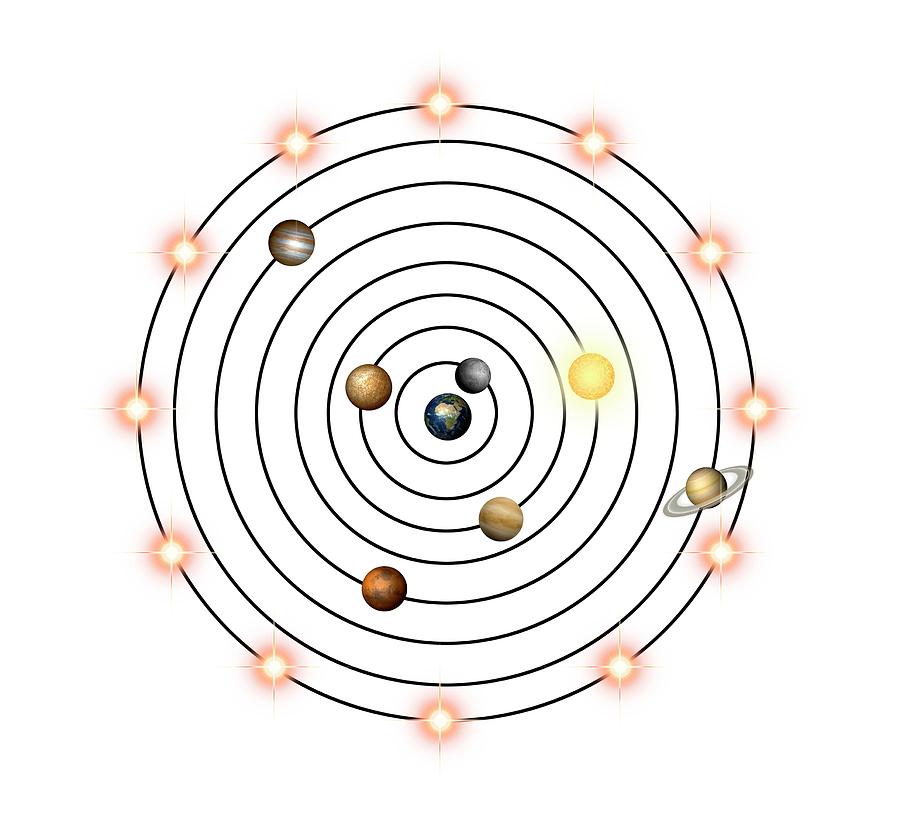
What does the Geocentric system look like?
a)
b)
c)
d)
10.

What does the Heliocentric system look like?

a)
b)
c)
d)
11.

What is the biggest difference between the Geocentric Model and the Heliocentric Model?

a)

the shape of the planets' orbits

b)

the movement of the moon

c)

the center of the solar system

12.
  What does "geo-" mean?
a)
Earth
b)
sun
c)
Center
13.
This image shows the:
a)
Geocentric Solar System
b)
Heliocentric Solar System
14.

Which object is the center of the solar system according to Galileo?

a)

Earth

b)

Moon

c)

Sun

d)

Neptune

15.

Who supported Copernicus's Heliocentric Model

a)

Galileo

b)

Plato

c)

Ptolemy

d)

No one

16.
Objects made of ice, gas and dust and orbit our sun are called:
a)
Asteroids
b)
Comets
c)
moon
d)
Meteors
17.
When a meteoroid STRIKES the surface of the earth scientists refer to them as:
a)
Asteroids
b)
Comets
c)
Meteors
d)
Meteorites 
18.
Millions of pieces of rocky material of various sizes orbit the Sun between the orbits of Mars and Jupiter. These objects are known as -
a)
Asteroids
b)
Meteors
c)
Comets
d)
Planets
19.
The luminous celestial body (a bright space object) around which Earth and other planets revolve and from which they receive heat and light.
a)
satellite
b)
planet
c)
sun
d)
galaxy
20.
Large and small rocks or metallic masses orbiting the Sun; made up of materials similar to those that formed the planets.
a)
asteroid
b)
comet
c)
meteor
d)
meteroid
21.
A small object that enters Earth's atmosphere from space and burns due to friction, emitting light.
a)
meteor
b)
comet
c)
asteroid
d)
star
22.
Pieces of asteroids that land on other planets including earth's surface.
a)
meteorite
b)
meteor
c)
moon
d)
Cannot happen. What happens in space stays in space.
23.
Which object is essentially stationary compared to all other objects in the solar system?
a)
comet
b)
asteroid
c)
star
d)
moon
24.
This round celestial body does not produce its own light, orbits the sun, and is larger than an asteroid.
a)
meteoroid
b)
moon
c)
planet
25.
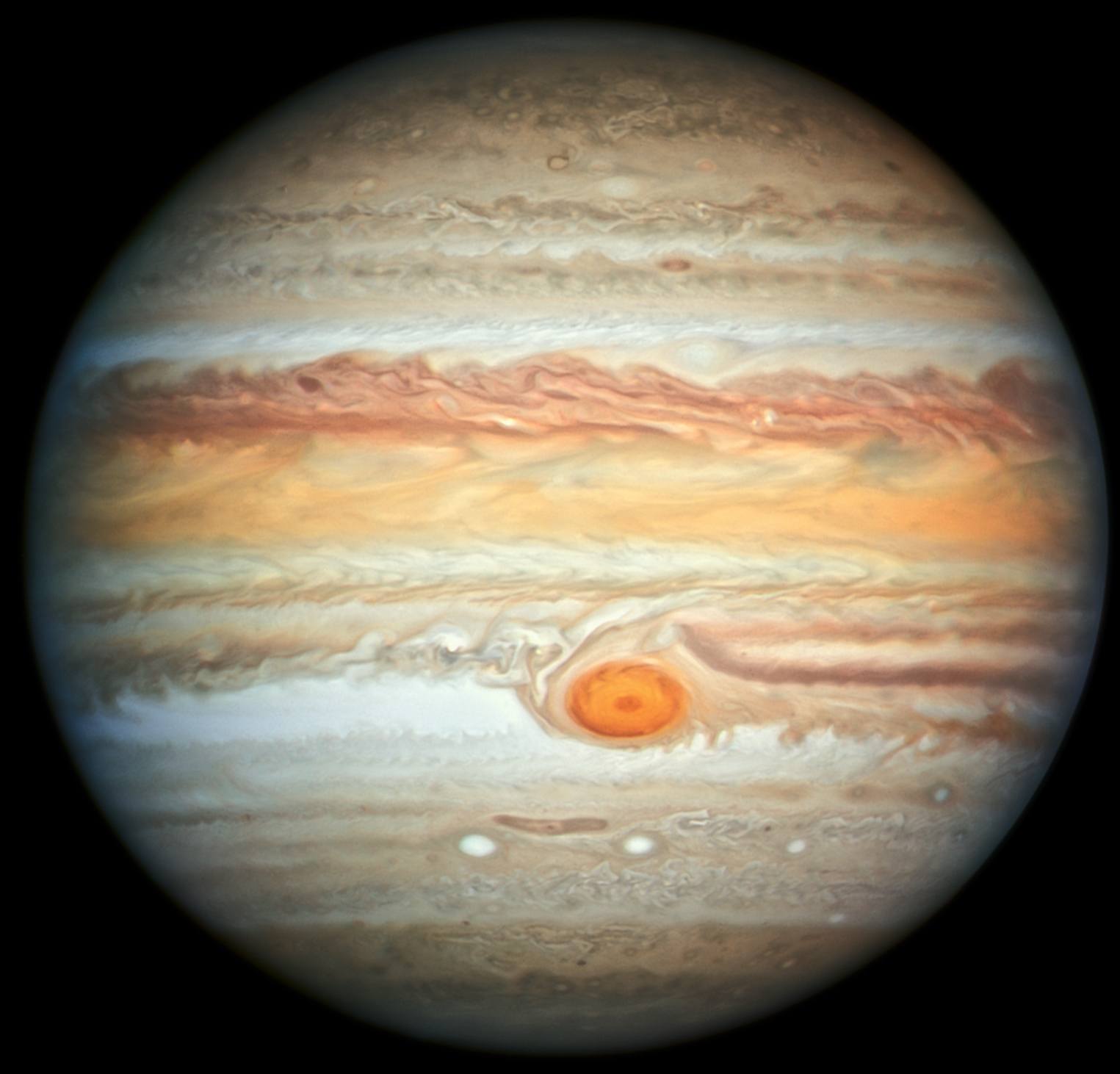
This is the largest planet in the solar system.
a)
Saturn
b)
Jupiter
c)
Uranus
d)
Venus
26.
This is the smallest planet in the solar system
a)
Mercury
b)
Venus
c)
Earth
d)
Mars
27.
Only planet known to have life
a)
Earth
b)
Mars
c)
Venus
d)
Mercury
28.
The earth orbits around...
a)
the sun.
b)
the moon
c)
other planets
d)
the Milky Way
29.
Which of the following orbits the sun?
a)
asteroids
b)
comets
c)
planets
d)
all of the above
30.
What divides the inner planets from the outer planets?
a)
Kuiper Belt
b)
Oort Cloud
c)
Asteroid Belt
31.
Which planet is Mercury?
a)
1
b)
2
c)
3
d)
4
32.
The order of the planets is:
a)
Mars,Venus,Earth,
Mercury,Saturn
Jupiter, Uranus, Neptune
b)
Earth,Venus,Mars
Jupiter, Neptune,
Mercury,Saturn,
Uranus
c)
Mercury,Venus,Earth
Mars,Jupiter,
Saturn,Uranus
Neptune
33.
What force keeps the planets orbiting the sun?
a)
Gravity
b)
Magnetism
c)
Electricity
d)
Friction
34.
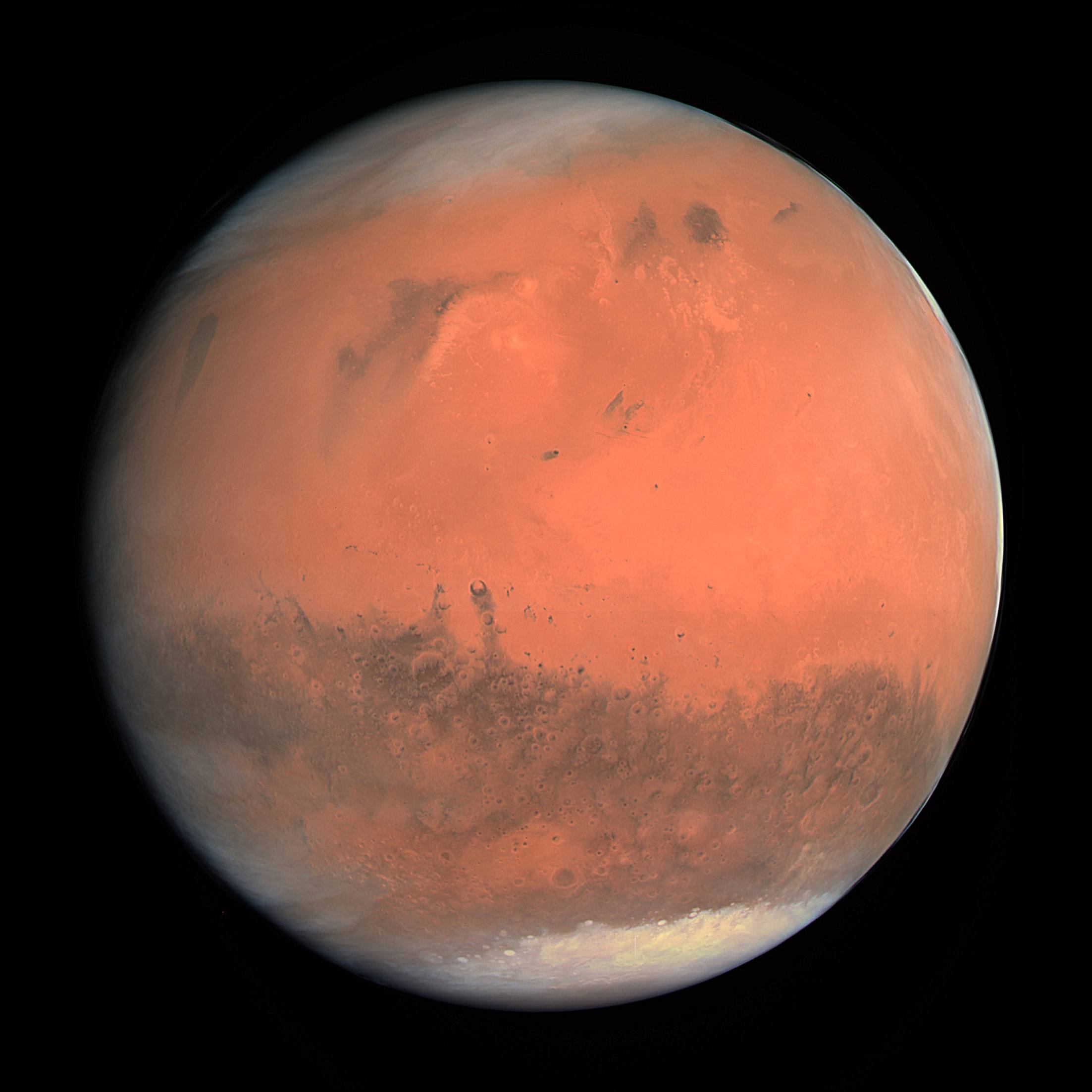
The surface of this planet appears red due to rusting iron in the rocks.
a)
Mercury
b)
Mars
c)
Pluto
d)
Venus
35.
This is the only planet in the solar system with oceans of liquid water.
a)
Mercury
b)
Mars
c)
Venus
d)
Earth
36.
Which planet has the most moons? (HINT: It has 69!)
a)
Earth
b)
Mars
c)
Jupiter
d)
Neptune
37.
Fill in the blank:
Mars is the ________ planet from the sun
a)
5th
b)
4th
c)
3rd
38.
Astronomers are convinced that liquid water was present on Mars in the past because
a)
huge subsurface deposits of ice have been seen with X-ray telescopes.
b)
during each martian summer large lakes are observed as the polar cap melts.
c)
 there is a huge amount of water vapor in martian clouds.
d)
the surface has water-cut channels on it.
39.
Why do scientists call the rovers "robot geologists?"
a)
They take images of rocks
b)
They have an arm with 4 tools
c)
They analyze rocks and soil
d)
All of the above
40.

How do Mars rovers generate electricity?

a)

solar panels

b)

gas generators

c)

nuclear power plants

d)

wind turbines

41.

The name of the rover that landed on Mars in 2012 was called

a)

Sojourner

b)

Spirit

c)

Opportunity

d)

Curiosity

e)

Perseverance

42.

Perseverance's job is to look for:

a)

water

b)

signs of past or present life

c)

other rovers

d)

finding out if Mars has the right chemical ingredients for life

43.

What causes the moon's phases

a)

Where you are standing on Earth

b)

the amount of sunlight reflected onto the moon from the sun

c)

The tilt of Earth

d)

how fast the moon is moving

44.
Define Waxing
a)
Moon is increasing and light part appears to be growing
b)
Completely illuminated
c)
dark side is facing earth
d)
Moon is decreasing and light part appears to be shrinking
45.
How many phases does the moon go through?
a)
4
b)
8
c)
10
d)
16
46.
As the moon's shape appears to get smaller, we say that the moon is _.
a)
swelling
b)
waxing
c)
waning
d)
disappearing
47.
The cycle of the moon lasts about a _.
a)
day
b)
year
c)
week
d)
month
48.

The spinning of the earth on its axis that causes day and night is called

a)

orbit.

b)

axis.

c)

rotation.

d)

revolution.

49.

The path of an object in space around another object is a(n)

a)

orbit.

b)

axis.

c)

rotation.

d)

revolution.

50.

It takes about _____ for the earth to complete one rotation.

a)

28 days

b)

24 hours

c)

365 hours

d)

365 days

51.
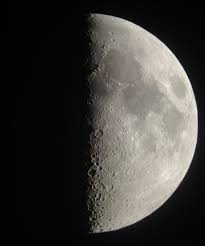
Name the moon phase
a)
First Quarter
b)
Last Quarter
c)
New Moon
d)
Full Moon
52.
What moon phase came right BEFORE this one?
a)
First Quarter
b)
Last Quarter
c)
New Moon
d)
Full Moon
53.
The cycle of the moon lasts about a _.
a)
day
b)
year
c)
week
d)
month
54.
The moon ____________ around the Earth.
a)
revoloves
b)
rotates
c)
up
d)
down
55.
What part of the moon do we see from Earth?
a)
all of it
b)
the same side
c)
none of it
d)
only one quarter
56.
Which of the following words describe the phases of the moon?
a)
none, quarter, half, three quarters, full
b)
new, crescent, quarter, gibbous, full
c)
dark, light, half, quarter, blue
d)
first quarter, second quarter, third quarter, fourth quarter
57.

What is the source of the moon's light?

a)

Earth

b)

the sun

c)

the moon

d)

Mars

58.

During which phase does the moon appear as a bright round circle?

a)

First Quarter

b)

New Moon

c)

Third Quarter

d)

Full Moon

59.

The moon phase cycle repeats about every

a)

365 days

b)

20 days

c)

29 days

d)

15 days

60.
Name the moon phase
a)
waning crescent
b)
first quarter
c)
waning gibbous
d)
waxing gibbous
61.
Name the moon phase
a)
First Quarter
b)
Last Quarter
c)
New Moon
d)
Full Moon
62.
CHALLENGE
When the moon is lined up exactly between the sun and Earth, it is called a ______ ______. 
a)
Solar Eclipse
b)
Lunar Eclipse
63.
TRUE or FALSE
We can see the moon during the day. 
a)
True
b)
False
64.
Name the moon phase
a)
waning crescent
b)
waxing crescent
c)
waning gibbous
d)
waxing gibbous
65.
Name the moon phase
a)
First Quarter
b)
Last Quarter
c)
New Moon
d)
Full Moon
66.
Name the phase of the moon for letter a
a)
First Quarter
b)
Last Quarter
c)
Waxing Gibbous
d)
Waning Gibbous
67.
Name the moon phase
a)
waning crescent
b)
waxing crescent
c)
waning gibbous
d)
waxing gibbous
68.
The definition of eclipse is:
a)
The planets line up
b)
The Sun, Earth and Mars line up
c)
The Sun, Earth and Moon line up
d)
The Earth, Moon and Venus line up 
69.
A lunar eclipse occurs when the line up is this:
a)
Sun -Earth-Moon
b)
Moon, Sun, Earth
c)
Earth-Sun-Moon
d)
Sun-Moon-Earth
70.
A lunar eclipse often has a __________ appearance
a)
Black
b)
Yellow
c)
Orange Red
d)
White
71.
The line up for a solar eclipse is: 
a)
Sun-Earth-Moon
b)
Earth-Sun-Moon
c)
Sun-Moon-Earth
d)
Earth-Moon-Mars
72.
What is the central, darker part of a shadow called?
a)
the umbra
b)
the penumbra
73.
A lunar eclipse occurs when the Moon casts a shadow on Earth.
a)
True
b)
False
74.
During a solar eclipse...
a)
The sun is blocked by the moon
b)
The Earth is blocked moon
c)
The moon is blocked by the sun
d)
You are blocked
75.
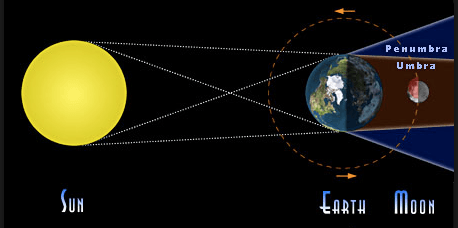
What is the darkest inner part of the shadow cone called, where a total eclipse can be viewed.
a)
Total
b)
Umbra
c)
Penumbra
76.
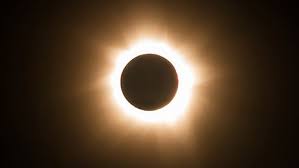
Which type of eclipse is shown in this picture?
a)
Solar Eclipse
b)
Orbit
c)
Lunar Eclipse
d)
Total Eclipse
77.
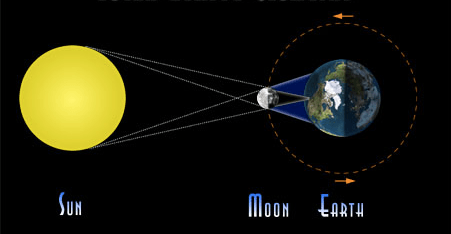
Which type of eclipse is shown in the diagram?
a)
Solar Eclipse
b)
Lunar Eclipse
c)
Total Eclipse
d)
Partial Eclipse
78.
lighter, outer part of the shadow
a)
penumbra
b)
umbra
79.
Where did Einstein born?
a)
America
b)
Britain
c)
Germany
d)
France
80.

When Einstein wrote his 1905 papers, he was working as a:

a)

Private tutor.

b)

Engineer.

c)

Professor.

d)

Patent Officer.

81.

What are Wormholes?

a)

A wormhole is a speculative structure linking points in spacetime.

b)

Wormhole are dug up by worms.

82.

What do Wormholes do?

a)

They help farmers.

b)

They give shelter for worms.

c)

Wormholes connect with space and time that means we could travel in time as well as space.

83.
A wormhole is a ______ in spacetime
a)
bend
b)
fold
c)
edge
d)
hole
84.

what is in a blackhole

a)

no one knows

b)

another universe

c)

another solar system

d)

I don't know

85.

does black holes have gravity

a)

it has a lot

b)

it doesent

c)

kind of

d)

no one knows

86.

Dark matter is:

a)

invisible

b)

made of atoms

c)

listed on the Periodic Table

d)

shiny, like stars

87.

The Milky Way is a___.

a)

galaxy

b)

star

c)

planet

d)

moon

88.

Which type of scientist is MOST likely to study DARK MATTER?

a)

astronomer

b)

biologist

c)

chemist

d)

zoologist

89.

What kind of matter makes up you and me and all we can see?

a)

Special Matter

b)

Normal Matter

c)

Dark Matter

d)

Light Matter