
Font size
 Worksheets
Ocean Chemistry and Structure/ Technology
Total questions: 40
Worksheet time: 23mins

Ocean temperature, salinity, dissolved gases, and density are the same in all parts of the ocean.
True
False

NaCl (Sodium chloride) is the only kind of salt in the ocean.
True
False

Oxygen (O2), Carbon dioxide (CO2), and Nitrogen (N2) are all _________________________ that are important to marine life.
ions
dissolved gases
carbohydrates
carbon compounds

Substances that are dissolved in a solvent (water) and can be either solids, gases, or other liquids:
solutes
solvents
bases
lipids

Sodium chloride (NaCl) is an example of a dissolved _________________.
liquid
solid
gas
acid

Carbon dioxide (CO2) enters the ocean from the ______________________________.
atmosphere
photosynthesis of aquatic plants and algae
melting of sea ice
freezing of seawater

Carbon dioxide (CO2) is also produced in the ocean by ______________________________.
photosynthesis of marine plants
cellular respiration of marine organisms
sea water freezing
increased alkalinity

Density of seawater is affected by these two factors:
clarity and color
hydrogen ions and dissolved oxygen
transparency and turbidity
temperature and salinity

Ocean acidification occurs when too much _______________________________ enters the ocean from the atmosphere.
calcium carbonate
carbon dioxide
sulfur dioxide
nitrogen gas

As a result of __________________________, there is not enough calcium carbonate available, needed by corals, crustaceans, mollusks (snails, etc).
chemosythesis
photosynthesis
ocean acidification
cellular respiration
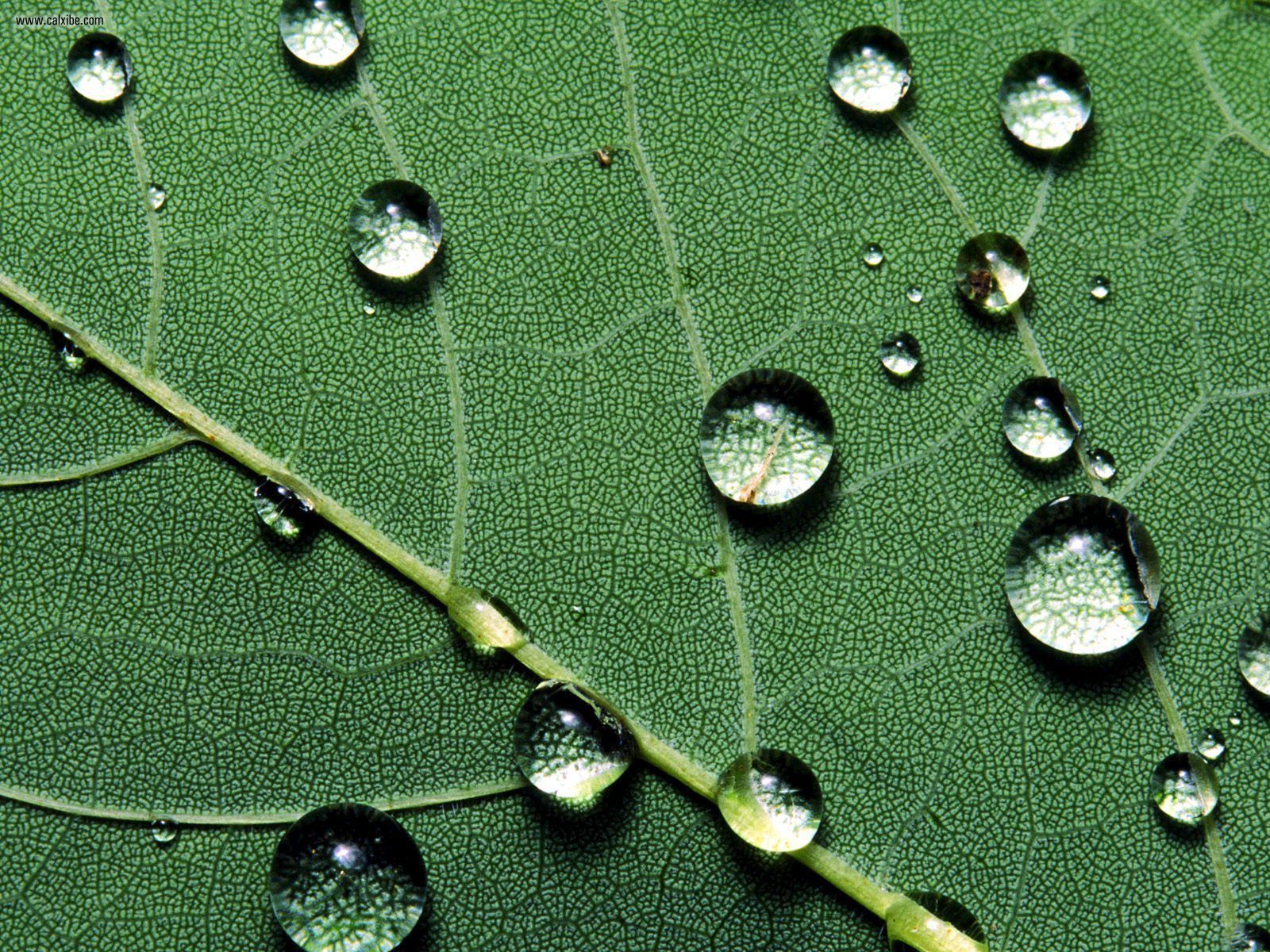
Refer to the picture of water sticking to a leaf; this is occurring because of:
Adhesion
Cohesion
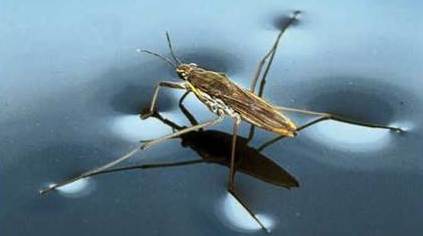
Refer to the picture; the water strider can walk over waters surface. This is occurring due to:
Adhesion
Cohesion
Water is the universal solvent since it's:
such a small molecule
polar & able to make covalent bonds
polar & able to make hydrogen bonds
composed of an odd number of atoms
Water is a liquid at room temperature due to:
Earth's position in the solar system
Hydrogen Bonding & Adhesion
Hydrogen Bonding & Cohesion
It's always been a liquid at room temperature

Refer to the photo of the results of the capillary tube demo. This tells us that water:
Is a liquid at room temperature
Can climb upwards using adhesion, against gravity
Water can be cohesive with certain molecules, such as glass
Is not a unique substance, at all.


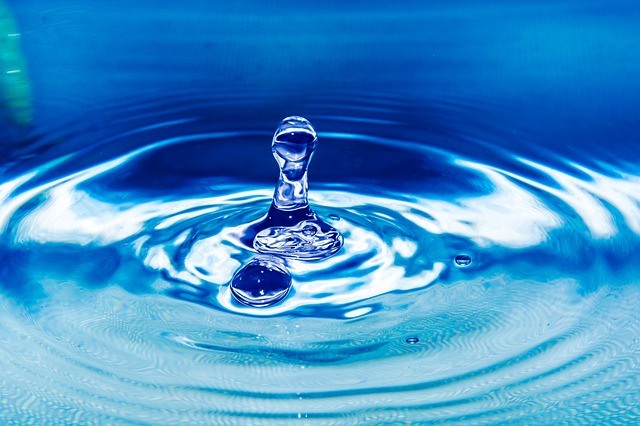


Chloride ions make up 55.03% of the amount of salt present anywhere in the ocean. This is an example of the:
Theory of evolution by natural selection
Laws of motion
Rule of constant proportions
Cell theory

The Titanic struck a ______.
Ship
Iceberg
Rock
Island
What factors could of prevented the titanic from sinking and saved more lives aboard? (Choose all that apply)
The Titanic should of taken heed of the several warning given by other ships in the area and stopped for the night.
The Titanic's owner should not have been so prideful on making port sooner then predicted.
The life boats should have been filled to capacity and 600 more lives could of been saved.
The captain did exactly what he was supposed to do, the tragedy could not have been avoided.
What is the final resting place of the RMS Titanic? (Choose all that apply)
The titanic is lying about 600km (370 miles) off the coast of Newfoundland, Canada.
The Titanic lies in the Atlantic Ocean.
The Titanic sank off the coast of California.
The Titanic sank in the Indian Ocean.
What do they hope for the future of the Titanic? (choose all that apply)
They are hoping to be able to turn the Titanic into a museum.
They plan to let another country take all the artifacts off the ship and put it in a museum.
There was a museum build in Belfast, Ireland to honor the building of the Titanic.
They plan to let it return to the sea.
What technology has been used to explore the Titanic Wreckage? (Choose all that apply)
Submersibles - Alvin, Limiting Factor
ROV's- Jason Junior
ARGOS
The Titan
Who is credited for discovering the Titanic?
Germany
French- American Team led by Dr. Robert Ballard
Japan
How was the discovery of the Titanic made?
Under the cover of US Navy submersible recovery mission.
With the funds of the Queen of England.
By the German submersible team.
The Titanic resting place is considered to be a graveyard for over 1500 people lost in the shipwreck.
True
False

