
 Worksheets
Biomes, Biodiversity, & Ecological Succession
Total questions: 62
Worksheet time: 1hrs 27mins

What does biodiversity mean?
Only one species in an area.
The different amount of species in an area
All abiotic life
Nitrogen fixation

Which biome has the most biodiversity?
Desert
Sand
Tundra
Rainforest
Which of the following is NOT an abiotic factor?
sun
temperature
soil
grass


This is the driest biome.
Taiga
Temperate Grassland
Savanna
Tropical Rain Forest
Desert
This biome has permafrost
Taiga
Temperate Forest
Tundra
Tropical Rain Forest
Temperate Grassland


In which biome would you find giraffes and elephants?
desert
deciduous forest
savanna
tundra

Which biome has conifer trees or evergreens? These trees have needles that are coated in a waxy substance and drop cones.
deciduous forest
desert
coniferous forest (taiga)
tropical rain forest
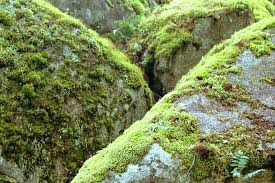
What are examples of pioneer species in a primary succession?
Bushes and Shrubs
Oak trees
Mossess and Lichens
A rose Bush
The end result of ecological succession is usually a(n)
A.land biome.
B.aquatic biome.
C.unstable community.
D.climax community.

The most sustainable ecosystem would
Have low biodiversity
Have high biodiversity
Not experience change
Have no predators
Biodiversity refers to
How an organism interacts with it's environment
The variety of life on Earth
Nonrenewable resources
The rate of species decline
When an ecosystem is more diverse it has more sustainability.
False
True

What type of succession is shown in this picture?
Secondary Succession
Old-Field Succession
Primary Succession
Volcanic Succession
Pioneer species are the first
Trees that replace the original trees after a forest fire
Organisms to live in previously uninhabited areas
Organisms to live in a forest canopy
Trees to grow in an area that has been disturbed
What is one difference between primary and secondary succession?
Primary is rapid and secondary is slow
Secondary begins with lichens and primary begins on newly exposed surfaces
Secondary begins on soil and primary begins on newly exposed surfaces
Primary modifies the environment and secondary does not
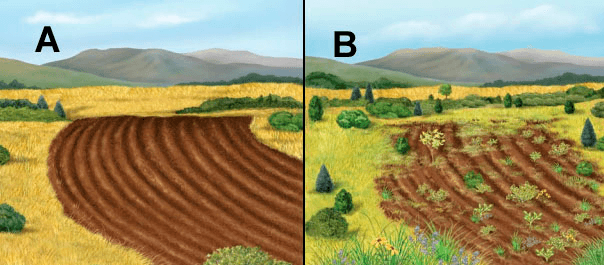
What type of succession is shown going from figure A to figure B?
Primary succession
Pioneer Species
Secondary succession
Climax community
What is Ecological Succession?
Competition between plants in a society
A natural disaster such as a flood or fire
The cycle of a tomato plant
The change an ecosystem experiences over time
The first organisms that appear in an ecological community are ____________________.
ecological succession
primary succession
secondary succession
pioneer speciles
Ends in a climax community
Primary succession
Secondary succession
Primary & Secondary Succession
Biomes
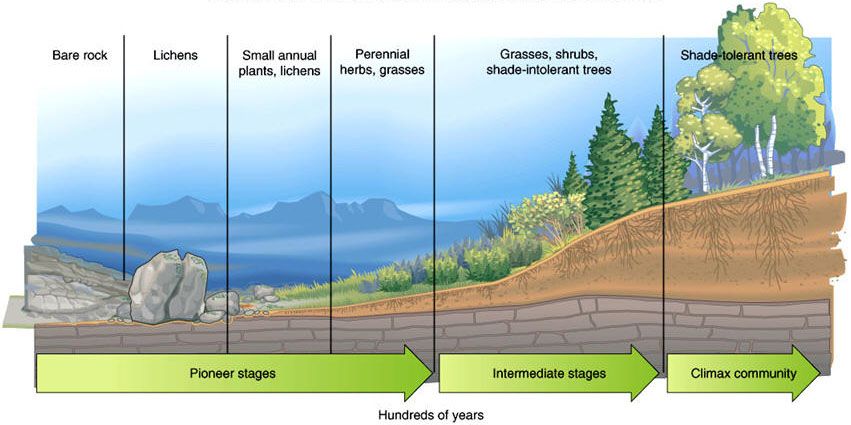
The picture shows what type of succession?
Primary
Secondary
Tertiary
Quadanary
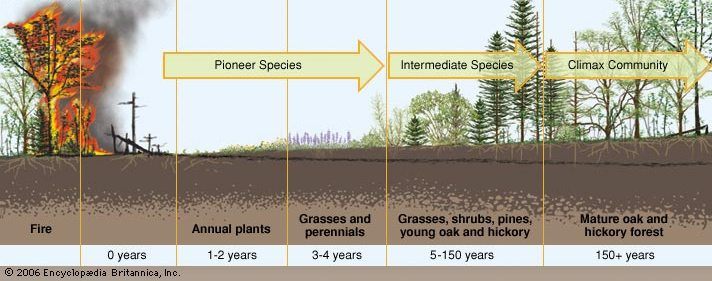
The picture shows what type of succession?
Primary
Secondary
Tertiary
Quadanary
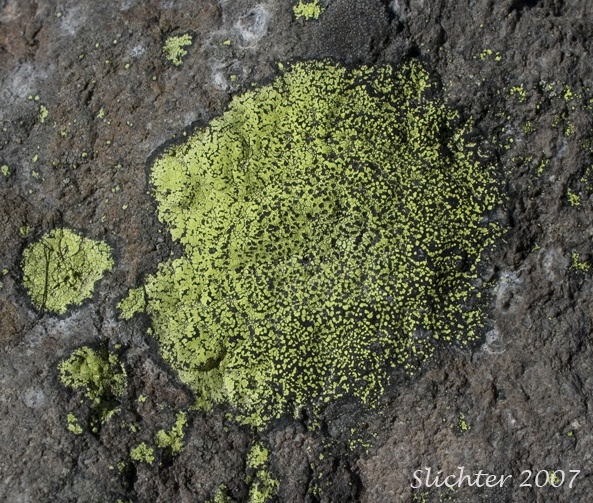
What is the name given to lichen or algae during primary succession?
Pioneer species
Climax community
Founder species
Microhabitat


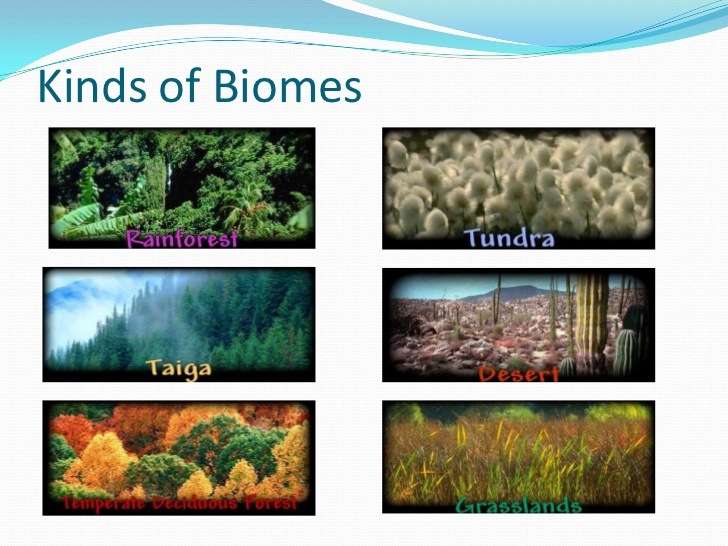
This biome has very little rainfall, also extremely cold temperatures for most of the year, and frozen soil makes ponds form.
Deciduous forest
Tundra
rain forest
Grassland
Lava from a volcano cools and turns into ______________.
Rock
Soil
Water
Plants
The word "sustain" means to:
strengthen or support
have the ability to reproduce
start the process of ecological succession
naturally select organisms to breed with
What is an example of an area that is likely to undergo primary succession?
Glaciers melt and leave exposed rock
Plants die from drought and decompose
Land is bulldozed and soil remains
All of the following contribute directly to soil formation EXCEPT
lichens
decomposition of organisms
volcanic eruptions
erosion of rock by weather
What is an increase of biodiversity over time, after a natural or manmade disturbance?
ecological recession
climax recession
ecological succession
climax succession
What is an example of a disturbance that could bring about secondary succession?
Humans cut down many trees in a small region
A volcanic eruption covers a village in lava.
What is the term that describes a steady and stable community?
peak community
turf community
climax community
disturbed community
T or F: Succession increases biodiversity.
true
false
The Final stage of ecological succession is...
Mature Tree Growth
Climax Community
Pioneer Community


Animals that live in the desert have adapted to live with little water since the desert gets little rainfall.




What biome is this?
deciduous forest
taiga
desert
grassland
This biome is very hot all year long, found close to the equator, and has high amounts of rain fall.
Rain forest
Deciduous forest
Taiga
desert
Which biome is more biodiverse?
Desert
Grassland
Tundra
Rainforest


Image "B" shows more biodiversity than image "A". Why?
Because "B" shows more different species than image "A"
Because image "B" has less different species than "A"
"A" has a greater number of same species plants so this statement is wrong.
Both images show the same biodiversity

High biodiversity is a sign of a healthy ecosystem.
True
False

