wayground logo

Free Printable Worksheets

Font size

S
M
L
XL
Worksheets

ECOSYSTEMS

Total questions: 100

Worksheet time: 2hrs 32mins

Name
Class
Date
1.

Forest communities have a lot of cacti.

a)

True

b)

False

2.

Forest communities are

a)

dry and cold

b)

warm and wet

c)

warm and dry

d)

cold and wet

3.

What animal lives in a forest community?

a)

elf owl

b)

river otter

c)

bear

d)

clown fish

4.

Mountain ecosystems are near the sides f a mountain.

a)

true

b)

false

5.

An animal that lives in a mountain ecosystem is a

a)

jaguar

b)

clown fish

c)

coral

d)

stellar jay

6.

Mountain ecosystems are

a)

cold

b)

warm

c)

hot

d)

wet

7.

An animal found in the desert is

a)

elf owl

b)

river otter

c)

clown fish

d)

bison

8.

Environment means

a)

everything that surrounds an organism

b)

living and nonliving things that interact together

c)

where an organism gets its basic needs

9.

Ecosystem means

a)

everything that surrounds an organism

b)

living and nonliving things that interact together

c)

where an organism gets its basic needs

10.

Habitat means

a)

everything that surrounds an organism

b)

living and nonliving things that interact together

c)

where an organism gets its basic needs

11.

Where are alligators found?

a)

Desert

b)

Forest

c)

Freshwater wetlands

12.

Which animal interacts with sea anemones?

a)

clown fish

b)

river otters

c)

elf owls

13.

Which are fresh water ecosystems?

a)

oceans and rivers

b)

oceans and ponds

c)

rivers and lakes

d)

lakes and ponds

14.

What is an example of a community?

a)

frogs, ducks, water lilies

b)

alligators, rocks, water

15.

What is an example of a population?

a)

shells

b)

rocks

c)

dogs

16.

Water ecosystems include

a)

ponds, rivers, lake, and oceans

b)

puddles, ponds, rivers, lakes

17.

Corals are animals.

a)

True

b)

False

18.

Bison and wolves live in _________ ecosystems.

a)

grassland

b)

wetland

c)

desert

d)

mountain

19.

The Yellowstone National Park is a grassland ecosystem.

a)

True

b)

False

20.

We live in a community.

a)

True

b)

False

21.
A consumer?
a)
Makes its own food
b)
Eats dead plants and animals
c)
Eats plants and other animals for energy
d)
Buys toys for kids
22.
A decomposer?
a)
Eats dead plants or animals and breaks down to put nutrients in the soil
b)
Eats plants or other animals for food
c)
Makes its own food
d)
Machine that gathers trash
23.
A producer?
a)
Eats other plants and animals
b)
Makes its own food
c)
Eats dead plants or animals
d)
Makes toys for kids
24.
A consumer that hunts is called:
a)
a producer.
b)
an omnivore.
c)
a predator.
d)
a herbivore.
25.
A _____ is all the populations from an area together.
a)
Population
b)
Individual 
c)
Community
d)
Neighborhood 
26.
A __________ is all the living and nonliving things around you.
a)
Ecosystem
b)
Community
c)
Environment 
d)
Population
27.
Canopy
a)
The bottom, or ground, layer in a forest.
b)
The layer between the ground and the tree tops.
c)
The very top of the forest.
28.
Plants in the desert are able to store__________ in their roots, stems and leaves.
a)
evaporation
b)
nocturnal
c)
water
d)
driest
29.
Plants and animals living in the desert must be able to adapt to extreme heat and _______________.
a)
winds
b)
chia
c)
dryness
d)
evaporation
30.
The desert is the ___________ of the biomes.
a)
driest
b)
succulents
c)
dryness
d)
nocturnal
31.
A semi-enclosed area where fresh water from a river meets salty water from the sea.
a)
Watershed
b)
Groundwater
c)
cEstuary
d)
oalOcean
32.
The grasslands don't receive much of this.
a)
grasses
b)
droughts
c)
herbivores
d)
rainfall
33.
Many animals of the grasslands do this.
a)
latitudes
b)
trees
c)
fast
d)
graze
34.
1.  Deciduous Forest has this amount of water
a)
there is a wet season and a dry season         
b)
it is dry 
c)
it rains all the time         
d)
It rains all throughout the year, but mostly in the Spring 
35.
The name of a tree found in the deciduous biome.
a)
camouflage
b)
maple
c)
coniferous
d)
cactus
36.
The cold biome of the far north is called the
a)
Northern
b)
Pole
c)
artictc tundra
37.
The permenantly frozen soil that prevents plants from growing deep within the soil is called ________
a)
concrete soil
b)
water table
c)
permafrost
d)
estruary
38.
The living portions of the ecosystem.
a)
Biotic factors
b)
Abiotic factors
39.
A place where an organism lives.
a)
Terrain
b)
Habitat
c)
Community
d)
Population
40.
Which organism do the owl and the weasel compete for in the food web?
a)
Hawk
b)
Spider
c)
Grasshopper
d)
Shrew
41.
A consumer that hunts is called:
a)
a producer.
b)
an omnivore.
c)
a predator.
d)
a herbivore.
42.
A frog eats a fly. The frog and fly are demonstrating ________.
a)
mutualism
b)
competition
c)
predator/prey
d)
parasitism
43.
All of the living AND non-living things in an particular area is called a(n):
a)
ecosystem
b)
house
c)
community
d)
mountain
44.
A connection of food chains with many food energy paths in an ecosystem is a ____________.
a)
ecosystem
b)
food web
c)
environment
d)
population
45.
Grass is considered a ...
a)
consumer
b)
producer
c)
decomposer
d)
composers
46.
A ____________ breaks down waste or dead organisms and recycles nutrients.
a)
consumer
b)
producer
c)
decomposer
d)
omnivore
47.
An animal that is hunted for food.
a)
predator
b)
prey
c)
consumer
d)
decomposer
48.
An organism that makes its own food for energy
a)
consumer
b)
predator
c)
prey
d)
producer
49.
An organism that cannot make its own food
a)
consumer
b)
producer
c)
tree
d)
leaf
50.
Which is the best description of an ecosystem?
a)
all of the living and nonliving things in an area
b)
all of the individuals of one species in an are
c)
all of the populations of living things in an area
d)
all of the abiotic factors in an area
51.
Which is a non-living part of an ecosystem?
a)
Sunlight
b)
Air
c)
Water
d)
All of these
52.
A relationship between two organisms in which one organism benefits and the other is unharmed...
a)
Mutualism 
b)
Competition
c)
Parasitsm 
d)
Commensalism 
53.
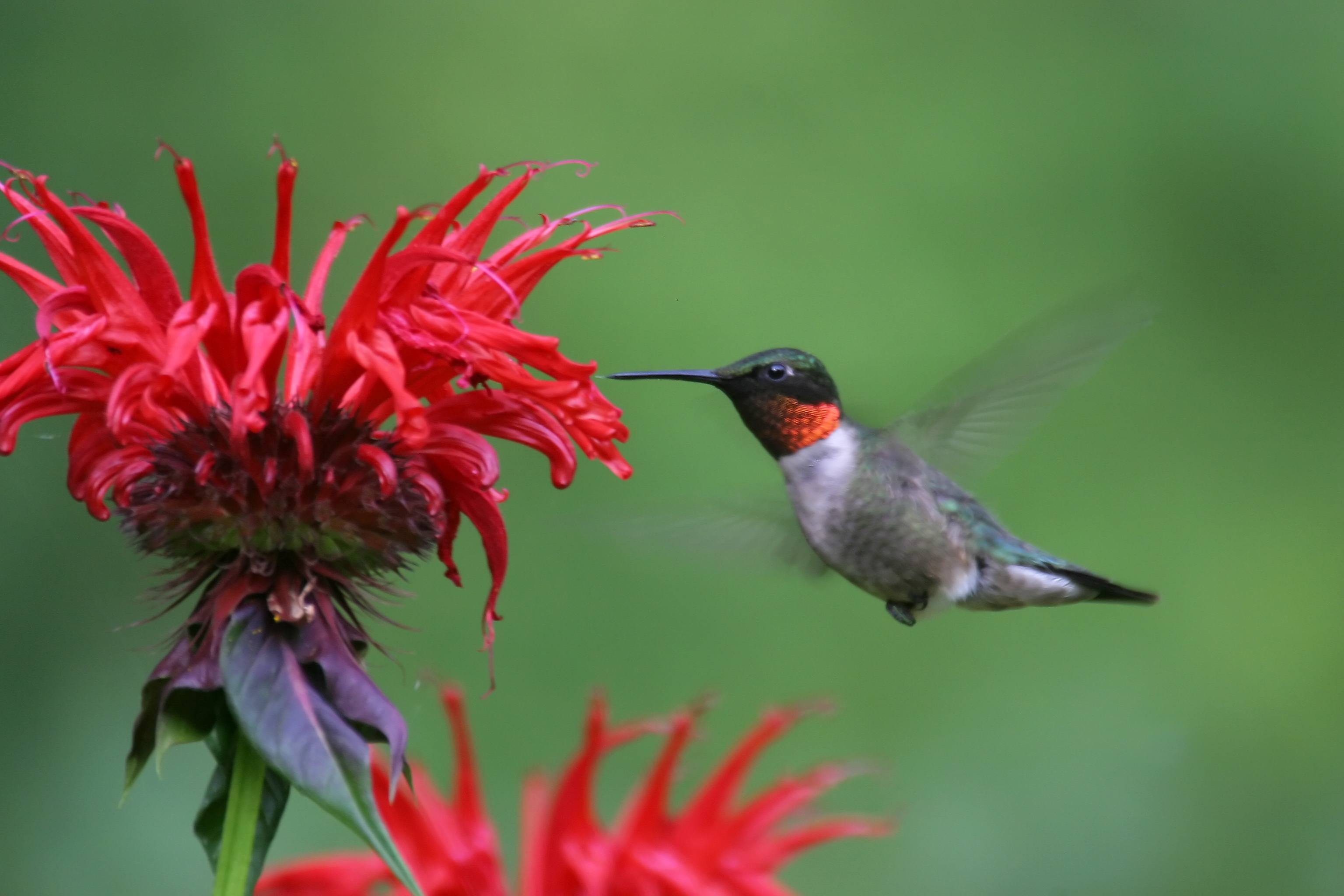
What type of symbiosis?  Hummingbirds feed on nectar from flowers.  The flowers are pollinated by hummingbirds as they move from flower to flower.
a)
commensalism
b)
mutualism
c)
parasitism
d)
predation
54.
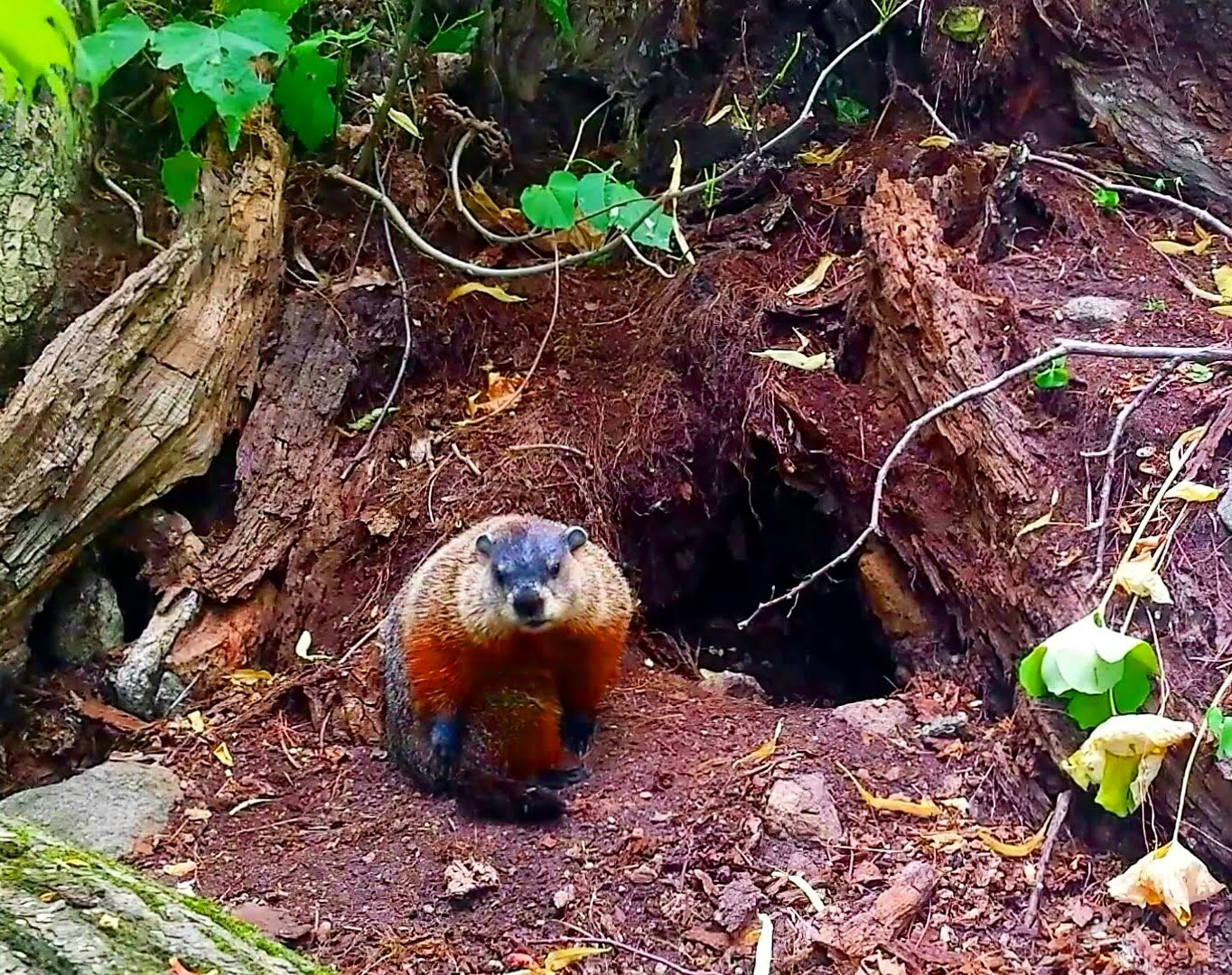
What type of symbiosis?  Skunks often live in burrows that have been dug and abandoned by woodchucks.  
a)
commensalism
b)
mutualism
c)
parasitism
d)
predation
55.
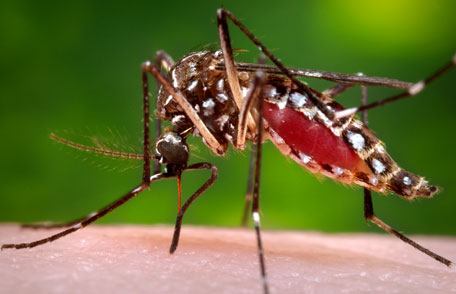
When a mosquito bites you, you are the __________ and the mosquito is the  ____________.
a)
host, hostess
b)
parasite, host
c)
host, parasite
d)
prey, predator
56.
Mistletoe extracts water and nutrients from a spruce tree. The spruce tree is harmed. 
a)
parasitism
b)
commensalism
c)
mutualism
57.
Oxpeckers feed on the ticks found on a rhinoceros. The oxpeckers get a meal and the rhinoceros is helped by the removal of the ticks.
a)
parasitism
b)
commensalism
c)
mutualism
58.
_________________ is the term to describe all the members of one species living in a particular area.
a)
Community
b)
Pod
c)
Population
d)
Gaggle
59.
Joey was walking through a forest and looked up to see a monkey being chased by a panther.  Which type of forest was he most likely visiting?
a)
rainforest
b)
deciduous
c)
coniferous
60.
A scientist took a picture of a deer, a black bear, and a squirrel in the wild.  In which ecosystem did the scientist most likely take pictures?
a)
estaury
b)
tundra
c)
forest
d)
pond
61.
Which type of ecosystem can be found in the mountain region of NC?
a)
estaury
b)
rainforest
c)
deciduous forest
d)
grasslands
62.
High average daily temperature and heavy annual precipitation are found in a 
a)
Taiga (Coniferous Forest)
b)
Deciduous Forest
c)
Rainforest
63.
Which forest ecosystem has all four seasons?
a)
Taiga (Coniferous Forest)
b)
Deciduous Forest
c)
Rainforest
64.
Which is a difference between a tropical rainforest and a deciduous forest?
a)
A tropical rainforest is smaller in size than a deciduous forest
b)
A tropical rainforest recieves more sunlight than a deciduous forest
c)
A tropical rainforest recieves more annual precipitation than a deciduous forest
d)
A tropical rainforest has more lakes and ponds than a deciduous forest
65.
Which consumer would you most likely find in a deciduous forest?
a)
Toucan
b)
Deer
c)
Panther
d)
Duck
66.
Screech owls nest in holes in trees.  They eat mice and crickets. Where would a screech owl most likely live?
a)
tundra
b)
estaury 
c)
forest
d)
rainforest
67.
Which terrestrial ecosystem has warm, humid conditions and a large variety of animals and plants?
a)
Taiga (Coniferous Forest)
b)
Deciduous Forest
c)
Rainforest
d)
Estaury
68.

hot, humid forests with much rainfall

a)

grassland

b)

terrestrial ecosystems

c)

tropical rainforest

d)

biodiversity

69.

An ecosystem that is found on land.

a)

terrestrial ecosystems

b)

grassland

c)

tropical rainforest

d)

deciduous forest

70.

The forest biome in which many trees lose their leaves each year; it has four seasons.

a)

biodiversity

b)

canopy

c)

tundra

d)

deciduous forest

71.

The variety of different life forms in an ecosystem.

a)

biomes

b)

deciduous forest

c)

biodiversity

d)

grassland

72.

The land on Earth is divided into six major large ecosystems called these...

a)

biomes

b)

tundra

c)

desert

d)

canopy

73.

A biome in which grasses are the main plant life.

a)

grassland

b)

desert

c)

biodiversity

d)

taiga

74.

A cool, mostly coniferous (evergreen) forest.

a)

tundra

b)

grassland

c)

desert

d)

taiga

75.

The top layer of the tropical rainforest; keeps sunlight from reaching the ground.

a)

biomes

b)

tundra

c)

desert

d)

canopy

76.

The cold biome of the far north. It has permanently frozen soil, so it can't support large plants.

a)

taiga

b)

canopy

c)

tundra

d)

biomes

77.

Deciduous Forest Plants

a)

maple tree, oak tree, birch tree

b)

deer, squirrel, black bear

c)

acacia trees, baobob trees, scutch grass

d)

hemlock, white spruce, jack pine

78.

Taiga Plants

a)

maple tree, oak tree, birch tree

b)

deer, squirrel, black bear

c)

hemlock, white spruce, jack pine

d)

moose, lynx, reindeer

79.

American Grasslands (Prairie) Plants

a)

acacia trees, baobob trees, scutch grass

b)

elephant, zebra, wildebeest, giraffe, lion

c)

buffalo grass, bluestem grass, stinging nettle

d)

prairie dog, bison, coyote

80.

Tropical Rain Forest Animals

a)

cacao, rubber tree, kapok tree, coffee, banana

b)

elephant, zebra, wildebeest, giraffe, lion

c)

sloth, capybara, scarlet macaw, poison dart frog

d)

buffalo grass, bluestem grass, stinging nettle

81.

American Grasslands (Prairie) Animals

a)

buffalo grass, bluestem grass, stinging nettle

b)

elephant, zebra, wildebeest, giraffe, lion

c)

acacia trees, baobob trees, scutch grass

d)

prairie dog, bison, coyote

82.

African Grasslands (Savanna) Plants

a)

elephant, zebra, wildebeest, giraffe, lion

b)

acacia trees, baobob trees, scutch grass

c)

buffalo grass, bluestem grass, stinging nettle

d)

prairie dog, bison, coyote

83.

Where does this animal live?

a)
b)
c)
d)
84.

A teacher set up this terrarium that includes a toy elephant and living plants on top of her desk. Which of these living organisms is best suited for the terrarium?

a)

parrot

b)

lobster

c)

tarantula

d)

water lily

85.

The table lists the preferred diet of several types of birds. Based on this information, which two types of birds do not compete for food resources?

a)

Purple martin and yellow warbler

b)

Eastern bluebird and purple martin

c)

Lesser goldfinch and eastern bluebird

d)

American goldfinch and lesser goldfinch

86.

The Amazon Rainforest of Brazil is home to many types of birds. It is estimated to have 16,000 species of trees. Based on the table, which bird is likely to live in this ecosystem?

a)

Burrowing owl

b)

Great Blue Heron

c)

Macaw

d)

Puffin

87.

The table lists characteristics of four types of animals. What features do the ecosystems in which these animals live most likely have in common?

a)

Dry rocky mountains

b)

Abundance of trees

c)

Cold grassland areas

d)

Wet swamplike areas

88.

A student observes the following activities while walking in a rainforest. Which of these activities shows an organism interacting with another living organism in the rainforest?

a)

Activity 1

b)

Activity 2

c)

Activity 3

d)

Activity 4

89.
What is the average weather in a particular place over a long period of time called?
a)
Habitat                  
b)
Ecosystem
c)
biome
d)
climate
90.
Which biome usually contains orchids, ferns, and other plants that live on the branches of trees?
a)
tundra
b)
temperate deciduous rainforest
c)
rainforest
d)
marine
91.
The freshwater biome includes all of the following EXCEPT
a)
lakes
b)
ponds
c)
oceans
d)
streams
92.
The greatest variety of species of living organisms is found in a(an)
a)
rainforest 
b)
taiga
c)
desert
d)
freshwater
93.

Any water environment and the community of organisms that live there is called

a)

Terrestrial ecosystem

b)

land biomes

c)

Aquatic ecosystem

d)

Forests

94.

Pond/Lake Plants

a)

mangrove, sea rush, oioi, jointed rush

b)

water lilies, algae, cattails

c)

mallard duck, crayfish, snapping turtle

d)

coralline algae, phytoplankton

95.

Which of the following best describes turtles, algae, fish and beavers?

a)

Biotic factors found in lakes and ponds

b)

Abiotic factors found in lakes and ponds

c)

Biotic factors found in grasslands

d)

Abiotic factors found in forests

96.

A pond...

a)

is bigger than a lake

b)

is deeper than a lake

c)

is wider than a lake

d)

sunligth approaches the soil

97.

Which of these are abiotic factors that affect aquatic ecosystems

a)

water temperature

b)

water pH

c)

amount of sand

d)

rate of water flow.

e)

Salinity

98.

An aquatic ecosystem must be influenced by all of the abiotic factors

a)

True

b)

False

99.

Although freshwater ecosystems seem common, they actually contain less than one percent of all the water on Earth. ​

a)

True

b)

False

100.

Which picture doesn't show a lake or a pond?

a)

A

b)

B

c)

C

d)

E

e)

F