
 Worksheets
Circulatory and respiratory TEST
Total questions: 49
Worksheet time: 33mins
The __________ system carries oxygen and nutrients to all parts of our bodies.
respiratory
circulatory
What does the circulatory system help our blood carry away from our body?
oxygen
hydrogen
carbon dioxide
helium
How many chambers does the heart have?
1
2
3
4
What makes the heartbeat sound we hear?
ventricles squeezing blood.
circulating blood
valves opening and closing
heart muscle contracting

Number 8 represents which part of the heart?
Right Atrium
Left Atrium
Number 2 represents which part of the heart?
Right Atrium
Left Atrium
Atria pumps blood to the:
Arteries
Body cavities
Veins
Ventricles

Letter G is pointing to
Right atrium
Left Atrium
Right ventricle
Left ventricle

Which of the following brings blood back to the heart from the lungs?
C
D and K
E
B

After dropping off oxygen to the body, blood will re-enter the heart through the
pulmonary veins
aorta
superior and inferior vena cava
pulmonary arteries

How many valve(s) found in the heart?
1
2
3
4
Which part of the heart pumps the oxygen-riched blood to all parts of the body?
right ventricle
left ventricle
right atrium
left atrium
Which structure of the heart receives blood from the body that is low in oxygen and high in carbon dioxide?
Right atrium
Left atrium
Right ventricle
Left ventricle
Which structure of the heart prevents the mixing of oxygen-riched blood and oxygen-poor blood?
Aorta
Atrium
Valve
Septum
What organ does the blood flow to in order to pick up oxygen?
Liver
Stomach
Brain
Lung
What carries oxygen around the body?
Plasma
Red Blood Cells
Platelets
White Blood Cells
What is the function (job) of the platelets?
To form clots (i.e. scabs) when you have cuts and grazes.
To transport oxygen to the muscles
To carry dissolved sugars.
To produce antibodies
What is the function (job) of the white blood cells?
To transport oxygen around the body.
To carry dissolved sugars.
To clot and cover wounds like cuts and grazes.
To release antibodies to help destroy infections.
What is the function (job) of the red blood cells?
To transport oxygen around the body and to the muscles.
To release antibodies to fight infections.
To carry dissolved nutrients and sugars.
To clot and form scabs if there is a wound on the body.
Which is the smallest of the 3 blood vessels?
Veins
Arteries
Capillaries
Which blood vessels take blood AWAY from the heart?
Veins
Arteries
Capillaries
Which blood vessels take blood TO the heart?
Veins
Arteries
Capillaries

What is plasma?
only white blood cells
only red blood cells
fluid part of blood
hemoglobin

Place the pathway of blood through the heart in the correct sequence.
L-K-H-B-G-E-C-F-A-I-E-D
I-J-D-C-F-A-H-B-G-E-K-L
A-B-J-C-D-E-F-K-L-G-H-I
I-J-E-D-C-F-A-B-G-H-K-L
The function of the valves is to...
Allow for the contraction of the heart.
Prevent back-flow.
Oxygenate the blood.
Supply the myocardium with oxygen.
On the right side of the heart, blood flows from the right ventricle to the?
Tricuspid valve to the pulmonary vein
Pulmonic valve to the pulmonary artery
Tricuspid valve to pulmonary artery
Inferior vena cava to the aorta
The blood enters on the left side of the heart (from the lungs) through the ______________ and enters the left atrium. It then passes through the _____________to enter the left ventricle.
pulmonary artery, mitral valve
pulmonary vein, tricuspid valve
pulmonary artery, aortic valve
pulmonary vein, bicuspid valve
The left side of the heart
separates oxygenated and deoxygenated blood before bringing it to the lungs
pumps only deoxygenated blood
pumps oxygenated blood only
brings deoxygenated blood from the lungs to the body where it is oxygenated
Which ventricle is larger?
left
right
upper
lower
Which of the below is correct? Note you have a full minute for this question.
Pulmonary artery - left atrium - left ventricle - aorta; Vena cava - right atrium - right ventricle - pulmonary vein
Vena cava - left atrium - left ventricle - pulmonary vein; Aorta - right atrium - right ventricle - pulmonary artery
Pulmonary vein - left ventricle - left atrium; Aorta - right atrium - right ventricle
Pulmonary vein - left atrium - left ventricle - aorta; Vena cava - right atrium - right ventricle - pulmonary artery
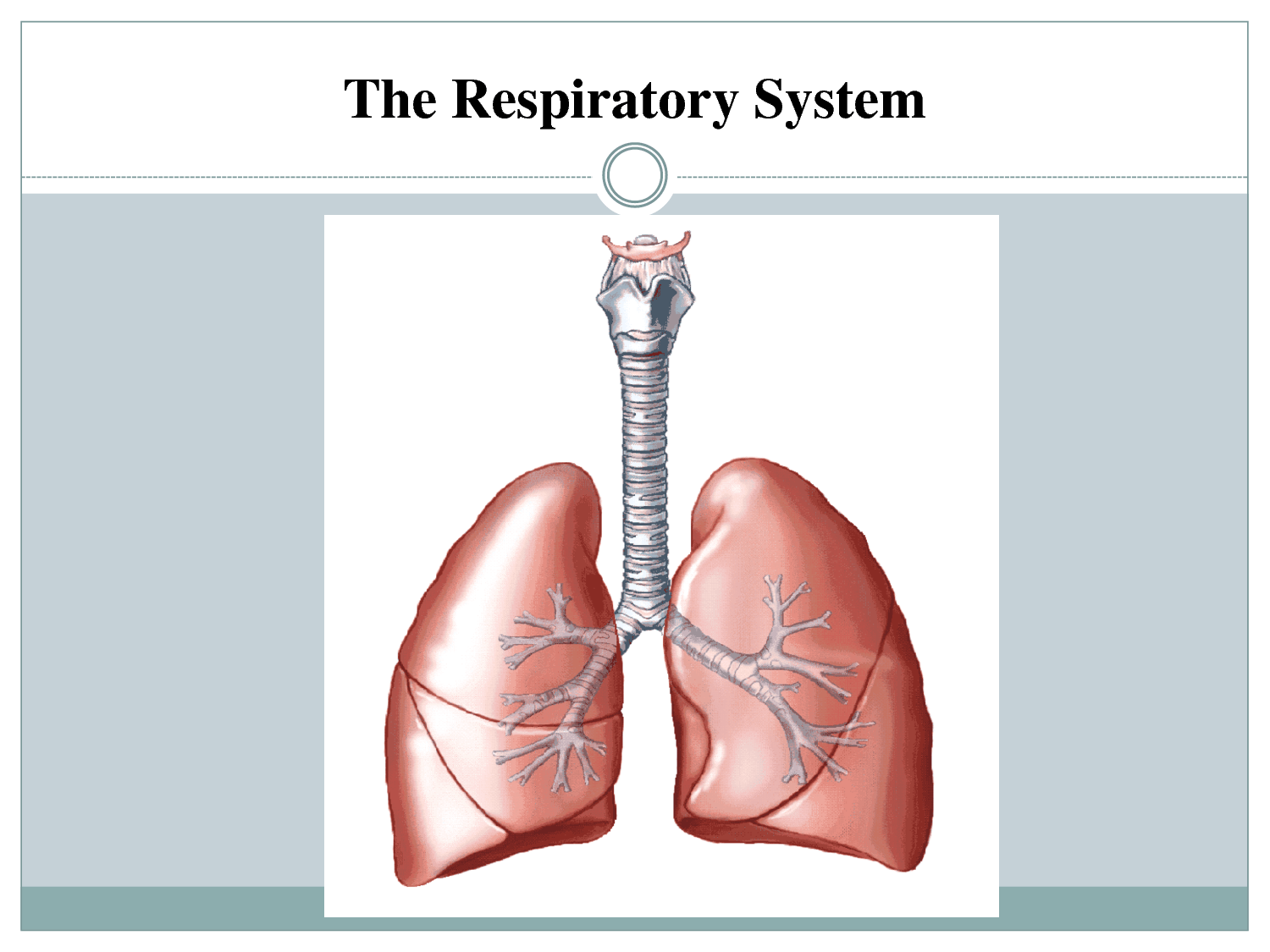
What is the main function of the respiratory system?
to provide oxygen and remove carbon dioxide from the body
o break down food and absorb nutrients
to remove oxygen from the body and deliver carbon dioxide
What are the main organs of the respiratory system that allow us to breathe and for gas exchange to happen?
diapragm
lungs
trachea
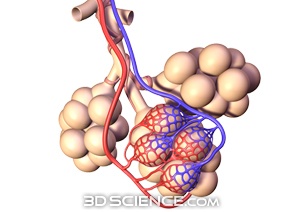
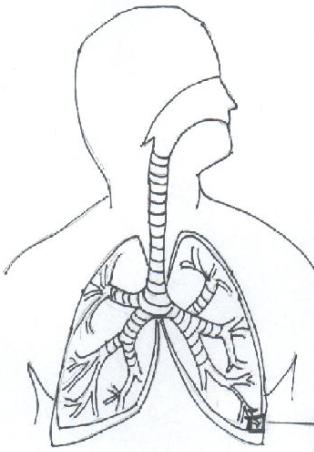
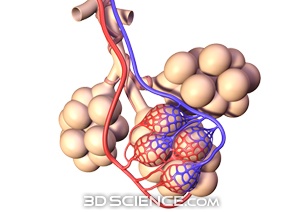
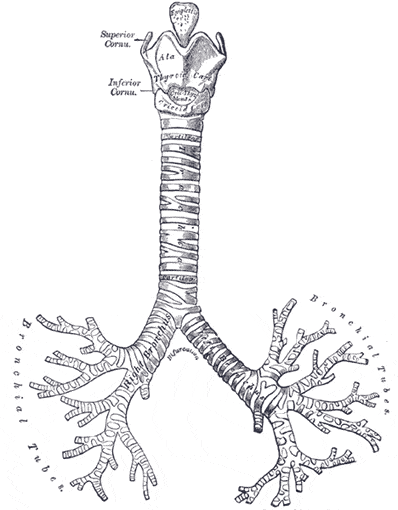

Flap of tissue that covers the opening to the windpipe during swallowing
Pharynx
Trachea
Epiglottis
tiny, hairlike projections in the airway that move in a wavelike manner.
alveoli
cilia
trachea
lungs
What happens when your diaphragm relaxes and moves upward?
Your lungs deflate and you breathe out.
Your lungs inflate and you breathe in.
Your alveoli transfer oxygen to your bloodstream.
Your bloodstream transfers carbon dioxide to your alveoli.
Where does cellular respiration take place in?
chloroplast
mitochondria
nucleus
vacuole
Cellular respiration uses glucose and __________ to make energy.
carbon dioxide
glucose
oxygen
mitochondria

Select ALL the products( when you exhale) of Cellular Respiration? *clue: 3*
oxygen
glucose
carbon dioxide
water
ATP (energy)
Which vein is the only one that carries oxygenated blood?
the aorta
pulmonary vein
superior vena cava
inferior vena cava
Which artery is the only one that carries deoxygenated blood?
Aorta
Pulmonary artery
Coronary artery
Inferior Vena Cava

