
 Worksheets
Quizizz Savvas S2 T3 L1 & 2 Waves
Total questions: 59
Worksheet time: 10mins

This picture is an example of which type of wave?
transverse wave
electromagnetic wave
ocean wave
longitudinal wave
What does a wave carry from place to place?
energy
matter
people
air

How do you calculate the speed (velocity) of a wave?
v = λ / f
f = λ / f
λ = f • v
v = λ • f

What kind of wave is pictured?
compressional wave
transverse wave
sound wave
longitudinal wave
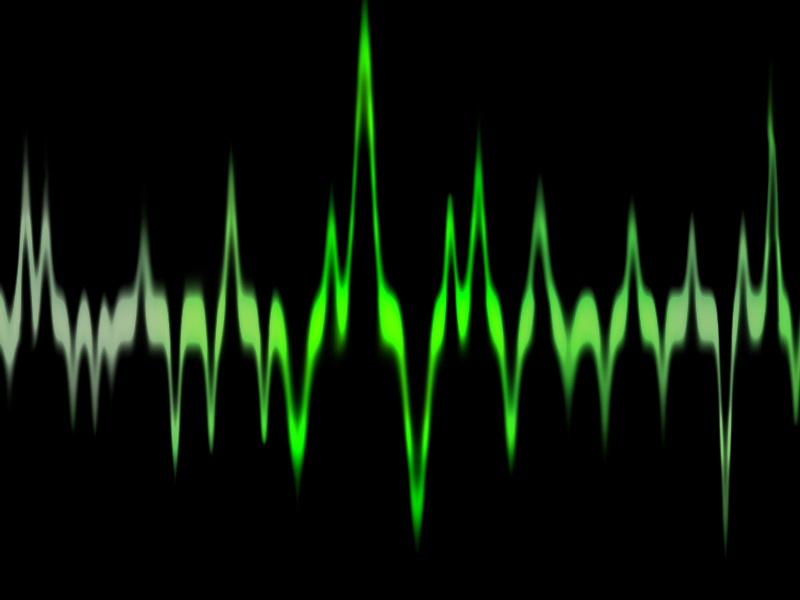
Frequency is measured in SI units called _____________.
hertz
seconds
m/s
m
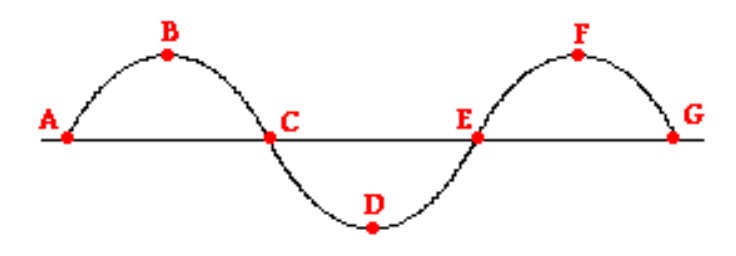
Which of the following can sound travel through?
solid
liquid
gas
Sound can travel through all of these
A wave in which the particles of the medium vibrate parallel to the direction of the wave motion
A. mechanical wave
B. surface wave
C. longitudinal wave
D. transverse wave
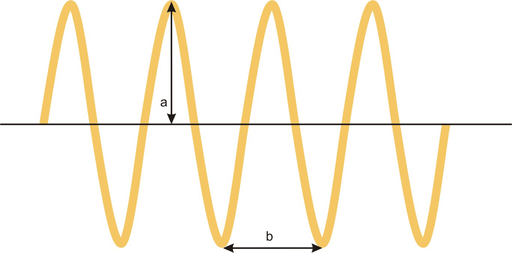
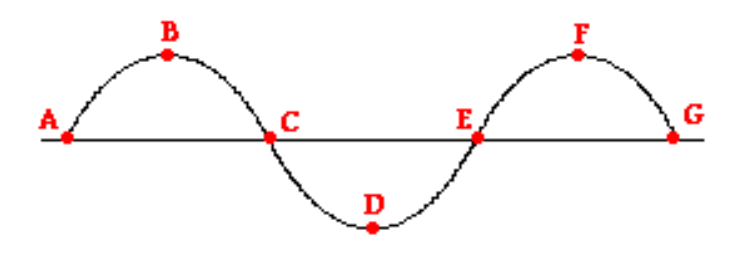
How many complete waves are in this wave chain?
6
3
4
5
A wave has a frequency of 50 Hz and a wavelength of 10 m. What is the speed of the wave?
HMMMM: Do you know the formula to calculate the speed of a wave?
500 m/s
50 m/s
5 m/s
0.5 m/s


The ___________________ of waves change when the waves move from one medium to another.
frequency
amplitude
speed
compression
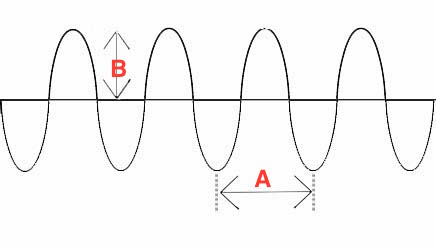
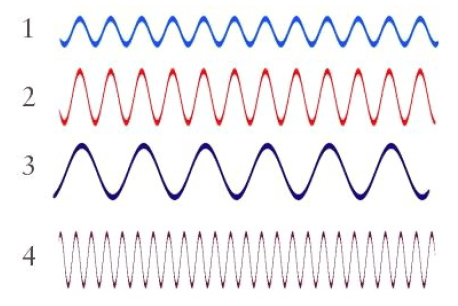
which material does sound travel the fastest?
solid
liquid
gases
vacuum

When the frequency of a wave increases, what happens to the wavelength if the medium is unchanged?
The wavelength is not directly affected by the frequency of a wave.
The wavelength gets larger.
The wavelength gets smaller.
More specific information is needed to form a conclusion about the wavelength.
A mechanical wave cannot travel through...
a vacuum (empty space).
water.
air.
glass.

The diagram shows four waves drawn to the same scale
The amplitude of wave P is the same as the amplitude of wave R.
The amplitude of wave S is double the amplitude of wave Q.
The wavelength of wave Q is double the wavelength of wave P.
The wavelength of wave S is the same as the wavelength of wave Q.
Which of the following is NOT a mechanical wave?
surface wave
electromagnetic wave
transverse wave
longitudinal wave

The part of a longitudinal wave where the particles are close together.
amplitude
compression
frequency
rarefaction

The lowest point on a transverse wave is called ____
rarefaction
crest
trough
compression
The number of wavelengths that pass a point each per second is:
frequency
wave speed
amplitude
trough

The full range of frequencies of electromagnetic radiation is called
visible light.
radio waves.
the electromagnetic spectrum.
invisible radiation.

What type of interference do noise cancelling headphones use?
Constructive Interference
Destructive Interference
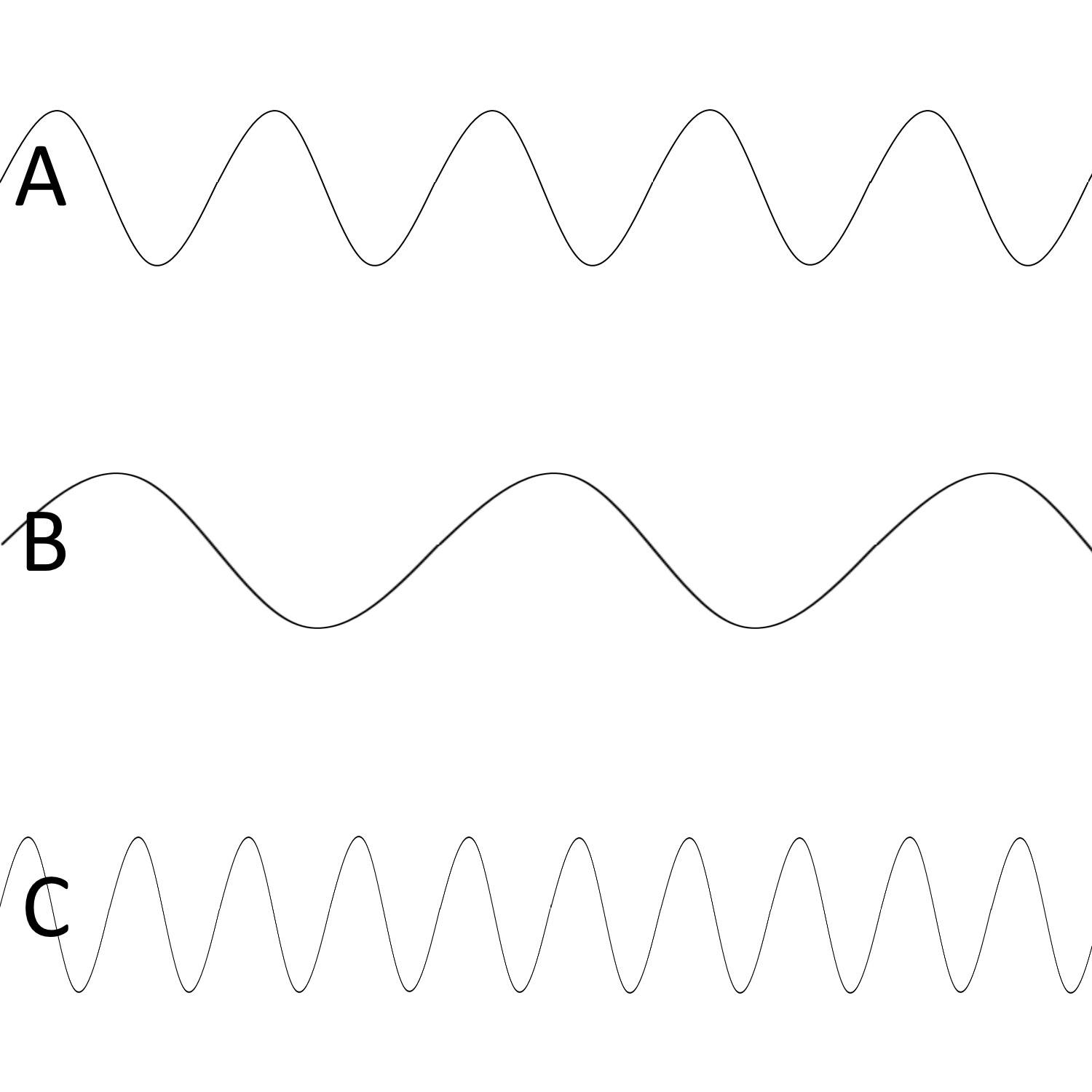
Which diagram shows the wavelength of a wave?


You can't hear sounds in outer space because there is no
medium
light
energy
heat

What type of interference is represented in this diagram?
Constructive
Destructive

If the angle of incidence is 30 degrees, what is the angle of reflection?
30
60
90
none of the above

In the diagram, which letter represents the angle of incidence?
A
B
C
D

The picture shows which type of reflection?
Specular
X-ray
Diffuse
Normal

An imaginary line that is drawn at a right angle (90 degrees) to a mirror (Green line)
Reflection Ray
Normal
Incidence Ray
Light Ray
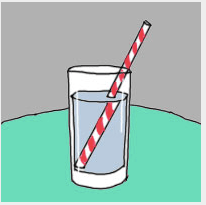
Why does the straw appear to be bent?
light is reflected
light is absorbed
light is turned
light is refracted
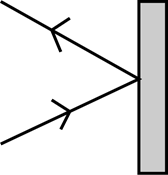
In the illustration, the light ray striking the object is-

What is the angle of incidence?
The angle at which light bends in water.
The angle at which light hits a surface.
The angle at which light is absorbed by an object.
The angle at which light bounces off a surface.

What type of interference is represented in the diagram?
Constructive
Destructive

Two waves E and G are shown. The waves have the same speed.
Which statement is correct?
Wave E has a greater amplitude than wave G.
Wave E has a greater intensity than wave G.
Wave E has a smaller frequency than wave G.
Wave E has a smaller wavelength than wave G.

What would you call this?
Reflection
Diffraction
Refraction
Friction

What would you call this?
Refraction
Diffraction
Bends
Reflection

Which of the following are properties of waves?
Amplitude
Wavelength
Frequency
These are all properties of waves.
A wave hits a medium and transfers its energy to the particles of that medium.
reflection
absorption
refraction
propagation
a form of electromagnetic radiation that doesn't require a medium to pass through
sound wave
light wave
transverse wave
compressional wave

Standing waves are created by
Two identical waves reflecting off each other
Two identical waves being diffracted together
Two identical waves move through each other in opposite directions
Two identical waves are diffracted from two identical sources


The energy of a wave is equal to the _____.
amplitude
amplitude / frequency
amplitude2
hertz

Which symbol represents the wavelength of a wave?
v
λ
f
Hz
In which type of wave is an object on the surface moving in a circular motion?
longitudinal wave
surface wave
transverse wave
mechanical wave

