
 Worksheets
Ch. 7 The Axial Skeleton Review
Total questions: 85
Worksheet time: 21hrs 15mins
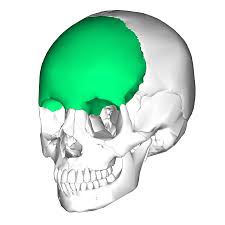
Identify the green highlighted bone.
Frontal
Mandible
Occipital
Parietal
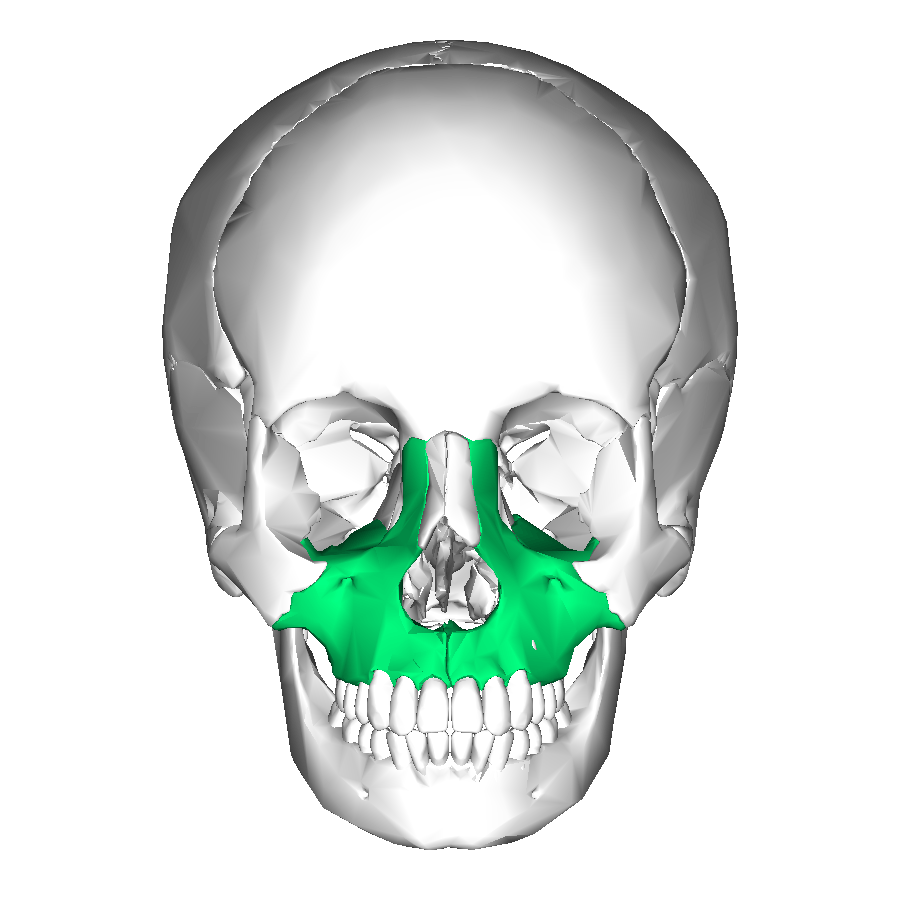
Identify the green highlighted bone.
Mandible
Maxillae
Zygomatic
Lacrimal
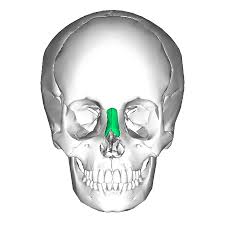
Identify the green highlighted bone.
Nasal
Lacrimal
Ethmoid
Vomer
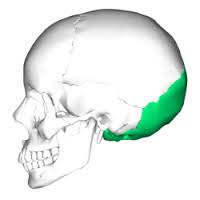
Identify the green highlighted bone.
Parietal
Occipital
Frontal
Temporal
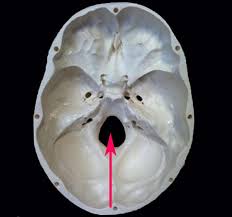
What structure is the arrow pointing to?
Foramen Magnum
Jugular Foramen
Carotid Canal
External Acoustic Meatus
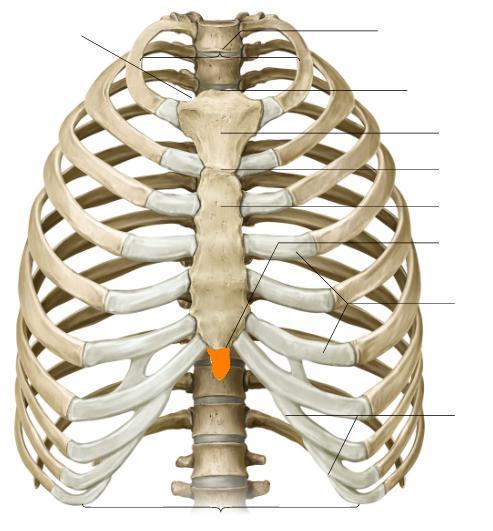
Identify the highlighted structure.
Manubrium
Xiphoid Process
Body
Costal Cartilage
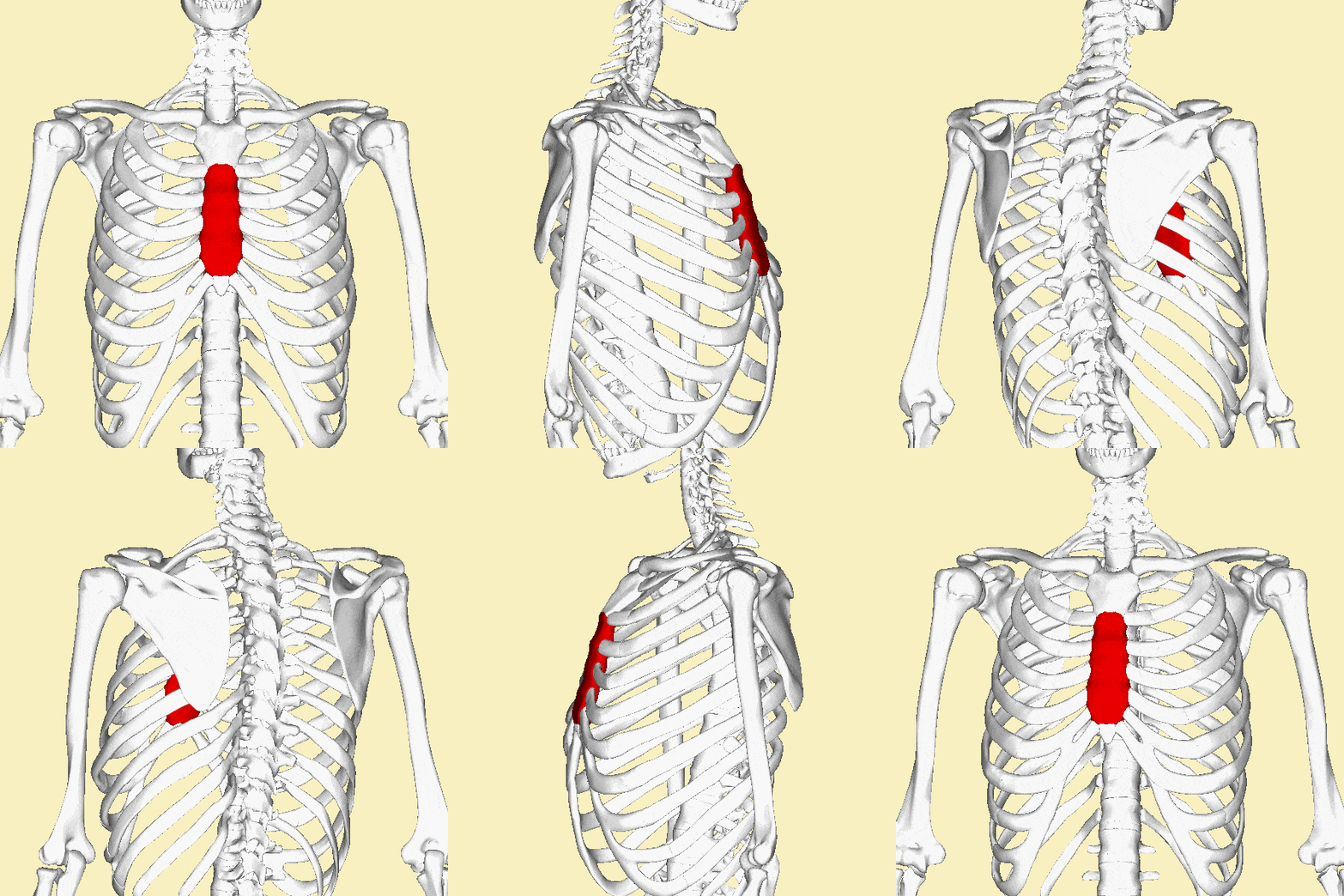
Identify the highlighted structure.
Manubrium
Body
Xiphoid Process
True Ribs
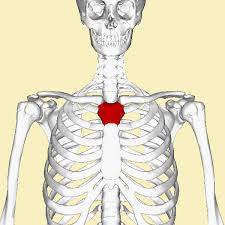
Identify the highlighted structure.
Manubrium
Body
Xiphoid Process
Clavicle
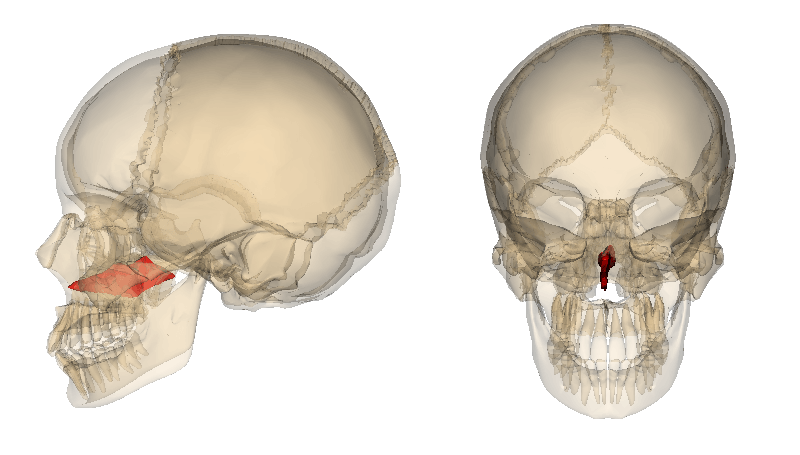
Identify the highlighted structure.
Vomer
Ethmoid
Palatine
Sphenoid
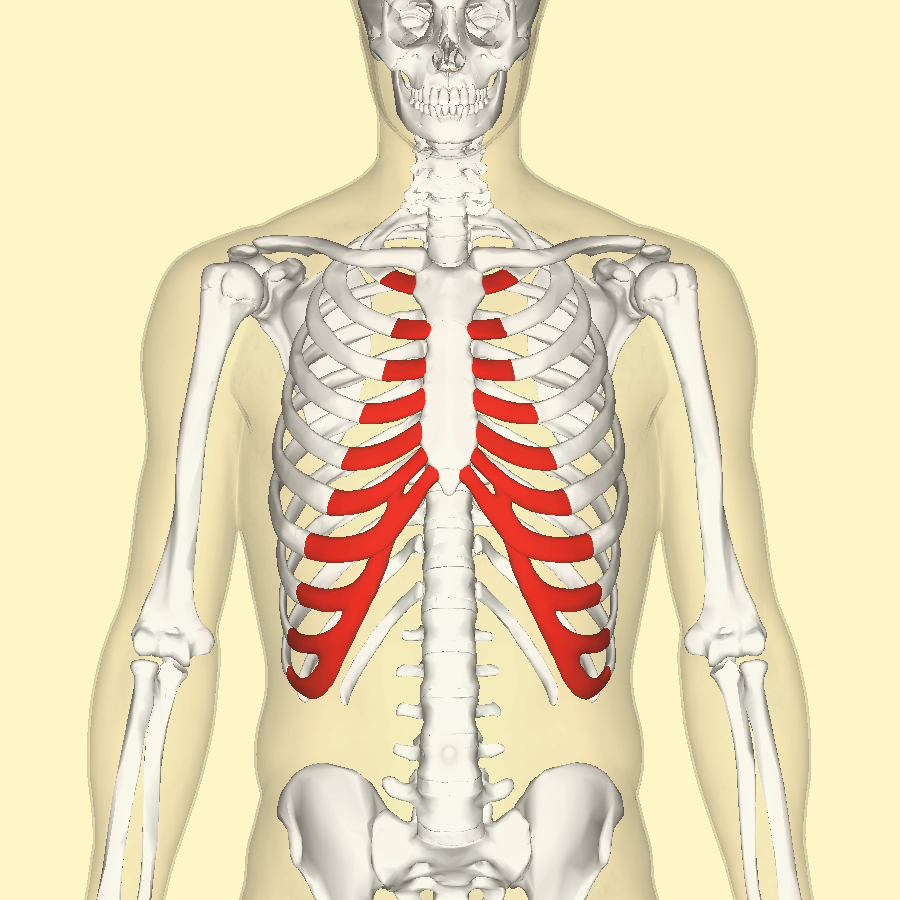
Identify the highlighted structure.
Costal Cartilage
True Ribs
False Ribs
Sternum
Which section of the vertebrae is highlighted
thoracic
cervical
lumbar
sacral
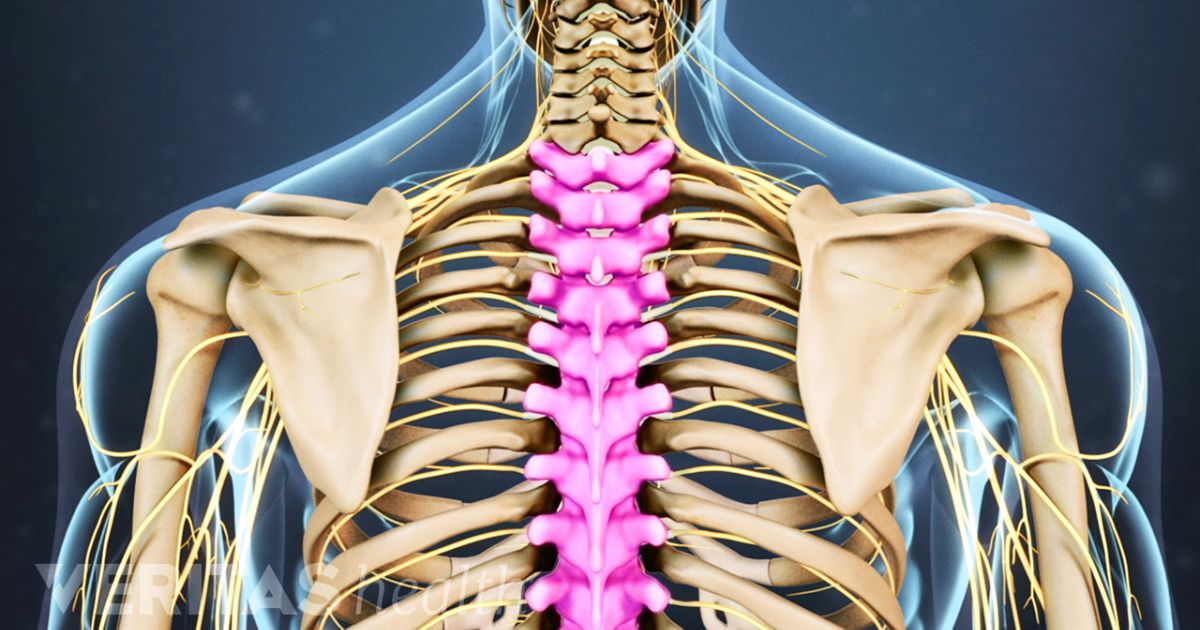
Which section of the vertebral column is highlighted
cervical
lumbar
thoracic
coccyx
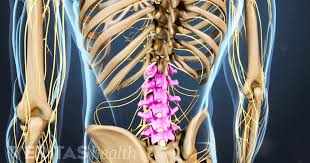
Which section of the vertebral column is shown?
cervical
lumbar
thoracic
sacral
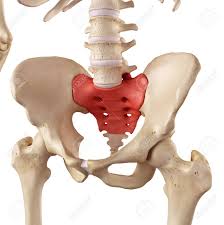
Which section of the vertebral column is highlighted
lumbar
cervical
coccyx
sacrum
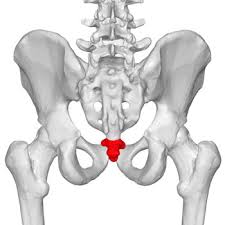
Which section of the vertebral column is highlighted
lumbar
sacrum
coccyx
cervical
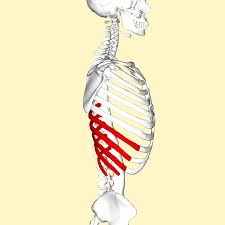
Which ribs are highlighted
true ribs
false ribs
floating ribs
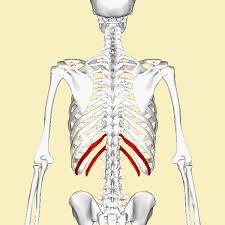
Which section of the rib cage is highlighted
true ribs
false ribs
floating ribs
Contains 22 bones; rests on the top of vertebral column
sutures
cranial bones
skull
frontal bone
14 bones that form the face
cranial bones
foramina
frontal bone
facial bones
immovable joints that hold the skull together
foramina
orbits
sutures
vomer
holes in which blood vessels, nerves and ligaments pass
sutures
foramina
orbits
vomer
forms the forehead and the roof of the eye sockets
orbits
foramina
frontal bone
temporal bones
forms part of the bridge of nose
temporal bones
parietal bones
occipital bone
nasal bones
form the sides and roof of the cranial cavity
parietal bones
temporal bones
occipital bone
nasal bones
form the inferior and lateral aspects of the cranium
occipital bone
parietal bones
temporal bones
sphenoid
forms the back and base of the cranium
parietal bones
temporal bones
occipital bone
ethmoid
found in the middle part of the base of the skull
ethmoid
sphenoid
occipital bone
nasal bones
found on the mid-line in the anterior portion of the cranial floor
sphenoid
occipital bone
ethmoid
temporal bones
pair of bones that form the upper jawbone
maxillae
mandible
zygomatic
lacrimal
two bones known as the "cheek" bones
maxillae
zygomatic
lacrimal
palatine
smallest bones of the face; found at the medial wall of the orbits
maxillae
zygomatic
palatine
lacrimal
two "L" shaped bones found on the back of the hard palate
inferior nasal conchae
vomer
palatine
lacrimal
triangle-shaped bone that is found on the floor of the nasal cavity
maxillae
lacrimal
vomer
palatine
"Scroll-like" bones that form part of the interior lateral wall of the nasal cavity
vomer
palatine
lacrimal
inferior nasal conchae
lower jaw bone
maxillae
mandible
nasal septum
orbits
divides the nasal cavity into left and right sides
nasal septum
mandible
orbits
coronal suture
holds the eyes; there are seven bones that form these depressions
nasal septum
foramina
vomer
orbits
connects the frontal bone with parietal bones
mandible
orbits
coronal suture
sagittal suture
connects two parietal bones
mandible
nasal septum
orbits
sagittal suture
connects the two parietal bones to the occipital bones
lambdoid suture
orbits
sutures
ethmoid

Looking at the diagram how do true ribs differ from false ribs?
True ribs are attached directly to the sternum but the false ribs are not directly attached.
True ribs are not directly attached to the sternum but the false ribs are attached directly to the sternum
True ribs are not directly attached to the sternum but the false ribs are completely detached.
How many cervical, thoracic, lumbar, and sacral vertebrae do humans have?
7, 12, 5, 1 (five fused)
12, 7, 5, 5
5, 12, 7, 1 (five fused)
5, 5, 12, 7

Label 3 is
the body
the vertebral foramen
a transverse process
for muscle attachment
How many true ribs, false ribs, and floating ribs do humans have?
7, 5, 2
5, 7, 2
2, 5, 7
10, 2
How many pairs of ribs do humans have total?
14
10
12
20

What is the hole in the middle of this vertebra called? (HINT: The spinal cord runs through here.)
Body
Vertebral foramen
Transverse process
Spinous process
What is the function of the skull?
Only helps protect the nerves to the brain
Helps protect the entire spinal cord and brain
Helps protect the brain
Helps protect the spinal cord
What is the function of the vertebrae?
Protects the spinal cord and is
a channel for nerves
Protects the spinal cord
Protects the spinal cord and is a channel for
blood vessels
Only used for structure


What is this called?
maxilla
mandible
hyoid
thorax
The increase in vertebrae size from the neck to the lower back is due to:
supporting more weight in the lower back than in the neck
supporting less weight in the lower back than in the neck
evolution
vertebrae don't increase in size
Five vertebrae that are fused form the _______ ________.
cervical vertebrae
thoracic vertebrae
lumbar vertebrae
sacral vertebrae
Four-fused vertebrae form the _______ ________ or "tailbone".
cervical vertebrae
thoracic vertebrae
coccyx vertebrae
sacral vertebrae

(what do they do?)
Identify the squamous suture below.


Identify the lambdoid suture below.

What are the structures in a fetal skull that allow for shape change during birth?
Skull Bones
Temporal Lobe
Fontanels
Foramen
Which of the following is NOT included in the Axial Skeleton?
Skull
Hyoid Bone
Ribs
Humerus
What muscle connects to the hyoid bone?
Biceps
Tongue
Masseter
Deltoid
A cleft or a groove; a gap between bones
fissure
foramen
meatus
ovale
A sinus is
a cavity within a bone, filled with air and lined with mucus membrane
a slit like opening
a cavity within a bone lined with connective tissue
a rounded joint connection
Large, rounded, roughened projection
Trochanter
Tubercle
Tuberosity
Notch
Narrow ridge of bone, usually prominent
Crest
Forament
Notch
Epicondyle
A condyle is a
bony projection
narrow ridge of bone
indentation at the edge of a bone
rounded joint connection
A raised area on or above a condyle is called a(n)
crest
notch
epicondyle
tuberosity
The coccyx consists of how many fused vertebrae?
7
12
5
4
The sacrum consists of how many fused vertebrae?
7
12
5
4

What part of the thoracic vertebrae is A?
pedicle
body
lamina
transverse process
spinous process
What part of the thoracic vertebrae is C?
pedicle
body
lamina
transverse process
spinous process

What part of the thoracic vertebrae is A?
superior articular facet
inferior articular facet
lamina
spinous process

