
Font size
 Worksheets
EOC Review Water Properties
Total questions: 40
Worksheet time: 55mins
What kind of molecule is water?
Ionic
Polar Covalent
Nonpolar Covalent
Metallic
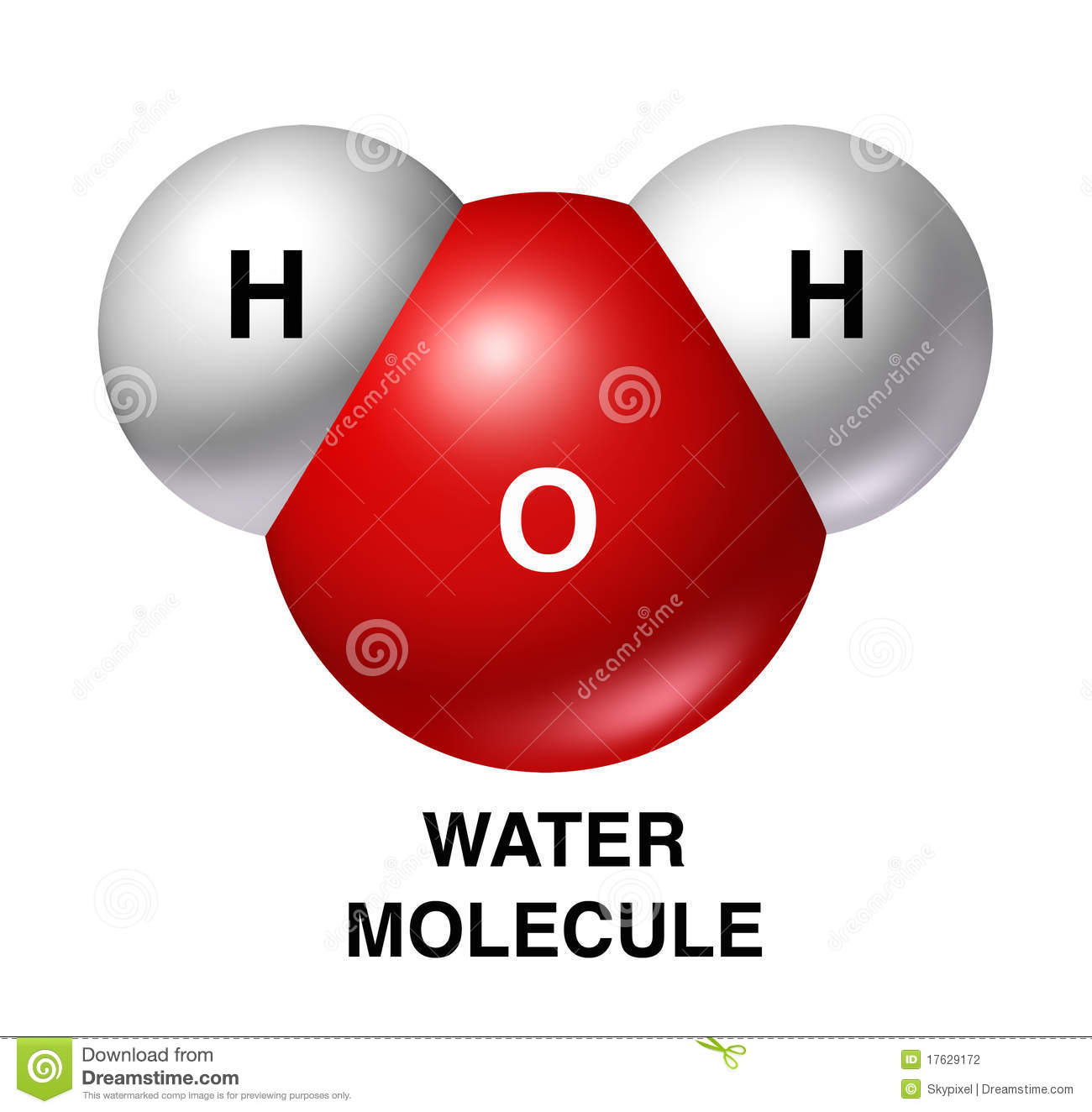
Which part of a water molecule has a Positive Charge?
The Hydrogen
The Oxygen
The Top
The Bottom
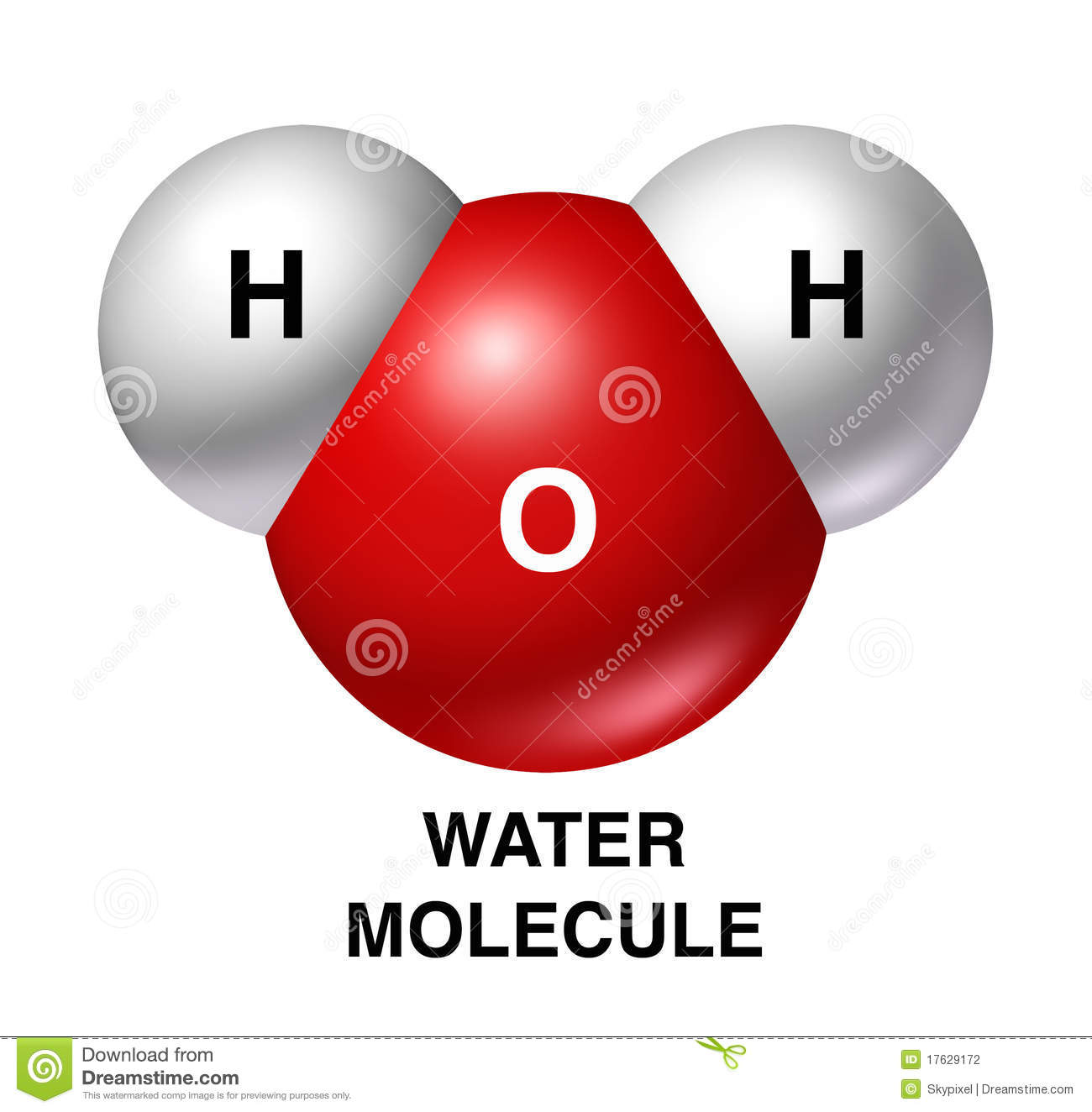
Which part of a water molecule has a Negative Charge?
The Hydrogen
The Oxygen
The Left
The Right
Which of the following can water NOT dissolve?
Salt
Sugar
Oil
Baking Soda
What is the correct chemical formula for water?
H2O
HO2
H2O2
2H1O
Which of the following is an example of COHESION?
water sticking to water
water sticking to glass
oil sticking to plastic
hydrogen sticking to oxygen
Which of the following is the CORRECT list of water's properties?
Read Carefully!
adhesion, cohesion, high specific heat, universal solvent
adhesion, cohesion, low specific heat, universal solvent
adhesion, no cohesion, low specific heat, universal solute
no adhesion, cohesion, high specific heat, universal solute

Fill in the blanks:
In the figure above, water is the ______________ while sodium chloride (table salt) is the _______________.
solvent, solute
solute, solvent
solute, solute
element, molecule
What does it mean when a molecule is said to be “polar”?
The molecule has tendency to absorb a lot of heat, therefore it remains 'cold' easily
The molecule has an even distribution of charges, all parts are positive
The molecule has an even distribution of charges, all parts are negative
The molecule has an uneven distribution of charges, some parts are positive while others are negative
Which of the following is not a special property of water?
Water has the ability to moderate its temperature
Water is polar, therefore it is very adhesive
Water contracts when it freezes
Water is polar, therefore it is very cohesive

According to the figure, a hydrogen bond can form between a hydrogen atom of one water molecule and which atom of another water molecule?
Carbon
Hydrogen
Oxygen
Sodium
Which special property of water is responsible for the fact that water and oil do not mix?
density
mass
phase
polarity

According to the figure above, a solution with a pH of 11 is
acidic
alkaline
neutral
a buffer
Acidic solutions have a pH that is
between 0 and 7
above 14
below 0
between 7 and 14

According to the figure above, polar molecules such as water have
no negative or positive poles.
both negative and positive poles.
only a negative pole.
only a positive pole.

The picture above depicts a water strider walking across a lake. The reason that small insects such as water striders can walk on liquid water is due to water's
low specific heat
high specific heat
high surface tension
low surface tension
A molecule that has a partial positive charge on one side and a partial negative charge on the other side is called a
nonpolar molecule.
polar molecule.
charged molecule.
bipolar molecule.
Which of the following properties of water enables water molecules to stick to one another?
Water expands as it freezes.
Water is an excellent solvent.
Water exhibits cohesive behavior.
Water exhibits adhesive behavior.
As the sun shines on bodies of water, they can absorb great amounts of its energy without a large fluctuation in temperature. Which special property of water allows for this?
Water exhibits cohesive behavior
Water is a versatile solvent.
Water has a high heat capacity.
Water has a pH of 7

Why does ice stay at the top of oceans instead of sinking to the bottom?
Ice is colder than liquid water.
Solid ice is less dense than liquid water.
Solid ice is more dense than liquid water.
Ice is warmer than liquid water.
Water is often called the "universal solvent" because many substances can be dissolved in water. Which properties of water allow it to be such a versatile solvent?
purity and neutral pH
polarity and cohesion
high heat capacity and high surface tension
polarity and high heat capacity
pH Values of Some Common Substances
Substance.............................pH
Hydrochloric acid.................1.0
Sulfuric acid..........................1.2
Tomatoes..............................4.2
Rainwater.............................6.2
Pure water............................7.0
Sea water..............................8.5
Ammonium chloride..........11.1
Sodium hydroxide..............13.0
What is the strongest acid listed in the table above?
hydrochloric acid
pure water
rainwater
sodium hydroxide

According to the figure, which of the following statements best describes a water molecule?
A water molecule has one negatively charged oxygen atom and two positively charged hydrogen atoms
A water molecule has two negatively charged oxygen atoms and one positively charged hydrogen atom
A water molecule has one positively charged oxygen atom and two negatively charged hydrogen atoms
A water molecule has two positively charged oxygen atoms and one negatively charged hydrogen atom
Which of the following properties of water enables it to move from the roots to the leaves of plants?
Water expands as it freezes
Water is an excellent solvent
Water exhibits cohesive behavior
Water is able to moderate its temperature

In the picture above, ice cubes are shown floating on top of a glass of water. Which of the following hypotheses does this observation prove true?
Liquid water has a high heat capacity
Liquid water exhibits strong cohesive properties
Liquid water is more dense than frozen ice cubes
Liquid water is less dense than frozen ice cubes
Water is known as the universal solvent. What is a solvent?
A substance that can be dissolved by another substance
A substance that is capable of dissolving another substance (a solute)
A substance that helps speed up the rate of chemical reactions
A substance that is required by all living things
**THIS QUESTION HAS MULTIPLE ANSWERS**
Select all of the following choices that fall under the category:
properties of water
Water expands as it freezes
Water contracts as it freezes
Water can dissolve any substance, including oil
Water is extremely cohesive and adhesive
Water has a high heat capacity
Water is essential for life. Its special properties make water the single most important molecule in plant life. Which of the following properties of water enables it to move from the roots to the leaves of plants?
Water expands as it freezes.
Water is an excellent solvent
Water exhibits cohesive behavior.
Water is able to moderate temperature.


A HYPOTONIC solution outside a cell has a ______________ concentration of solute (dissolved substance) than inside the cell.
A) lower
B) equal
C) higher

An ISOTONIC solution outside a cell has a(n) ______________ concentration of solute to inside the cell.
A) lower
B) equal
C) higher

If a cell is placed in a HYPOTONIC solution, water will move _________ of the cell, causing it to ___________.
A) into, swell
B) out of, shrivel
C) in and out of the cell, stay the same

The cell shown is in a(n) _________ solution. (Assume the dots are salt.)
A) Hypotonic
B) Hypertonic
C) Isotonic

