
 Worksheets
Electricity & Magnetism!
Total questions: 34
Worksheet time: 17mins

What is the name of this device?
electric circuit
generator
electromagnet
electric motor

What is the name of this device?
electric circuit
electric motor
electromagnet
generator

What is the name of this device?
electric circuit
electric motor
generator
electromagnet

What is the name of this device?
electric circuit
electric motor
generator
electromagnet
What happens in an electromagnet?
Mechanical energy produces an electric field
Mechanical energy transforms into electrical energy
Electrical energy produces a magnetic field
Electrical energy transforms into mechanical energy
When electricity to an electromagnet is stopped, what happens to the strength of the magnet?
The magnetism stays the same
The magnetism decreases
The magnetism increases
The magnetism stops
Which energy transformation is found in generator?
Chemical energy to Electrical energy
Chemical energy to Mechanical energy
Electrical energy to Mechanical energy
Mechanical energy to Electrical energy


Electric charges always flow from _____ areas to _____ areas.
positive; negative
negative; positive
neutral; negative
neutral; positive
Which of the following will increase the resistance of a wire?
using a thicker/wider wire
using a shorter wire
increasing the temperature of the wire
using silver instead of copper
Which of the following will decrease the strength of the magnetic field around a wire?
increasing the current flowing through the wire
using less loops around the iron core
flipping the direction of the current flowing through the wire
using a larger iron core
Which of the following objects would NOT be a good insulator of electric charge?
skin
wood
plastic
rubber


Walking across a carpet is a perfect example of charge being transferred by...
contact
induction
static electricity
friction
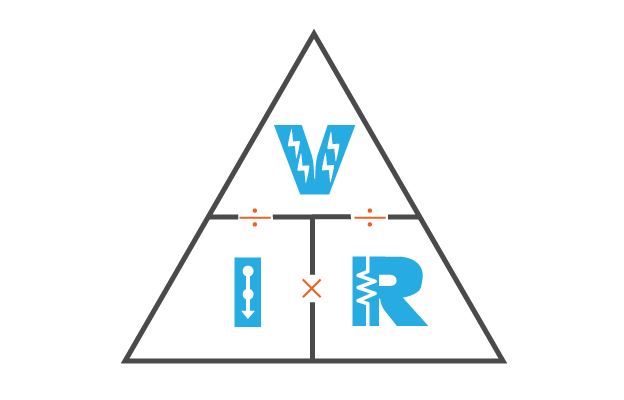
The current in a hair dryer measures 15.0 Amps. The resistance of the appliance is 8.0 ohms. What is the voltage?
120 V
0.5 V
7.0 V
1800 V
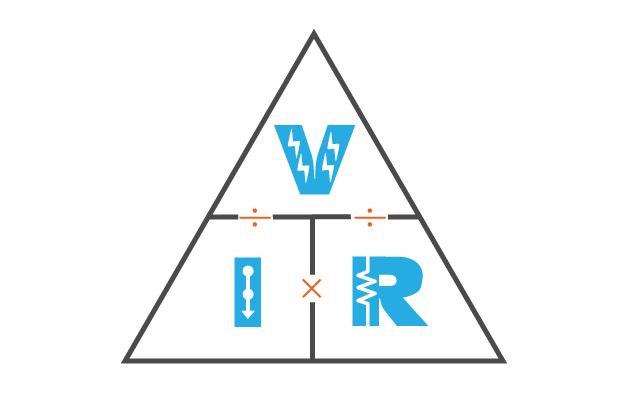
Which of the following represents Ohm’s law?
I = V / R
V = I x R
R = V x I
V = I / R
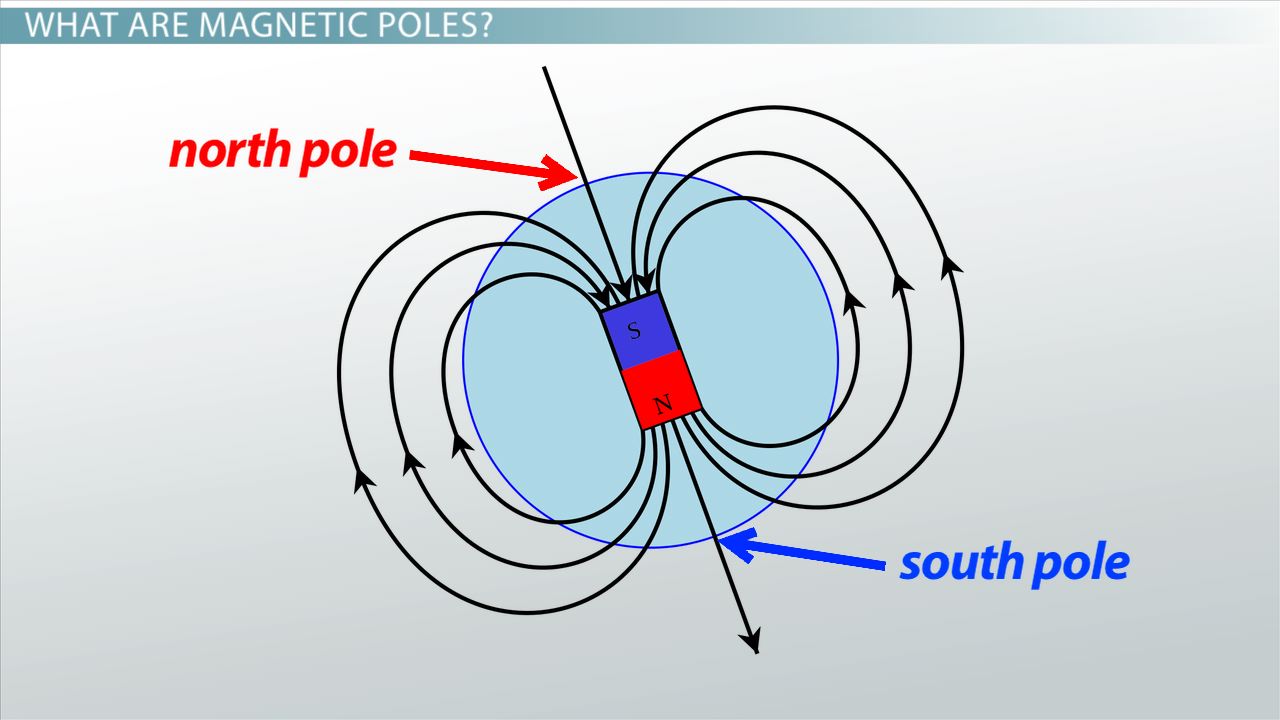
Which of the following statements describes the interaction between magnetic poles?
Like poles attract each other.
Like poles repel each other, and opposite poles attract each other.
Opposite poles repel each other.
Like poles attract each other, and opposite poles repel each other.
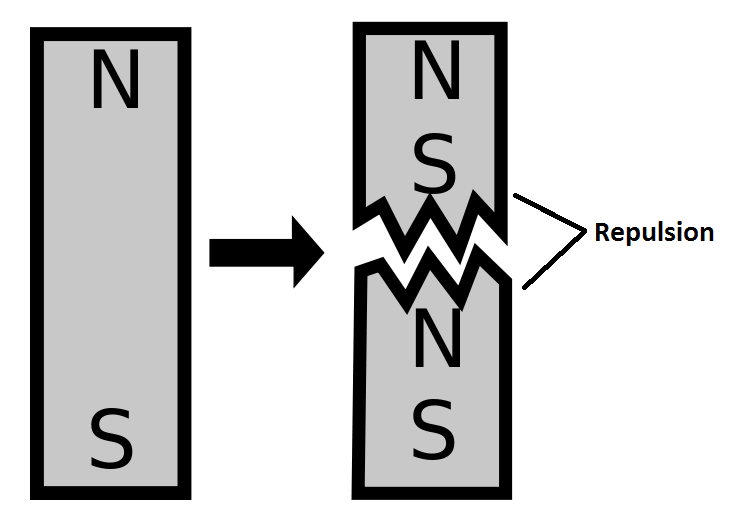
If you break a bar magnet in half, each half...
contains one magnetic pole.
becomes a bar magnet with two poles.
becomes unmagnetized.
is only temporarily magnetized.
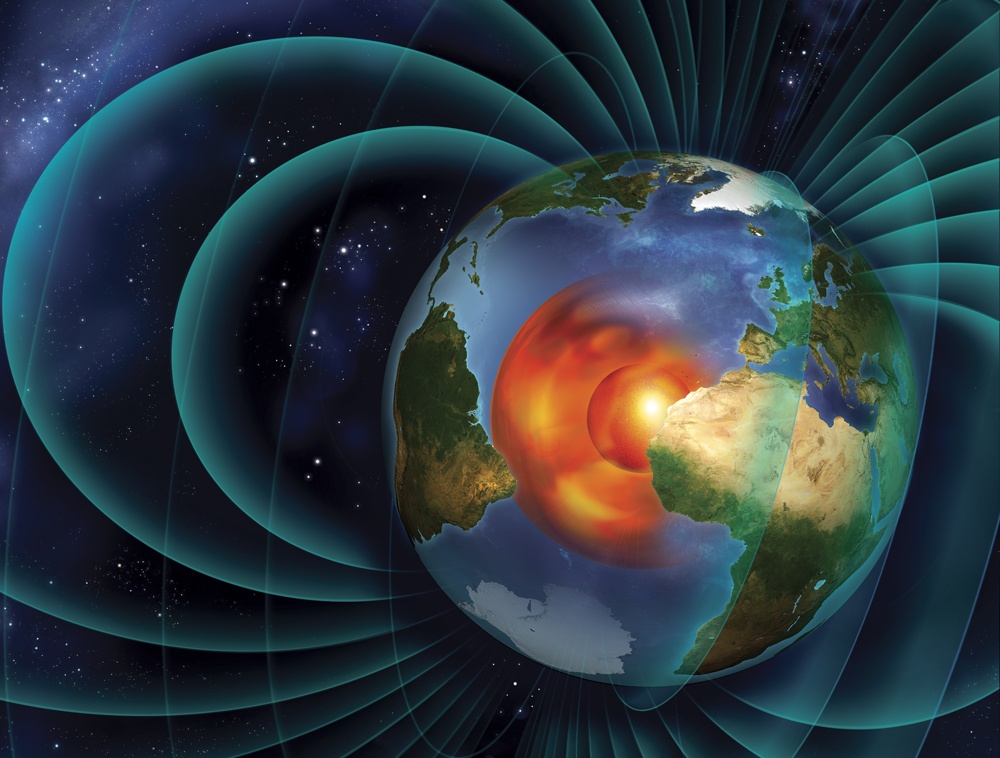
What creates a magnetic field?
charged particles that do not move
moving electric charges
gravity
an isolated magnetic pole
A device that transforms mechanical energy to electrical energy is a
generator
motor
transformer
magnet
A device that transforms electrical energy to mechanical energy is a
generator
motor
transformer
magnet
The negatively charged particle in an atom is a(n):
Electron
Proton
Neutron
Oligtron
The motion of electrons is called
power
induction
current
amps
When you rub a balloon on your head ...
electrons are given by your hair to the ballon
electrons are given by the balloon to your hair
Protons are given by your hair to the ballon
Protons are given by the balloon to your hair

