
 Worksheets
LC4 revision year 9b
Total questions: 46
Worksheet time: 26mins

Stomata are made of specialized cells called ______ which surround a tiny pore/opening
stoma
guard cells
dermal cells
diffusion channels

The diffusion of water vapor out of a leaf
transportation
transformation
transpiration
translocation

The main function of stomata is to
capture sunlight
protect leaves from insects
allow gases to move rapidly in/out of leaves
release sugars into the atmosphere
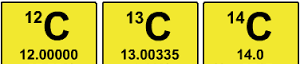

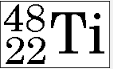
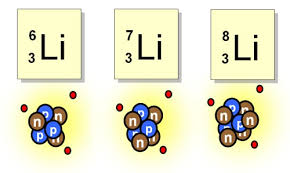

The electronic structure for an atom of an element is shown .
What is the atomic number of the element?
1
2
3
4

An electronic structure for an atom of an element is shown. what is it's atomic number
3
7
4
6

On the basis of Rutherford's Model of an atom, which sub-atomic particle is present in the nucleus of an atom.
proton and electron
neutron and electron
proton and neutron
proton only
if the first and second energy levels of an atom are full, then what would be the total number of electrons in the atom?
6
8
10
18
What is the maximum number of electrons that can fit in the first electron shell of an atom?
(a)
What is the maximum number of electrons that can fit in the second electron shell of an atom?
(a)
What is the maximum number of electrons that can fit in the third electron shell of an atom?
(a)
Nitrogen has 7 electrons. What is the electronic structure of nitrogen?
2.2.2.1
7
5.2
2.5
Argon has 18 electrons. What is the electronic structure of argon?
2.8
2.8.8
5.5.5.3
10.8
what is the name of group number 1
halogens
noble gases
alkali
alkaline earth
what is the big group of metals called found within the metals
transition metals
nonmetals
noble gases
halogens
Which of these is not a property of noble gases?
Colourless
Odourless
Flammable
Gas at room temperature
Noble gases are not reactive (inert) because:
they have a full outer shell of electrons
they have no outer shell electrons
they just are
An element in group 3 has (a) electrons on the outer shell.
an atom has no charge because the number of positive protons (a) the number of negative electrons.

What is the charge on an electron?
neutral
positive
negative
different elements have different numbers of?
protons
neutrons
isotopes of the same element have different numbers of:
electrons
neutrons
protons


B)not able to be broken down into parts
Compounds are made up of elements and can be chemically separated. Elements cannot be separated.
Elements make up compounds. Elements can be separated but compounds cannot be separated.
Elements are found on the periodic table and compounds are found on the dining room table.

This picture represents which of the following?
element
compound

This picture represents which of the following?
element
compound
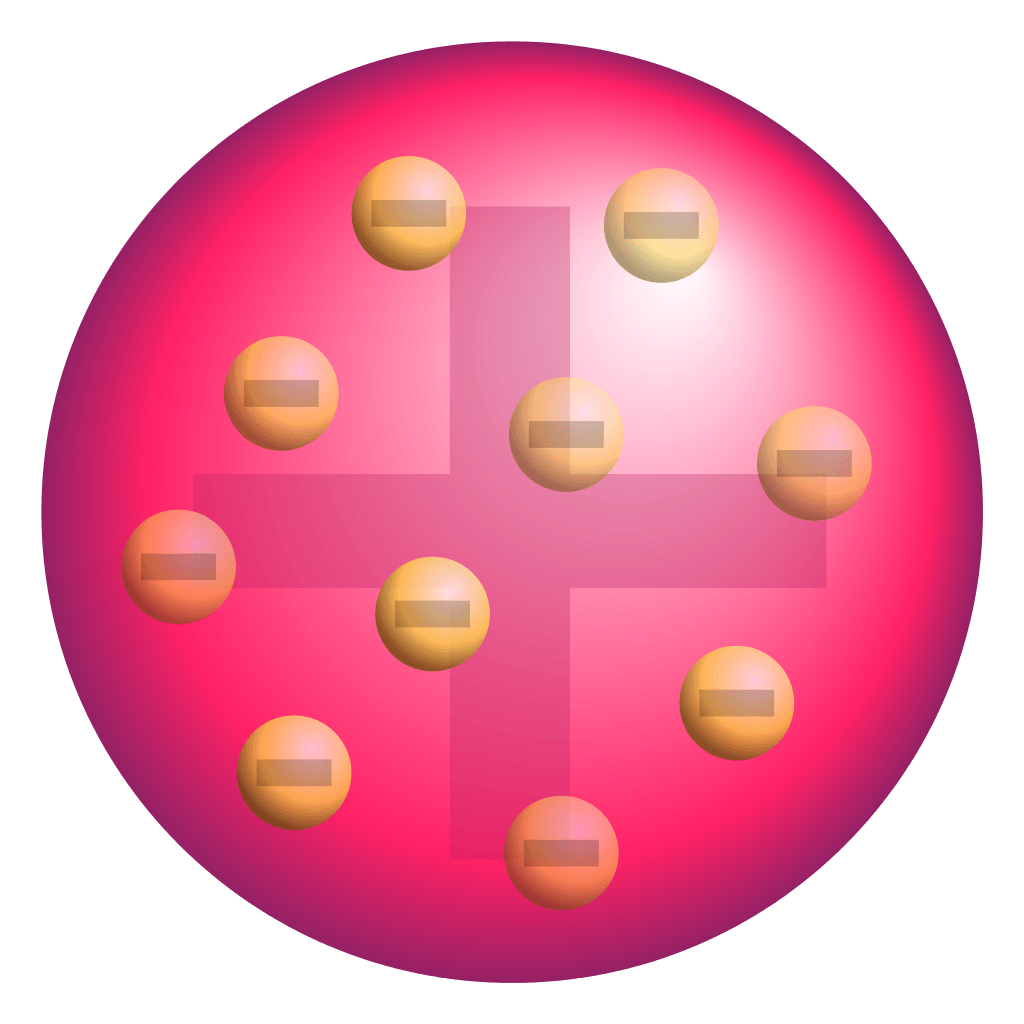

This was the first model of the atom ever proposed. It was simple and described atoms as tiny spheres that could not be broken down into smaller pieces.
Democritus's model of the atom as revised by DALTON
The "Plum Pudding Model" of the atom
The "Rutherford Model" of the atom
The "Quantum Mechanical Model" of the atom
mass of a neutron is:
0
1
2
3
charge of a neutron is:
0
1
2
3
kinetic energy is another way of saying__________ energy.
heat
light
sound
movement
what type of energy is transferred in a toaster, kettle, tumble drier etc.
heat energy
kinetic energy
electrical energy
chemical energy
wasted energy always ends up...
transferred to the environment
used again by the appliance
disappears
Which of the following can cause the stomata to open?
increase in wind speed
increase in humidity
increase in light intensity
decrease in temperature
Tick the factors affecting rate of transpiration.
Temperature
Surface area
Light intensity
Air humidity
Wind
If the surrounding temperature become higher, plants will loss water _______ through the stoma
faster
slower

