
 Worksheets
Ecology Unit quiz ch 11 and 12
Total questions: 51
Worksheet time: 40mins
What causes climate change (check all that apply)
too much CO2 in the atmosphere
cutting down forests
not enough land for growing
overfishing in the oceans
What are some solutions to the earth's problems? (mark all that apply)
using less electricity
buying wood items made of bamboo that grows quickly
eating less beef
eating more fish

An individual belonging to a specific species
Biotic
Community
Organism

All of the living and nonliving things in an area that interact with each other are called a/an ______.
community
habitat
ecosystem

An area where an organism finds food, shelter and water in a specific arrangement
niche
biosphere
habitat
The living part of an ecosystem
Biotic
Abiotic
Mother Earth

The study of how living things interact with one another and with their environment.
Farmacology
Lithology
Ecology

Two or more members of a particular species living and interacting in the same area
Community
Population
Biosphere

Different populations living and interacting with each other in the same area
Biome
Ecosystem
Community
Where an organism lives
habitat
niche
heterotrogh

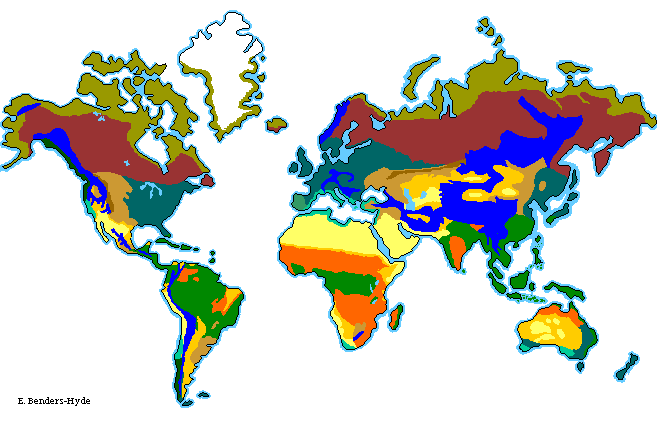
A large ecosystem is called a ______
Ecosystem
Habitat
Biome
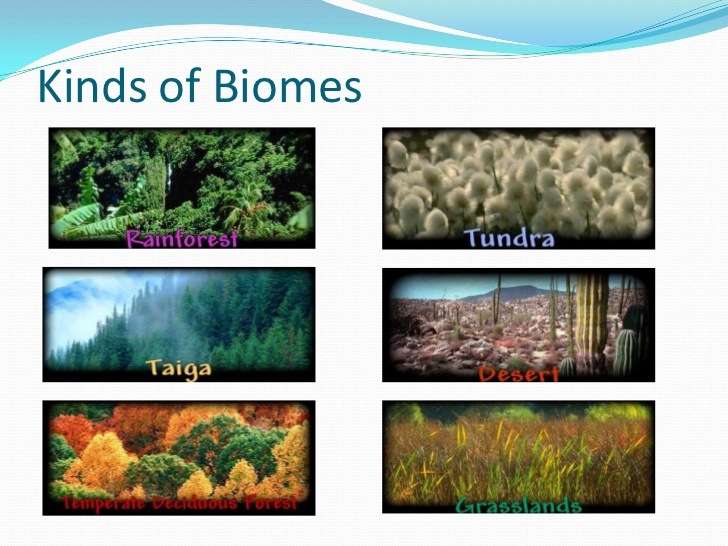
What is the main factor that separates the biomes?
Land
Water
Climate
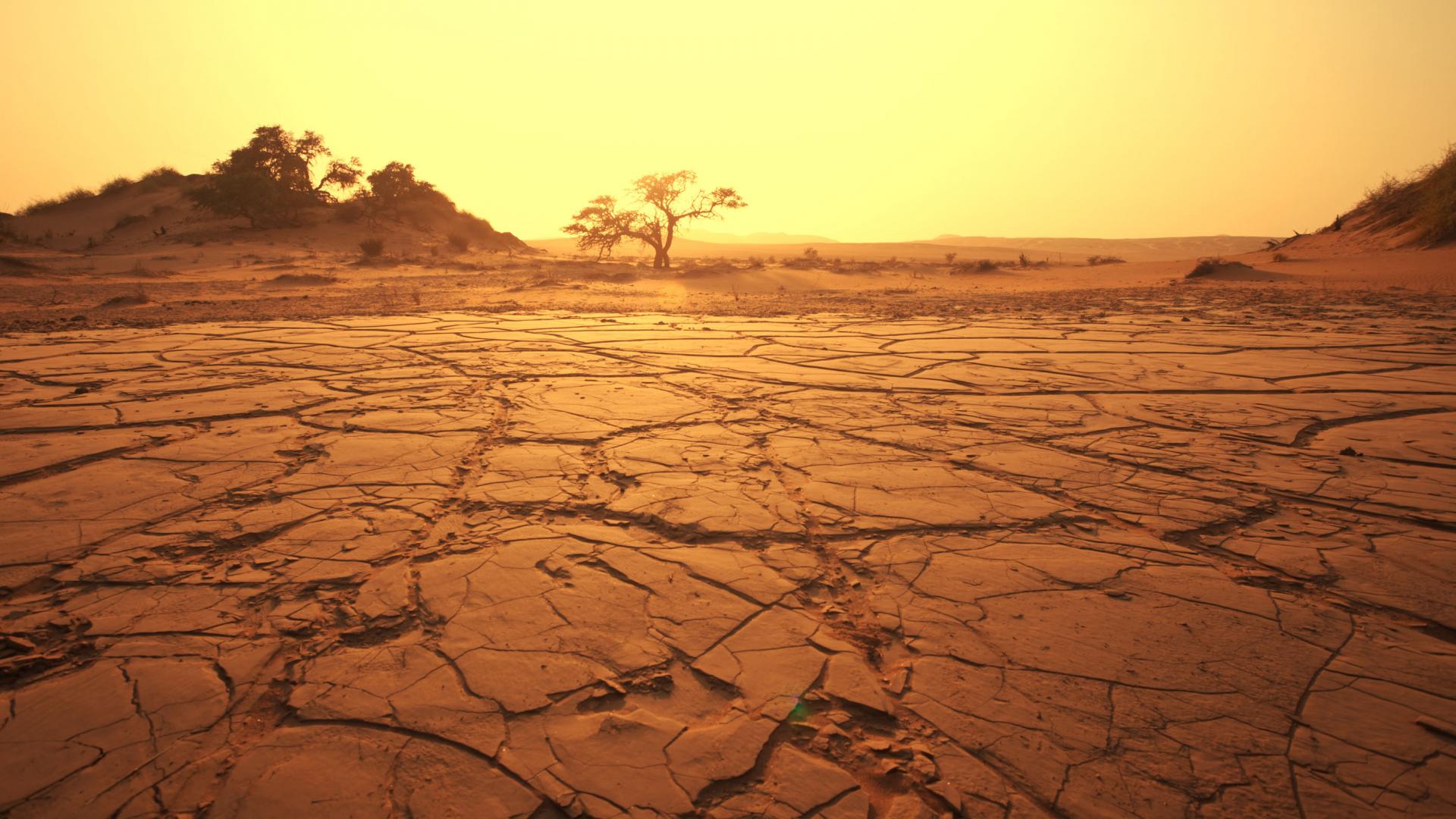
Which biome is the driest?
Desert
Rainforest
Taiga
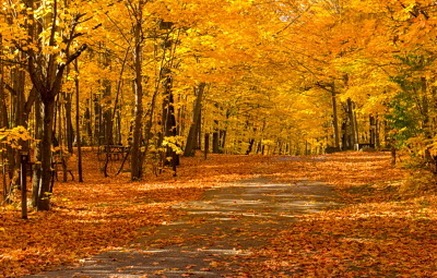
Which biome has deciduous trees (which lose their leaves)?
Temperate Forest
Rainforest
Grasslands
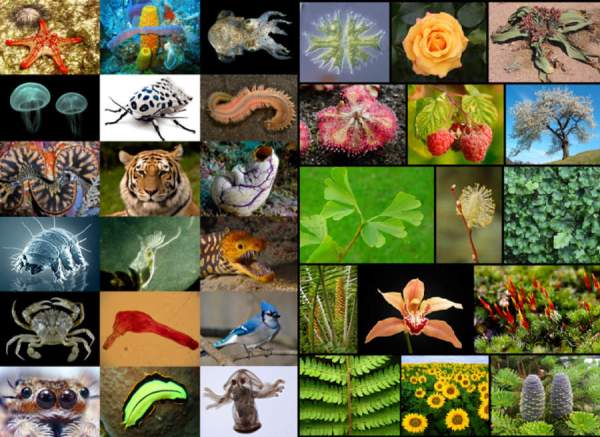
Which biome has the most variety of plants and animals?
Temperate Forest
Rainforest
Tundra
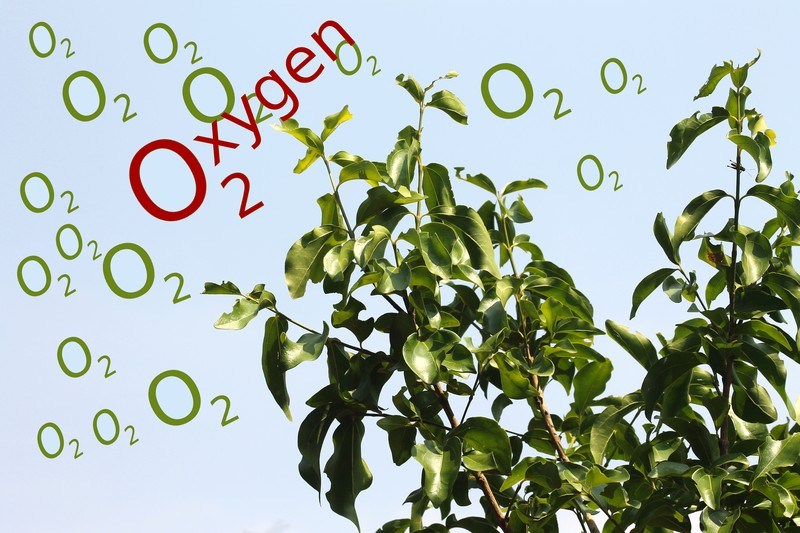
Which biome produces over 50% of the world's oxygen?
Rainforest
Temperate Forest
Taiga

Which organisms are likely the most numerous in this ecosystem?
herring
phytoplankton
shark

Which organism contains the greatest amount of energy?
Garter Snake
Field Mouse
Alfalfa

If there are 1000 Kcal of energy available in the producers, how much energy is available to the herbivores?
10 Kcal
1 Kcal
100 Kcal
Which of the following is a decomposer?
fungus
blueberry bush
hyena

The second-order consumers in this diagram include...
rabbits, mice and grasshoppers
foxes, owls and birds
carrots, grasses and grains

What is ecological succession?
A slow change in an environment
A change that takes days in an environment
Abiotic change

A climax community is ….
the beginning of a new ecological succession.
the rocks in a new environment.
an area that reaches its greatest growing potential.

What is the difference between primary and secondary succession?
Primary succession already has soil.
Primary has soil and secondary does not
primary has no soil and secondary has soil

A large tree forest is an example of ...
a small community
a abiotic community
a climax community

An organism that needs to eat other organisms to obtain energy is known as a:
autotroph
producer
consumer
Organism that eats only plants..
omnivore
herbivore
carnivore
Every food chain must start with a ...?
producer
sun
consumer

A connection of food chains with all the food energy paths in an ecosystem is a ...
ecosystem
food web
food chain

An animal that is hunted and eaten for food is ...
predator
prey
decomposer

An organism that gets energy from breaking down dead organisms or waste ...
producer
consumer
decomposer

What is a carnivore?
an animal that gets energy by eating other animals
an animal that gets energy by eating only plants
an animal that gets energy by eating both plants and animals

An animal that gets energy from eating both plants and animals is a(n) ...
herbivore
carnivore
omnivore

The shrew provides energy for the ...?
cricket
grasshopper
snake
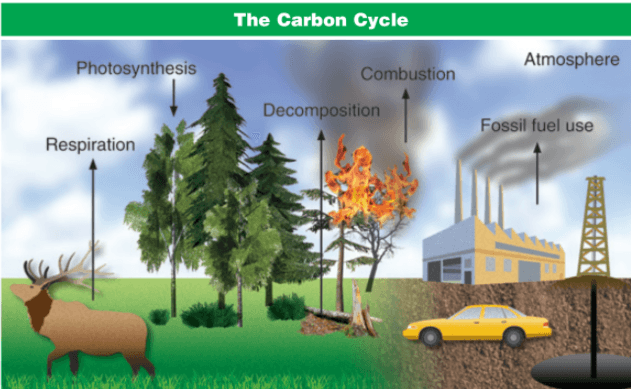
Burning fossil fuel has which effect in the carbon cycle?
It removes carbon dioxide from the atmosphere.
It puts carbon dioxide under the ground.
It adds carbon dioxide to the atmosphere.
The carbon dioxide-oxygen cycle is best defined as-
the process in which plants use energy from the sun to make their own food
a green substance in plant leaves that captures energy from the sun
the movement of carbon dioxide and oxygen between organisms and the air
What is carbon dioxide used for?
plants use it to make their food
it's used to make oxygen
people and animals use it to breathe
What produces oxygen?
People and animals
All living organisms
Only green plants
Animals obtain the nitrogen they need directly from the
soil in their habitat
air they breathe
plants they eat
When water vapor s cooled and forms droplets-
Condensation
Evaportation
Run-off
After condensation, the droplets of water in the clouds fall to the earth in different forms
precipitation
condensation
ground water


Snow, sleet, hail, and rain are all examples of ________________.
evaporation
condensation
precipitation
What is the water cycle?
the 3 forms of water
the movement of water on, above, or below the surface of the Earth
when water melts
97% of the Earth's water is located in....
ground wat
the ocean
lakes, rivers, and streams

