NEW
Font size
 Worksheets
Energy Unit Review
Total questions: 63
Worksheet time: 1hrs 11mins
Which of the following is NOT mechanical energy?
Pedaling a bike
Rowing a boat
Turning on a light bulb
ocRunning up a hill

What type of energy does the fire make to keep us warm?


Which type of energy does the battery contain?
electrical
light
mechanical
chemical

1. Solar panels change energy from .
Chemical to thermal
Potential to mechanical
Radiant to electrical
Kinetic to chemical
1. Food that you eat provides your body with .
Chemical energy
Electrical energy
Radiant energy
Thermal energy
Examples of radiant energy include:
The Sun & a light bulb
A candle & a match
Coal & a fan
Wood & fireplace
energy is energy stored within the chemical bonds of matter.
Potential
Mechanical
Electrical
Chemical
Forms of light include .
Candles & flashlights
The Sun & Moon
Ultraviolet light & x-rays
Light bulbs & firelight
Green plants use during photosynthesis.
Chemical energy
Mechanical energy
Potential energy
Solar energy
How does heat move?
In many directions
from warm places to cooler places
from cold places to warm places
Both B and C
If you burn your hand on the handle of a hot pot, heat was transferred to your skin by
conduction
convection
radiation
equilibrium
The transfer of energy by electromagnetic waves is called
conduction
convection
radiation
insulation
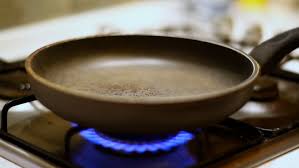
What type of heat transfer is occurring in the picture below? (the pan is touching the burner)
conduction
convection
radiation
insulation
A material that reduces the flow of heat is a(n)
conductor
insulator
metal
radiator
All of the following are good conductors of heat EXCEPT
Copper
Iron
Plastic
Aluminum
What is the term that refers to a material being a poor conductor of heat?
Insulator
conductor
Convector
Radiator
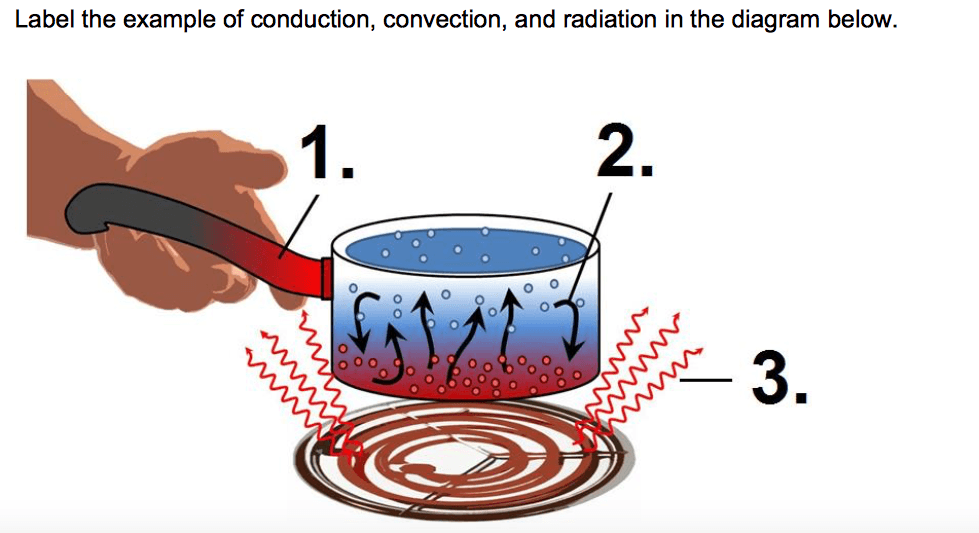
What type of thermal energy transfer is number 1 pointing to?
Convection
Conduction
Radiation
Insulation

What type of thermal energy transfer is number 2 pointing to?
Convection
Conduction
Radiation
Insulation

What type of thermal energy transfer is number 3 pointing to?
Convection
Conduction
Radiation
Insulation
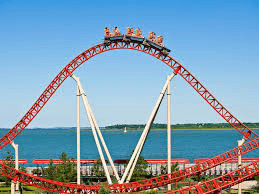
When a roller coaster is at the top of a hill it has
high potential energy
high kinetic energy
low potential energy
equal amounts of kinetic and potential energy
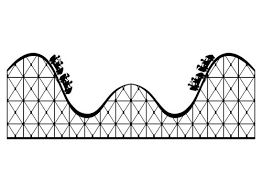
When a roller coaster is at the bottom of a hill it has
high potential energy
high kinetic energy
low kinetic energy
equal amounts of kinetic and potential energy

Kinetic energy depends on
mass and height
height and speed
mass and speed
mass and force

Potential energy depends on
mass and height
height and speed
mass and speed
height and force

The sum of potential energy and kinetic energy equals
work
transformation
total energy
mechanical energy

Energy and work are measured in
kilograms
meters
Joules
m/s

I am holding a balloon that is full of air, the balloon has
kinetic energy
potential energy

I released a balloon that was full of air and it is flying around the room, the balloon has
kinetic energy
potential energy
Work is done when .....
a force is exerted on an object.
an object exerts force onto another object.
a force is exerted on an object causing the object to move.
an object does not move.

Which model will require the least amount of force?
pulley 1
pulley 2
pulley 3
pulley 4
How can you make an inclined plane more efficient?
cover it with a rough material
make it face the opposite direction
increase the height
increase the length
If you needed to use a lever to move a heavy object, where is the best place to place the load?
next to where the force is applied
directly under the fulcrum
opposite end of the fulcrum
near the fulcrum.
Which of the following is not a lever?
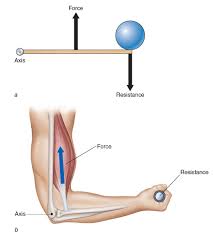
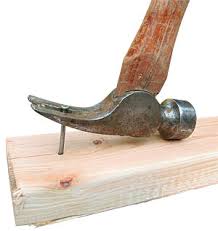

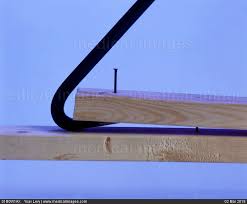

In the diagram above, identify circuit component (part) C.
Conductor
Source
Switch
Transformer

In the diagram above, identify circuit component D.
Switch
Transformer
Conductor
Source
A __________ circuit has only one path for electrons to flow and therefore, when one portion of the circuit is disrupted, the whole circuit shuts down.
Series
Parallel
Incomplete
Complete
A material that allows electricity to flow through the circuit without disruption is known as a _______________.
Switch
Transformer
Conductor
Source

In the diagram above, identify circuit component A.
Conductor
Source
Switch
Transformer

In the diagram above, identify circuit component B.
Switch
Source
Transformer
Conductor

A __________ circuit has more than one path available for electrons to flow through the circuit so if one portion of the circuit is not functioning, the whole circuit does not shutdown.
Open
Parallel
Series
Closed
An example of a conductor of electricity is.....
Rubber
Copper
Glass
Plastic
A material that does not allow electricity to flow through the circuit is known as a _______________.
Conductor
Source
Transformer
Insulator