
 Worksheets
NGSS Chemistry Final Exam Review
Total questions: 190
Worksheet time: 7hrs 18mins
The amount of heat energy required to change the temperature of 12 g of gold from 45°C to 15°C is -47 J. What is the specific heat capacity of gold?
0.13 J/(g°C)
17,000 J/(g°C)
1600 J/(g°C)
0.065 J/(g°C)
An electron is
positively charged
neutral
negatively charged
atomic number is
the number of protons
the number of electrons
the number of neutrons
the location of an atom on the periodic table
Conservation of mass means
all the atoms present before a chemical reaction are not present after
atoms present before chemical reactions are present after
new substances and new elements are formed in a chemical reaction
The students measured length during a science experiment, they got 12 cm. But the actual measurement was 14.25 cm. What was the percent error?
15.79%
18.75%
2.25%
18%

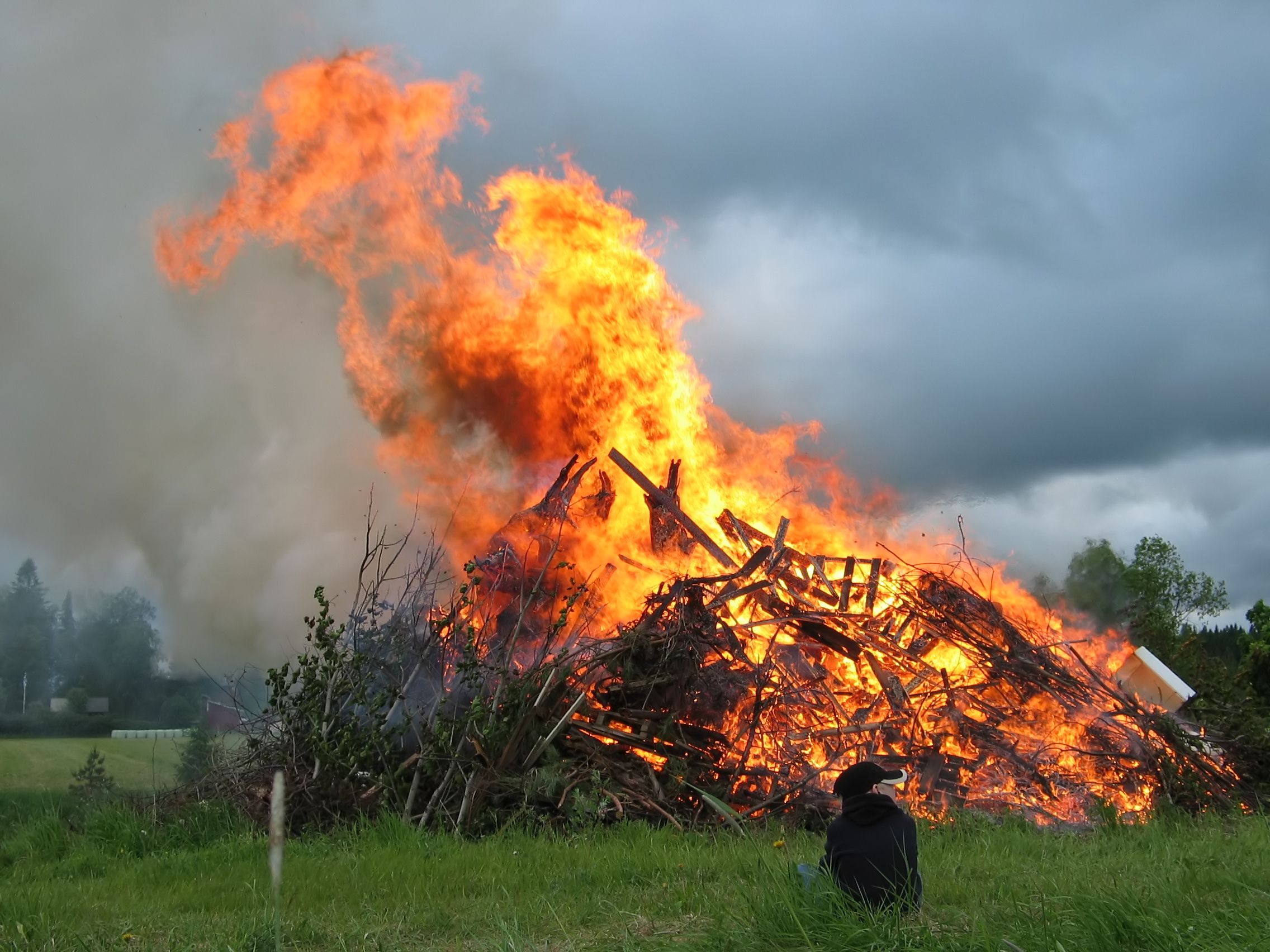
What are the products of the chemical reaction pictured?
CH4 and CO2
CH4 and O2
CO2 and H2O
O2 and H2O

What is the atomic number?
35
18
17
52

How many protons and electrons does this element have?
35
18
17
52

How many neutrons does Chlorine have?
18
17
35
52
How many valence electrons are found in atoms of group 4?
4
3
14
16
How many valence electrons are found in atoms of group 5A?
4
5
2
3
All atoms are most stable with (or would "prefer") how many electrons in their valence shell?
1
2
8
18
What groups are the most reactive metals?
2
7A
1
17
Why are halogens so reactive?
They want to get rid of their only valance electron
They only need one more electron
They are non reactive, they have a full shell
How do electrons of an element determine that element's reactivity?
If the valence shell has missing electrons it is very reactive to attract or lose more electrons.
If the valence shell has a full ring of electrons it is very reactive because it needs more.
If the valence shell has a full shell of electrons it is very reactive because it is already full.
If the valence shell has missing electrons it is not reactive because it is missing electrons.
N or C?
What type of compound is Ca3N2?
covalent
ionic
Carbon monoxide is a deadly gas produced from incomplete combustion. What type of compound is it?
covalent
ionic
Formula for barium sulfide
B2S3
BaS
Ba2S
BaS2
Formula for Disilicon Heptasulfide
SiS6
SiS7
Si2S6
Si2S7

Which image shows a Bohr model for Carbon.


Properties you can observe without changing the identity of the substance are called _____________ properties.
chemical
physical
transient
malleable


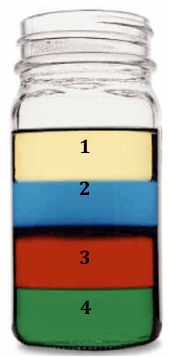
What kind of matter is this?
Element
Compound
Mixture

What kind of matter is this?
Element
Compound
Mixture


Which image could be a representation of NH3?
A
B
C

Which of the following is the correct Lewis structure for a molecule of fluorine?
A
B
C
D
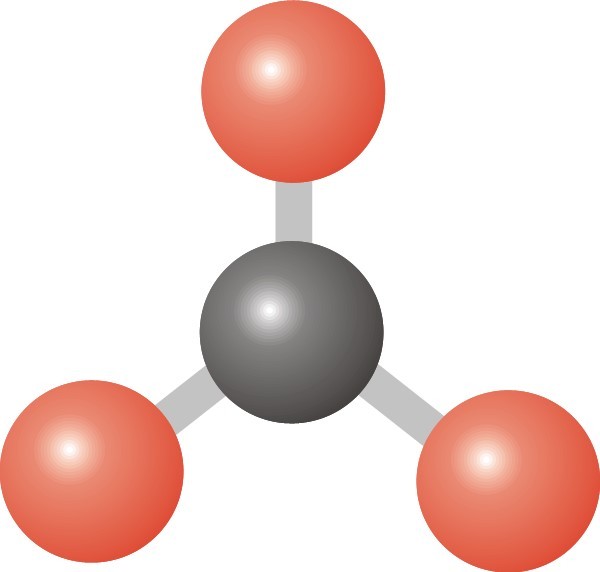
Is this molecule polar?
Yes
No
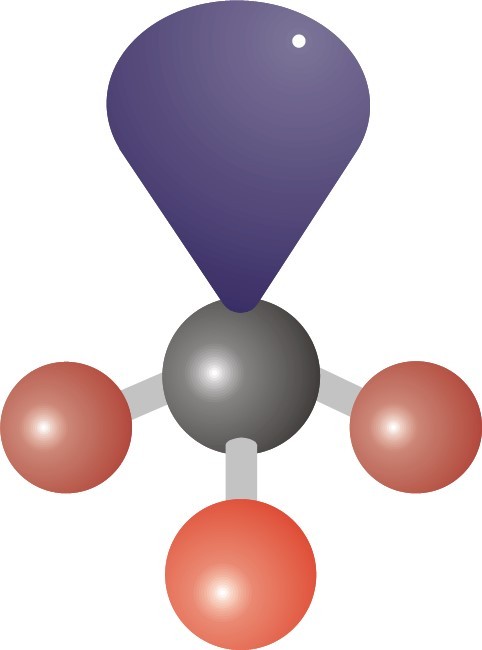
Is this molecule polar?
Yes
No
A diatomic molecule like O2 is always _____ because electrons are shared _____
nonpolar; unequally
polar; equally
nonpolar; equally
polar; unequally

Is this molecule polar or non-polar?
Polar
Non-polar

Is this molecule polar or non-polar?
Polar
Non-polar

Is this molecule polar or non-polar?
Polar
Non-polar
Does NH3 or PH3 have a higher boiling point?
NH3 because it has the strongest intermolecular forces
PH3 because it has the strongest intermolecular forces
NH3 because it has the weakest intermolecular forces
PH3 because it has the weakest intermolecular forces
In general, substances with stronger intermolecular forces have ________ boiling points than those with weaker forces
Higher
Lower
Forces and boiling point are not related
Which statement explains why Br2 is a liquid at STP and I2 is a solid at STP?
Molecules of Br2 are polar, and molecules of I2 are nonpolar
Molecules of Br2 are nonpolar, and molecules of I2 are polar
Molecules of Br2 have stronger intermolecular forces than molecules of I2.
Molecules of I2 have stronger intermolecular forces than molecules of Br2.
Zn + 2HCl --> ZnCl2 + H2
2H2 + O2 --> 2H2O
2H2O2 →2 H2O + O2
2C3H7OH +9O2 -> 6CO2 + 8H2O
AgNO3 + NaCl → AgCl + NaNO3
What is the charge of Iron in this compound. (Hint: think swap drop method):
Fe3(PO4)2
3+
2+
1+
6+
The symbol for a substance dissolved in solution is ______
(s)
(l)
(aq)
(g)
Fill in the blank. (Copper has a charge of 2+)
Cu+ AgNO3 → Ag + _____
Cu(NO3)2
CuNO3
CuAg
Cu
Predict the products of this synthesis reaction: H2 + Cl2 →
HCl
H2Cl2
H2Cl
HCl2
Predict the products for the this Single Replacement reaction:
K + HCl →
KCl + H2
KHCl
KH + Cl2
HCl + K2
Predict the products for the this Double Replacement reaction:
AgNO3 + KCl →
AgCl + KNO3
AgK + ClNO3
KAg + NO3Cl
AgCl + 3 KNO
Predict the product of this synthesis reaction:
Al + S₈ →
AlS
AlS8
Al2S
Al2S3
Predict the products for the decomposition of aluminum oxide, Al2O3 →
Al + O2
O + Al2
Al2 + O3
Al + O
What are the products of this reaction:
C2H4 + O2 →
C2O2 + H4
CO2 + H2 + O2
CO + H
CO2 + H2O
How many molecules are in 2.5 moles of NaCl?
1.5 x1024 molecules
1.5 molecules
4.2 molecules
4.2 x10⁻²⁴ molecules

You want to measure out 6.0 moles of epsom salt (MgSO4) to put in your bath. How many grams of MgSO4 is that?
3.6 x 1024 g
720 g
0.050 g
340 g
How many moles are in 98.3 grams of aluminum hydroxide, Al(OH)3?
1.26 moles
0.8 moles
7,670 moles
1.63 x 10⁻²² moles
How many moles of N2 is needed to react with 6 moles of H2?
What is the total number of moles of H2O produced when 12 mole of NH3 is completely consumed?
How many grams of aluminum sulfate would be formed if 250g H2SO4 completely reacted with aluminum?
What is the limiting reactant when 20g CH4 react with 15g H2O?
Actual yield = 62g
Calculate the percent yield.
How many liters of carbon dioxide are produced from 10L of carbon monoxide?
4NH3+6NO --> 5N2 + 6H2O
Is this reaction endothermic or exothermic?

A 500g piece of aluminum has a temperature of 7°C. What is the heat energy produced? Specific heat of Aluminum is 0.900 J/gºC.
3000 J
3000 g
3150 J
3150 g
What does temperature measure?
heat
average kinetic energy
space
time

A 24.0 gram sample of copper was heated from 25.0oC to 500.0oC, 4378 J of heat were absorbed, what is the specific heat of copper?
0.384 J/g°C
49909200 J/g°C
2.60 J/g°C
8.77 J/g°C


The melting point of the sample is
-60 ºC
-100 ºC
60 ºC
100 ºC

Given the heating curve of a solid being heated at a constant rate, what is the boiling point of this substance?
20°C
50°C
110°C
170°C

Given the heating curve of a solid being heated at a constant rate, how much total time was required to boil this substance after it reached its melting point?
3 minutes
4 minutes
10 minutes
14 minutes

Given the heating curve for water, during which line segment could I find water in both the solid and liquid phase at the same time?
AB
BC
CD
DE
EF

This curve indicates what about the heat energy?
Heat energy is being added or absorbed
Heat energy is being released

In which region(s) of the graph would the substance be melting?
No melting occurs on this graph
Region C-E
Region E-G
Region G-I
Region I-K
From point A to point F, the sample is going through an __________ process by __________.
exothermic, releasing heat to the surroundings
exothermic, absorbing heat from the surroundings
endothermic, releasing heat to the surroundings
endothermic, absorbing heat from the surroundings
What is the freezing point of the substance?
0oC
60oC
120oC
180oC
Which one heats up the fastest.
2SO2(g)+O2(g) ⇌ 2SO3(g) + Heat
Adding SO2(g) will
shift equilibrium right
shift equilibrium left
increase rate of reaction
have no change
2SO2(g)+O2(g) ⇌ 2SO3(g) + Heat
Increasing the temperature will...
shift equilibrium right
shift equilibrium left
increase pressure
have no change
2SO2(g) + O2(g) ⇌ 2SO3(g) + Heat
Removing O2(g) will
shift equilibrium right
shift equilibrium left
increase pressure
have no change
2SO2(g)+O2(g) ⇌ 2SO3(g) + Heat
Adding SO3(g) will
shift equilibrium right
shift equilibrium left
increase K
have no change
2SO2(g)+1O2(g) ⇌ 2SO3(g) + Heat
Increasing the volume of the container will...
shift equilibrium right
shift equilibrium left
slow rate of reaction
have no change
2SO2(g)+1O2(g) ⇌ 2SO3(g) + Heat
Increasing the pressure on the system will...
shift equilibrium right
shift equilibrium left
slow rate of reaction
have no change
2SO2(g) + O2(g) ⇌ 2SO3(g) + Heat
Using a catalyst
shift equilibrium right
shift equilibrium left
increase the rate of reaction
have no change
Greenhouse gasses trap ____________ in the atmosphere
Gas
Kinetic Energy
Infrared Energy
Gamma Rays
Which of the following are greenhouse gasses?
Carbon Dioxide
Methane
Water
All of the above
What would happen if the Earth has no greenhouse gasses?
The sun would be darker
The planet would cool
The seasons would flip
Mr. Gale's birthday would be 5 days later
Which of the following are possible outcomes of global warming?
Sea levels rising
More food for everyone
The ice caps melting
Option 1 and 3
Which planet can we see a run away greenhouse gas effect?
Mars
Jupiter
Saturn
Venus

Based on the graph, when did carbon dioxide levels start increasing more than normal?
They have always been increasing
The industrial revolution
When we went to space
The day that Mr. Gale was born
Currently, about 10% of Earth is covered with ice all year-round. If this ice melts, what could happen to Earth's temperature?
decrease in temperature
increase in temperature
rise in sea level
rise of zombie polar bears
Possible human solutions for limiting global warming and climate change are...
being more energy-efficient
using renewable sources of energy
removing carbon from fossil fuel emissions
all of the above
What is the direct cause of rising sea levels?
Melting Sea Ice
Melting Land Ice
Climate Change
Floating sea ice melts...
and causes sea levels to rise because it adds water to the ocean.
but does not cause sea levels to rise because the ice displaces the same amount of ocean water as the melted ice would displace.

