
 Worksheets
Ecology Unit Review
Total questions: 90
Worksheet time: 3hrs 45mins
All green plants are
Decomposers
Consumers
Producers
Herbivores
What is the original source of almost all energy in most ecosystems?
Carbohydrates
Sunlight
Water
ATP
An organism that produces its own food supply
Heterotroph
Consumer
Omnivore
Autotroph
Study of interactions between organisms and their environment
Niche
Ecology
Community
Environment
Members of a species in a defined area
Community
Ecosystem
Biodiversity
Population
Consumer that eats plants
Carnivores
Herbivores
Omnivores

What form of symbiosis is this?
Parasatism
Commensalism
Mutualism
Nonalism
Organisms that breaks down and absorbs nutrients from dead organisms
Carnivore
Herbivore
Decomposer
Omnivore

In the energy pyramid here, which level has the least amount of energy?
Top Predator
Carnivore
Herbivore
Producer

In the food web shown, the snail would be considered...
Primary Consumer
Tertiary consumer
Secondary consumer
Priducer
An organism that eats both animals and plants
Herbivore
Omnivore
Carnivore
Producer

symbiotic relationship in which one organisms benefits and the other organism is not affected
Invasive Species
Mutualism
Commensalism
Nitrogen fixation
Snakes eat other animals for food. Snakes are considered __________.
Autotrophs
Prey
Carnivores
Herbivores
Which of the following is a predator/prey relationship?
Owls eating mice
Bunnies eating shrubs
Bears eating berries
Worms eating decaying matter
What belongs at the bottom of an energy pyramid?
Producer
Predator
Consumer
Decomposer
____________ is a characteristic that improves an organisms ability to survive in an environment.
Habitat
Biodiversity
Adaptation
Natural Selection
Plants are producers and make their own food by...
eating other organisms
photosynthesis
cellular respiration
breaking down decaying matter
What's the greatest benefit to having strong biodiversity?
Organisms will constantly compete for resources.
The food web is small but strong.
The ecosystem will be strong and resilient.
There is no benefit.

The process shown in the diagram is known as
competitive exclusion.
succession.
symbiosis.
oligotrophy.

The arrows on the food chain represent:
Organism with higher biomass/energy
The organism that is getting eaten
The direction of energy flow
More evolved organisms
A good practice to help conserve energy is?
using plastic bags
letting the water run while brushing teeth.
using warm water to wash clothes
turning lights off when not in use.
What type of succession occurs after an ecological disturbance?


Deforestation means...
removing the forest
adding to the forest
mapping the forest
polluting the forest
Burning fossil fuels creates air pollution.
True
False


What happens if a population grows past its carrying capacity?
The population keeps growing
The population starts to die off
The entire species will go extinct
The carrying capacity just increases

The largest number of individuals that an environment can support long term is...
carrying capacity
emigration
immigration
population density
"Five green and speckled frogs, sitting on a speckled log, eat some most delicious bugs."
Which level of organization is this?
Individual
Population
Community
Ecosystem
Habitat availability increases for a population. How would the carrying capacity of the prey change?
The carrying capacity would increase as more resources become available.
Carrying capacity occurs independent of factors in the environment.
The carrying capacity would decrease as more resources became available.
The carrying capacity is set in an environment and cannot change.

Maladaptations
Predaption
Variations
Adaptations

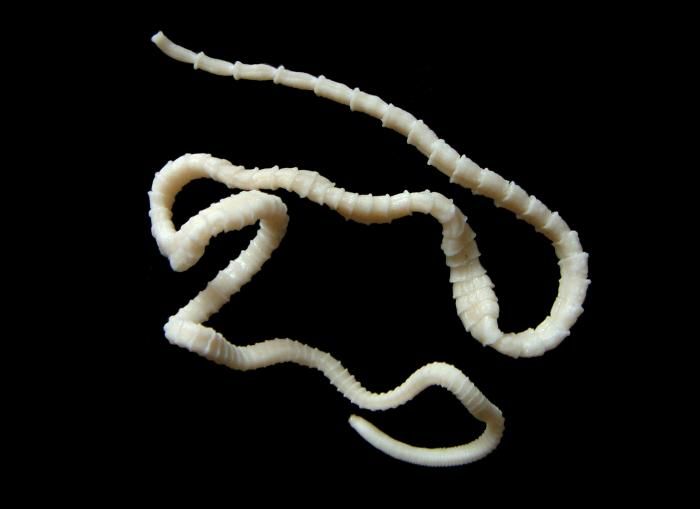
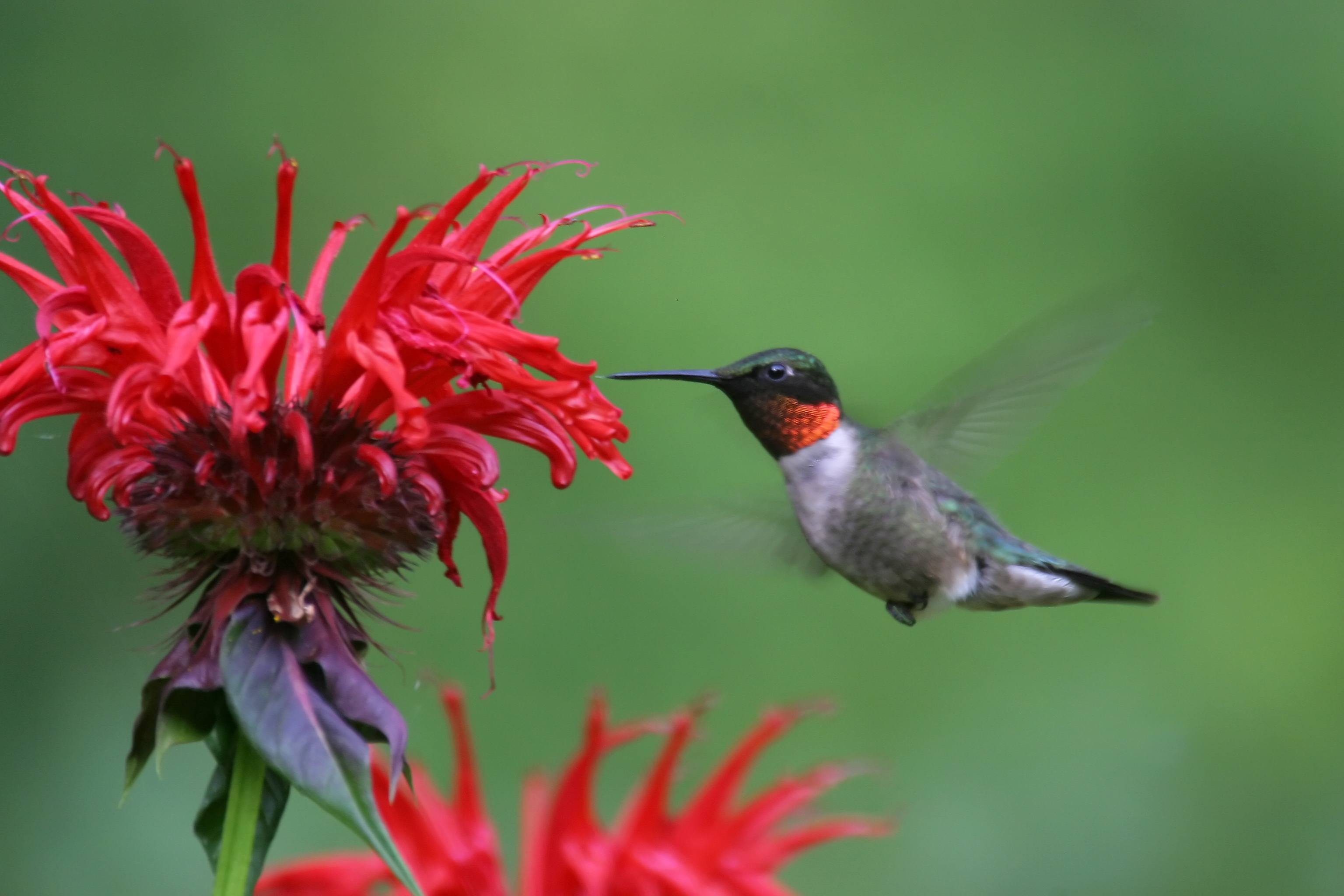

The close relationship between two different species in an ecosystem
Biosphere
Ecology
Symbiosis
Environment
Over time all animals (and plants) develop adaptations that help them ____________________.
develop new adaptations
thrive and survive
change the way they interact with their environment
change their behaviors
Stingrays partially bury themselves on the ocean floor so that their predators can't see them.
Physical Adaptation
Behavioral Adaptation
Kangaroos pound the ground with their strong feet to warn other kangaroos of danger.
Physical Adaptation
Behavioral Adaptation

Physiological
Structural
Behavioral
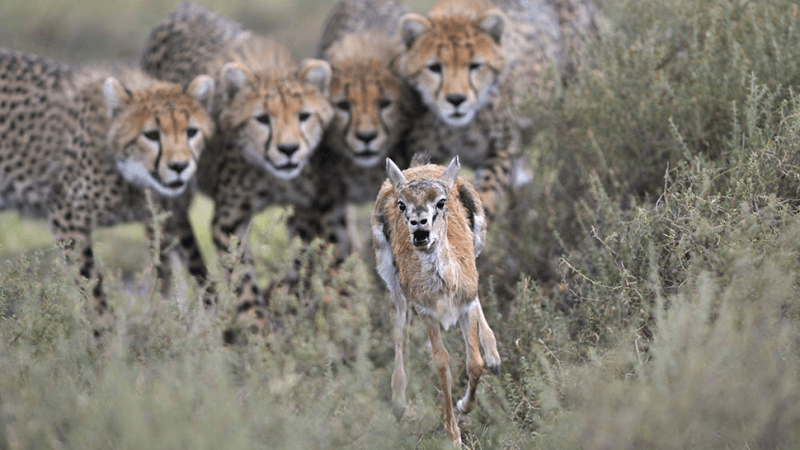
Hawks and owls eat the same type of food and struggle with one another to get their food. What is this an example of?
Competition
Biotic factor
Symbiosis
Population
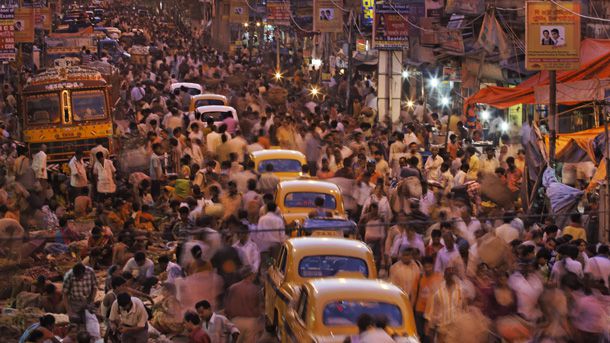
An increase in which of the following factors is likely to contribute to competition between two members of the same species living in a certain habitat?
Available food resources
Population of the species
Annual snowfall
Overall size of the habitat
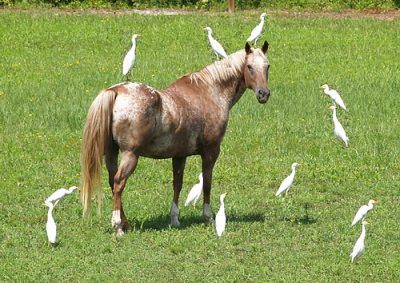
Competition becomes more important as the number of individuals ______ or the availability of resources _________.
increases, decreases
increases, increases
decreases, increases
decreases, decreases

What is a habitat?
The natural home or environment of an animal, plant, or other organism.
The interrelationship of a species with all the biotic and abiotic factors affecting it.
A biological community of interacting organisms and their physical environment.
The natural home or environment of non-living organisms.
What could change the equilibrium of an ecosystem?
A rainy day
Same organisms eating the same food
A new species being introduced into it

During a forest fire most vegetation (plants) burn. Which ecological succession will take place after a forest fire?
Primary
Secondary
When death rate is equal to birth rate...
population increases
population decreases
population stays the same.
population rapidly increases then becomes stable
What are groups of different populations living togther in the same place at the same time called?
An organism
A population
A community
A biosphere
A group of the same organisms living together in the same place at the same time is:
An organism
A population
A community
A biome
Living factors or organisms that affect an ecosystem are
abiotic factors
species
trophic level
biotic factors


Which of these organisms is the secondary consumer?
Owl
Mouse
Grass
Insect

Which of these organisms is the producer?
Owl
Mouse
Grasshopper
Grass
What is pollution?
When small materials get into the environment
When clean materials get into the environment
When harmful materials get into the environment

What are the abiotic factors in this image?
water, sunlight, dirt, air
birds and plants
water, plants, and birds
Which of the following is an example of a greenhouse gas which causes climate change?

This image demonstrates that
There is a direct correlation with the atmospheric CO2 and the CO2 in seawater
That pH of the ocean increases as the atmospheric CO2 increases
That there is no correlation between pH of the ocean and atmospheric CO2
As the amount of CO2 in the atmosphere/oceans increases, the acidity of the ocean _____________.
Decreases
Increases
All the following is classified as a nonrenewable resource, BUT...
oil
natural gas
water
coal
The following are renewable sources of energy
wind and water
coal and natural gas
sunlight and petroleum
minerals and oil
The following are nonrenewable sources of energy
wind and water
coal and natural gas
sunlight and petroleum
minerals and oil
Fossil fuels are
Renewable resource
Nonrenewable resource
What do limiting factors do?
Separate biotic factors from abiotic factors.
Determine which is the predator and which is the prey.
Regulate how many organisms live in an ecosystem.
Determine which natural disasters will hit an area.
In biology, what is carrying capacity?
How much weight an organism can lift.
The maximum population size an ecosystem can support.
A total list of the limiting factors.
How much pain an organism can tolerate.
What do decomposers do?
Feed on carnivores exclusively.
Break down and recycle dead organisms and organic matter.
Prevent living organisms from taking up space in an ecosystem.
Feed on producers exclusively.
If a natural disaster devastates an ecosystem, what will this do to the carrying capacity of the population of a species within that ecosystem?
Increase it.
Will not affect it, so it will stay the same.
Decrease it.
Always reduce it down to zero.

