
Font size
 Worksheets
4.1 SEXUAL AND ASEXUAL REPRODUCTION
Total questions: 30
Worksheet time: 16mins
___________________ is the process of producing new organisms from living organisms.
Menstruation
Fertilisation
Implantation
Reproduction
State the importance of reproduction.
(i) __________________ the number of organisms or replaces those that die.
(ii) Ensure the _________________ of species.
(iii) Avoid ______________________.
Decreases, no genetic variation, extinction
Increases, survival, extinction
Decreases, survival, extinction
Increases, no genetic variation, extinction
Reproduction is categorised into two types, namely...
Binary fission and Vegetative reproduction
Regeneration and Budding
Sexual reproduction and Asexual reproduction
Internal fertilisation and External fertilisation
Fertilisation is defined as the fusion of the nuclei of reproductive cells. Reproductive cells refer to...
one parent cell
male gamete (sperm cell) and female gamete (ovum cell)
brain cell and muscle cell
red blood cell and white blood cell

Identify the animal in the diagram carries out Internal fertilisation or External fertilisation.
Internal fertilisation
External Fertilisation
None of the above

Identify the animal in the diagram carry out Internal fertilisation or External Fertilisation.
Internal fertilisation
External fertilisation
None of the above

Identify the animal in the diagram carries out Internal fertilisation or External fertilisation.
Internal fertilisation
External fertilisation
None of the above

State the correct method of asexual reproduction for organism in the diagram.
Binary fission
Vegetative reproduction
Budding
Regeneration

State the correct method of asexual reproduction for organism in the diagram.
Binary fission
Budding
Regeneration
Spore formation

State the correct method of asexual reproduction for the organism in the diagram.
Binary fission
Budding
Spore formation
Vegetative reproduction

State the correct method of asexual reproduction for organism in the diagram.
Binary fission
Budding
Regeneration
Spore formation

This plant produces new plants from which vegetative part of the plant?
Root
Stem
Leaf

This plant produces new plants from which vegetative part of the plant?
Root
Stem
Leaf

This plant produces new plants from which vegetative part of the plant?
Root
Stem
Leaf

Name the type of vegetative reproduction of the plant shows in the diagram.
Sucker
Corm
Rhizome
Runner

Name the type of vegetative reproduction of the plant shows in the diagram.
Sucker
Rhizome
Corm
Bulb

Name the type of vegetative reproduction of the plant shows in the diagram.
Sucker
Bulb
Corm
Rhizome

Name the type of vegetative reproduction of the plant shows in the diagram.
Sucker
Runner
Bulb
Leaf
______________________ involves the growth of cells or tissues outside the organisms in a suitable medium.
Culture tissue
Tissue culture
Genetic Modified Food
Cloning
Example of plants that undergo tissue culture in Malaysia are...
Coconut tree
Cabbages
Tomato
Palm tree
Which organism undergoes sexual reproduction?
Flowering plants
Amoeba
Hydra
Paramecium
Choose a correct statement about external fertilisation.
Nucleus of the male gamete fuses with nucleus of the female gamete inside the body of the female parents.
Nucleus of the male gamete fuses with nucleus of the female gamete outside the body of the female parents.
The male parents releases sperm into the body of the female parents.
Example of organism which undergoes external fertilisation is dragonfly.

Diagram above shows vegetative reproduction of carrot.
What is the vegetative part involved?
Leaf
Bulb
Root
Underground stem
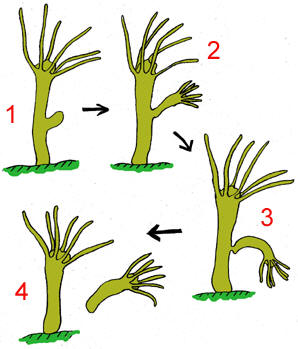
When an offspring grows off from the body of a parent organism it is called __________________.
budding
fission
fragmentation
sporulation

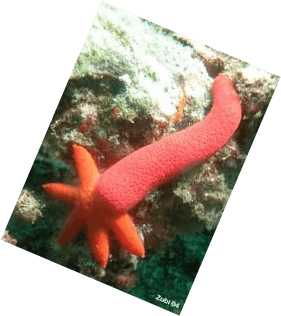
Fishermen work hard to catch and remove all the starfish that get into their favorite shell fishing beds and the “underwater farms” where they raise clams and oysters. In the past, they put the starfish into their boats, cut them up with knives, and then throw the pieces of starfish overboard. They thought this would kill the starfish. What they did not know was that each piece of starfish will grow into a whole new animal.
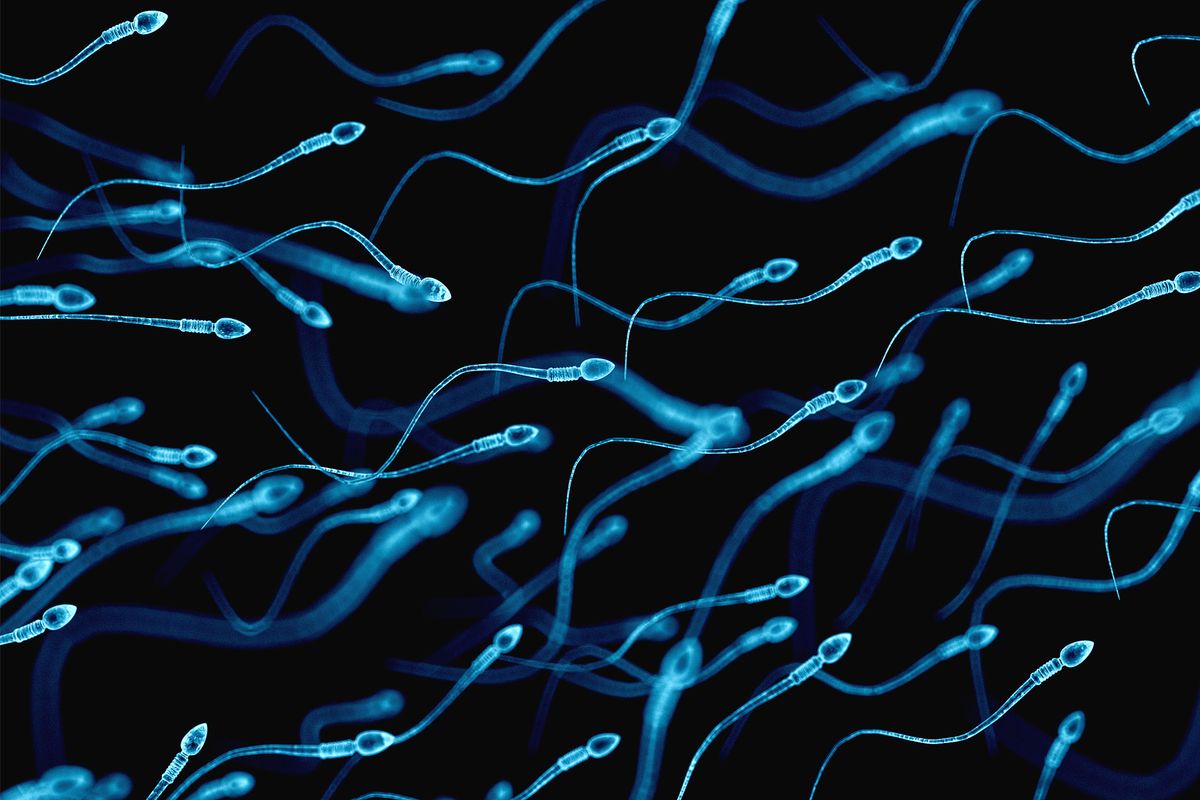
In sexual reproduction the male produces ___ cells.
Malex
Quack
Egg
Sperm

Which is a type of Asexual Reproduction
Sexual
Binary fission
Cells
organism

