wayground logo

Free Printable Worksheets

Font size

S
M
L
XL
Worksheets

Science Year Round Review! 4th

Total questions: 91

Worksheet time: 3hrs 39mins

Name
Class
Date
1.
Matter is anything that takes up space
a)
True
b)
False
2.
Matter has to main properties mass and volume
a)
True
b)
False
3.
Mass measueres the amount of matter in an object
a)
True
b)
False
4.
Volume is the amount of space that matter takes up
a)
True
b)
False
5.
a type of matter that can be found on earth as a solid, liquid, and gas
a)
gold
b)
water
c)
oxygen
d)
rock
6.
What causes a change in the state of matter?
a)
physical properties
b)
chemical energy
c)
temperature
7.
Chopping wood is an example of a:
a)
Physical change
b)
Chemical change
8.
Water freezing to ice is an example of a:
a)
Physical change
b)
Chemical change
9.
Burning wood to ash is an example of a:
a)
Physical change
b)
Chemical change
10.
Smashing a piece of candy into smaller pieces is an example of a:
a)
Physical change
b)
Chemical change
11.
Which state of matter has particles arranged like this?
a)
solid
b)
liquid
c)
gas
12.
Which state of matter has particles arranged like this?
a)
solid
b)
liquid
c)
gas
13.
Which state of matter has particles arranged like this?
a)
solid
b)
liquid
c)
gas
14.
Air is an example of a
a)
solid
b)
liquid
c)
gas
15.
Wood is an example of a
a)
solid
b)
liquid
c)
gas
16.
Oil is an example of a
a)
solid
b)
liquid
c)
gas
17.

where can plasma be found?

a)

lightning

b)

moon

c)

led light bulbs

d)

fluorescent lights

e)

aurora

18.
I am spiny, have a water vascular system with tube feet, radial symmetry, and am called a brittle star.
a)
Mullosk
b)
Arthropod
c)
Echinoderm
d)
Cnidarian
19.
Sponges use pores to 
a)
move from place to place.
b)
filter food from the water.
c)
defend themselves.
20.
Birds must have wings, feathers, and a ____________ in order to be classified as a bird.
a)
nest
b)
worm
c)
beak
d)
tweet
21.
Between 90-95% of all animals on earth can be classified as _____.
a)
invertebrates
b)
vertebrates
c)
reptiles
d)
mammals
22.
Which class of animals have scales and lay eggs?
a)
Birds 
b)
Amphibians
c)
Reptiles
d)
Mammals
23.
Which is an example of a cartilaginous fish?
a)
Trout
b)
Bass
c)
Shark
d)
Goldfish
24.
My body is warm, I have fur, feed my young on milk, and have live births.  What am I?
a)
Reptile
b)
Bird
c)
Mammal
d)
Fish
25.
Which is the following is an adaptation that helps a bird fly?
a)
Lightweight bones
b)
Down feathers
c)
Webbed Feet
d)
Large Beaks
26.
The changes in this diagram are best described as..
a)
Complete metamorphosis
b)
Incomplete metamorphosis
c)
Evolution
27.
Invertebrates don't have internal skeletons made of bone. 
a)
True
b)
False
28.
Reptiles, amphibians, _____, fish, and insects are examples of cold blooded animals.
a)
birds
b)
spiders
c)
cats
d)
dogs
29.
Camouflage is an example of a structural adaptation. 
a)
True
b)
False
30.
Hard outer coverings that protect the bodies of some animals without backbones are called _____. 
a)
invertebrates
b)
internal
c)
vertebrates
d)
exoskeletons
31.
_____ are animals that hunt and eat smaller, more helpless animals. 
a)
Prey
b)
Predators
c)
Invertebrates
d)
Mammals
32.
Warm-blooded animals that feed their young with milk, have backbones, and are covered with hair are called _____.
a)
amphibians
b)
reptiles
c)
mammals
d)
squid
33.
Which three parts of the body has an insect?
a)
Tencacles, head, legs
b)
head, abdomen, legs
c)
Head, thorax, abdomen 
d)
Hair, bones, foot 
34.
There are arthropods with 
a)
1,2,3,4 and 5 legs 
b)
0,1,5,6,8,10 and more than 10 legs
c)
3,6,9 and 10 legs 
d)
0,1,5,8 and 10 legs
35.
What is the name of this?
a)
Antennae
b)
Legs
c)
Abdomen
d)
Jaws
36.
The arthropods are 
a)
Molluscs, anelids, worms, insects
b)
insects, arachnids, crustaceans, myriapods 
c)
worms, arachnids, crustaceans, echinoderms
d)
echinoderms, spiders, crabs, insects
37.
Whichs is the only echinoderm with 5 legs?
a)
Spider
b)
Snail
c)
Starfish
d)
Crab
38.
When the slug is walking it leaves a trail of...
a)
hair
b)
skin
c)
food
d)
mucus
39.
The molluscs are divided into...
a)
Arachnids, bivalves and sponges
b)
Worms, echinoderms and gastropods
c)
gastropods, bivalves and cephalopods 
d)
insects, arachnids and crustaceans 
40.

Where do Echinoderms live?

a)

in salt water

b)

in fresh water

c)

in salt water nd fresh water

d)

on land

41.

What do all arthropods have?

a)

6 legs

b)

8 legs

c)

stiff legs

d)

jointed legs

42.

True or false. Every arthropod has an exoskeleton.

a)

true

b)

false

43.

What is the exoskeleton composed of?

a)

Calcium

b)

Chitin

c)

Lead

d)

Magnesium

44.

What are the three body parts of a mollusk?

a)

the foot, mantle and toe

b)

the foot, mantle and radula

c)

the mantle, sleeve and toe

d)

the mantle, sleeve and toe

45.

Describe the body form of a sponge.

a)

A sponge is open at the bottom and closed at the top.

b)

A sponge is closed at the bottom and open at the top.

46.

What does porifera mean?

a)

sponge

b)

having holes

c)

water flows through

d)

dead animal

47.
What group has a long tube-like body with many sections and breathes through its skin?
a)
Segmented Worms
b)
Arthropods
c)
Echinoderms
d)
Sponges 
48.
What do fungi use to reproduce?
a)
Hyphae
b)
Branches
c)
Spores
d)
They split apart
49.
Most fungi are heterotrophs.
a)
True
b)
Fales
50.
Fungi are decomposers
a)
True
b)
False
51.
What are some examples of food made by fungi
a)
Bread
b)
Cheese
c)
Mushrooms
d)
All of the above
52.

these plants have a system of tubes to carry water and nutrients from the roots to the leaves

a)

mosses

b)

vascular

c)

non-vascular

d)

tropisms

53.

Plants are called __________ because they can make their own food (choose all that apply)

a)

heterotrophs

b)

autotrophs

c)

consumers

d)

cute

54.

What type of nutrition do plants have?

a)

Heterotrophic

b)

Autotrophic

c)

Both of them

d)

Plants don´t perform nutrition

55.

What part of the plant is this?

a)

stem

b)

flower

c)

roots

d)

leaves

56.

What part of the plant is this?

a)

stem

b)

flower

c)

roots

d)

leaves

57.

The_____________________absorbs nutrients from the ground.

a)

Leaves

b)

Roots

c)

Stem

58.

Plants make their own food. This process is called...

a)

Metamorphosis

b)

Photosynthesis

c)

Food

d)

Fotosynthesis.

59.

For photosynthesis to take place plants need:

a)

minerals

b)

rice

c)

sunlight

d)

water

e)

carbon dioxide

60.

Photosynthesis produces oxygen

a)

TRUE

b)

FALSE

c)

MAYBE

61.

What habitat do plants live in?

a)

Land

b)

Sea

c)

Land and Sea

d)

Mars

62.

A plant with no tube like tissues

a)

Vascular

b)

Nonvascular

63.

The green chemical found in plants

a)

Chlorine

b)

Chloronasty

c)

Chlorophyll

d)

Chlorofillup

64.
What is true of all plants
a)
multicellular
b)
unicellular
65.
Two examples of vascular tissue are:
a)
Xylem and Sugars
b)
Stems and Flowering plants
c)
Xylem and Phloem
d)
Xylem and Stems
66.

What is the digestive system?

a)

A system to take out the bad stuff that's in your body

b)

A system where a certain group of organs work together to convert food into energy to feed the body

c)

A system where certain organs in the body digest the food you eat

d)

A system that the organs in the stomach make food for the body to digest.

67.

Where does the digestive system start?

a)

The liver

b)

The throat

c)

The stomach

d)

The mouth

68.

What does the salivary glands do for the digestive system?

a)

It produce saliva, which keeps the mouth and other parts of the digestive system moist.

b)

It produce moist, which keeps the mouth and other parts of the digestive system saliva.

c)

It produces ptyalin to make saliva for the mouth, so the system can start.

69.

Which is the esophagus?

a)

A

b)

B

c)

C

d)

D

e)

E

70.

Which parts of the diagram is the small and large intestine?

a)

A~ small intestine

E~ large intestine

b)

D~ small intestine

E~ large intestine

c)

C~ large intestine

B~ small intestine

d)

A~ large intestine

C~ small intestine

e)

E~ small intestine

D~ large intestine

71.

What part of the digestive system is highlighted?

a)

Gall Bladder

b)

Small intestine

c)

Pancreas

d)

Liver

72.

What part of the digestive system is highlighted?

a)

Pancreas

b)

Gall Bladder

c)

Stomach

d)

Liver

73.

The liver’s role is to:

a)

Mash up food

b)

Turn water into food

c)

Remove harmful substances from the blood

74.
Which is NOT a function of the Digestive System?
a)
To rid the body of solid waste
b)
Absorb nutrients for energy & growth
c)
Break down nutrients from food
d)
Pump blood around the body
75.

What organ is responsible for the majority of the absoption that occurs in the digestive system?

a)

large intestine

b)

small intestine

c)

stomach

d)

oral cavity

76.
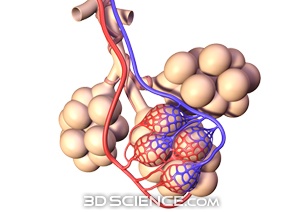
The air sacs that are covered with capillaries where gas exchange takes place
a)
bronchi
b)
lungs
c)
oxygen
d)
alveoli
77.

The only externally visible part of the respiratory system

a)

Eyes

b)

Nose

c)

Pharynx

d)

Larynx

78.

The two narrower tubes branching from the trachea that leads into the lungs

a)

nose

b)

bronchi

c)

lungs

d)

alveoli

79.

The large muscle that contracts and relaxes and moves air in and out of the lungs.

a)

epiglottis

b)

alveoli

c)

diaphragm

d)

trachea

80.

The air tubes in your lungs branch off into smaller, narrower tubes called

a)

bronchioles

b)

trachea

c)

larynx

d)

cilia

81.

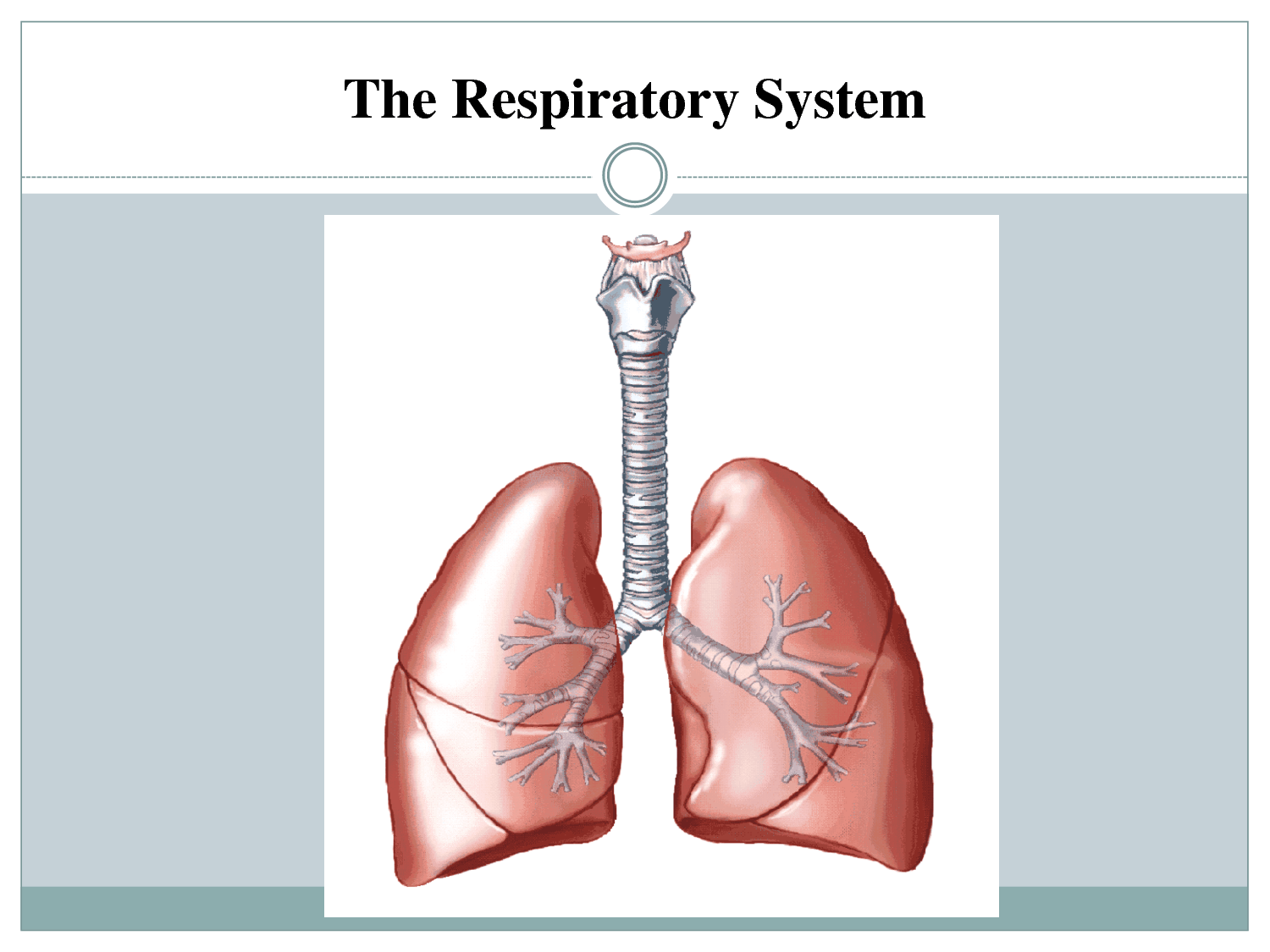
The main organs of the respiratory system

a)

heart

b)

lungs

c)

esophagus

d)

trachea

82.
What is the main function of the respiratory system?
a)
to provide oxygen and remove carbon dioxide from the body
b)
to bring oxygen to the body
c)
to break down food and absorb nutrients
d)
to remove oxygen from the body and deliver carbon dioxide
83.

What is the site of gas exchange?

a)

alveoli

b)

nose

c)

lung

d)

bronchi

84.

The drawing in of breath; inhalation.

a)

Inspiration

b)

Expiration

85.

Breathing out; exhalation of breath.

a)

Inspiration

b)

Expiration

86.

What does your heart do?

a)

pumps blood through your body

b)

protects your body

c)

helps your exercize

87.

Your heart is about the size of your __________.

a)

mouth

b)

fist

c)

show

88.

Blood carries ____________ to the heart.

a)

vitamins

b)

germs

c)

oxygen

89.

Your heart pumps blood throughout your entire body through little tubes called _____________.

a)

veins

b)

arteries

c)

hoses

90.

Blood is carried back to your heart in little tubes called ____________.

a)

veins

b)

arteries

c)

hoses

91.

Which describes all the parts of the circulatory system?

a)

heart, lungs, stomach, muscles

b)

heart, blood, arteries, and veins

c)

bones, skin, hair