Worksheets
Biology Final #2 (Cells & Biochemistry) 2021
Total questions: 69
Worksheet time: 1hrs 23mins


Approximately 96% of organisms are made up of which 4 elements?
Hydrogen, oxygen, water and phosphorus
carbon, hydrogen, oxygen and nitrogen
phosphorus, sulfur, calcium and potassium
iron, zinc, iodine and carbon
An ionic bond is
attraction between opposite charged atoms or molecules
attraction between same charged atoms or molecules
When you share electrons between atoms or molecules
none of the above
A force that holds two atoms together and involves the two atoms sharing one or more electrons
ionic bond
covalent bond
electronegativity
polar bond
What is the difference between a carbohydrate and a lipid?
lipids are quick energy and carbs are long term energy
lipids build muscle and carbs produce fats
carbs are sugars and lipids are fats

Which substance in the video is the solvent?
salt
water
salt and water
none of the above
Fats, oils, and cholesterol are all types of
cell membranes.
hormones.
lipids.
fatty acids.
Proteins are composed of which molecules?
Amino acids.
Fatty acids.
Monosaccharides.
Nucleic acids.
DNA and RNA are two types of
carbohydrates.
lipids.
proteins.
nucleic acids.
Glycogen, cellulose, and starch are examples of which macro molecule?
Carbohydrates.
Proteins.
Lipids.
Nucleic Acids.
What is the term for the amount of energy that is needed in order to complete a chemical reaction?
Chemical energy.
Activation energy.
Bond energy.
Reactant energy.
A catalyst _____ the energy needed to start a reaction.
Increases.
Decreases.
Increases then decreases.
Decreases then increases.
Describe ADHESION.
Water molecules attracted to other substances.
Water molecules climbing upwards against the force of gravity.
Water molecules dissolving many substances because of its polarity.
Water molecules attracted to other water molecules.

Molecules (like water) that have an uneven distribution of charges are known as _____.
polar
ions
solvents
non-polar
Monomers are:
single units of larger molecules linked together
single sugars
large molecules

What makes a chemical reaction?
matter is conserved
breaking and forming of chemical bonds
when products form reactants
when you do a lab
Exothermic reactions
absorb more energy than they release
are cold
do not use bond energy for activation
release more energy/heat than they absorb

What are the reactants in this chemical equation?
CH4 and 2O2
carbon and oxygen
CO2 and 2 H2O
water and methane

What is happening in this picture?
an enzyme is binding a substrate together to form a product
an enzyme is breaking down a substrate to release new products
the active site of the enzyme does not fit the substrate
a change in pH has damaged the enzyme
This process assembles/makes organic molecules by removing a water molecule:
dehydration synthesis
hydrolysis
phosphodiester bonding
hydrogen bonding
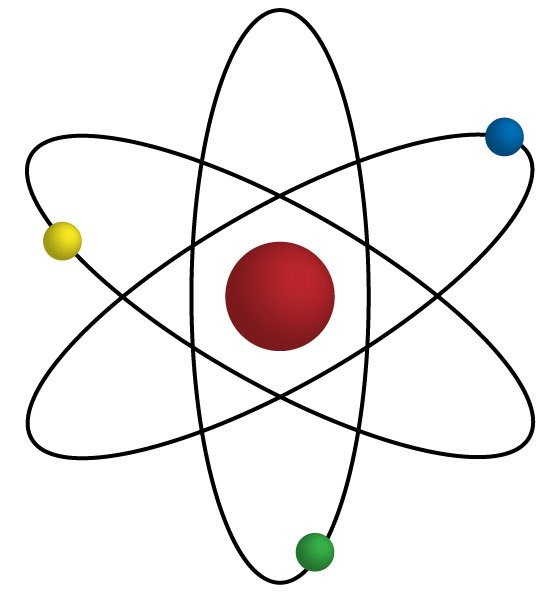
What two subatomic particles are found in the nucleus?
proton and electron
electron and neutron
neutron and proton
neutron and electron


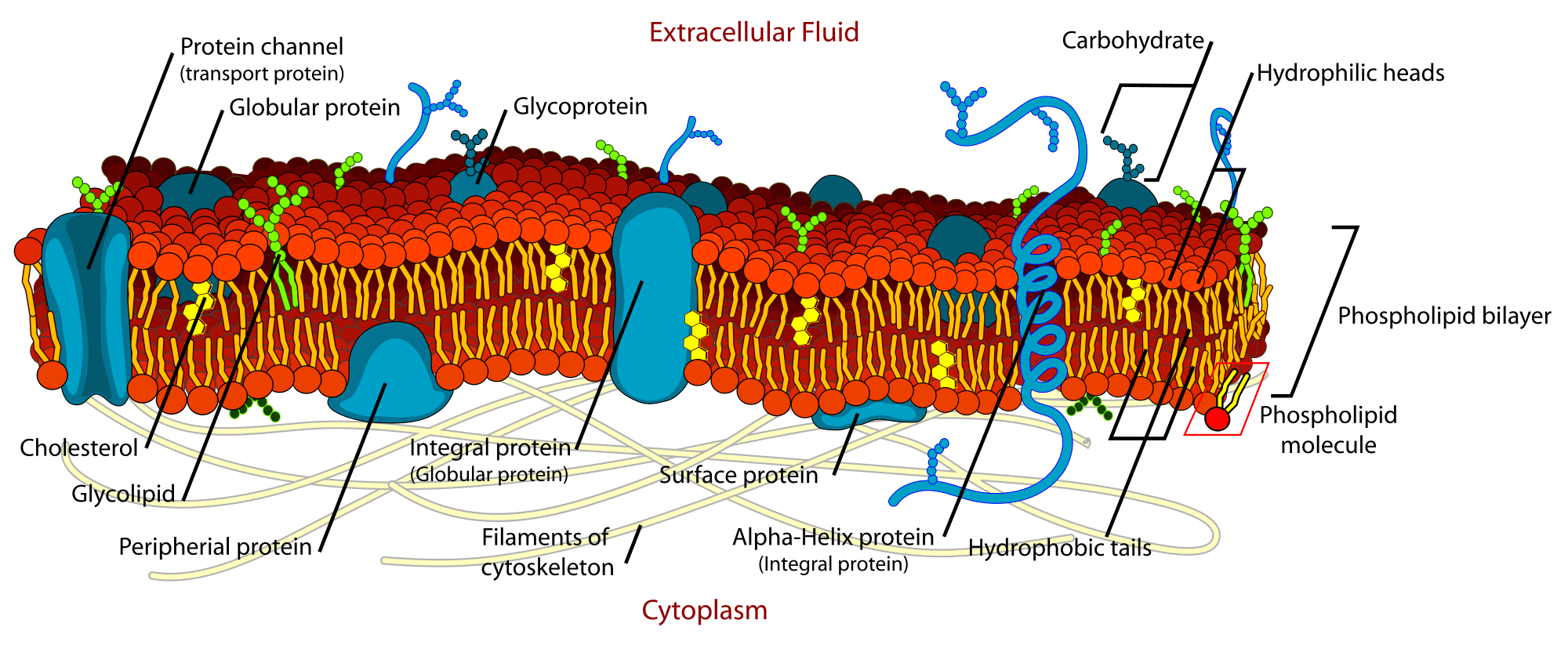

The cell membrane is selectively permeable, which means...
All materials can enter and leave the cell
Certain things can enter and leave while others cannot
The cell manually sorts through all materials
Only certain cells can interact with the cell.

low to high
uses energy/ATP
What are the main components of the cell membrane?
DNA, transport proteins, sugar
Carbohydrates, phospholipids, water
Phospholipids, transport proteins, cholesterol
Proteins, water, DNA

What type of solution will cause a cell to lose water and shrivel up?
Hypotonic
Isotonic
Pure solution
Hypertonic
A process that changes one set of chemicals into a new set of chemicals.
chemical reaction
physical reaction
synthetic reaction
chemical production
The energy needed to start a reaction is called the
activation energy
starting energy
promoting energy
reacting energy
Some factors can change the shape of an enzyme and when an enzyme's shape has changed it no longer works. When this happens we say that the enzyme has been ___.
denatured
altered
modified
renatured
Which of the following can cause a protein's shape to change?
A) changes in pH
B) high temperatures
Both A and B
Neither A nor B

Compare the two pathways, which pathway shows the reaction that has taken place with the help of an enzyme?
Pathway 1
Pathway 2
You cannot tell from these graphs.
Both reactions involved an enzyme.
Enzymes are a type of....
Protein
Nucleic Acid
Lipid
Carbohydrate
What happens when an enzyme is denatured?
It loses it's shape
It loses it's function
It loses BOTH it's shape and it's function
It becomes a co-enzyme
Basic unit of all forms of life
Cell
Nucleus
Prokaryote
Eukaryote
Cell organelle consisting of RNA and protein found throughout the cytoplasm in a cell; the site of protein synthesis
Smooth Endoplasmic reticulum
Ribosome / Rough Endoplasmin reticulum
Nucleus
Nucleolus
Internal membrane system found in eukaryotic cells; place where lipid components of the cell membrane are assembled
Golgi apparatus
Smooth Endoplasmic reticulum
Cytoskeleton
Organelle
Organelle found in cells of plants and some other organisms that captures the energy from sunlight and converts it into chemical energy (photosynthesis).
Chloroplast
Mitochondria
Cell Wall
Lipid Bilayer
What is the major difference between a prokaryote and a eukaryote?
prokaryotes do not have a nucleus
prokaryotes do not have ribosomes.
prokaryotes do not have a cell membrane.
prokaryotes do not contain DNA