
Font size
 Worksheets
Ace Tornadoes
Total questions: 55
Worksheet time: 55mins


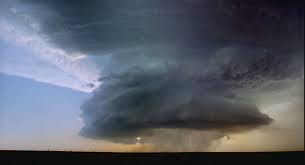


Which of the following is NOT another name for a tornado?
Cyclones
Wind twist
Waterspouts
Twister

Which is NOT true of tornadoes?
Most tornadoes are local storms.
Typical tornadoes are 400-500 feet wide.
Tornado winds generally range from 20-50 miles per hour.
Tornadoes can last for a few minutes to an hour or more.

Which is true of waterspouts?
They are very strong tornadoes.
They are most common in mountainous areas.
They are very common in northern states.
They are common along the Gulf Coast.

Which of the following tornadoes have winds ranging from 73 to 112 miles per hour?
F0
F1
F2
F3

Which tornado is the most rare?
F1
F3
F4
F5

Which is not a safe place to go during a tornado warning?
Face down in a ditch
In a bathtub
Under a tree
In the basement

Which of the following statements is not true?
There are about 1000 tornadoes in the U.S. every year.
More tornadoes occur in Mexico than in the U.S.
Only a small number of tornadoes actually strike buildings.
Every year hundreds of people are killed or injured by tornadoes.
A tornado could... MARK ALL THAT APPLY !!!
flatten homes and buildings
throw cars and trucks through the air
shatter mobile homes into splinters
Bring many inches of snow
If The National Weather Service forecasts that a tornado MAY develop later...
They issue a Tornado Watch
They release a Tornado Warning
They will ask people to evacuate their homes
They will send meteorologists into the storm to study it
When someone has seen a tornado or radar detects one, the National Weather Service (NWS) issues a:
Tornado Warning
Tornado Watch
Danger Report
Evacuation Notice
Which city has been struck by tornadoes the most?
Oklahoma City
Miami
Los Angeles
Atlanta
What is a tornado made of?
Dust, dirt, air and water droplets
Stuff
Gemma’s head of lettuce.
Clouds and dust
A tornado WARNING means that a tornado is:
in your state
likely to occur
on the ground
possible

a weather scientist
waterspout
supercell
meteorologist
debris

air movement upwards
rotate
updraft
funnel
debris

What is another name for a tornado?
Spinner
Cloud
Twister

What does a tornado sound like?
Birds chirping
Giant roaring train
A car horn

Where are tornadoes most common in the U.S.?
West Coast
Middle of the country
East Coast

What do storm chasers do?
Follow big storms around
Look for things to do
Follow cars
A tornado is most likely to form under which conditions?


Which of the following is the best depiction of an F5 tornado?


Which word best describes the duration of most tornadoes?
Prolonged
Instantaneous
Lengthy
Brief
Which sky will have a tornado?


What temperature of air makes a tornado?


What shape is a tornado?


What sound does a tornado make?


What does it look like after a tornado?


Current radars that detect tornadoes give you _____ minutes advance warning.
10
13
27
60
How fast can tornadoes spin?
They do not spin
Up to 500 km/hr
4 km/hr
4589 km/hr

Tornadoes can vary in size.
False
True

Tornadoes are not dangerous.
False
True

Tornadoes form from the _______.
sky
ground

A tornado is a narrow, violently rotating column of air that extends from a thunderstorm to the ground.
False
True

Tornadoes demolish houses, flip cars, cross rivers, dig 3 foot (0.9 meter) trenches, and lift lightweight objects 10,000 feet (3048 meters) into the air.
True
False

What was the worst tornadoes that caused the most damages
Quad-State Tornado
Tri-Sate Tornado
The Terrible Tornado
Bob
Which factor is responsible for most of the damage caused by a tornado?
Rain
Hail
Dust
Wind
Which level of tornadoes causes the greatest damage?
EF0
EF1
EF5
EF10
Which type of data do scientists use to predict tornadoes?
wind flow and temperature
moisture levels and temperature
cloud cover and wind flow
cloud cover and moisture levels
During what two seasons do we get most tornadoes?
Spring and summer
Fall and spring
Summer and fall
Winter and summer
What time of day do tornadoes usually happen?
1 pm to 5 pm
5 pm to 8 pm
4 pm to 9 pm

