wayground logo

Free Printable Worksheets

Font size

S
M
L
XL
Worksheets

Grade 6 Final Exam

Total questions: 58

Worksheet time: 2hrs 52mins
Name
Class
Date
1.

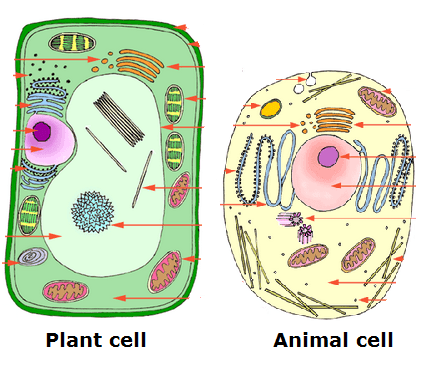
What distinguishes a plant cell from an animal cell? (How do you tell them apart) Hint: There's 3 ways (Check all 3)

a)

Central Vacuole

b)

Mitochondria

c)

Cell Wall

d)

Ribosomes

e)

Chloroplasts

2.

These foods contain A LOT of which Bio-molecule that our body LOVES to use for Energy?

a)

Protein

b)

Nucleic Acids

c)

Baconidis

d)

Carbohydrates

3.

Cellular Respiration occurs within me and I am in BOTH plant and animal cells. I am a....

a)

Nucleus

b)

Golgi Body

c)

Cytoskeleton

d)

Mitochondria

4.

I provide plant cells their rigid shape. I am the...

a)

Basketball that Nic Quarne left in Mr. Woller's room last week

b)

Cytoskeleton

c)

Cell Membrane

d)

Cell Wall

5.
What type of cell has a nucleus? 
a)
eukaryotic
b)
prokaryotic 
6.
What type of cell has a nucleus? 
a)
eukaryotic
b)
prokaryotic 
7.
control, read, and direct the cell using DNA instructions
a)
nucleus
b)
mitochondria
c)
endoplasmic reticulum
d)
lysosome
8.
control, read, and direct the cell using DNA instructions
a)
nucleus
b)
mitochondria
c)
endoplasmic reticulum
d)
lysosome
9.
Controls what enters/leaves a cell
a)
cell membrane
b)
Nuclear membrane
c)
cell wall
d)
cytoplasm
10.
Main producer of ATP in all eukaryotes
a)
chloroplast
b)
mitochondria
c)
lysosome
d)
smooth er
11.

Which of the following is NOT a function of the roots?

a)

Store carbs

b)

Absorb water and minerals

c)

Anchor plant to the ground

d)

Photosynthesis

12.

Where in the plant does photosynthesis occur?

a)

Flower

b)

Leaves

c)

Stem

d)

Roots

13.

What type of cells transport water UP the stem?

a)

Xylem cells

b)

Phloem Cells

c)

Epidermal Cells

d)

Root Cells

14.

Which of the following is a REACTANT for Photosynthesis?

a)

Sunlight

b)

ATP

c)

Glucose

d)

Oxygen

15.

Which of the following is the correct formula for cellular respiration?

a)

Glucose + Carbon Dioxide > Oxygen + ATP + Sunlight

b)

Sunlight + Carbon Dioxide + Water > Glucose + Oxygen

c)

Glucose + Oxygen > Carbon Dioxide + Water + ATP

d)

Water + Glucose + Oxygen > Carbon Dioxide + ATP

16.

Which structure of the plant is responsible for transport?

a)

Flower

b)

Leaf

c)

Stem

d)

Root

17.

Which of the following is NOT a part of the plant's SHOOT system?

a)

Flower

b)

Leaf

c)

Stem

d)

Root

18.

True or False? The products of photosynthesis are the reactants of cellular respiration.

a)

True

b)

False

19.
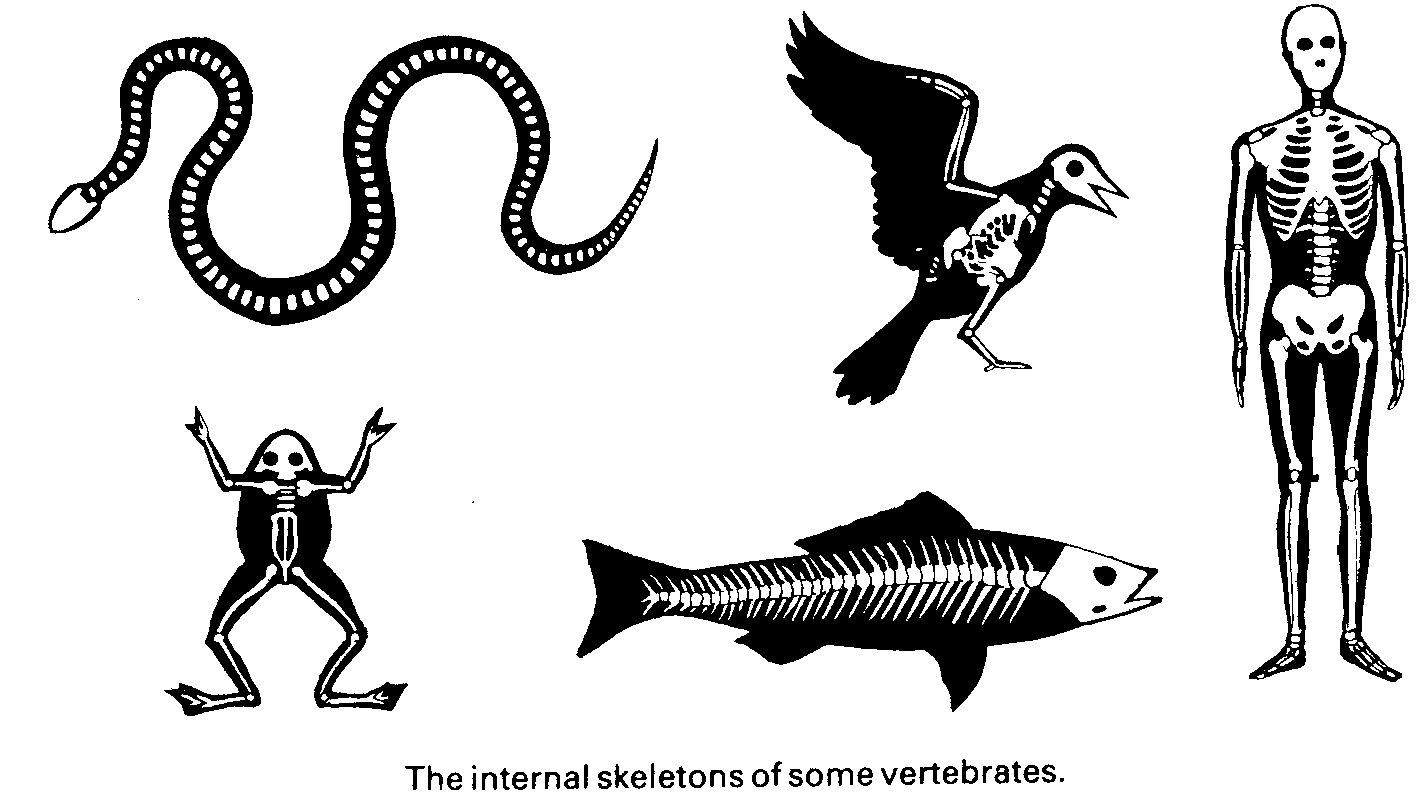
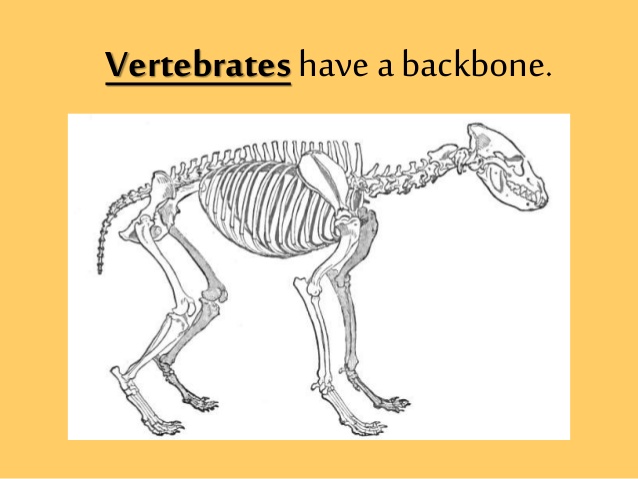
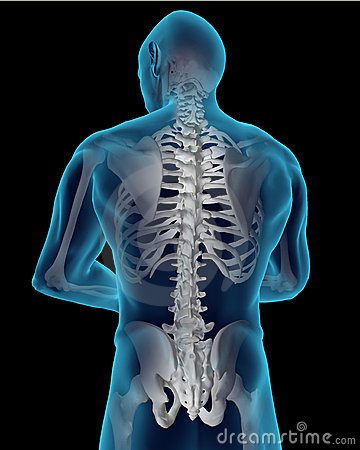
All vertebrates have a ___________.
a)
last name
b)
tail
c)
backbone
d)
neck
20.
Which of the following is NOT a vertebrate?
a)
mammal
b)
arthropods
c)
fish
d)
amphibians
21.
Mammals, fish, reptiles, amphibians, and birds are all __________________.
a)
invertebrates
b)
vertebrates
c)
good pets
22.
Humans are vertebrates.
a)
True
b)
False
23.
Which of the following is not an invertebrate?
a)
spider
b)
starfish
c)
catfish
d)
crab
24.

What is energy?

a)

moving energy

b)

stored energy

c)

renewable energy

d)

The ability to do work.

25.

What is potential energy?

a)

moving energy

b)

stored energy

c)

renewable energy

d)

non renewable energy

26.

What is kinetic energy?

a)

moving energy

b)

potential energy

c)

stored energy

d)

renewable energy

27.

What is NOT a renewable energy source?

a)

coal

b)

wind

c)

solar

d)

water

28.

Which is NOT a non-renewable energy source?

a)

coal

b)

oil

c)

wind

d)

gas

29.

What does it mean to process or refine an energy resource?

a)

to transport

b)

to clean

c)

to sell

d)

to extract

30.

What is given off from energy?

a)

water

b)

heat

c)

smoke

d)

ash

31.

Which of these is an example of kinetic energy?

a)

a bicycle

b)

a battery

c)

a solar panel

d)

firewood

32.
all matter is made of what 
a)
energy 
b)
atoms 
c)
electrons 
d)
compounds 
33.
The positive particles of an atom are 
a)
electrons 
b)
positrons 
c)
neutrons 
d)
protons 
34.
Particles in an atom that are neutral and have no charge are 
a)
negatrons 
b)
electrons 
c)
neutrons 
d)
protons 
35.
Neutrons are _______________ particles.
a)
negative
b)
positive
c)
neutral
d)
cows
36.
The positive particles of an atom are called ___________.
a)
electrons 
b)
atoms
c)
neutrons 
d)
protons 
37.
The smallest part of an element is known as the 
a)
Periodic Table
b)
Atom
c)
Group
d)
Period
38.
What are the basic building blocks for all matter?
a)
atoms
b)
elements
c)
compounds
d)
chemicals
39.
What do we call a chemical substance made up of 2 or more different types atoms bonded together?
a)
formula
b)
atom
c)
subscript
d)
compound
40.
When __________ form, the elements lose there individual chemical properties and take on new properties.
a)
compounds
b)
atoms
c)
subscript
d)
formula
41.
Which part of an atom is POSITIVELY charged?
a)
protons
b)
neutrons
c)
electrons
d)
atoms
42.

How would H2O be classified? Check all that apply.

a)

Atom

b)

Molecule

c)

Compound

43.

Plants and animals in the tundra must be able to adapt to the extremely ___________ weather

a)

small

b)

cold

c)

perennials

d)

shallow

44.
Very little sun reaches this part of the rainforest.
a)
equal
b)
earth
c)
floor
d)
carnivorous 
45.

Many of the animals in the desert are ______________ to avoid the extreme heat during the day.

a)

cacti

b)

chia

c)

water

d)

nocturnal

46.

The two main abiotic factors that determine where organisms live are

a)

temperature and latitude

b)

altitude and precipitation

c)

temperature and precipitation

d)

soil type and precipitation

47.
Which two biomes have the least precipitation?
a)
tropical rain forest and temperate grasslan
b)
savanna and tropical dry forest
c)
tundra and desert
d)
boreal forest and temperate woodland
48.
This biome is found around the equator and is home to a large amount of biodiversity.
a)
Deserts
b)
Tropical Rain Forests
c)
Savannas
d)
Chaparral 
49.
What is this biome?
a)
Coniferous Forest
b)
Desert
50.
What is this biome?
a)
Deciduous Forest
b)
Tropical Rainforest
51.

Which land biome is mainly covered with grass?

a)

Desert

b)

Taiga

c)

Grassland

d)

Tundra

52.

Which biome is also known as the "Temperate Forest"?

a)

Deciduous Forest

b)

Tropical Rain Forest

c)

Tundra Forest

d)

Taiga Forest

53.

Which biome is hot and humid all year round with plenty of rain?

a)

Tundra

b)

Tropical Rain Forest

c)

Taiga

d)

Temperate Forest

54.

Which biome is sandy and/or rocky with very little rain?

a)

Desert

b)

Tundra

c)

Grassland

d)

Tropical Rain Forest

55.

Earthquake is the sudden shaking of Earth.

a)

True

b)

False

56.

Strong earthquakes can ruin tall buildings and destroy roads and houses.

a)

True

b)

False

57.

You can place your appliances, like television on higher area.

a)

True

b)

False

58.

After an earthquake, aftershocks may occur.

a)

True

b)

False