
 Worksheets
Phytochemicals
Total questions: 80
Worksheet time: 3hrs 40mins
What are phytochemicals?
chemicals found in plants
compounds in plant that are biologically active but not nutritive
compounds that give plants protection against disease
Bioactive substance in plant that may be used as medicine
Substance that are not from carotenoids family
Alpha-carotene
Lycopene
Lutein
Quercetin
Extraction methods except:
Maceration
Percolation
column chromatography
Microwave assisted extraction
Organosulfur compounds, except:
Isothiocyanates
Indoles
Allylic sulfur compounds
Catechin
Flavonoid Subclasses except:
Hydroxy-cinnamic acid
Flavonols
Anthocyanidins
Isoflavonoids
Source of lycopene:
Tomatoes
Watermelon
pink grapefruit
broccoli
Quantitative Phytochemical analysis
Wagner test
Lead acetate test
Ferric Chloride test
Total phenolic compound
Objective of phytochemical processing except:
Remove unwanted materials
To enhance its nutrition
Adding economic value to plant materials
To prevent degradation of phytochemicals
Source of isoflavones except:
Soybean
Soy foods
legumes
carrot
Oxidative stress
compounds that inhibit oxidation
Results of free radical reaction in the body
Scavenge free radicals from the body's cell
Detoxify harmful effect in the body
What does NOT describe a phytochemical?
found in plants
compounds in plant that are biologically active but not nutritive
compounds that give plants protection against disease
compounds that create free radicals in the body
Substance that are from beta carotenoids family (Choose TWO)
Polyphenols
Lycopene
Lutein
Monoterpenes
Substance that are from beta carotenoids family (Choose TWO)
Polyphenols
Lycopene
Lutein
Monoterpenes
Polyphenols (Choose TWO)
Lemons
pomegranates
dark chocolate
tomatoes
Flavonoids (choose TWO)
Spinach
steak
green tea
butter
Source of lycopene:
Tomatoes
Lemons
pink grapefruit
broccoli
All are sources of isoflavones except:
Soybean
Soy foods
legumes
carrot
Monoterpenes
Dark Chocolate
Tomatoes
Blueberries
Oranges
Ellagic Acid
Strawberries
tomatoes
Eggs
garlic/onions
Allium Compounds
garlic/onion
tomatoes/grapes
apple/pear
Soybean
Organic molecules that help protect the body from harmful chemicals
vitamins
cancer
free radicals
antioxidants
phyto means
animal
metabolism
plant
chemical
Lutein plant pigment
yellow
reds
blues
purples
Purples/Deep Red Color
Anthocyanin
Beta Carotene
Lutein
Chlorophyll
Dark Chocolate
Lycopene
Polyphenol
Lutein
Monoterpene
Spinach
Polyphenols
Lycopene
Lutein
Ellagic Acids
raspberries
Polyphenols
lycopene
Ellagic Acid
Monoterpenes
Beta Carotene color
Yellow/Oranges
Reds/Blues
Purple
Whites
Circle the 3 Classes of Phytochemicals
Phenolic Acid
Flavonoids
Chlorophly
Lignans
Who was the first to scientifically investigate a folk remedy
Hippocrates
Antoni van Leeuwenhoek
William Withering
Serturner
Who was the first to scientifically investigate a folk remedy
Hippocrates
Antoni van Leeuwenhoek
William Withering
Serturner
Which one of the following are active contents used for medicine in the plants
Alkaloids
Glycosides
Polyphenols
All of the above
Which one of the following plant used for Heart disease
Vinca
Snakeroot
Foxglove
Taxus
Which of the following parts used for phytochemical screening
Leaves
Flowers
Roots
All of the above
Which one of the following are non polar solvents
Ethanol
Petroleum ether
Methanol
Butanol
which one of the following are polar solvents
Petroleum ether
Alcohols
Hexane
Benzene
Soxhlet Extraction is
Polar extraction
Semi-continuous extraction
Continuous extraction
Non-polar extraction
Examples of Supercritical Fluid Extraction is
Nitrogen
Oxygen
Carbon dioxide
Methane
Counter-Current Extraction is
Solid-Solid extraction
Liquid-Solid extraction
Liquid-Liquid extraction
Solid extraction
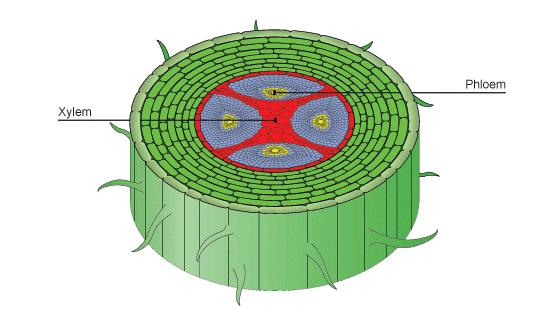
Specific type of plant tissue that transports water and minerals from the roots, through the stems, to leaves
vascular plant
nonvascular plant
xylem
phloem

Specific type of plant tissue that transports food (sugar) made in the leaves to the entire plant
vascular plant
nonvascular plant
xylem
phloem

Type of plant that is usually taller (longer) and has vascular tissue (xylem and phloem) that provides support
vascular plant
nonvascular plant
xylem
phloem
The process by which plants make food
Photosynthesis
phototropism
embryo
seeds
Examples of these plants include mosses, liverworts, and other plants with no xylem or phloem
dicot
vascular plant
monocot
nonvascular plant
This is what almost all non-flowering plants reproduce from (except cone bearing plants)
spores
seeds
monocots
dicot
A type of plant with a seed that has one food storage area
monocot
dicot
vascular
nonvascular
A type of plant with a seed that has two food storage areas
monocot
dicot
vascular
nonvascular
Other than transporting water, what is a function of xylem?
making food
transporting food
helping support the plant
catching light

Which of the following plants are considered nonvascular plants?
Monocot Plants
Dicot Plants
Ferns
Moss
Almost all flowerless plants reproduce from which of the following:
Spores
Seeds
Water
Vascular
Piperine on hydrolysis with aqueous potassium hydroxide to give
piperic acid
pipecolic acid
formaldehyde
tartaric acid
Molecular formula for papaverine
C20H21NO4
C20H21NO2
C20H20NO4
C20H21NO
The molecular formula of Piperine
C17H19NO3
C17H19NO2
C17H17NO3
C19H19NO3
Coniine on oxidation with KMnO4 yields
picolinic acid
conyrine
pyridine
tetramethylquinolizine
what is the molecular formula of coniine
C8H17N
C8H17
C8H18N
C7H17N
How the alkaloid are tested ?
Sweet
Bitter
Salty
Testless
What is the nature of alkaloid?
Acidic
Basic
Neutral
All
Alkaloids are not tested by-
Tollen reagent
Mayer’s reagent
Wagner’s reagent
Hager’s reagent
Which one is not a group of alkaloids?
Tropane
Indole
Lupinane
Serine
Which one is not true for alkaloids?
They are poisonous agents
They are reserve substances
They do not make salt with acid
They are regulatory growth factors
What is the biological source of vinca
Aerial part
Root
Leaves
All of the above
Vinca show adulteration with
Terpenes
Conessine
Catharanthus longifolia
All of the above
Leaves of vinca are
Petiolate
Ovate in shape
Acute apex
All of the above
Adulterant of R.serpentina are
R.densiflora
Pisum sativum
R.perakensis
Both a and c
The chemical constituents of Rauwolfia are
Reserpine
Phytosterol
Fatty acids
All of the above
Which of the following are free radicals? (multiple choice test)
hydrogen peroxide (H2O2)
singlet oxygen (O2)
sodium hydroxide (NaOH)
glucose
Where have flavonoids found applications?
as enzymes
in medicine, for example in cancer therapy
in catalysis and inorganic chemistry
in the electronics industry
Where can flavonoids be found?
in meat and fish
in plants, mainly fruits and vegetables
they have to be synthesized
they are produced in the human body
Which of the following is not a flavonoid group?
flavones
flavonols
flavanones
ketons



