
Font size
 Worksheets
ASSESSMENT 1 (YEAR 3/4)
Total questions: 55
Worksheet time: 14hrs 45mins


What is the habitat shown in the picture?
jungle
desert
arctic
ocean

What can we find in this habitat?
polar bear
tiger
camel
crocodile

Where can we find this animal?


What is the habitat shown in the picture?
ocean
desert
mountains
jungle

What animals do we find in this habitat?


You find _______ in the jungle.
coral
trees
polar bear
shark

Where do we find this animal?


Name the habitat.
polar region
ocean
jungle
desert


Habitats provide all of the following, EXCEPT...
Food
toys
Water
Shelter

What is the main reason why Penguin belongs to arctic?
They like to play with snow
There's plenty of fish in the sea to eat
There's lots of snow

What is the advantage of having different shaped beaks?
To look different from other species.
To be able to eat the food readily available in the environment.
To protect itself against predators.
To protect itself against prey.

How do adaptations help animals?
To escape animals
to hunt for food
to survive in their habitats
All of these are correct
True or False:
The ocean is the largest habitat
True
False
True or False
All sea animals breath under water
True
False

What's the name of this animal?
Crow
Parrot
Owl
Pigeon

Where do you find tigers?
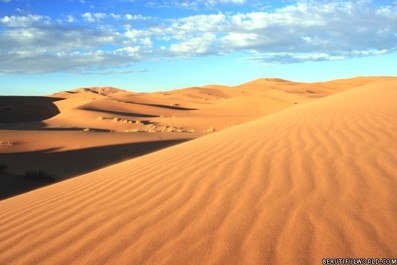

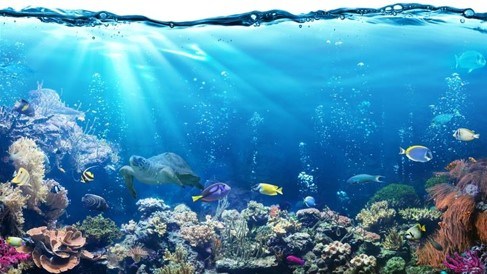

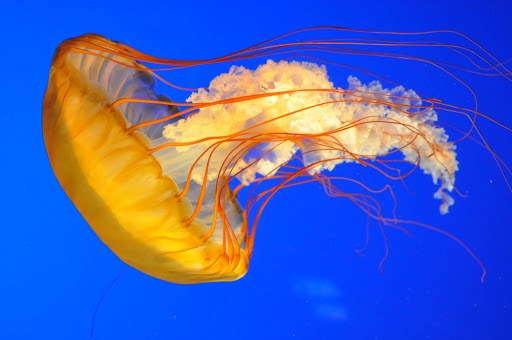
Where do you find jellyfish?
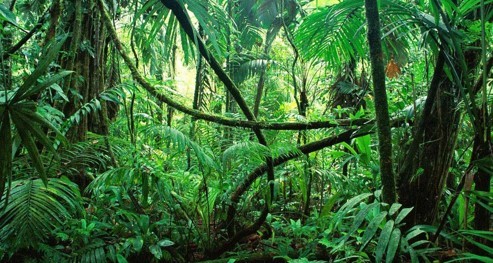
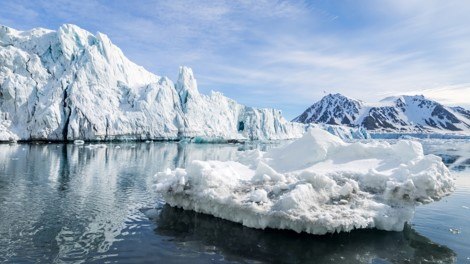

Where do you find the animal?

What's the name of this animal?
Horse
Zebra
Goat
Camel

Where does polar bear live?
Jungle
Desert
Ocean
Polar region

Where does the shark live?
Polar region
Ocean
Jungle
Mountains

Where does this animal live?
Polar region
Ocean
Jungle
Mountains
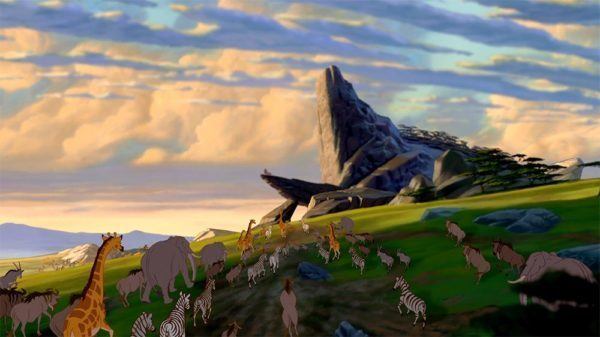
What 3 animals live in the grasslands?
Elephants
Lions
Giraffes
Sharks
Penguins
What are 2 difficulties that grassland animals face?
Not much to eat
Not many places to hide
Its too cold
They get bored
How can small animals stay safe from predators?
Hide in the grass
Hide behind the couch
Stay out in the open

Where does the starfish live?
Polar region
Jungle
Ocean
Desert
Mountains

Choose the correct answers based on the picture given.
goats, mountain
camels, desert
tiger, jungle
camels, ocean

Choose the correct answers based on the picture given.
polar region
desert
mountains
jungle

Choose the correct answers based on the picture given.
jellyfish, desert
fish, jungle
sharks, ocean
sharks, mountains
Which one is not a habitat for animals?


You can find ________ in the desert.
tree
sand
coral
snow
rocks
You can find _________ in the polar region.
rocks
tree
sand
coral
snow
You can find ________ in the mountains.
rocks
coral
tree
snow
sand
How do adaptations help animals?
to hide from predators or other animals
to hunt for food
to survive in their habitats
All of these are correct
An animal's color or pattern that helps it blend or hide into its surroundings is called as:
Environment
Camouflage
Habitat

The main function of a bird's beak is to:
fly
get food
breath

All sharks have fins. This characteristic helps the animal...
To find water
To move and swim
To breathe in oxygen in water

What characteristics helps lions catch and eat their prey?
Sharp claws and teeth with strong jaw
Thick fur
Long tail

How does an elephant use its trunk to survive?
To protect its self from predators or other animals
To pick up food, and soak up water
To breathe in oxygen
All of the above

What characteristic helps this animal eat from the top of trees?
Its spots on its body
Its ears
Its mouth
Its long neck
What do animals need to survive?
air
water
food
shelter
all of the above


An animal with webbed feet probably lives in the _________.
Tropical Rainforest
Tropical Coral Reef
Pond or Lake
Field
A bear's thick fur will ___________.
help it to move
scare away other animals
keep its body warm in cold environment

What does a beaver use to chop down trees?
Its sharp teeth
Its tail
Its thick hairs or fur
In your own words, define Habitat.
In your own words, define Adaptation.

