Wayground logo

Free Printable Worksheets

Font size

S
M
L
XL
Worksheets

Elements in the Periodic Table

Total questions: 32

Worksheet time: 16mins

Name
Class
Date
1.
How did Mendeleev arrange the elements?
a)
alphabetical 
b)
density
c)
melting point
d)
atomic mass
2.
The horizontal row on the periodic table is called a
a)
group
b)
family
c)
period
d)
atomic number
3.
A vertical column is called...
a)
group
b)
tower
c)
period
d)
crew
4.
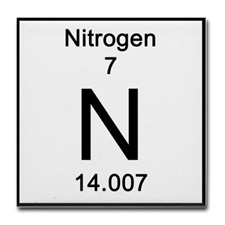
What is the number of protons that the element in this image contain?
a)
14
b)
7
c)
15
d)
18
5.
The first energy level can hold up to how many electrons?
a)
8
b)
4
c)
2
d)
5
6.
What element is this model showing?
a)
Lithium
b)
Boron
c)
Carbon
d)
Neon
7.
If an atom has 24 protons and 24 electrons, what is the atomic number of this element?
a)
24
b)
48
c)
0
d)
42
8.
How many atoms are there in a molecule?
a)
no atoms
b)
1 or more atoms
c)
2 to thousands of atoms
d)
exactly 18 atoms
9.
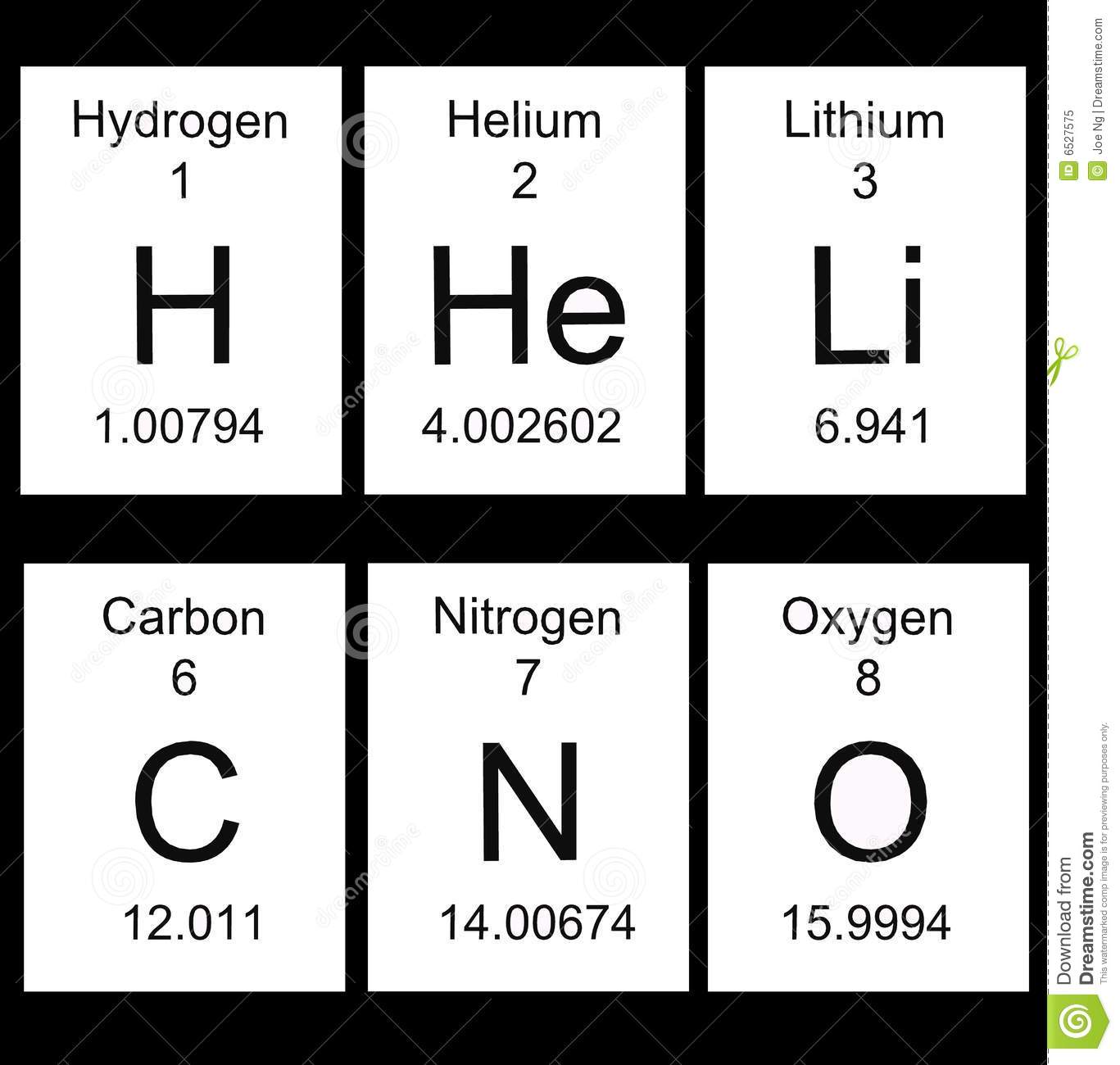
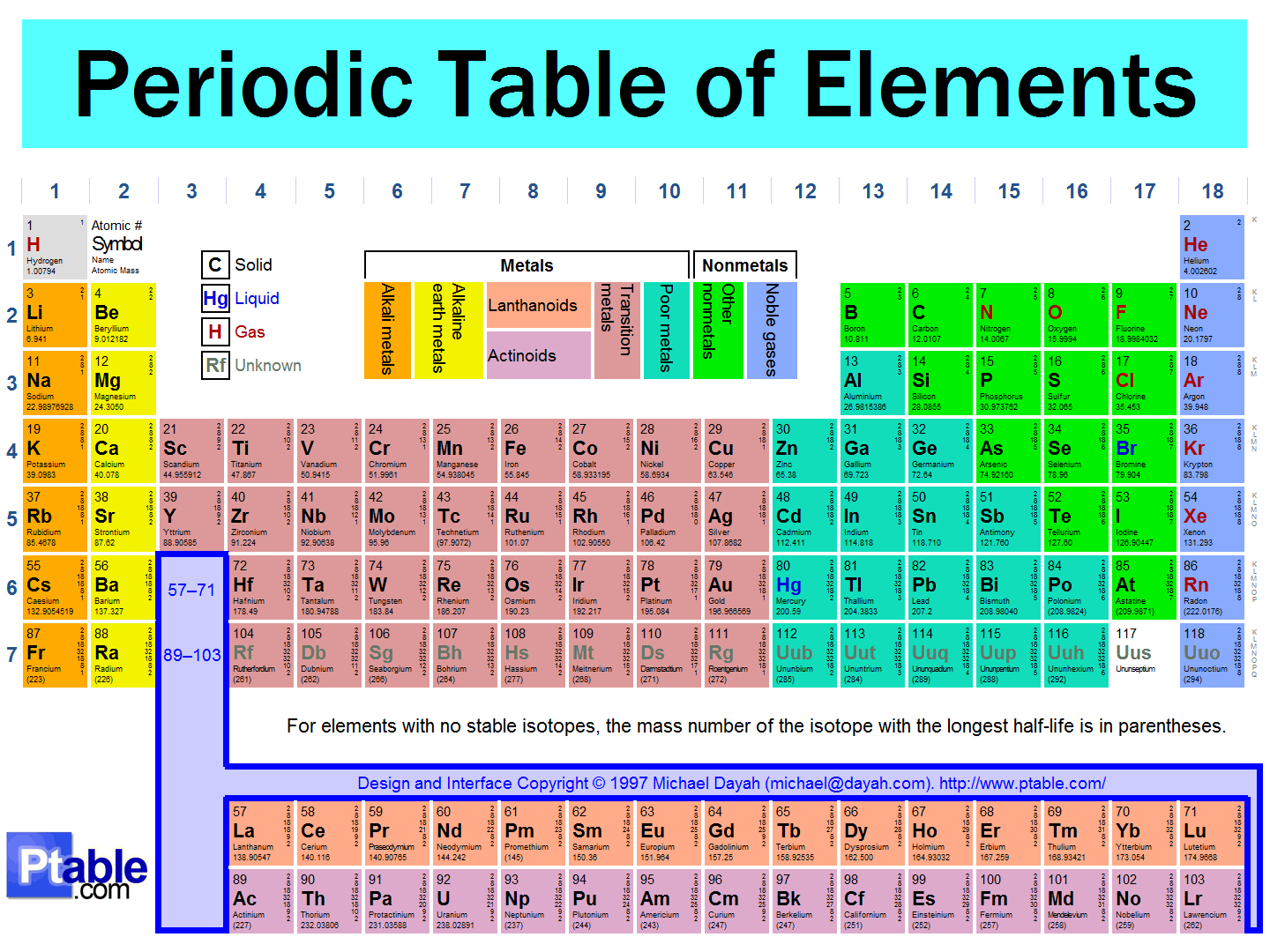
The number at the bottom of each square on the periodic table is the ...
a)
atomic number
b)
atomic mass
c)
chemical symbol
d)
element name
10.
The number at the top of each square on the periodic table is the ...
a)
atomic number
b)
atomic mass
c)
Chemical Symbol
d)
Element Name
11.

Different ___________ have particular properties such as stretch, strength, or hardness that make them useful for different jobs.

a)

Liquids

b)

Solids

c)

Gas

d)

Light

12.

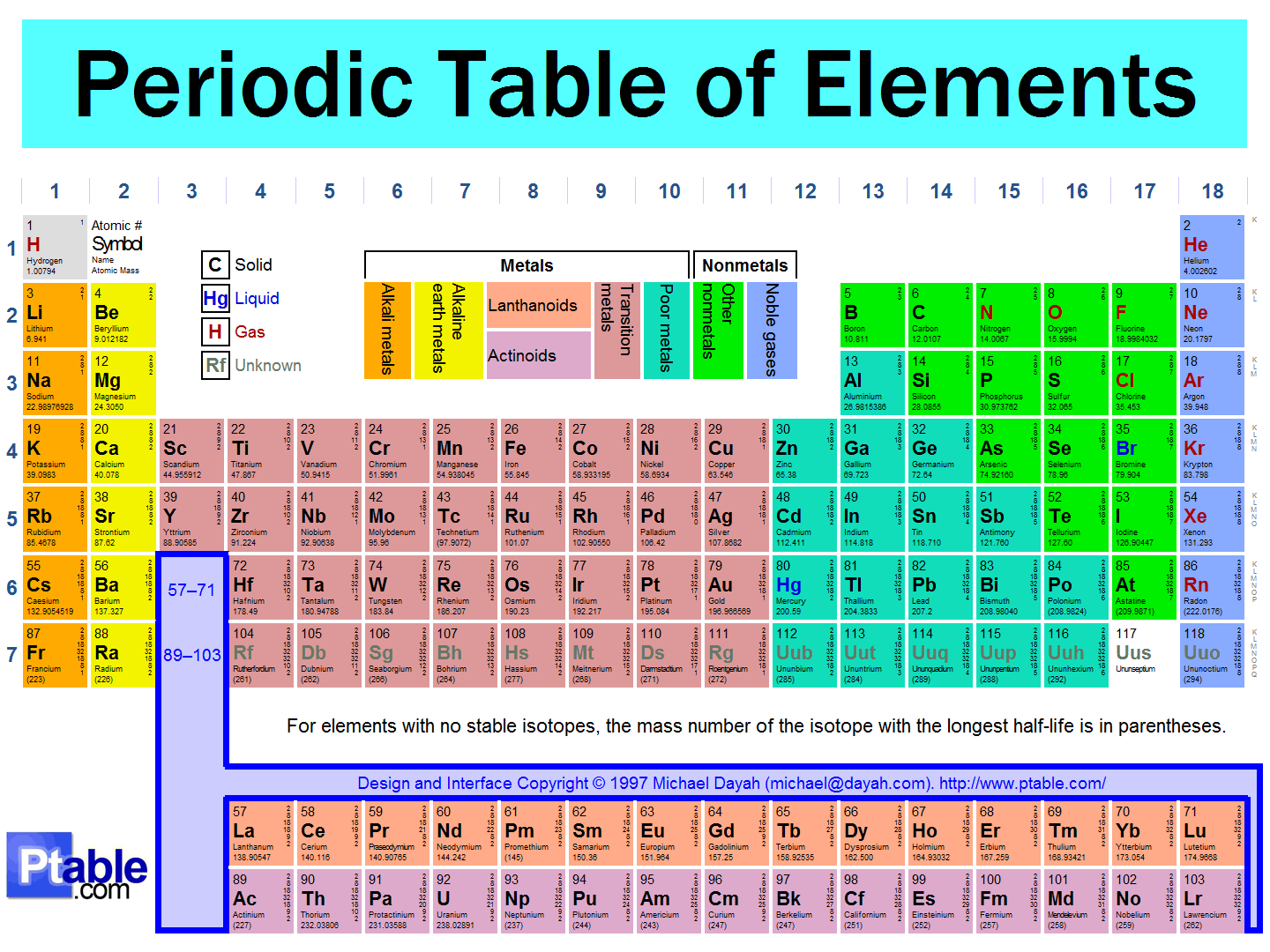
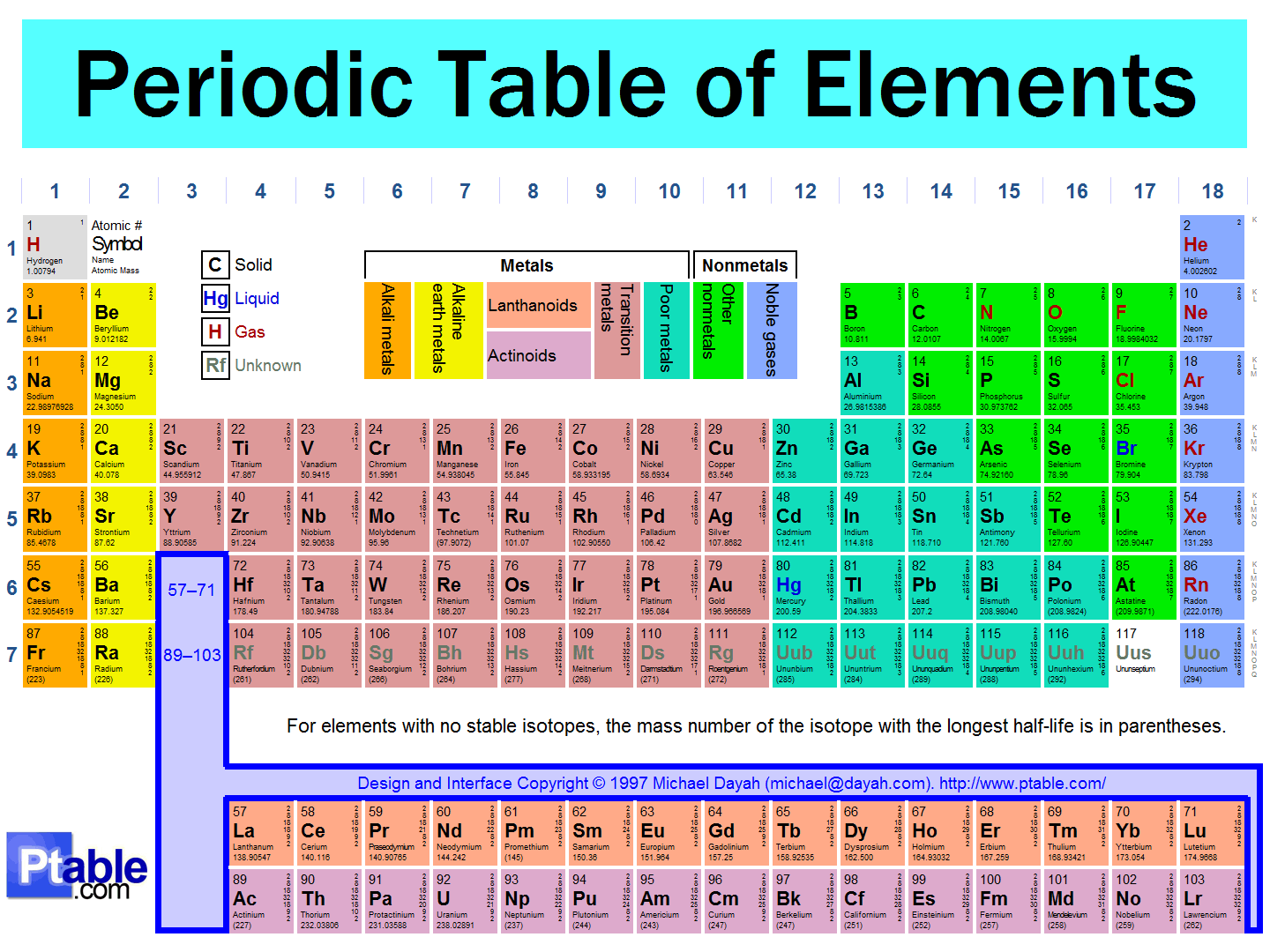
A table that shows the elements arranged by their atomic numbers

a)
b)
c)
d)
13.
How many protons are in this element?
a)
79
b)
196
c)
117
d)
Cannot be determined
14.
Which part of an atom has no charge?
a)
protons
b)
neutrons
c)
electrons
d)
atoms
15.

Helium balloons rise on earth because

a)

helium is less dense than air

b)

helium is more dense than air

c)

helium is cooler than air

d)

helium is warmer than air

16.
Which of the following is the most metallic element in period 3?
a)
Boron (B)
b)
Sodium (Na)
c)
Argon (Ar)
d)
Silicon (Si)
17.
Which of these element is the least metallic?
a)
Potassium (K)
b)
Carbon (C)
c)
Sulfur (S)
d)
Neon (Ne)
18.
This class of elements are sometimes called "semiconductors."
a)
Metals
b)
Nonmetals
c)
Metalloids
d)
Groups
19.
Pure forms of these elements are stored in oil so they won't react with oxygen and water in the air.
a)
Alkali Metals
b)
Alkaline-earth metals
c)
Halogens
d)
Noble Gases
20.

What is the periodic law?

a)

Elements have numbers

b)

Elements have specific names

c)

Elements are organized based on families

d)

Elements are organized based on atomic masses

21.
The periodic table is organized by the number of ______ in each element's nucleus
a)
neutrons
b)
protons
c)
electrons
d)
atoms
22.

Why were there blank spaces left in Mendeleev's periodic table?

a)

He didn't know what to put there.

b)

Undiscovered elements not yet known.

c)

Multiple elements could have fit

d)

He forgot to add the elements in.

23.
Mendeleev classified elements based on not only atomic mass but what else?                                                   
a)
reactivity
b)
boiling points
c)
physical properties only 
d)
 chemical & physical properties
24.

Which of these are not the origin of the element names?

a)

Greek/ Latin words

b)

Famous scientist

c)

Famous singers

d)

Based on its physical properties

25.

Which of these metals are shiny and readily lose 2 electrons to form a cation (2+)?

a)

Oxygen

b)

Magnesium

c)

Helium

d)

Carbon

26.

Which of these statements is not true?

a)

The halogens include fluorine, chlorine, bromine, iodine, and astatine

b)

Halogens have the ability achieve stable octet configuration

c)

Halogens are highly reactive with alkali metals and alkaline earth metals

d)

Halogens are also known as noble gases

27.

Which of these statements is true about transition elements?

a)

Transition elements are not good conductors of heat and electricity

b)

Transitions elements have low melting points

c)

Transition elements can be easily hammered and bent into shape

d)

Transition elements have low densities

28.

What are the elements in group 1 (the far left) of the periodic table called?

a)

Alkali metals

b)

Alkaline earth metals

c)

Halogens

d)

Noble gases

29.

What are the elements in group 2 of the periodic table called?

a)

Alkali metals

b)

Alkaline earth metals

c)

Halogens

d)

Noble gases

30.

The positively charged particle in the nucleus of an atom is a:

a)

Proton

b)

Neutron

c)

Electron

d)

Shell

31.

Hydrogen is a:

a)

Alkali metal

b)

Metalloid

c)

Non-metal

d)

Noble gas

32.

The number of protons in the nucleus of an atom is equal to the:

a)

Atomic number

b)

Atomic mass

c)

Number of neutrons

d)

Number of valence electrons