
Font size
 Worksheets
Periodic Table form 1
Total questions: 68
Worksheet time: 46mins
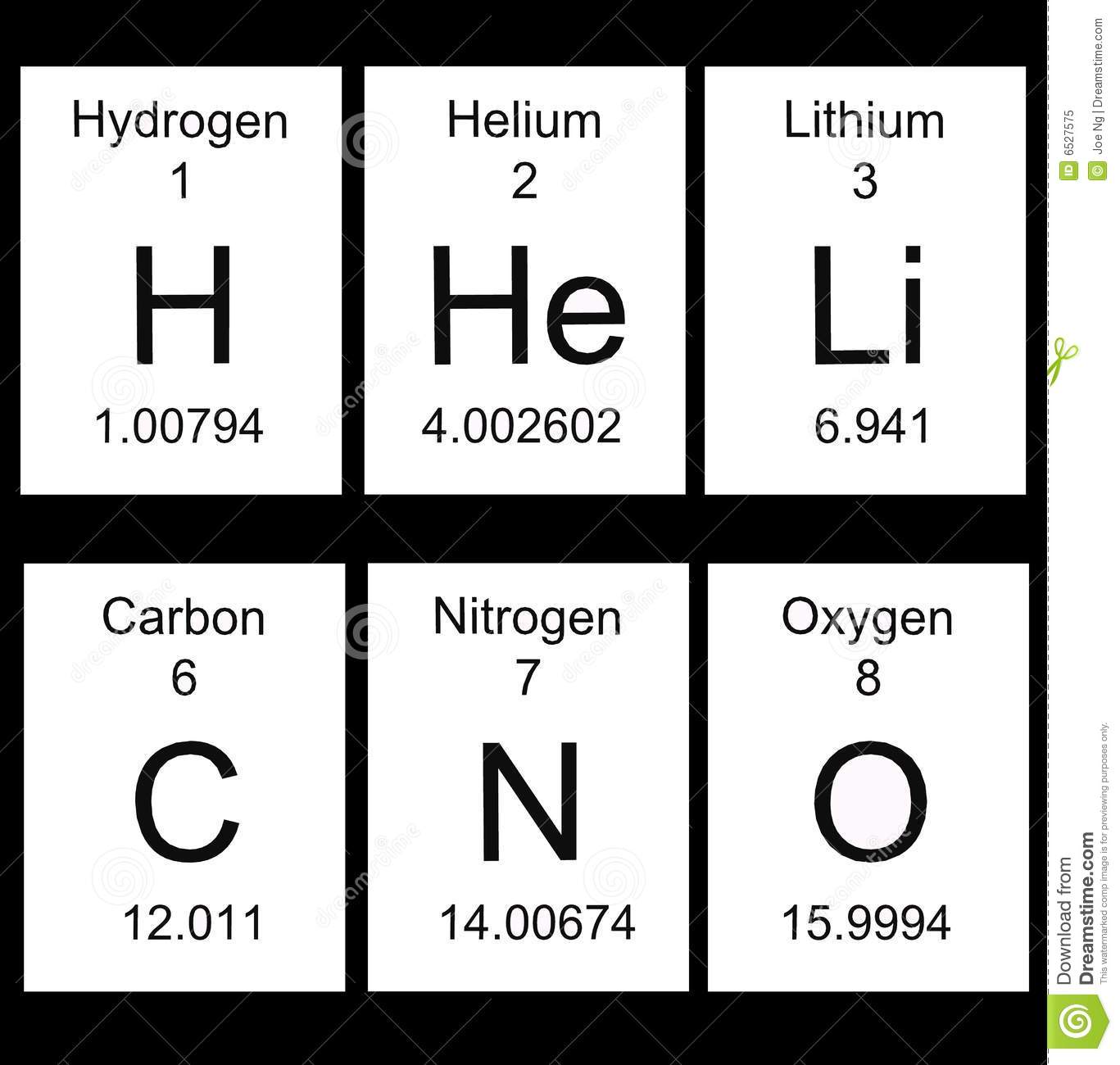
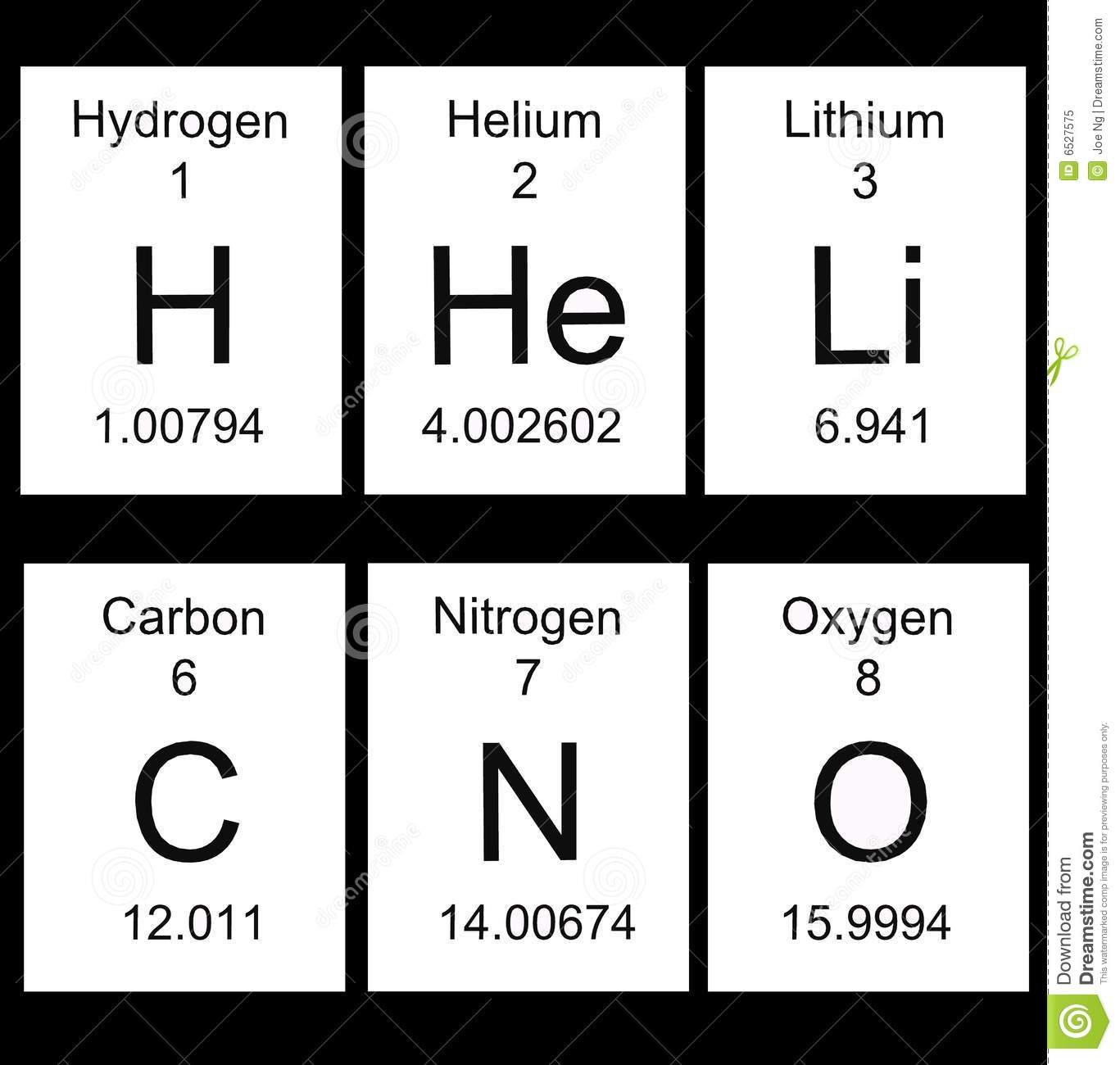
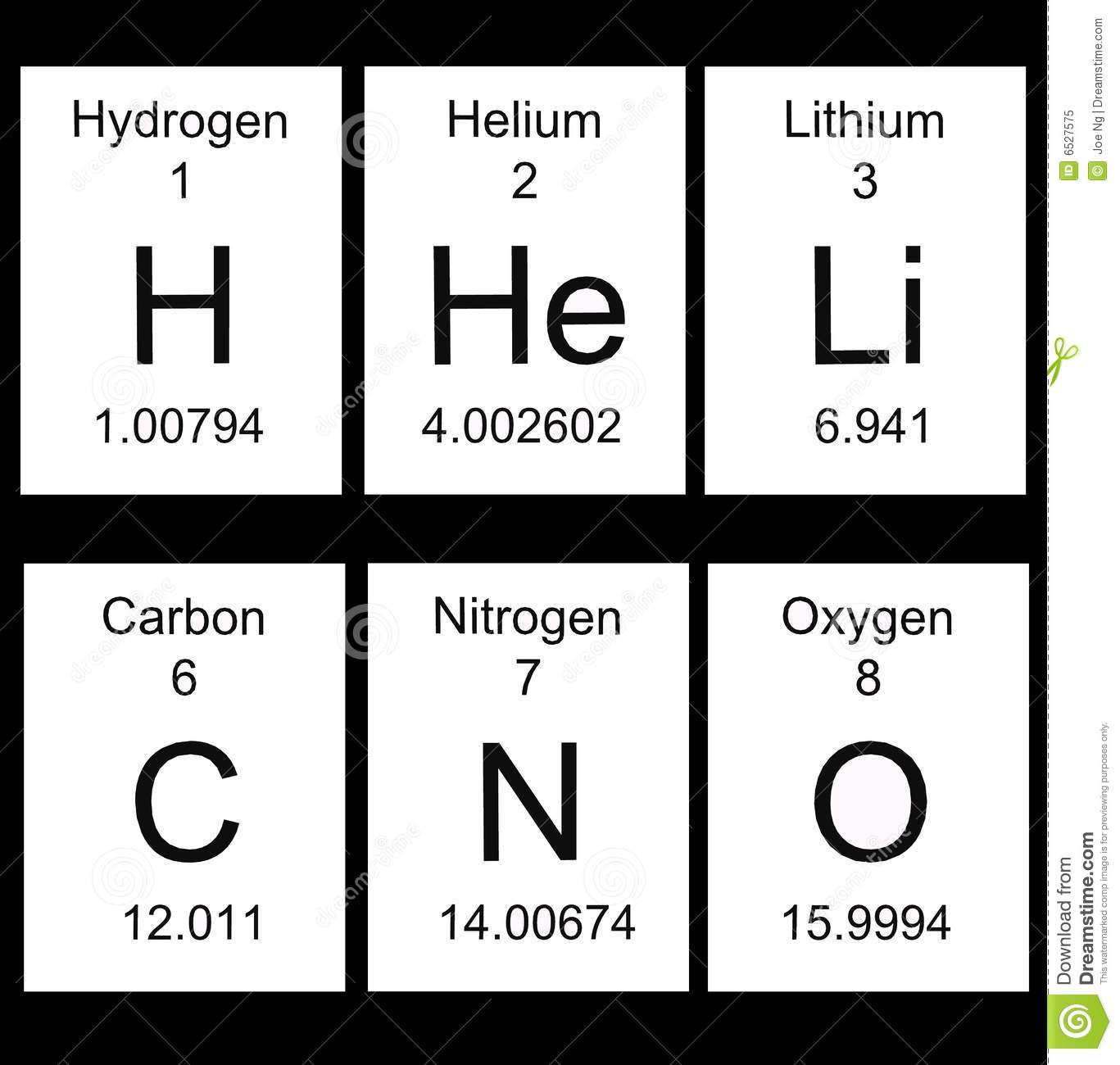
Which Group has a +1 ionic charge?
Group 1
Group 2
Group 17
Group 4
What is the ionic charge of oxygen?
-2
-1
+2
+3
What is the ionic charge of Na?
+1
-1
-2
+4
Which group is known as the Alkali Metals?
Group 1
Group 2
Group 16
Group 18
The order of elements in the periodic table is based on
the number of protons in the nucleus.
the electric charge of the nucleus.
the number of neutrons in the nucleus.
atomic mass.
Atoms of elements that are in the same group have the same number of
protons.
neutrons.
valence electrons.
protons and neutrons.
Which of the following elements is an alkali metal?
calcium
magnesium
mercury
sodium
In Mendeleev's periodic table, elements in each column had similar
atomic masses.
properties.
atomic numbers.
symbols.
How was Mendeleev's periodic table arranged?
by increasing atomic mass
by decreasing atomic mass
by increasing atomic number
by decreasing atomic number
Mendeleev left gaps in his periodic table because
the table was too small.
protons belonged there.
the table was too full.
no known elements fit there.
Each column of the periodic table is
an element.
a group.
an isotope.
a period.
The three main groups of elements are metals, nonmetals, and
inert gases.
alkali metals.
radioactive isotopes.
semiconductors/metalloids.
Most elements are
metals.
nonmetals.
metalloids.
semiconductors.
Elements in an elemental family have similar
atomic symbols.
atomic sizes.
atomic weights.
chemical properties.
The order of elements in the modern periodic table is based on an element's
atomic number.
name.
chemical symbol.
atomic mass.
Which statement about the alkali metals is correct?
They are located in the left-most column of the periodic table.
They are extremely nonreactive.
They are usually gases.
They form negative ions with a 1- charge.
Metals tend to be
gases.
dull.
brittle.
good conductors.
Which group is very stable due to the fact that they have a full outermost energy level?
alkali metals
halogens
alkaline-earth metals
noble gases
Which of the following is a property of group 18 elements?
malleable
brittleness
high electrical conductivity
unlikely to react with other elements
Which of the following groups on the Periodic Table is likely to form positively charged ions (or cations)?
group 1
group 13
group 17
group 18
Which of the following elements would most likely be a shiny, gray-colored solid at room temperature, conduct electricity, and dent when hit with a hammer?
argon (Ar)
chlorine (Cl)
sulfur (S)
aluminum (Al)
Alkali metals are extremely reactive because they
have every small atomic masses.
are not solid at room temperature.
have one valence electron that is easily removed to form a positive ion.
have two valence electrons that form compounds with calcium and magnesium.
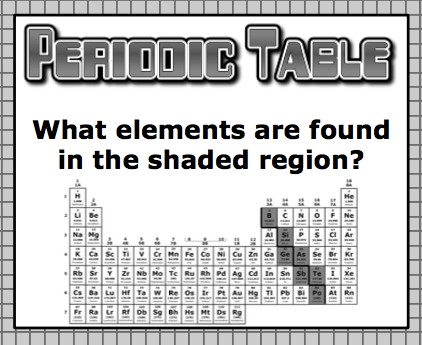
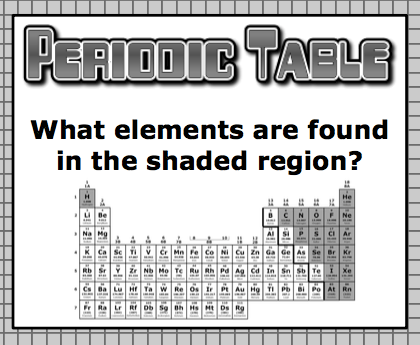
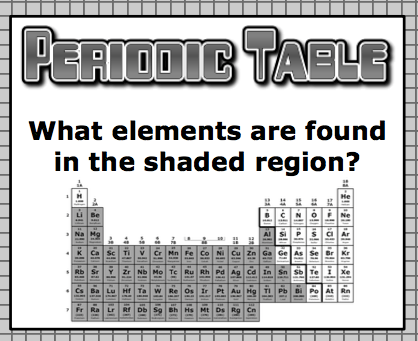
The number of valence shell electrons increases across the...
group
period
cluster
periodic table
_____________ has the largest atomic radius
Onganesson (118)
Francium (87)
Hydrogen (1)
Fluorine (9)
Which of the following is the simplest form of matter?
molecules
nanoparticles
atoms
simple substances


Number of protons and neutrons
atomic number
atomic mass
noble gases
Non-metals

What is the name of the family that is highlighted?
Alkali Metal Family
Halogen Family
Noble Gas Family
Transition Metal Family

noble gases
noble gases
Which of the following is the characteristics of an electron?
Neutral particle
Inside the nucleus of an atom
Circle around the nucleus
No charge

Beryllium and magnesium are placed in the same group. Why?
Both are metal
Both have similar characteristics
Both have same number of protons
Both have different characteristics
What is compound?
Two or more kinds of elements that are mixed chemically
Elements and compounds mix physically
One type of element exists
Two kinds of elements mix physically
Which of the following is an example of compound?
Oxygen
Carbon Dioxide
Hydrogen
Carbon
Which of the following is the characteristics of an mixture?
Form chemical bond
Form new substances
Physical separation method
Different properties of new substances compared to the original
Which of the following is the method to separate water and oil?
Distillation
Sedimentation
Separation using magnet
Floatation
Distillation is used to separate
a completely miscible liquid-liquid mixture that have different boiling points
an insoluble solid from a mixture of solid and liquid
separate two solid mixtures (one is magnetic and the other is not magnetic)
separate soluble and insoluble solid mixture

Name the method used to separate the coloured pigments.
Floatation
Chromatography
Distillation
Sedimentation
In the modern periodic table elements are arranged by:
atomic mass
atomic number
valence electrons
number of isotopes

