
 Worksheets
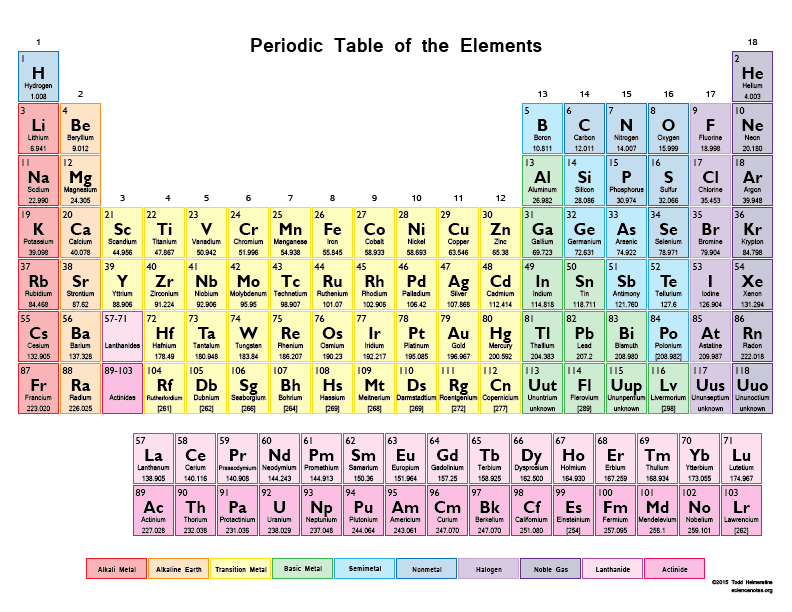
Chemistry question paper-Periodic table
Total questions: 173
Worksheet time: 3hrs 3mins
How are elements organized in the periodic table ?
Alphabetically
Based on physical and chemical properties
Increasing number of electrons
Most reactive to least reactive
Most elements on the periodic table are classified as ____________.
Gases
Metalloids
Metals
Nonmetals
Groups on the periodic table are arranged...
Vertically
Horizontally
Diagonally from bottom right corner
Diagonally from top right corner

Which accurately describes nonmetals?
Poor conductors of electricity
Often used in computer parts
Both malleable and ductile
Both dull and brittle

Which group on the periodic table is the most reactive?
Group 1
Group 2
Group 13
Group 18

What is the chemical symbol for Sodium?
S
So
Na
Ca

How many neutrons does Chlorine have?
17
36
35
18

Which of the following pairs shows the LARGEST atomic size element FIRST?
Ge, Ni
Si, Ar
Rb, I
Hg, Ba

Which properties most accurately describe the element Krypton (Kr)?
Highly reactive
Ductile
Weak conductor of electricity
Has 8 valence electrons
Brittle and dull

How many periods are there in the periodic table?
7
9
10
18

A neutral atom of _____________ has 52 electrons.
Chromium
Tellurium
Manganese
Antimony

Each horizontal row on the periodic table is called a what?
Group
Row
Period
Family

Who arranged the periodic table of elements by the atomic mass (or mass number)?
Democritus
John Dalton
Henry Moseley
Dmitri Mendeleev

Which element would follow the pattern: Sn, Ru, Rb?
Zn
Ge
Tc
Re

Identify the unknown atom.
Flourine
Beryllium
Boron
Helium

The elements in this family are soft, silvery, and very reactive with water.
Alkaline Earth Metals
Alkali Metals
Transition Metals
Lanthanides
What group is the family found? These halides are very reactive and almost have full outer energy level/shell.
1
2
16
17
The is family has properties of both metals and nonmetals.
Alkali
Halogens
Nonmetals
Metalloids
This type of element is dull, brittle solids and gases, insulators, poor conductors of heat and electricity, as well as having low melting points.
metals
metalloids
nonmetals
Sulfur is a...
metal
nonmetal
metalloid
Electronic configuration of Aluminium (Al) is
2,8,1
2,8,2
2,8,3
2,8,4
Elements which have since been discovered that were left blank by Mendeleev in his periodic table
Scandium
Barium
Gallium
Germanium
Mendeleev periodic table have
8 groups, 7 periods
8 groups, 6 periods
7 groups, 8 periods
6 groups, 8 periods
"The atomic mass of bromine is almost equal to the average atomic masses of chlorine and iodine". Which law satisfy this statement?
Mendeleev's law
Newland's law
Modern periodic law
Dobereiner' law
Classification of elements were compare to the musical notes by
Dobereiner
Newland
Mendeleev
Lavoisier
Choose the correct statement
1st period is called very short period
6th period is called long period
There are 14 elements in lanthanide series
2nd and 3rd are called short periods
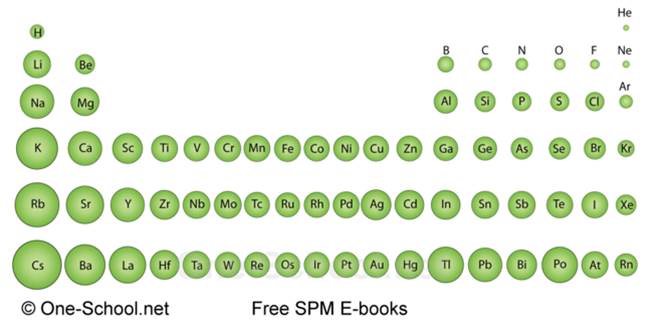
As you move across a row (period) on the periodic table, the atomic radius ______________________
Increases
Decreases
Stays the same
Explodes
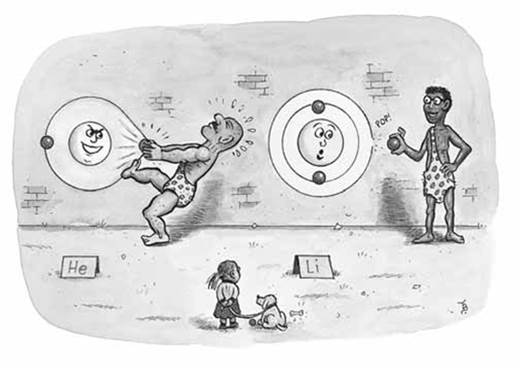
Ionization energy is the energy needed to _________ an electron.
Fission
Explode
Remove
Add
As you move across a row on the periodic table, ionization energy ______________________
Decreases
Increases
Stays the same
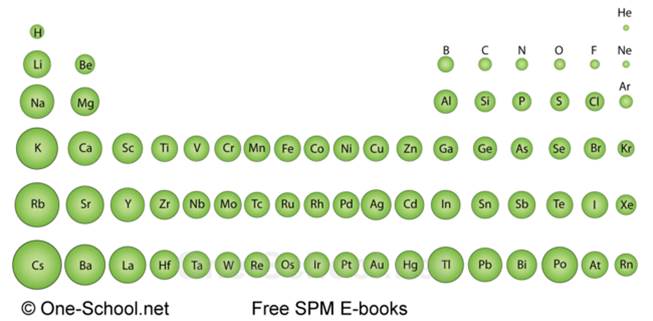
Which group of elements has the lowest ionization energy?
Group 1
Group 2
Group 3
Group 4
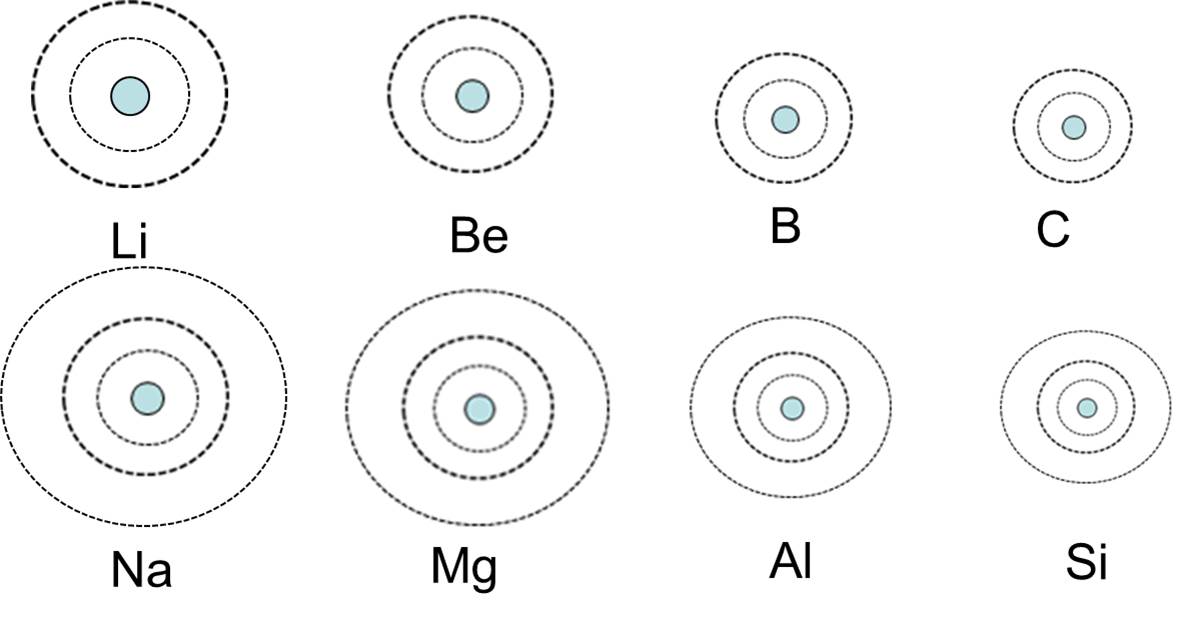
A vertical column on the periodic table is called a ___________
Period
Group
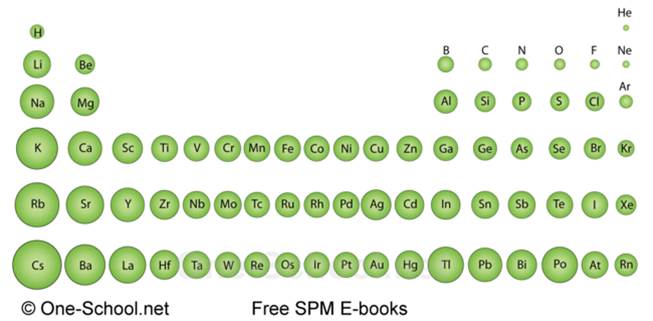
Group VIII A elements are called ________________
Alkali metals
Transition metals
Halogen
Noble gases
Group I A elements (not including hydrogen) are called ________________
Alkali metals
Transition metals
Halogen
Noble gases
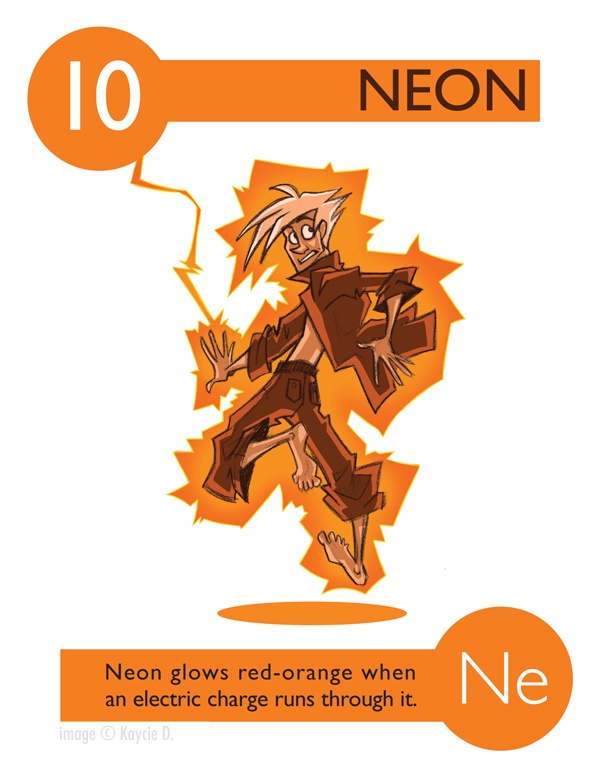
Which of the following elements would have the smallest atomic radius?
Li
Be
C
Ne
Which statement about subatomic particles is true?
Protons, neutrons, and electrons all have about the same mass.
Unlike protons or neutrons, electrons have no mass.
Neutrons have no charge and no mass.
An electron has far less mass than either a proton or neutron.
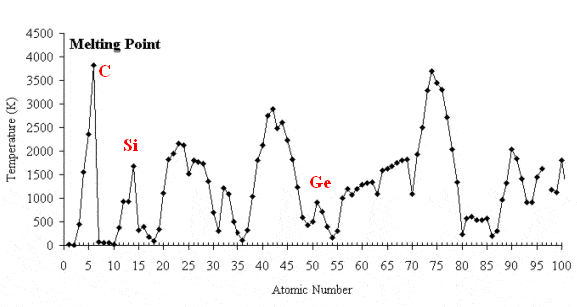
Which element in Period 3 has the highest melting point?
Silicon (Si)
Germanium (Ge)
Carbon (C)
Argon (Ar)
The number of protons in one atom of an element is that element’s
mass number.
balanced charge
atomic number
isotope
To find the number of neutrons in an atom, you would subtract
mass number from atomic number
atomic number from mass number
atomic number from electron number
isotope number from atomic number
Which statement is true about oxygen-16 and oxygen-18 ?
They do not have the same number of protons
their atoms have identical mass
they are isotopes of oxygen
they have the same mass number
Which statement is true concerning the periodic table?
rows go up and down and groups go across the table
groups go up and down and rows go across the table
rows go up and down and groups go up and down the table
rows go across the table and groups go across the table
Which list of elements contains only metals?
carbon, iodine, tin
tin, copper, cesium
helium, iron, copper
iodine, carbon, argon
Which statement is true about the metalloid silicon?
Silicon is a better conductor of electric current than silver is.
Silicon does not conduct electric current under any conditions.
Silicon's ability to conduct electric current does not vary with temperature.
Silicon is a better conductor of electric current than sulfur is.
Group VII A of the periodic table contains the
most reactive metals.
most reactive nonmetals.
least reactive nonmetals.
least reactive metals.
As you move from left to right across a period, the number of valence electrons
increase
stays the same
increases then decreases
decreases
In science lab, your teacher gives you two small pieces of matter and tells you that one piece is a metal and one is a nonmetal. Without changing the size or shape of the pieces, how could you test them to determine which is the metal?
Test the density
Test the conductivity
Test the viscosity
Test the hardness
Period 2
Group 14
(Think about combining integers in math class)
7 Protons
5 valence electrons
This element has 4 energy shells, 33 protons and 5 valence electrons

The distance from the nucleus of an atom to the valence electrons is the __________
Atomic Radius
Ionization Energy
Electronegativity
Electrostatic
As you move across a row (period) on the periodic table, the atomic radius ______________________
Increases
Decreases
Stays the same
Explodes
Ionization energy is the energy needed to _________ an electron.
Fission
Explode
Remove
Add
The reason the atomic radius increases down a group is due to
Greater attraction by protons
More energy levels (rings)
As you move across a row on the periodic table, ionization energy ______________________
Decreases
Increases
Stays the same
Which element has the highest electronegativity?
F
Na
K
Li

How many energy levels are in sodium?
1
2
3
4

Which element has the highest ionization energy?
Na
Li
Mg
Ne
Which group of elements has the lowest ionization energy?
Group 1
Group 2
Group 3
Group 4
Group 18 elements are called ________________
Alkali metals
Transition metals
Halogen
Noble gases
Group 1 elements are called ________________
Alkali metals
Transition metals
Halogen
Noble gases

Which element would have the largest atomic radius?
Cs
K
Na
H

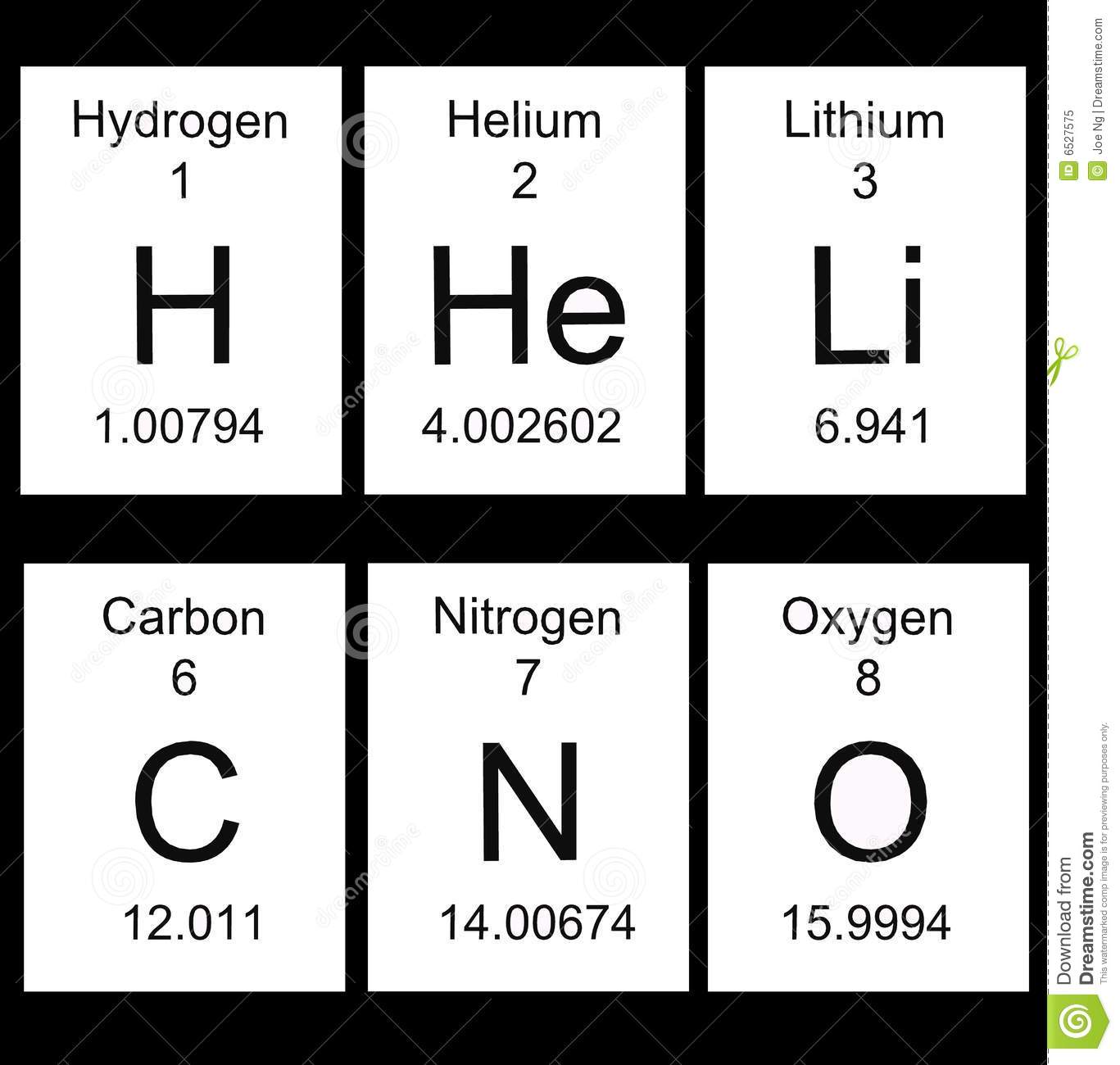
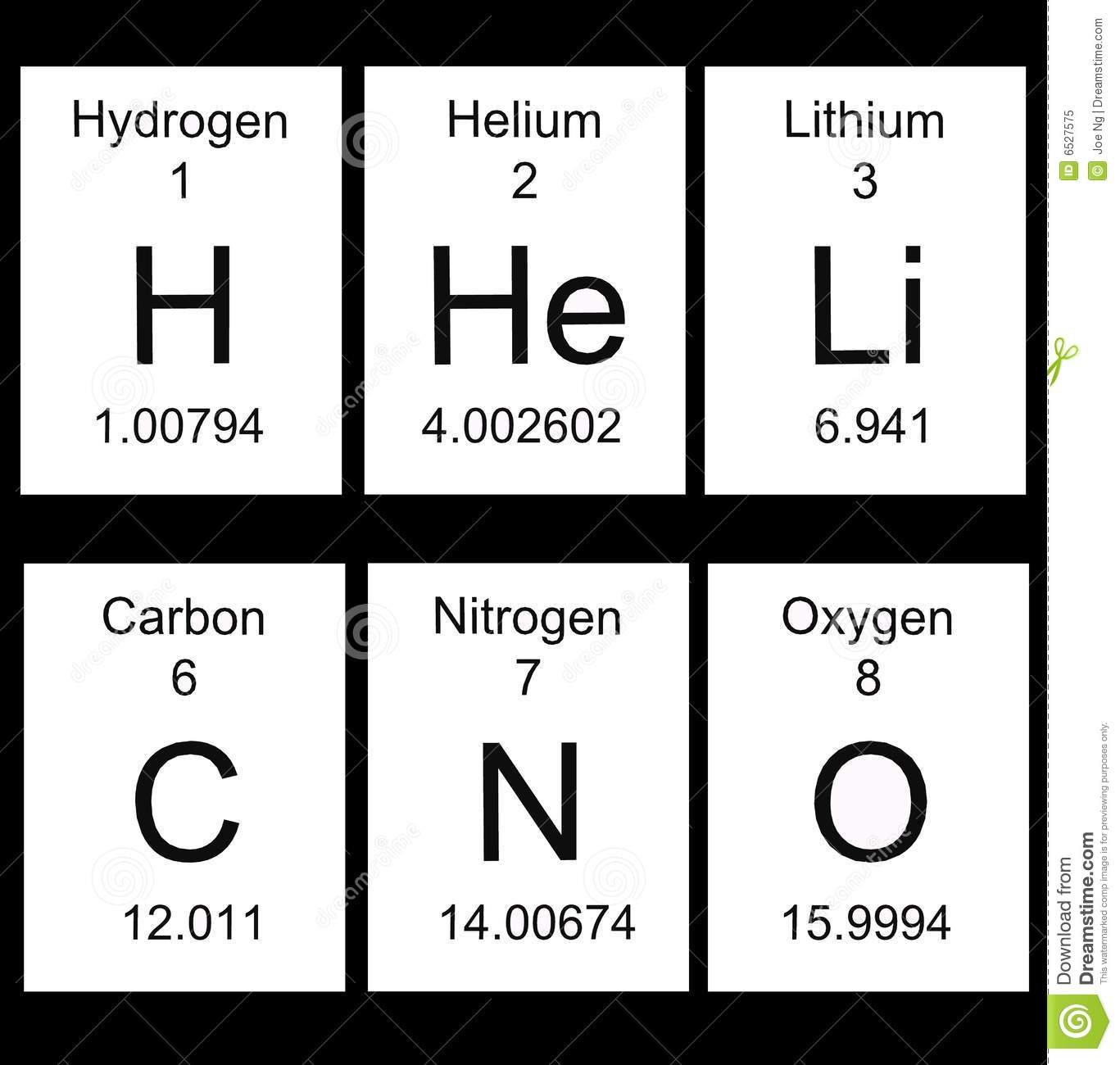

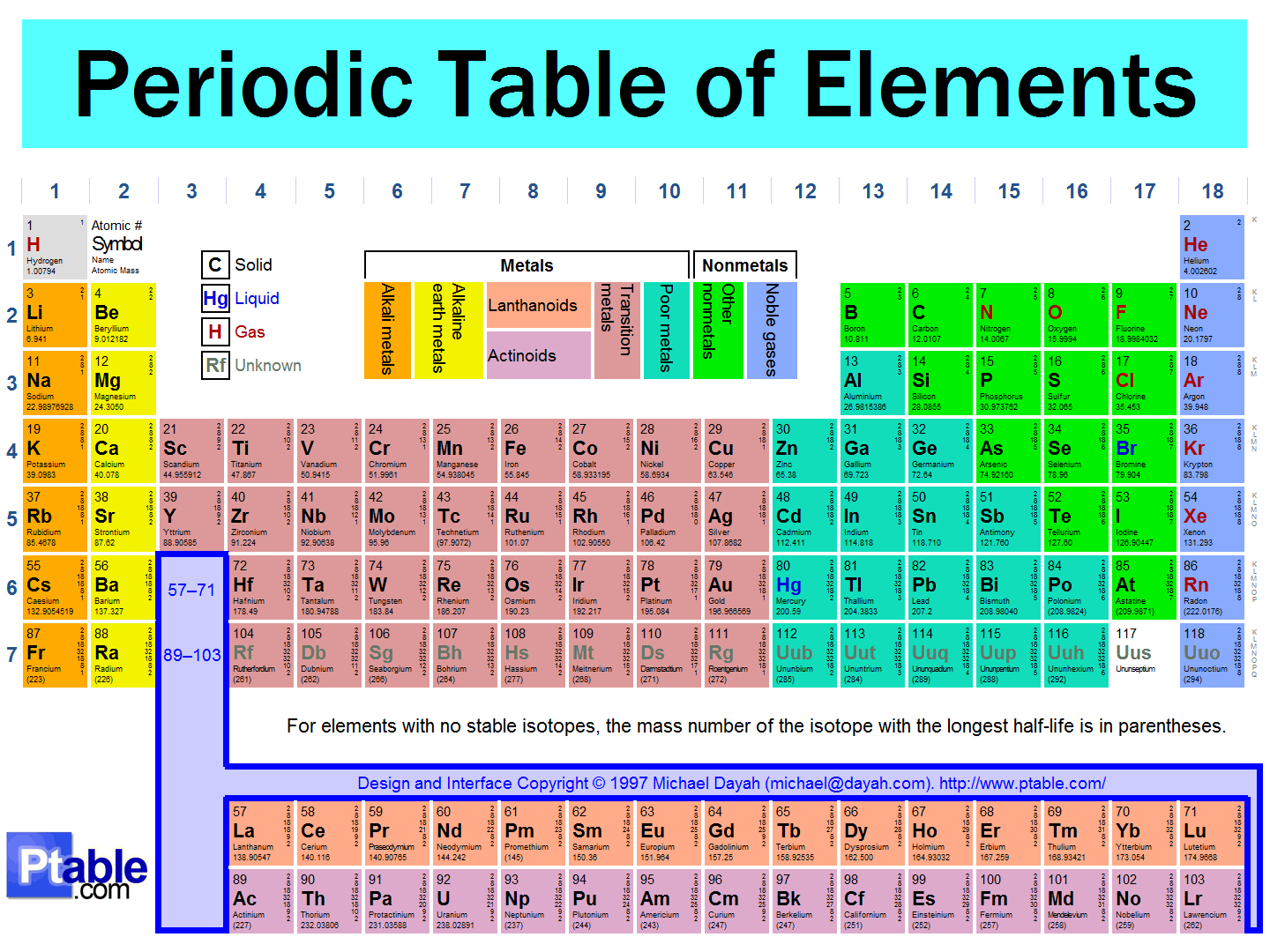
Which element is a halogen?
gold
oxygen
fluorine
carbon
This element is a chalcogen (oxygen family).
Sulfur
Chlorine
Phosphorus
Silicon
How do we find the number of valence electrons for elements in groups 13 through 18?
subtract 8
add 2
add 10
subtract 10
When Sulfur ionizes, it will have an electron configuration exactly like.
Helium
Neon
Krypton
Argon
When Aluminum ionizes, it will have a ________ charge.
-3
+3
-6
-6
Ionized aluminum will have an electron configuration similar to _____________________.
Helium
Neon
Argon
Krypton
Calcium is ________________________.
an alkaline earth metal
an alkali metal
a transition metal
a Noble gas
How many valence electrons do Noble Gases have?
2
4
6
8
N or C?
In a periodic table, a set of properties repeats from
element to element
group to group
column to column
row to row
Which subatomic particle has a negative charge?
electron
proton
neutron
alpha particle
Which statement about subatomic particles is true?
Protons, neutrons, and electrons all have about the same mass.
Unlike protons or neutrons, electrons have no mass.
Neutrons have no charge and no mass.
An electron has far less mass than either a proton or neutron.
Which of the following is unique for any given element?
the number of neutrons
the charge on the electrons
then number of protons
the mass of a neutron
Suppose an atom has a mass number of 23. Which statement is true beyond any doubt?
The atom has an odd number of neutrons
the atomic number is less than 11
the atom is not an isotope
the number of protons in the nucleus does not equal the number of neutrons.
Which statement is true about oxygen-16 and oxygen-18 ?
They do not have the same number of protons
their atoms have identical mass
they are isotopes of oxygen
they have the same mass number
Which statement accurately represents the arrangement of electrons in Bohr’s atomic model?
Electrons vibrate in fixed locations around the nucleus.
Electrons travel around the nucleus in fixed energy levels with energies that vary from level to level.
Electrons travel around the nucleus in fixed energy levels with equal amounts of energy.
Electrons travel randomly in the relatively large space outside the nucleus.
Which statement is true concerning the periodic table?
rows go up and down and groups go across the table
groups go up and down and rows go across the table
rows go up and down and groups go up and down the table
rows go across the table and groups go across the table
The atomic mass of an element is
the sum of the protons and neutrons in one atom of the element.
twice the number of protons in one atom of the element.
a ratio based on the mass of a carbon-12 atom.
a weighted average of the masses of an element’s isotopes.
Which list of elements contains only metals?
carbon, iodine, tin
tin, copper, cesium
helium, iron, copper
iodine, carbon, argon
Which statement is true about the metalloid silicon?
Silicon is a better conductor of electric current than silver is.
Silicon does not conduct electric current under any conditions.
Silicon's ability to conduct electric current does not vary with temperature.
Silicon is a better conductor of electric current than sulfur is.
At room temperature, none of the metals are
soft.
liquids.
malleable
gas
Group 7A of the periodic table contains the
most reactive metals.
most reactive nonmetals.
least reactive nonmetals.
least reactive metals.
As you move from left to right across a period, the number of valence electrons
increase
stays the same
increases then decreases
decreases
A member of the boron family has three valence electrons, while a member of the nitrogen family has
none
five
four
three
Which of the following Group 1A elements is the most reactive?
Cs (cesium)
Li (lithium)
K (potassium)
Na (sodium)
Which of the following Group 7A elements is the most reactive?
Cl (chlorine)
I (iodine)
F (fluorine)
Br (bromine)
Which of the three subatomic particles—proton, electron, or neutron—has the least mass?
protons
neutrons
electrons
If an atom has 34 protons and 40 neutrons, what is its mass number?
34 + 40
40 - 34
34 - 40
34 / 40
If an atom of tin has a mass number of 118 and an atomic number of 50 , how many neutrons are in its nucleus?
50-118
118+50
118/50
118-50
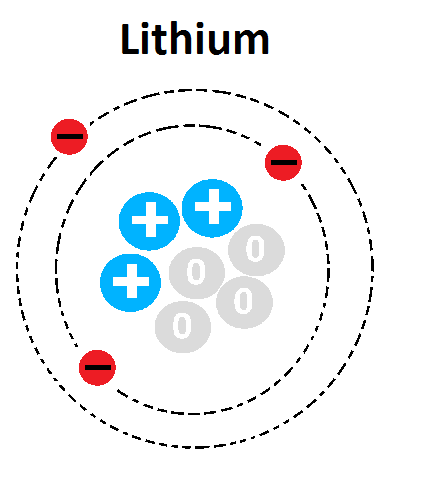
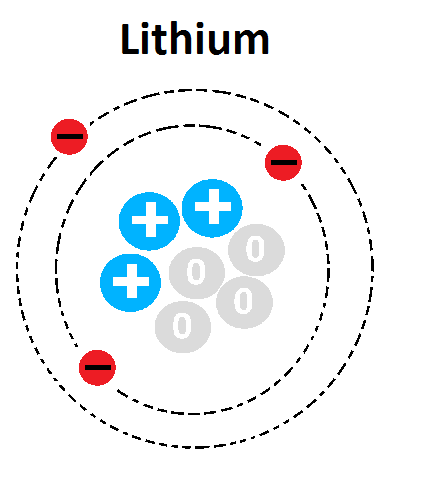
What is the mass number of this atom?
1
3
4
7
How many neutrons does an atom of the isotope Neon-22 have? (tap to enlarge the image)
12
10
22
20
Isotopes have different numbers of
protons
neutrons
electron
properties
If an atom has 10 electrons, how many protons does it have?
0
1
10
5

How many electrons are in an atom with an atomic number of 50? You will need a periodic table to help you.
5
8
50
2
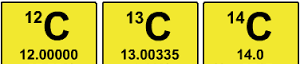
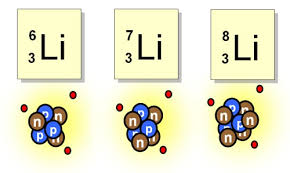
ALL atoms of the same element have:
same number of proton
same number of nucleon
different number of neutron
different number of electron
The innermost energy level has a maximum of how many electrons?
1
2
6
8
Ra, Be, Ca, Rb, H
Which of the following elements would be the largest: copper, zinc, silver or cadmium?
copper
zinc
silver
cadmium
cannot be determined
Why is iodine larger than bromine?
iodine has a greater number of electrons than bromine
iodine has a greater number of protons than bromine
iodine has more occupied energy levels and greater shielding than bromine
iodine has more neutrons than bromine
iodine has more valence electrons than bromine
Put these in increasing order in terms of electronegativity :
F, N, B
B < N < F
B < F < N
N < F < B
F < N < B

Which is the correct order of electronegativity from lowest to highest?
Zinc, Nickel, Iron, Scandium
Iron, Nickel, Zinc, Scandium
Scandium, Iron, Nickel, Zinc
Scandium, Iron, Zinc, Nickel
Which element in Period 2 has the greatest atomic radius?
Be
C
Na
Li
Which of the group 13 elements is the largest?
B
Ti
Fr
Ga
Of the halogens, which has the smallest radius?
F
Br
He
At
Which of the metalloids has the smallest atomic radius?
Si
B
Sb
Al
Of the halogens, which has the smallest electronegativity?
F
Cl
At
Ne
Which of the period 3 elements has the largest electronegativity?
Ar
Cl
Na
F
Which of the transition metals in the 5th period is the largest?
Y
Mo
Rb
Xe

